



Moreau Bronze Sculpture
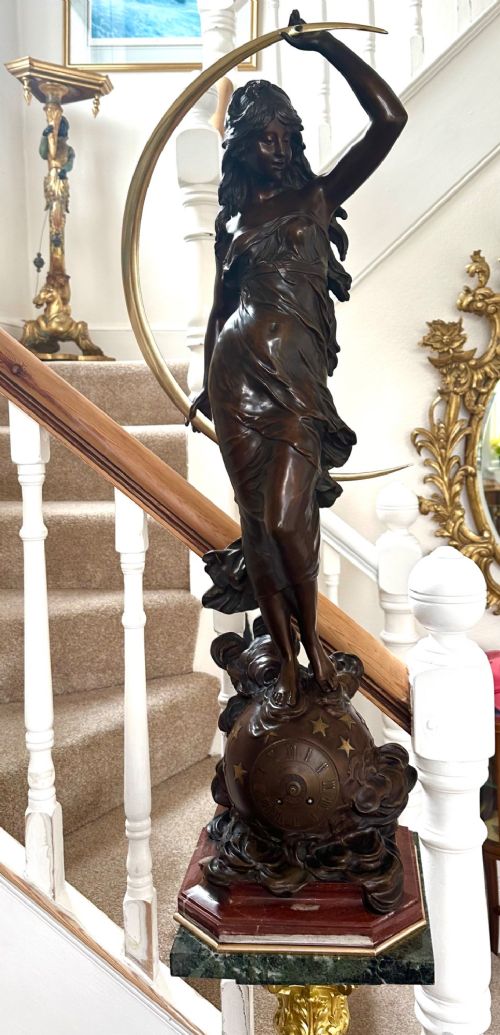
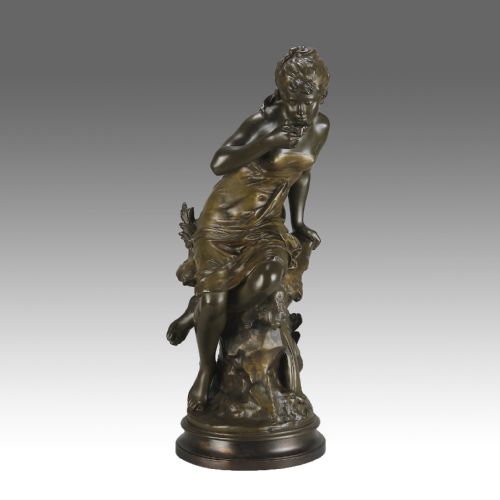
A moreau bronze sculpture brings nineteenth-century French figural art into a room through classical figures, maidens and mythological subjects.
Moreau Bronze Sculpture
When you search for moreau bronze sculpture, you encounter nineteenth-century French figures, maidens, putti and mythological subjects originating from a notable family of artists. The pieces span mantle clocks, lamps and free-standing statues created within French classical and Art Nouveau aesthetic traditions.
You are most likely to meet depictions of youthful maidens, nymphs, cupids and historical figures such as Julius Caesar or Roman emperors. These works frequently incorporate patinated bronze or spelter mounted upon marble, onyx or wood bases.
Materials and casting methods
The objects combine cast bronze and spelter with patinated surfaces, often paired with marble, onyx, brass, glass and wood bases. Foundries utilised traditional casting methods to achieve fine detail in drapery, hair and facial expressions.
Makers applied patination techniques to create varied surface tones on the metal figures, while silvered finishes appear on specific figural lamp models.
Several lamps feature putti holding aloft lights, illuminating rooms with nineteenth-century charm.
Evaluating quality and execution
The choice of base materials, such as solid marble or onyx rather than secondary woods, elevates the presence of the sculpture or lamp. The fidelity of the cast to the original model determines the overall refinement of the piece.
Auguste Moreau·Mathurin Moreau·Hippolyte Francois Moreau·Louis Auguste Moreau
The Moreau Bronze Sculpture Glossary
- Spelter
- A zinc alloy used as a less costly alternative to bronze in nineteenth-century French figural manufacturing. It commonly received a patinated or silvered coating to resemble bronze.
- Patinated bronze
- Metal treated with chemicals to produce a specific surface colour and finish. This process protects the bronze and adds visual depth to drapery and skin.
- Art Nouveau
- A decorative style popular around the turn of the twentieth century. It is characterised by flowing, organic lines inspired by natural forms.
- Putto
- A representation of a plump, naked male child, often winged, appearing frequently in mythological compositions. These figures add a playful element to clocks and lamps.
- Neoclassical
- A style drawing inspiration from the art and culture of classical antiquity. It emphasises proportion, restraint and heroic subject matter.
Moreau Bronze Sculpture: Frequently Asked Questions
How do I identify a Moreau sculpture?
Look for signatures inscribed on the base or body of the metal figure, alongside style markers typical of nineteenth-century French workshops.
Subjects generally include classical maidens, mythological figures and children executed in bronze or spelter.
What is the difference between bronze and spelter?
Bronze is an alloy of copper and tin that offers durability and takes a fine, deep patina during casting.
Spelter is a zinc-based white metal that feels lighter and requires surface plating or patination to mimic bronze.
How were these pieces used originally?
Many figures served as decorative mantle sculptures or formed the structural supports for table lamps and clocks.
They functioned as ornamental art objects within Victorian and Belle Epoque interiors.
Where should I place a bronze sculpture?
Position the piece on a stable surface such as a wooden side table, mantlepiece or column where the details remain visible.
Keep the sculpture away from direct moisture and extreme temperature fluctuations to protect the metal patina.