

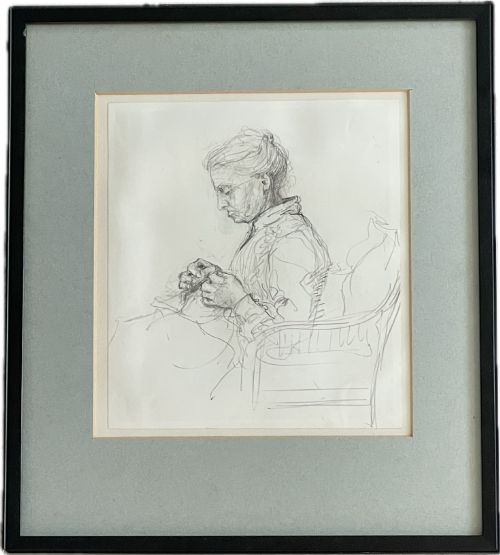
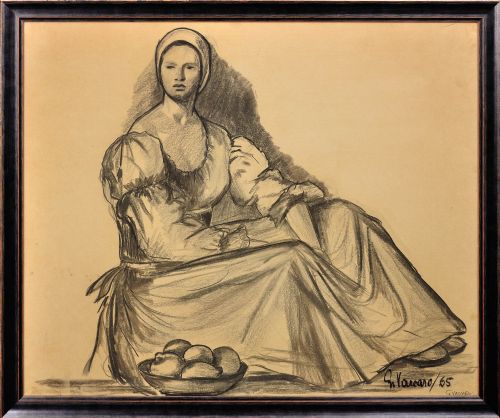
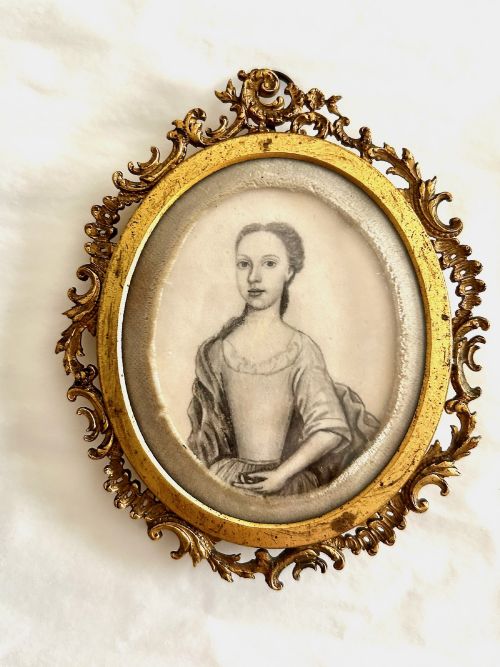

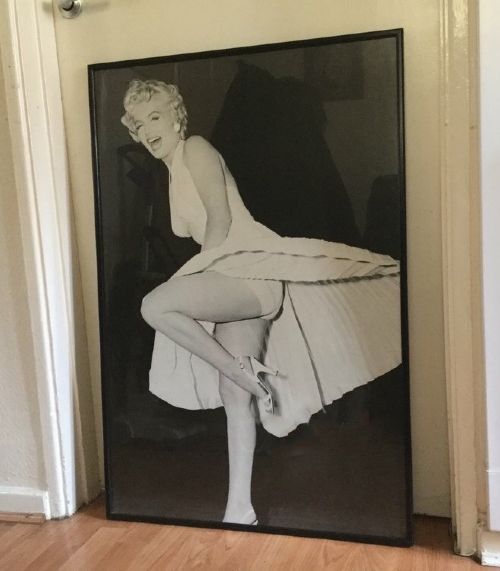

Monochrome Portrait Artwork
Monochrome portrait artwork captures likenesses through ink, charcoal, and etching across centuries of distinct aesthetic movements.
Monochrome Portrait Artwork
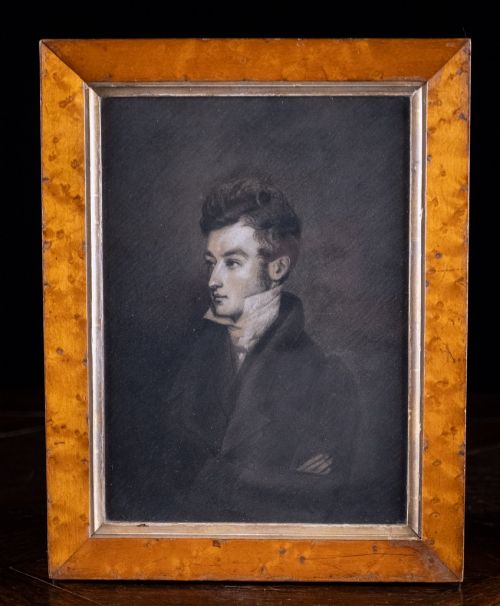
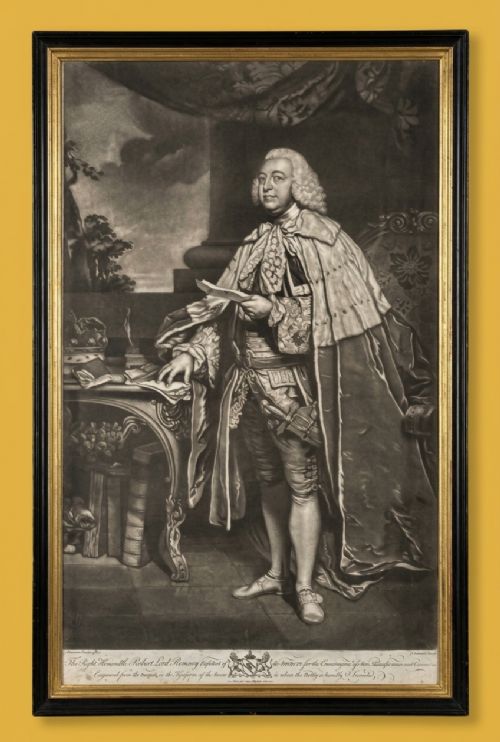
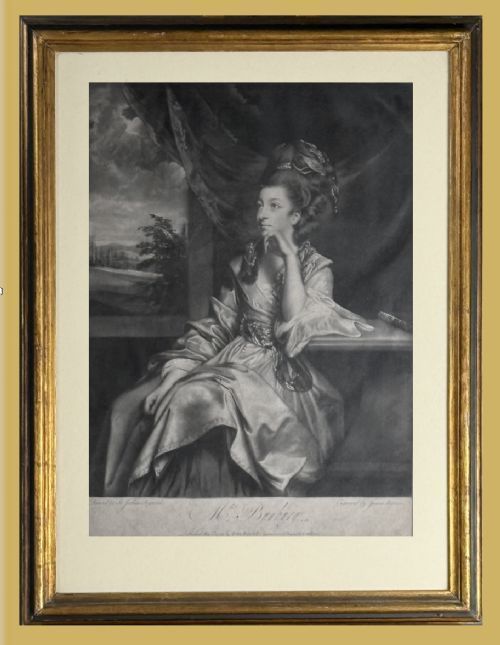
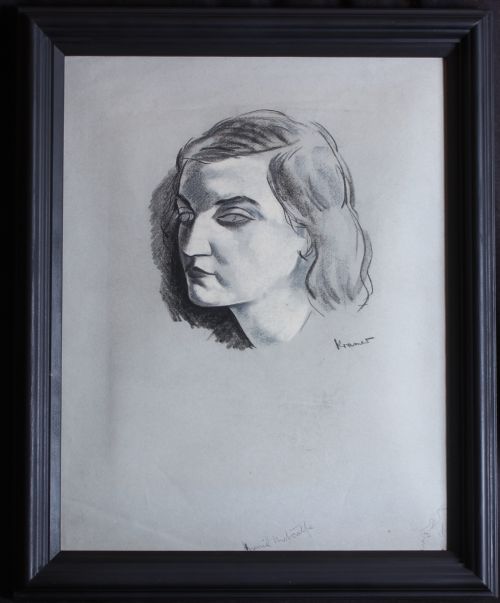
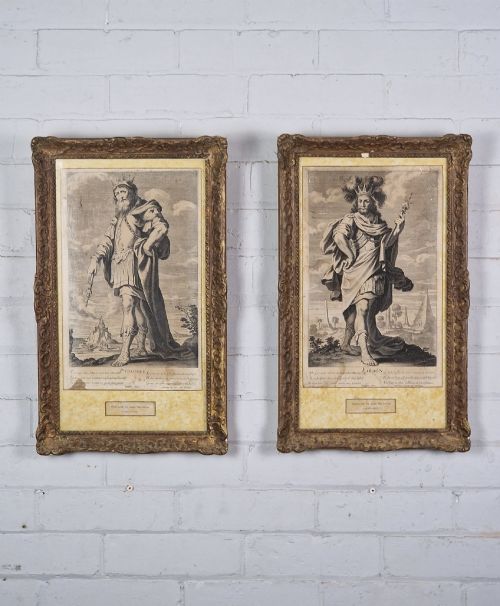
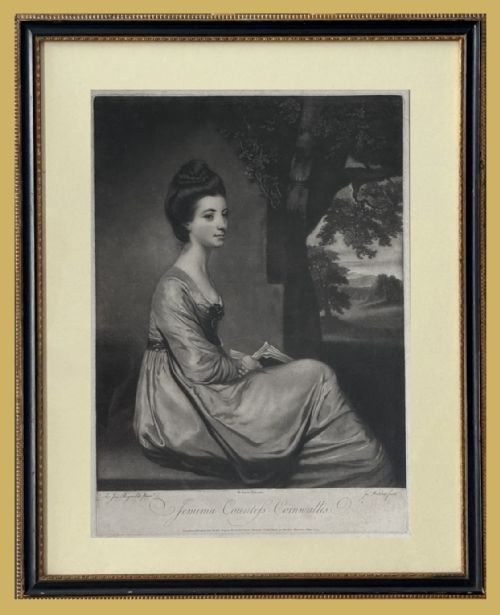
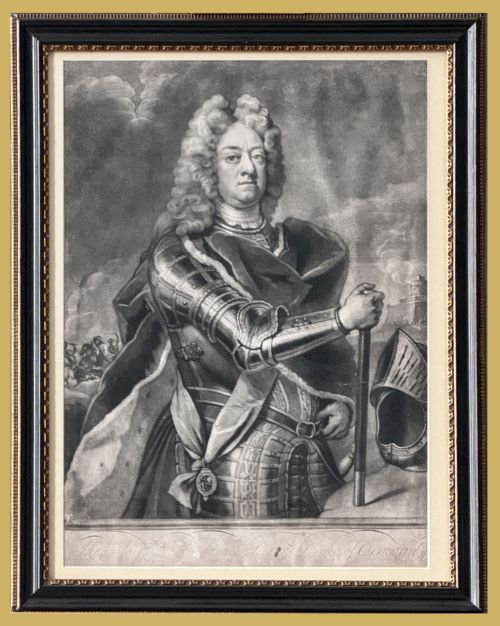
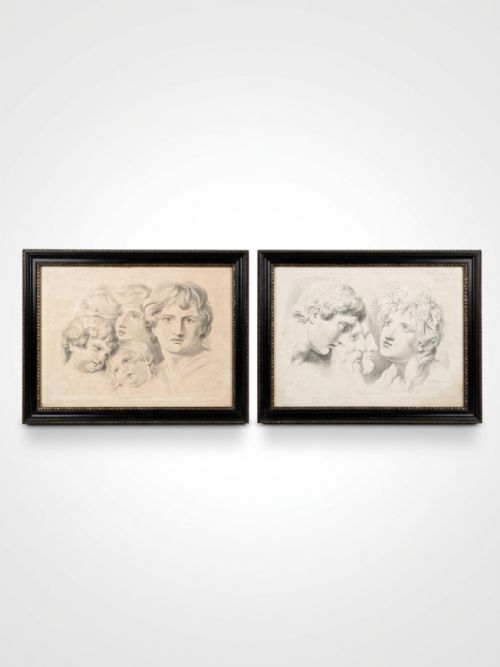
Monochrome portrait artwork centres on depictions of notable figures, aristocracy, and sitters rendered without full colour across various historical periods. The selection on this page relies heavily on eighteenth-century mezzotints, nineteenth-century drawings, and early twentieth-century etchings.
Buyers encounter framed prints, engravings, and original charcoal or pastel drawings that highlight tonal gradation and shadow. Eighteenth-century mezzotint plates after painters such as Sir Joshua Reynolds and Sir Godfrey Kneller dominate the earlier offerings.
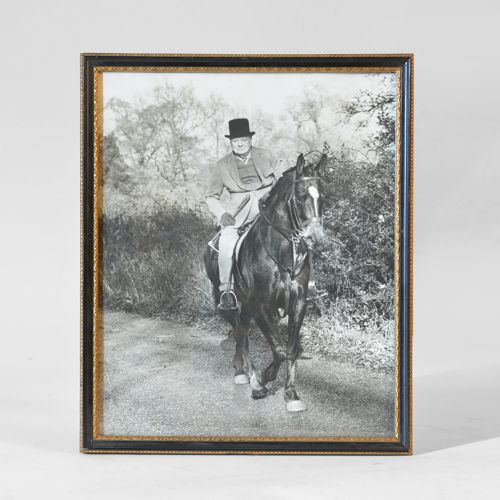
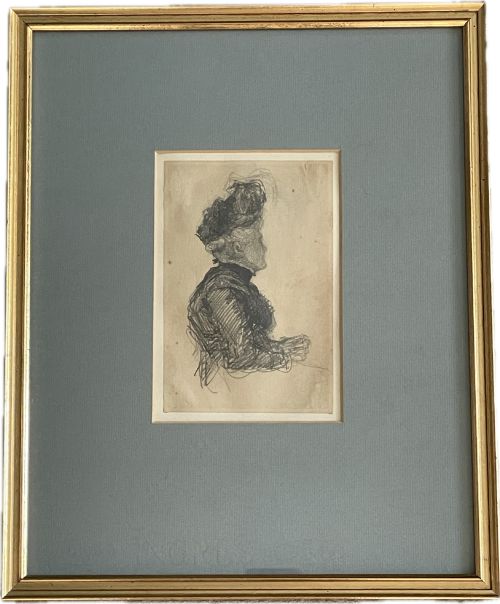
Later examples extend into the twentieth century with drypoints and photographic prints. These pieces generally arrive ready to hang within period timber and gilded frames.
Materials and production methods
Printmakers utilised copper plates for mezzotints and line engravings, working the surface with rockers and gravers to hold ink. Paper served as the primary medium for impressions, alongside vellum in specific miniatures.
Draftsmen employed charcoal, graphite, ink, wash, and gouache directly onto paper or canvas to build deep contrasts. Finished works frequently found placement behind protective glass within timber frames finished in gold leaf or giltwood.
Monochrome Portrait Artwork Retail Price Guide 2026
Typical asking prices for monochrome portrait artwork among the pieces listed under this phrase on Sellingantiques today, from the lower quarter to the upper quarter. They describe what is for sale here now, not the wider market.
Listings feature works spanning from the seventeenth century through to the twentieth century, utilising paper, vellum, and canvas.
Distinctions in quality
Print quality depends on the crispness of the impression and the wear state of the underlying copper plate. Early pulls retain fine tonal transitions, whereas later impressions lose shadow depth.
Original hand-drawn works separate themselves through the sureness of the line and the preservation of the paper support. Frame craftsmanship and material authenticity also influence the standing of an individual piece.
John Simon·Edward Fisher·John Smith·James Watson·Jacobus Houbraken·Herbert Dicksee
The Monochrome Portrait Artwork Glossary
- Mezzotint
- A printmaking process where the copper plate is roughened uniformly to hold ink, producing rich dark tones and subtle gradations. This method was widely used for translating oil paintings into monochrome prints during the eighteenth century.
- Drypoint
- An intaglio printmaking technique where an artist scratches directly into a metal plate with a sharp needle. This action raises a burr of metal that yields soft, velvety lines when printed.
- Engraving
- A method of cutting design lines directly into a metal plate using a hardened steel tool called a burin. The resulting prints exhibit precise, clean lines.
- Giltwood
- Wood carved and then coated with a thin layer of gold leaf or metallic powder. It is frequently seen on antique frames housing these portraits.
- Vellum
- A fine parchment prepared from calfskin, used historically as a durable drawing and painting surface. Miniature portraits often utilised this material for its smooth texture.
Monochrome Portrait Artwork: Frequently Asked Questions
How do I date a monochrome portrait?
Dating relies on stylistic clues in the sitter's costume, the printing technique, and the framing materials. Paper analysis and ink types also provide windows into the century of production.
Catalogues often reference the active dates of the printmaker or the artist who painted the original portrait. Comparing plate marks and paper watermarks yields further chronological precision.
What is the difference between an engraving and a mezzotint?
An engraving uses a sharp tool to cut lines directly into metal, resulting in sharp, defined outlines. A mezzotint builds an image from tones and dark backgrounds by roughening the plate surface.
Mezzotints excel at capturing the soft shadows of painted portraits, while engravings prioritise linear precision and detail.
How should I care for antique paper art?
Keep works away from direct sunlight to prevent fading of ink, charcoal, and paper supports. Maintain stable indoor humidity levels to avoid warping or foxing.
Ensure framing uses acid-free backing boards and UV-filtering glass where possible. Professional framing safeguards the delicate medium from environmental damage.
Are these works original prints or reproductions?
The inventory consists of period originals created during the stated centuries, including contemporary print runs and hand-drawn works. Mezzotints and etchings are printed from plates worked by the cited printmakers.
Close examination with a loupe reveals the plate impressions and ink characteristics typical of antique printing methods.