


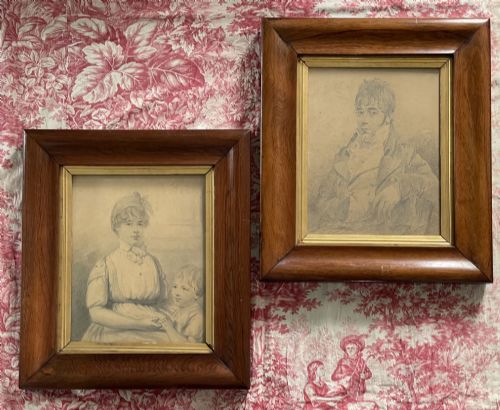
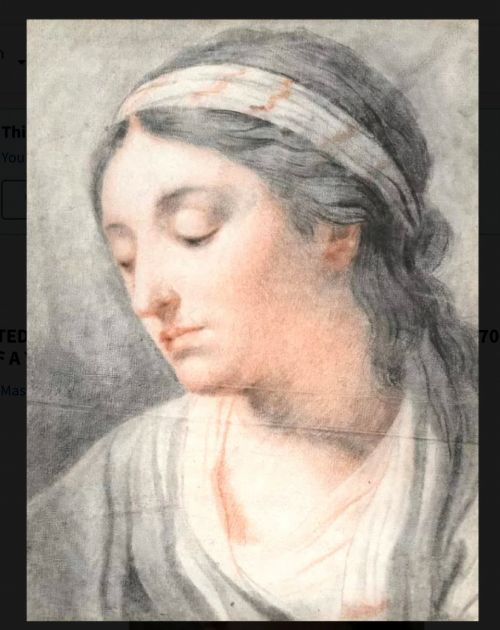


Historical Portrait Drawing
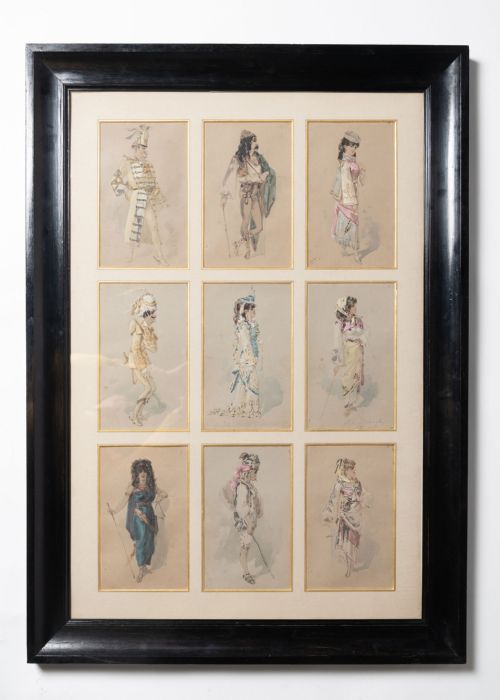
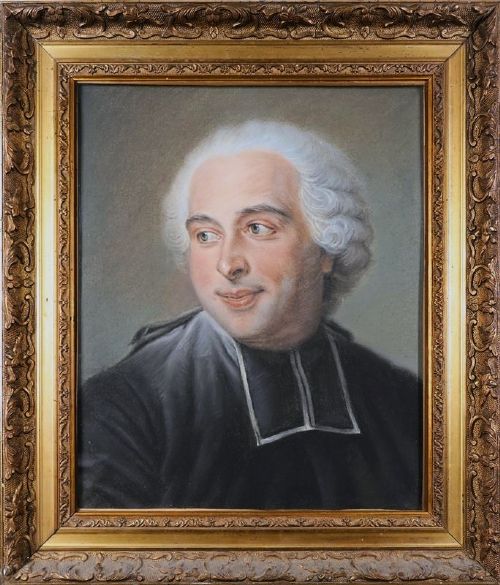
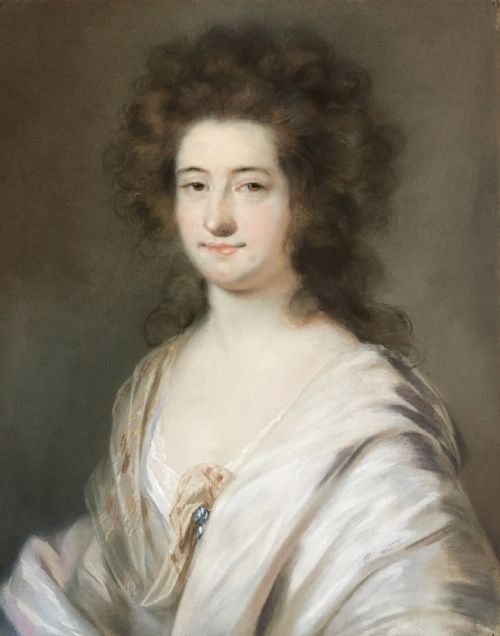
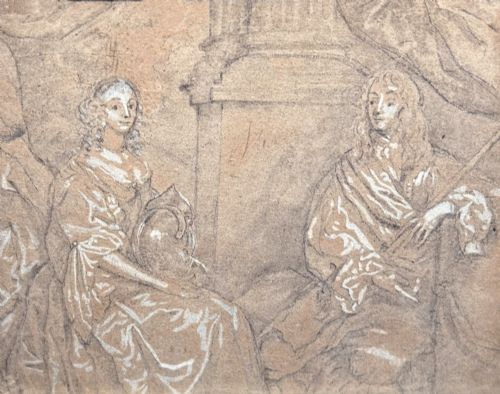
These historical portrait drawing works capture faces from past centuries in graphite, chalk, pastel, ink, and watercolour on paper, offering an immediate connection to figures of the Georgian, Regency, and Victorian eras.
Historical Portrait Drawing
A historical portrait drawing brings figures from the seventeenth, eighteenth, and nineteenth centuries into view through delicate works on paper. When searching for a historical portrait drawing, buyers encounter framed art, sketches, and pastels depicting named subjects, royal figures, and anonymous sitters alike.
The pieces on this page span several distinct periods, reaching from seventeenth-century subjects and eighteenth-century pastels through to Regency-era pencil sketches and mid-Victorian watercolours. These works range from naive compositions and follower pieces to signed academic drawings by named artists.
Subjects include nobility, writers, military figures, and children captured within oval frames or traditional wooden mounts. The variety extends across French School works, Georgian pieces, and Victorian academic realism.
Materials and Technique
Artists executed these works primarily on paper using mediums such as graphite, chalk, pastel, ink, and watercolour. Pastel allows for soft blending and rich tones, as seen in eighteenth-century portraiture, while graphite and pencil deliver precise line work for Regency and Victorian sketches.
Many of these works are preserved beneath glass within wood frames, protecting the delicate paper supports from environmental damage. Watercolour and ink applications add depth and colouration to specific drawings, combining linear precision with tonal washes.
Historical Portrait Drawing Retail Price Guide 2026
Typical asking prices for historical portrait drawing among the pieces listed under this phrase on Sellingantiques today, from the lower quarter to the upper quarter. They describe what is for sale here now, not the wider market.
Listings feature works on paper utilising graphite, chalk, pastel, ink, and watercolour across Georgian, Regency, and Victorian styles.
Assessing Quality
Quality in these works rests upon the surety of the draughtsmanship and the psychological depth captured in the sitter's expression. Masterful handling of graphite or pastel distinguishes finely observed studies from stiff or formulaic copies.
The distinction between a workshop piece, a follower's work, and an original drawing by a recognised hand shapes the character of each piece. Condition also plays a role, with well-preserved paper and minimal fading retaining the visual impact intended by the artist.
Maurice Quentin de la Tour·John Russell·Peter Lely·François-André Vincent·J Bizo·Theobald Chartran·Francis O. A. Haviland·Nathaniel Dance-Holland·George Richmond
The Historical Portrait Drawing Glossary
- Graphite
- A form of carbon used in pencils to create monochrome drawings ranging from pale grey lines to deep black shading. It became widely utilised for detailed portrait sketches during the Regency and Victorian periods.
- Pastel
- A dry painting medium consisting of powdered pigment and a binder, shaped into sticks. It permits subtle colour gradations and was favoured for eighteenth-century portraiture.
- Follower
- An artist working in the style of a noted master, often producing work during or shortly after the master's lifetime. These pieces reflect the dominant techniques of a particular school without being direct hands-on works by the master.
- Naive Art
- Work produced by an artist without formal academic training, characterised by a direct, unpretentious perspective. Such pieces often display charming proportion quirks and unconventional viewpoints.
- Academic Realism
- A style of painting and drawing produced under the influence of European academies of art, emphasising precise anatomical accuracy and polished execution.
Historical Portrait Drawing: Frequently Asked Questions
What periods do these drawings cover?
The listings span from the seventeenth century through the Georgian and Regency eras into the mid-Victorian period. Each era brings distinct clothing, hairstyles, and drawing techniques to the portraits.
Buyers will find seventeenth-century depictions alongside eighteenth-century pastels, Regency pencil sketches, and Victorian watercolours signed by artists of the time.
How should I frame and display works on paper?
Drawings executed on paper require protection from direct sunlight and high humidity to prevent fading and paper degradation. Framing behind glass with acid-free mounts safeguards the delicate medium.
Keep these pieces in rooms with stable temperature and light levels to preserve the graphite, pastel, or watercolour pigments over time.
What is the difference between an original and a follower piece?
An original drawing comes directly from the hand of the named artist. A follower piece is created by an artist working closely within the style and tradition of that master.
Both categories hold historical interest, though attribution to a specific artist or follower is determined by signatures, documentation, and stylistic analysis.
Are these portraits of real historical figures?
Many pieces depict identified individuals, including writers, military commanders, monarchs, and historical figures from past centuries. Other works portray anonymous sitters whose identities have been lost to time.
Inscribed titles on the reverse or front of the frame often record the name, dates, and background of the person portrayed.