


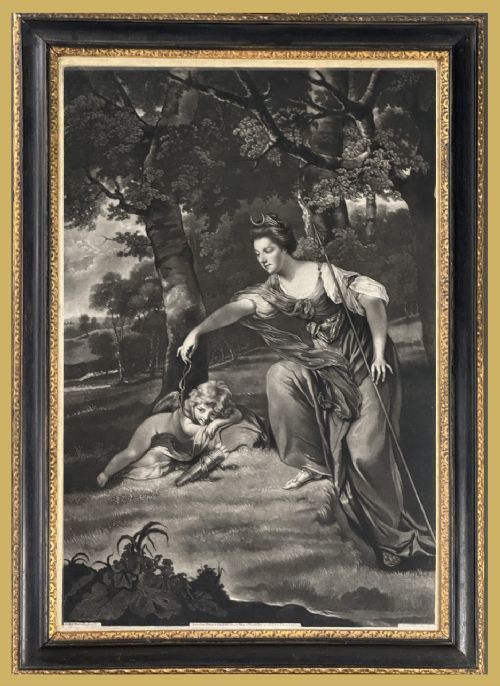
Monochrome Mezzotint Portrait
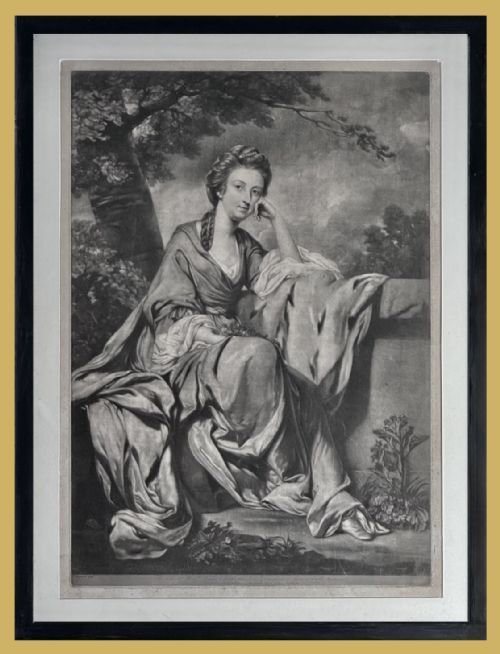
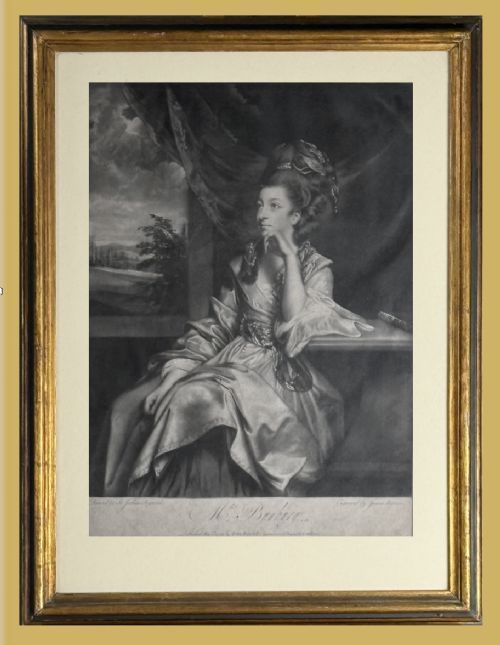
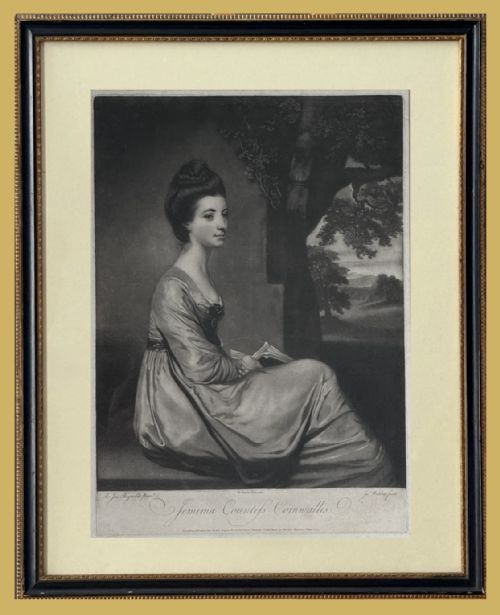
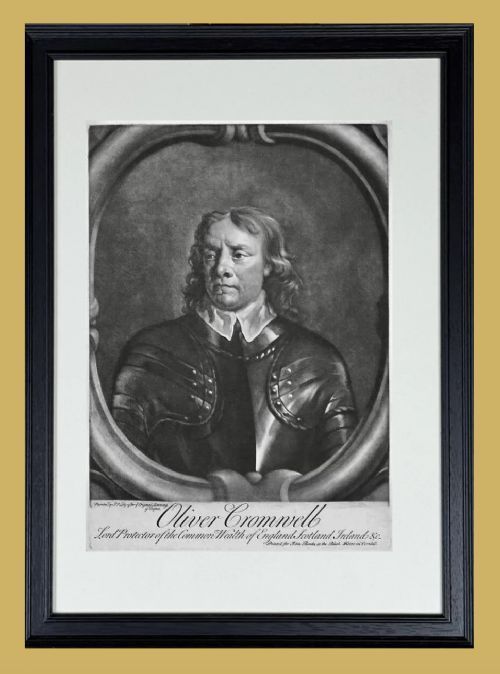
A monochrome mezzotint portrait captures aristocratic and royal likenesses with tonal depth, originating primarily from seventeenth and eighteenth century printmaking workshops.
Monochrome Mezzotint Portrait
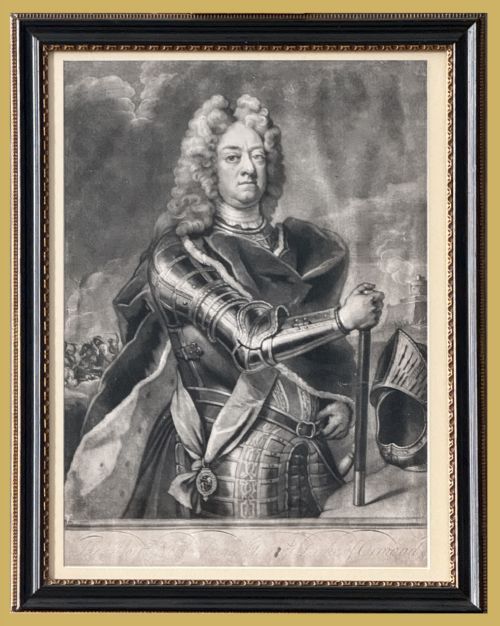
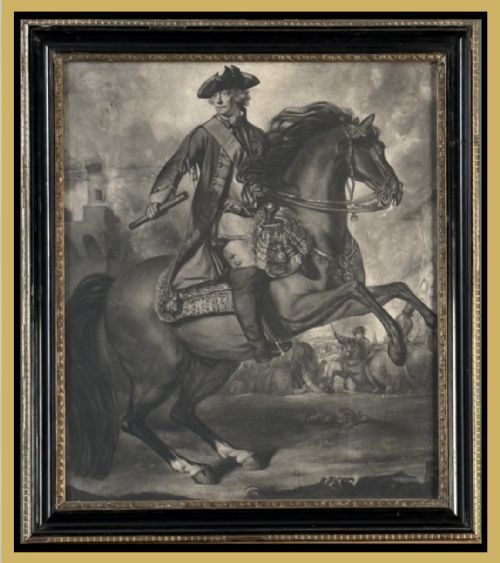
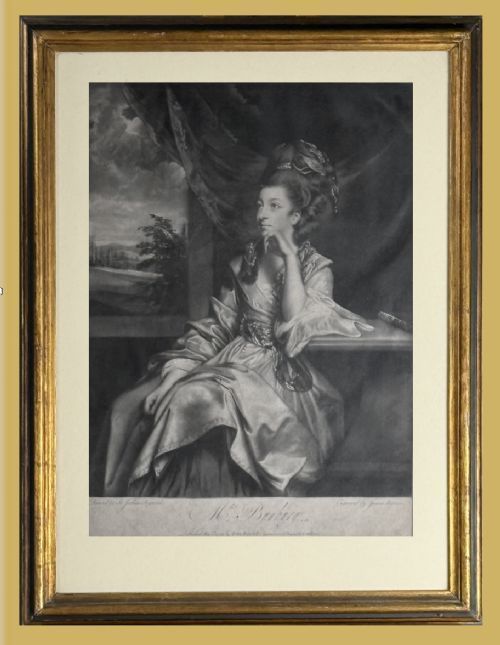
A monochrome mezzotint portrait represents a significant printmaking tradition focused on historical figures, royalty, and nobility. When exploring this category, buyers frequently encounter eighteenth century and seventeenth century examples produced by prominent engravers after paintings by leading portraitists.
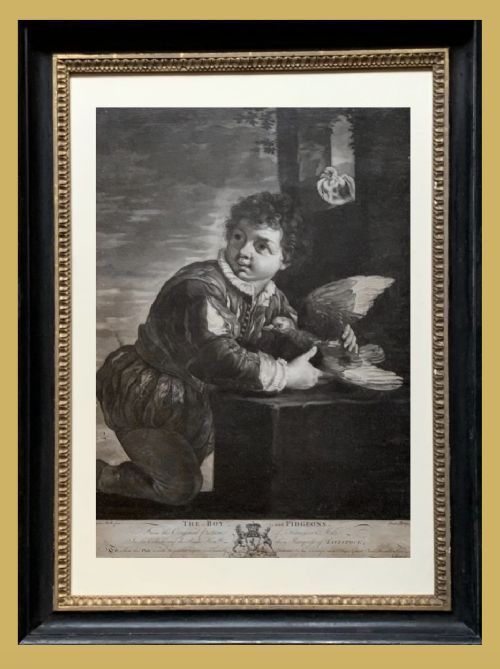
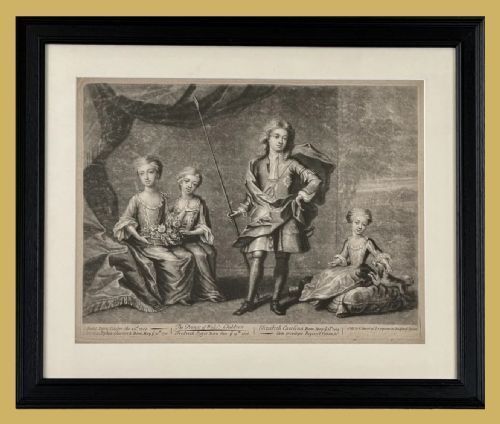
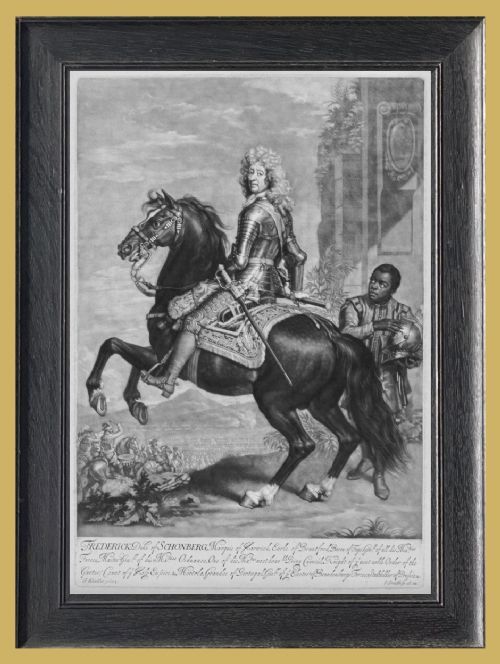
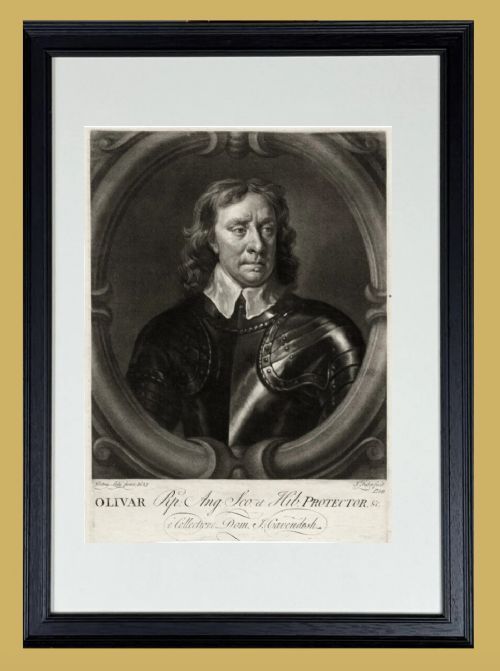
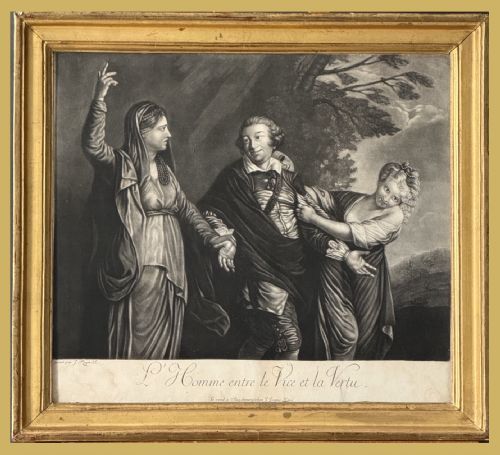
The subjects range from monarchs and military commanders to duchesses and children, framed as wall art within period surrounds. These works bridge the gap between fine painting and print reproduction through rich tonal gradations.
Most pieces date from the Georgian and Baroque eras, reflecting British printmaking heritage. The selection spans framed prints, engravings, and artwork executed on paper with ink.
How They Were Made
Printmakers created these works by first roughening a copper plate with a rocker to produce a burr that holds ink evenly across the entire surface. They then scraped and burnished areas back to create lighter tones and highlights, achieving subtle gradients without relying on traditional line etching.
Completed copper plates transferred ink onto paper through pressure presses. Finished impressions were subsequently housed behind glass within wood frames, often utilising ebonised wood, gilt, or gold leaf finishes.
Listings feature paper, ink, wood, and gold leaf materials applied within eighteenth century and seventeenth century printmaking traditions.
What Varies in Quality
The clarity and depth of the ink on paper dictate the visual impact of an impression. Early strikes from a fresh copper plate display richer velvet blacks and sharper tonal contrasts than later printings where the plate has worn down.
The craftsmanship of the framing also influences the overall character of the piece. Surviving examples featuring period wood frames, original glass, and gold leaf or ebonised wood retain greater historical integrity.
John Simon·Edward Fisher·John Boydell·James Watson·John Smith·Joseph Sympson·Jiohan Elis Haid·W Dickinson·John Faber Snr·Purcell·Thomas Frye·Richard Purcell·Thomas Watson·John Faber Jr·Robert Williams·Valentine Green·James MacArdell·Richard Houston·James Ward
The Monochrome Mezzotint Portrait Glossary
- Mezzotint
- A printmaking process where the copper plate is roughened and scraped to produce tones rather than lines. This technique allows for smooth gradations of light and shade.
- Engraving
- The general practice of cutting designs into a printing plate. In these listings, it refers to the intaglio print execution.
- Baroque
- An artistic style prevalent in the seventeenth century, characterised by drama and rich detail. Many early portraits reflect this aesthetic.
- Georgian
- The historical period spanning the eighteenth and early nineteenth centuries. A large proportion of these portrait prints originate from this era.
Monochrome Mezzotint Portrait: Frequently Asked Questions
What is a monochrome mezzotint portrait?
It is a fine art print produced from a roughened copper plate that generates rich tonal shades. These works depict notable historical individuals from past centuries.
The medium relies on scraping and burnishing the printing plate rather than drawing lines. This creates distinctive velvety dark areas and soft highlights.
Who painted the original portraits?
Many prints reproduce oil paintings by prominent artists such as Sir Joshua Reynolds, Sir Peter Lely, and Sir Godfrey Kneller. The printmakers translated these famous canvases into ink on paper.
These collaborations between painter and engraver defined portraiture traditions across the seventeenth and eighteenth centuries.
How should I frame and hang these prints?
Protect the paper surface by keeping prints away from direct sunlight and excessive moisture. Traditional wood frames with glass help preserve the paper and ink over time.
Display them on interior walls where environmental conditions remain stable to safeguard the historic materials.
How do I identify the period of a print?
Examine the paper characteristics, framing style, and any inscribed publication lines naming the engraver and painter. Seventeenth century works often display Baroque sensibilities, while eighteenth century examples reflect Georgian aesthetics.
Reference dates within the plate inscriptions provide clear chronological markers for individual pieces.