



Monochrome Landscape Sketch
A monochrome landscape sketch captures the quiet structure of scenery through ink, pencil, or charcoal.
Monochrome Landscape Sketch
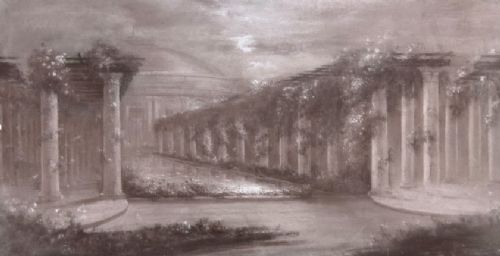
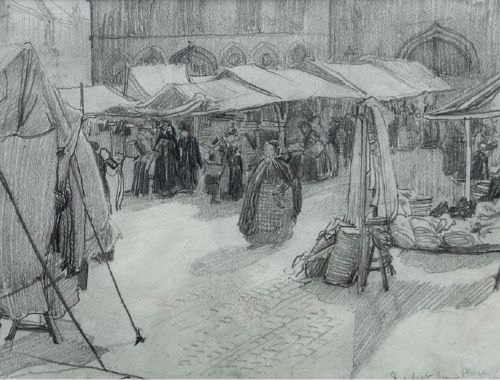
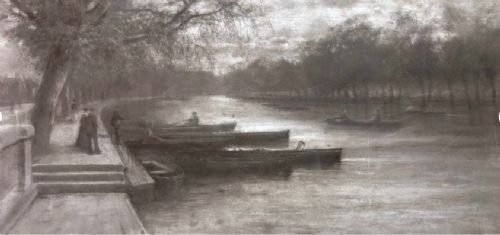
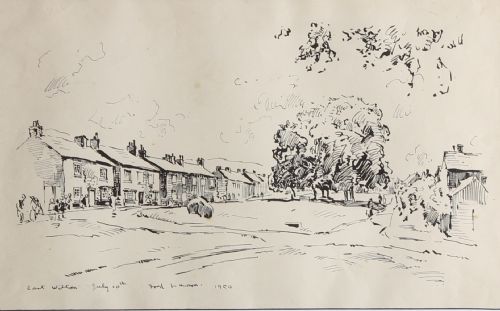
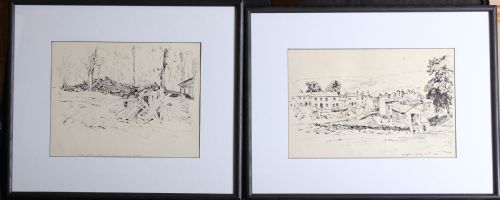
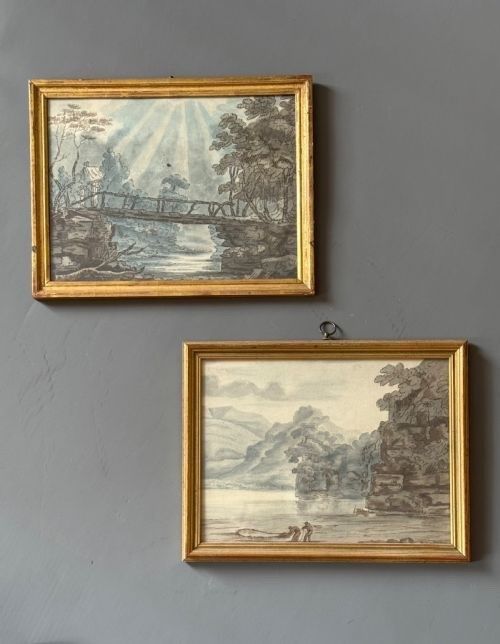
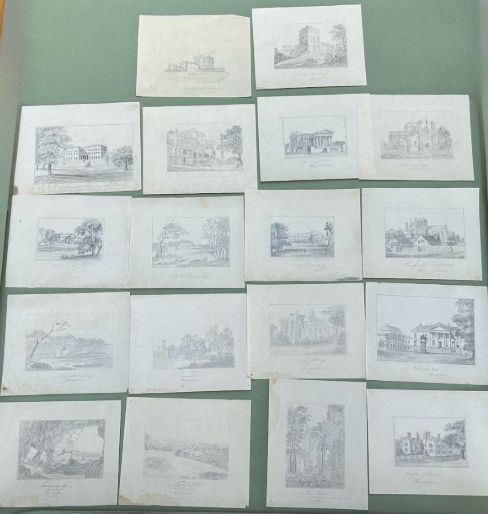
A monochrome landscape sketch presents natural and architectural views using a single chromatic hue, typically executed on paper or card. When you examine a monochrome landscape sketch on this page, you encounter original works spanning from the eighteenth century to the mid-twentieth century. The selection includes delicate pencil studies, robust charcoal compositions, and detailed pen and ink drawings framed behind glass.
These works range from intimate topographical studies of British towns and lakes to broader continental views. Makers utilise graphite, charcoal, and ink to build depth without the distraction of colour. The surviving pieces reveal how artists recorded light and topography across different eras, from Georgian watercolours to mid-century modern British interpretations.
How they were made
Artists create a monochrome landscape sketch directly on paper utilising dry media such as graphite, pencil, and charcoal, or liquid media like ink and wash. Charcoal allows for deep, dramatic tonal contrasts, particularly in Victorian seascapes and moody evening studies. Pencil and fine pen work suit precise architectural drawings and rural landscape studies.
Support materials typically consist of various grades of paper, occasionally attached to canvas stretchers or presented within wooden and gilt frames. Watercolour washes frequently accompany ink and pencil lines to add atmospheric depth and shadow to the composition.
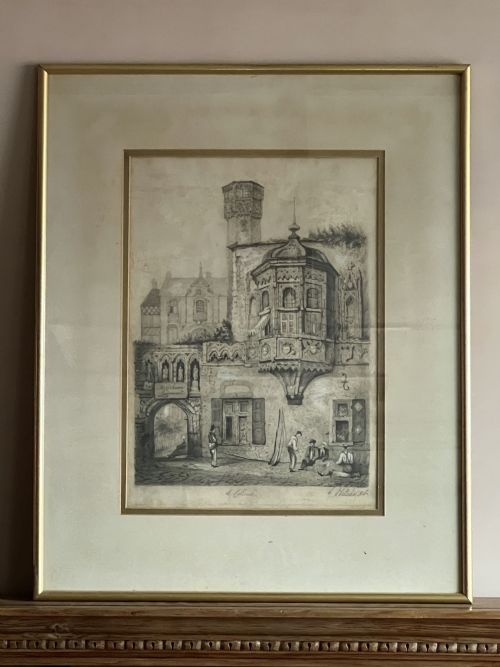
Several artists recorded distant European travels in ink and pencil, capturing the architecture of Bruges and Coblentz before the invention of portable photography.
What varies in quality
The distinction between ordinary and exceptional works rests on the surety of the draughtsmanship and the control of tone. A superior sketch demonstrates confident line work and an understanding of light that defines form economically. Lesser examples rely on tentative strokes or heavy-handed shading that obscures the natural texture of the paper.
Condition and preservation also influence the standing of a piece, particularly regarding foxing, paper discolouration, and the integrity of the original backing. Works attributed to known hands or carrying historical exhibition stamps hold greater documentary interest than unsigned amateur efforts.
Fred Lawson·Henry Percy Huggill·Sir Francis Leggatt Chantrey·Henri Joseph Harpignies·Thomas Lound
The Monochrome Landscape Sketch Glossary
- Monochrome
- A work executed in a single colour or shades of a single colour. This term applies to drawings rendered solely in black, grey, or brown ink, pencil, and charcoal.
- Wash
- A thin, transparent layer of diluted ink or watercolour applied with a brush. Artists utilise this technique to create smooth tonal gradients and shadow in landscape studies.
- Graphite
- A form of carbon used to create pencil marks on paper. It provides varying degrees of hardness and softness for fine lines and broad shading.
- Topographical
- Representing specific real-world locations and buildings with factual accuracy. Many early nineteenth-century sketches serve this documentary function.
Monochrome Landscape Sketch: Frequently Asked Questions
What is a monochrome landscape sketch?
A monochrome landscape sketch is an original artwork depicting scenery using only one colour medium, such as pencil, ink, or charcoal on paper. These pieces focus purely on line, tone, and shadow rather than a full palette of colours.
They range from rapid field studies made by artists on location to finished cabinet drawings intended for display in homes.
How should I frame an antique drawing?
Antique drawings on paper require conservation-grade mounting to prevent chemical damage over time. Acid-free boards and UV-filtering glass protect the delicate paper and fugitive ink or charcoal from fading.
Traditional wooden or gilt frames often complement the period of the artwork while keeping the paper safely separated from the glass surface.
How do I date a charcoal sketch?
Dating relies on examining the paper watermark, the framing style, and the characteristic technique of the period. Georgian and Victorian papers possess different textures and weights compared to twentieth-century alternatives.
Signatures, dealer labels on the reverse, and stylistic similarities to known dated works by specific artists also provide reliable chronological markers.
Where were these drawings displayed?
Historically, collectors kept small pencil and ink sketches inside portable portfolios or bound sketchbooks for private study. Larger finished drawings were framed in wood or gilt moulding to hang in domestic parlours and libraries.
Today, collectors typically display them on walls away from direct sunlight to preserve the integrity of the ink and paper.