
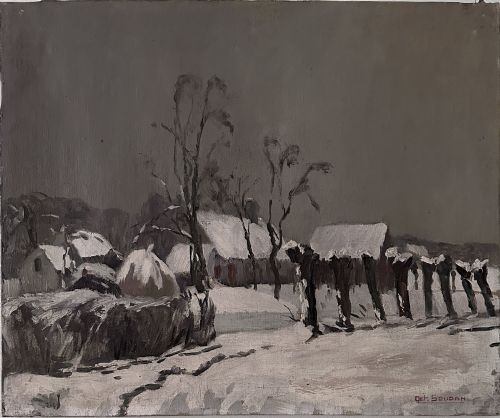


Monochrome Landscape Artwork
Monochrome landscape artwork brings tone and shadow to the fore, offering quiet views of rivers, streets, and fields drawn in pencil, ink, or charcoal.
Monochrome Landscape Artwork
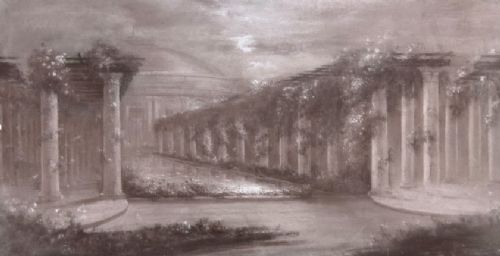
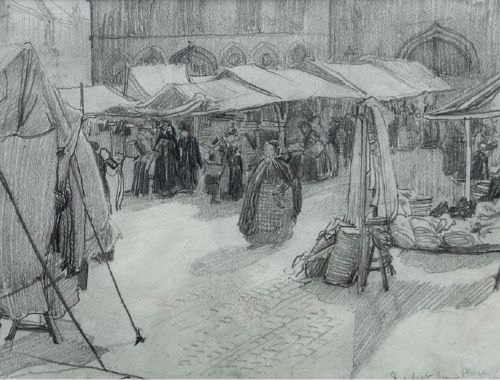
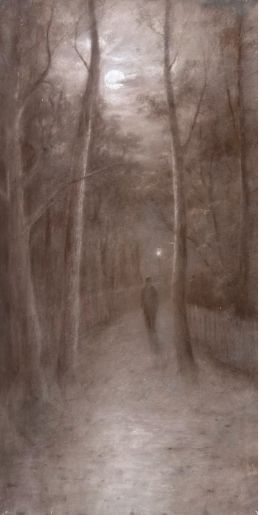
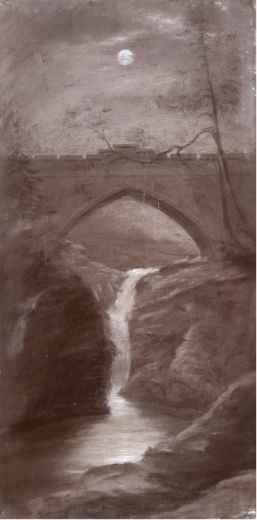
Monochrome landscape artwork strips away colour to focus purely on light, shadow, and line. You will encounter original drawings, charcoal paintings on canvas, and early etchings spanning the eighteenth century through to the mid-twentieth century.
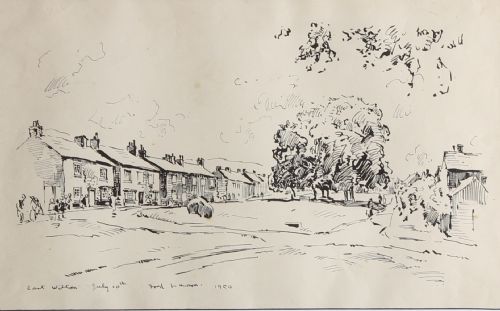
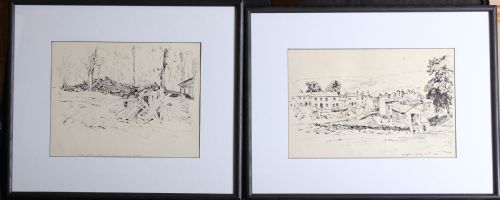
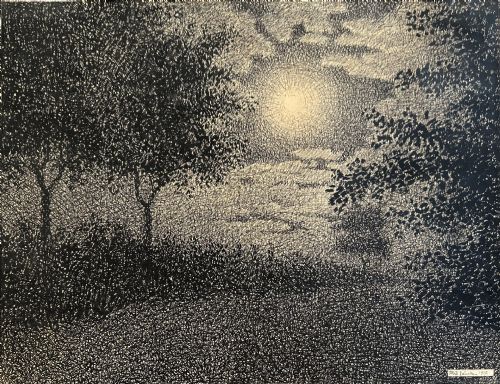
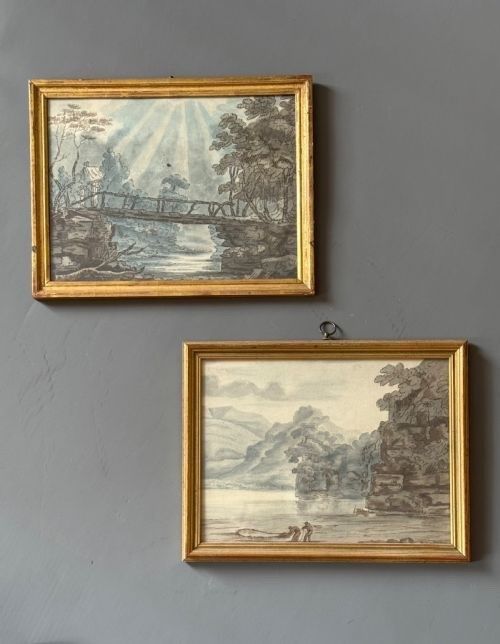
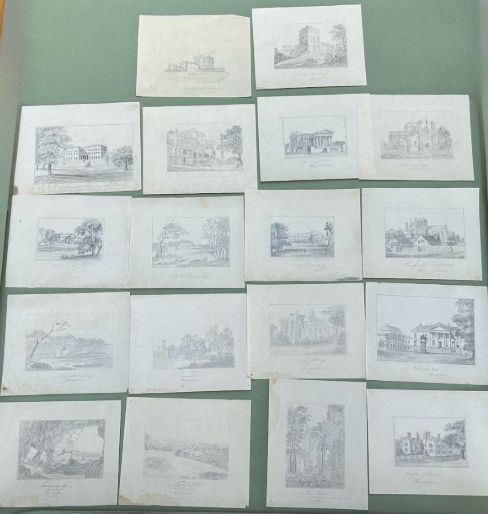
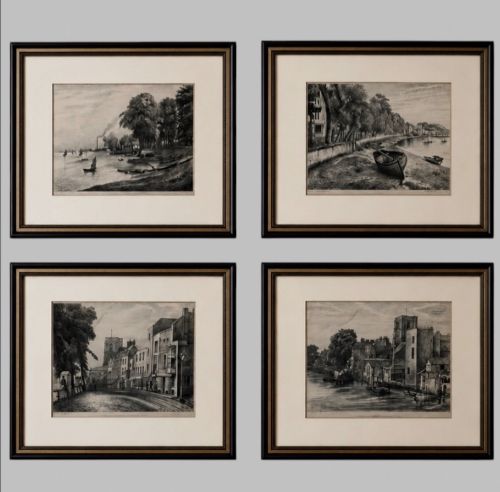
The pieces on this page lean heavily into British topographical scenes, moonlight views, and rustic architecture. Works range from hurried pencil sketches to finished watercolours and ink drawings executed by named artists and anonymous hands alike.
Materials and Techniques
Artists utilise paper, card, and stretched canvas as a base for their monochrome visions. Graphite, charcoal, and black or sepia ink provide the primary marks, sometimes augmented with wash or watercolour for atmospheric depth.
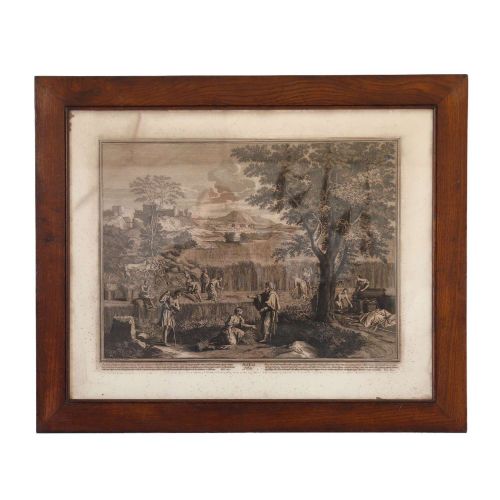
Printmakers employ etching, lithography, and engraving techniques to multiply tone and texture. These methods rely on precise line work and inked plates or stones pressed onto quality paper.
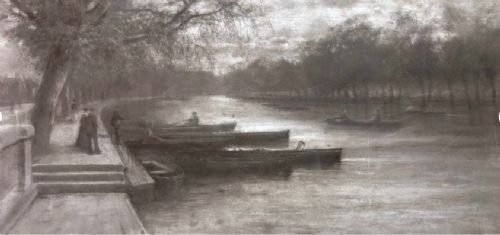
One charcoal sketch captures a quiet moment by the water in Boscombe, whispering of Victorian seaside strolls.
Distinguishing Quality
The strength of a piece lies in the confidence of the draughtsmanship and the management of tonal contrast. Stronger works command attention through deft handling of light and shade rather than mere detail.
Condition of the paper and integrity of the medium also dictate standing. Foxing, fading, or heavy damp stains detract from the visual power, whereas crisp lines and well-preserved paper elevate a piece.
Henry Percy Huggill·Fred Lawson·Herbert Dicksee·William Manners·Stanley Orchart·Edward Dayes·Samuel Palmer·Sir Francis Leggatt Chantrey·Sir Muirhead Bone·Norman Janes
The Monochrome Landscape Artwork Glossary
- Etching
- A printmaking process where lines are bitten into a metal plate with acid before being inked and pressed onto paper. This technique allows for fine, expressive detail.
- Wash
- A diluted layer of ink or watercolour applied smoothly across paper to create shadow or sky effects. It provides soft tonal transitions behind sharper drawn lines.
- Lithography
- A planographic printing method based on the repulsion of oil and water on a limestone slab or metal plate. It captures the painterly qualities of original chalk or pencil sketches.
- Tonalism
- An artistic style focusing on shadow, atmosphere, and a subdued palette rather than sharp topographical exactness. Works in this vein rely heavily on mood and light.
- Foxing
- Brown age spots that appear on old paper due to chemical reactions over time. While common in antique works, heavy foxing can obscure the delicate lines of a drawing.
Monochrome Landscape Artwork: Frequently Asked Questions
What is a monochrome landscape?
A monochrome landscape is a work of art created in a single colour or shades of grey, black, and brown. These pieces focus entirely on tone, light, and shadow to depict natural scenery.
Artists use media such as charcoal, ink, graphite, or etching to build depth without relying on a full spectrum of colour.
How should I frame an antique drawing?
Antique drawings on paper need careful framing to ensure their long-term preservation. Utilise acid-free mount board and UV-filtering glass to protect fragile paper and ink from light damage.
Keep the paper separated from the glass using a mount so the delicate charcoal or pencil marks do not adhere to the surface over time.
How do I date an old pencil sketch?
Dating a sketch often relies on the type and watermark of the paper, the framing, and any inscriptions on the reverse. Stylistic clues within the landscape, such as architecture or clothing, also offer historical context.
Signatures or dealer labels attached to the backing board provide further pointers to the exact period of execution.
Are etchings considered original works?
Original etchings are hand-printed works where the artist created the image on the metal plate themselves. While multiple impressions exist, each print is an original piece of fine art rather than a modern reproduction.
Examine the paper for plate marks, which are the indentations left by the edges of the metal plate during the printing press run.