


Modernist Canvas Art
When you search for modernist canvas art, you encounter expressive painted works spanning the early decades of the twentieth century through the mid-century period.
Modernist Canvas Art
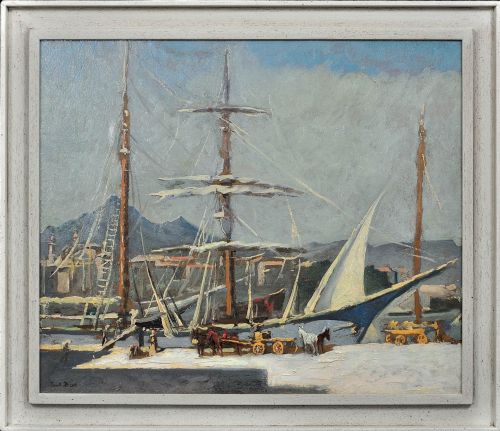
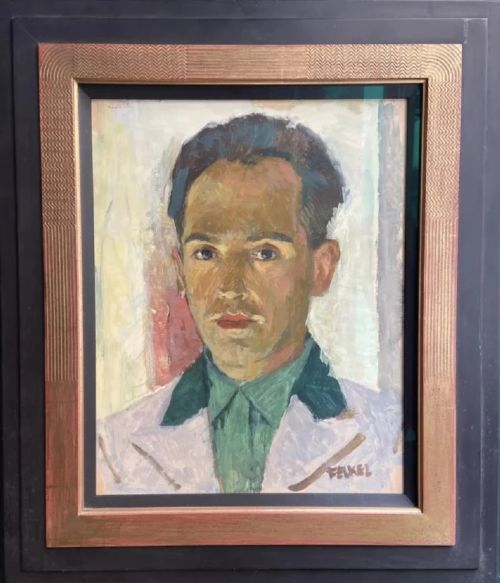
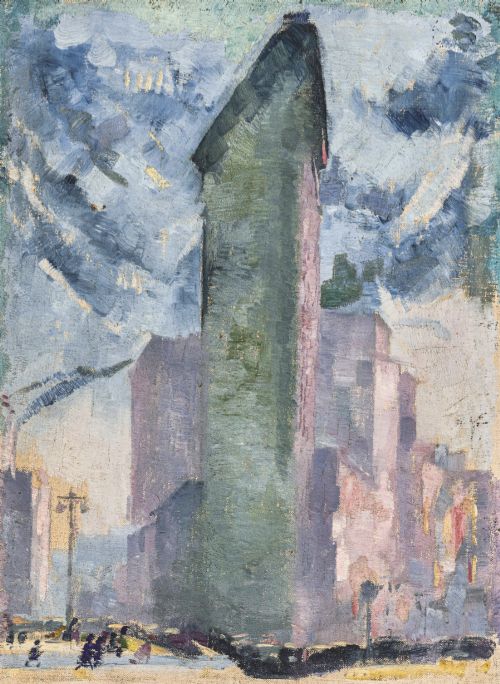
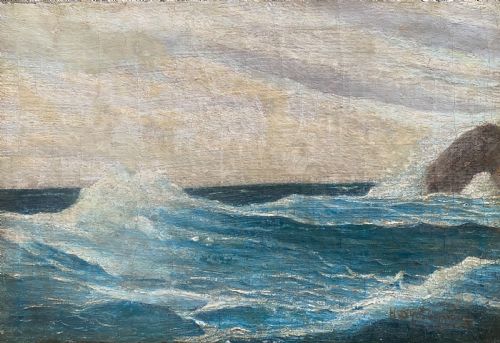
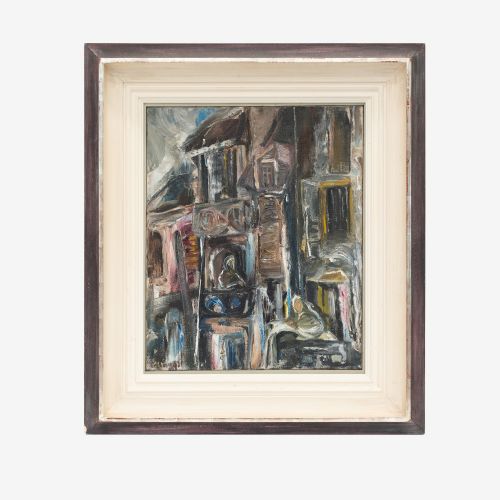
When searching for modernist canvas art, buyers encounter painted works spanning from the Edwardian era through the 1960s, encompassing diverse regional schools and independent visions. The pieces encompass oils, encaustic, and acrylic on stretched canvas or board, capturing everything from urban street scenes and coastal harbours to intimate domestic interiors and abstracted landscapes.
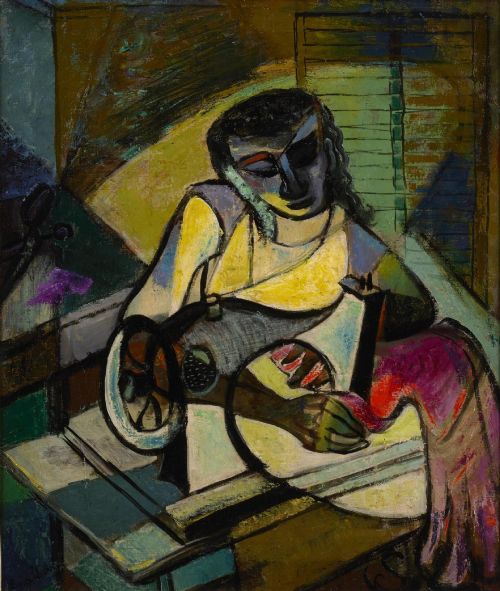
The selections on this page lean heavily towards mid-century abstracts, French modernist compositions, and figurative studies. Many examples originate from European workshops and artist colonies, reflecting the shift away from strict academic realism toward expressive colour and form.
Buyers frequently discover pieces categorized under broader styles like Expressionism, Art Deco, and the St Ives School. Whether looking at a cubist still life or a stark industrial cityscape, the works record the evolving visual language of twentieth-century painters.
How they were made
Painters applied oil, encaustic, or acrylic mediums onto woven fabric supports, most commonly stretched canvas or occasionally rigid board. The physical preparation of the ground directly supported the varied brushwork, knife application, and fluid washes characteristic of these movements.
Many works retain their original wood framing, which complements the painted surface and protects the edges of the canvas. The integration of paint, support, and frame demonstrates standard studio practices across the decades from 1900 to the 1960s.
Among the canvas works, a cheeky snail and a moody flapper in a negligee rub shoulders with stern industrial docks.
What varies in quality
The strength of composition and the confidence of the brushwork separate compelling pieces from routine studio output. Works that demonstrate a sure handling of colour theory and deliberate spatial abstraction hold the eye longer than timidly rendered academic exercises.
Provenance and documentation elevate certain paintings, particularly when a piece can be attributed to a recognised figure within a specific regional movement like the St Ives School or French modernist circles. The physical preservation of the original paint layer and the integrity of the canvas support also influence the standing of an individual work.
Paul Bret·Carl Felkel·Alfred Wolmark·Lena Gurr·Dubovsky·Lilian Colbourn·Raymond Moritz·Denis Mitchell·Gabriel Dauchot·William McCance·Peter Jackson·Pinchus Krémègne·Yo Mayer·Antonio Ferri·Andre Delfau·Rowland Fade·Kenneth B Malpass·Lamotte·Lillian M Harrison·Meninsky·Philipp Martin·Frederic Arthur Jessup
The Modernist Canvas Art Glossary
- Canvas
- A heavy woven fabric used as a surface for painting, typically stretched taut across a wooden frame before application.
- Oil Paint
- A slow-drying paint made by combining pigment particles with a drying oil such as linseed, allowing for rich blending and textured impasto.
- Cubism
- An early twentieth-century style of art where subjects are broken up and reassembled in an abstracted form, showing multiple viewpoints simultaneously.
- Encaustic
- A painting technique involving heated beeswax mixed with coloured pigments, applied to a prepared surface and then fused together.
- Impasto
- The process of laying paint on a canvas in very thick layers that stand out visibly from the surface.
Modernist Canvas Art: Frequently Asked Questions
What is modernist canvas art?
It encompasses paintings created during the twentieth century that break away from traditional academic representation in favour of experimental colour, form, and abstraction.
The works include oils, acrylics, and encaustics on fabric supports, created by artists working within European and British modernist movements.
How do I date a piece?
Dating relies on stylistic clues, artist signatures, framing materials, and documentation recorded from the period of creation.
Mid-century works often feature bolder abstract geometries, whereas pieces from the 1920s and 1930s frequently display influences of cubism, fauvism, or early avant-garde experimentation.
How were these paintings displayed?
These works were typically mounted in fitted wood frames designed to complement the palette and scale of the canvas.
Original framing helps preserve the edges of the fabric and provides historical context regarding how the artist or contemporary galleries intended the piece to be viewed.
How do I care for an oil painting?
Maintenance involves keeping the canvas away from direct sunlight, excessive moisture, and rapid temperature fluctuations that could warp the wood support.
Dusting should be done gently with a soft, dry brush, avoiding any liquid cleaners or abrasive materials on the painted surface.