


British Abstract Painting
British abstract painting brings home mid-century energy through bold canvas compositions and textured boards.
British Abstract Painting
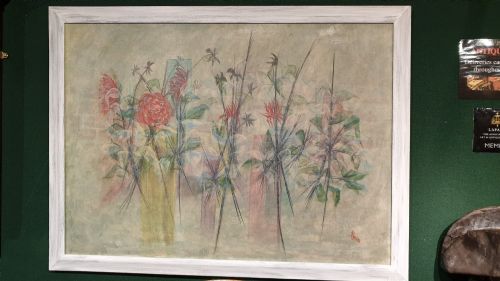
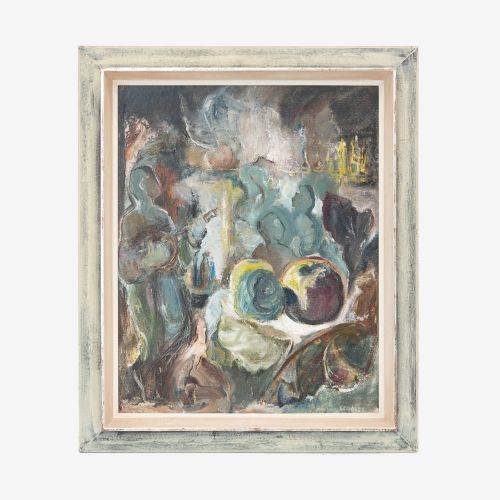
When you search for british abstract painting, you encounter mid-century works spanning from the nineteen twenties through to the nineteen sixties. The selection includes oil paintings, watercolours, gouache on paper, and relief paintings, reflecting various modernist movements.
Most pieces date from the nineteen fifties and nineteen sixties, aligning with mid-century modernism, abstract expressionism, and the St Ives school. Forms range from domestic still lifes and nudes to pure geometric abstractions and coastal scenes.
The objects present diverse supports including stretched canvas, wooden board, paper, and glass, often presented within period frames. These artworks capture a dynamic period of artistic exploration across British studios and coastal colonies.
What varies in quality
Quality rests in the handling of the medium and the strength of the composition, whether working in geometric cubism or expressive abstraction. Works associated with known regional groups or documented makers demonstrate distinct technical control.
The integration of the support material with the paint surface defines the visual impact of each piece. Stronger examples display deliberate brushwork and confident placement of form across canvas or board.
Vows are spoken only to be broken according to one Cornish canvas.
Mark Ingram·Lilian Colbourn·Tony Giles·Denis Mitchell·Edward Carter Preston·William McCance·Adrian Heath·William Ernst Burwell
The British Abstract Painting Glossary
- St Ives School
- A group of artists based in Cornwall associated with modernist abstraction and landscape painting. This community developed influential approaches to British modernism.
- Impasto
- Paint applied thickly to a canvas or board, standing out from the surface in relief. This technique creates physical texture within the artwork.
- Gouache
- An opaque watercolour paint that dries to a matte finish, frequently used on paper supports. It allows for solid blocks of vibrant colour.
- Relief painting
- An artwork combining painting with three-dimensional sculptural elements attached to the base. This method breaks traditional flat picture boundaries.
British Abstract Painting: Frequently Asked Questions
How do I date a British abstract painting?
Dates are determined by stylistic markers of mid-century modernism, materials such as board or canvas, and artist signatures or exhibition records. Many pieces carry specific decade attributions from the nineteen twenties to the nineteen sixties.
Examining the reverse of the canvas or board often reveals gallery labels, framing details, or handwritten inscriptions that help narrow down the period of creation.
What is the St Ives school?
The St Ives school refers to artists who lived and worked in the Cornish coastal town, becoming a vital centre for British abstract art from the nineteen forties onward. Painters and sculptors there engaged with international modernism while responding to the local landscape.
Works from this circle often reflect coastal light, harbour geometries, and organic forms translated into expressive abstraction.
How should I hang a canvas painting?
Canvas paintings require secure wall fixings suited to the weight of the wooden stretcher frame and any outer decorative moulding. Ensure the placement avoids direct sunlight and damp conditions to protect the oil paint and canvas.
Professional D-rings and braided picture wire attached firmly to the frame back distribute the weight evenly against the wall.
What is the difference between oil and gouache?
Oil paint uses a slow-drying medium that allows for rich blending, thick impasto, and deep luminosity over canvas or board. Gouache is a water-based medium that dries quickly to a matte, opaque surface on paper.
Oils typically require protective framing without direct glass contact, whereas works on paper executed in gouache benefit from glazing to prevent environmental damage.