

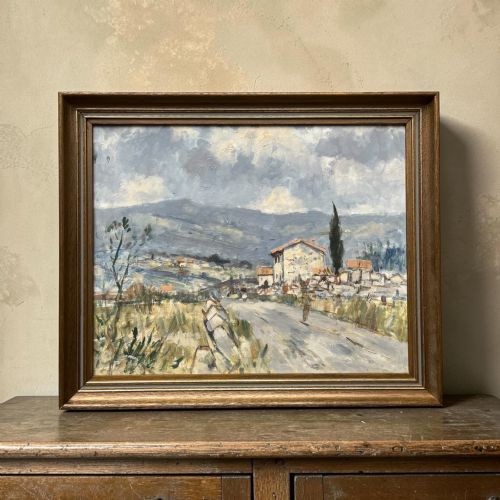
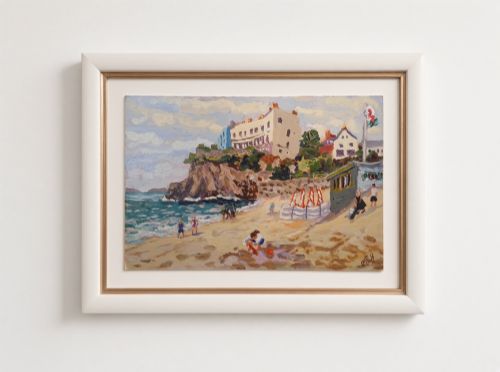
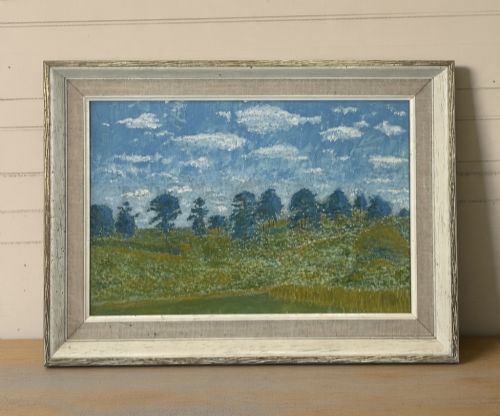
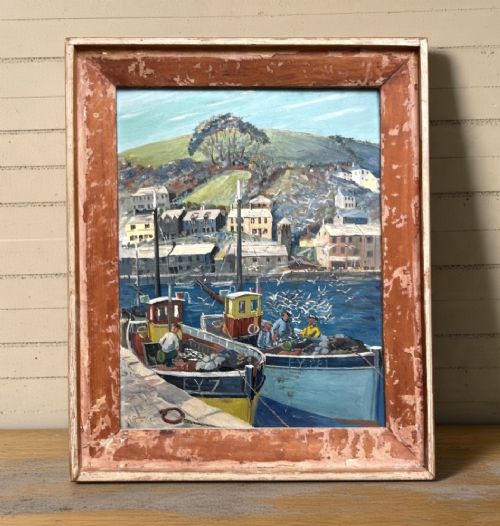
Modern British Oil Artwork
Modern british oil artwork brings mid-century texture and domestic landscape straight to the wall.
Modern British Oil Artwork
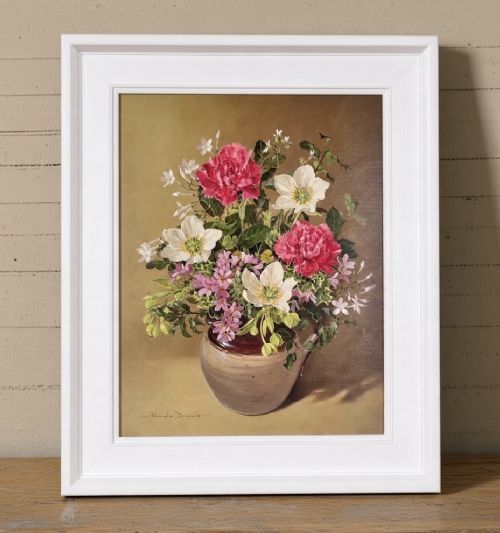
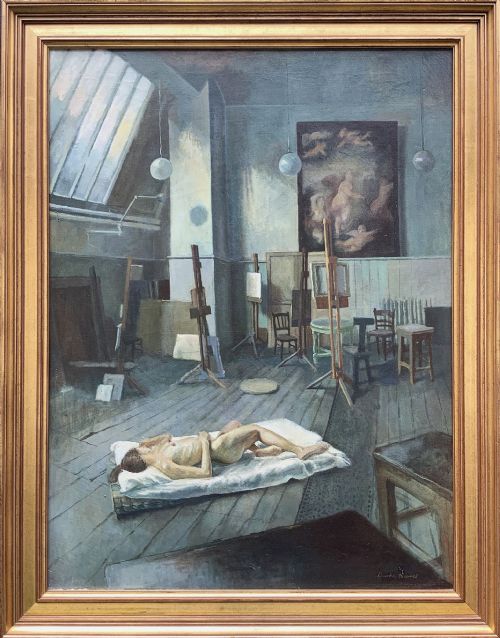
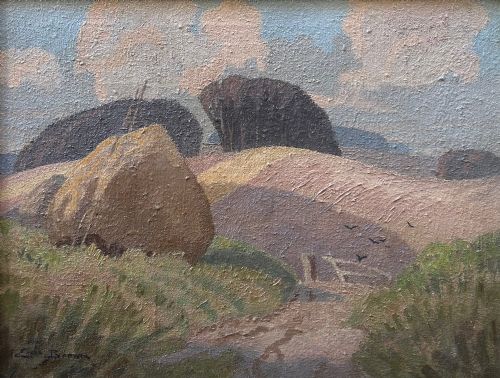
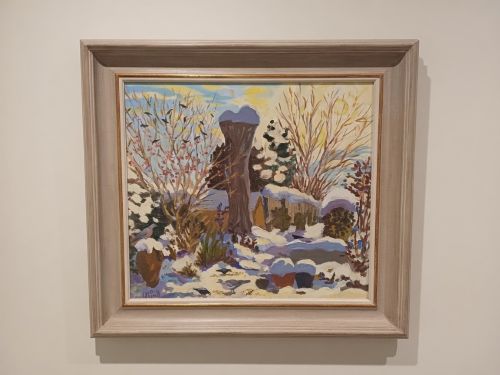
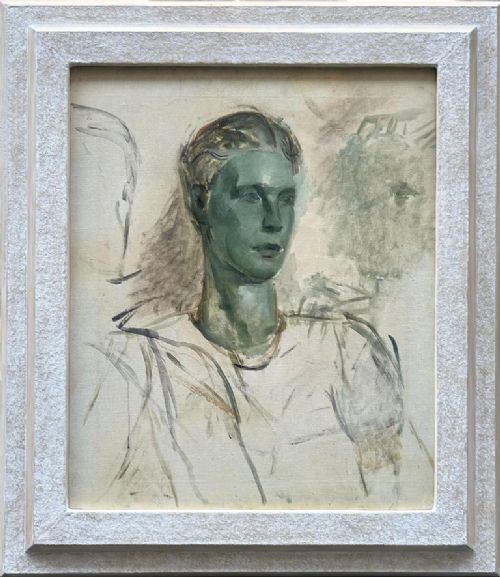
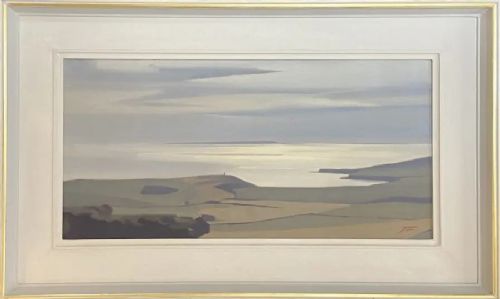
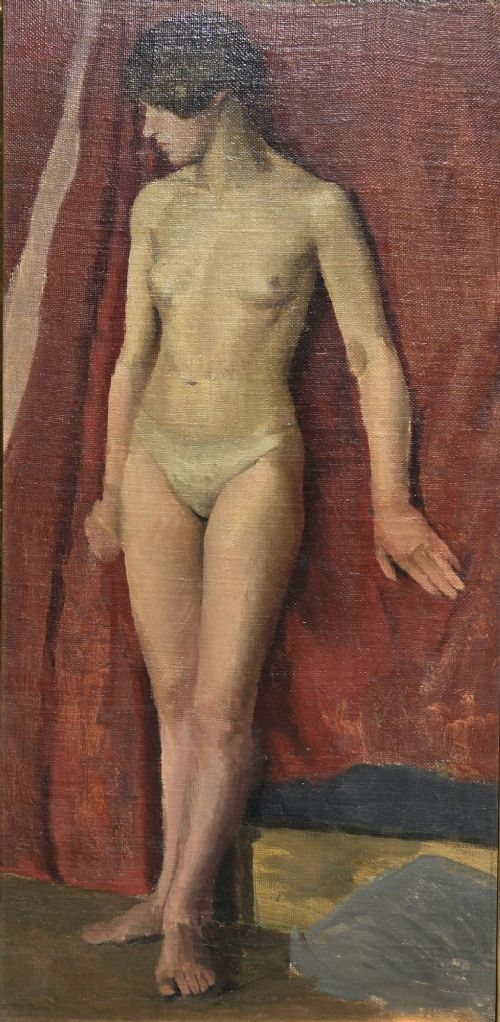
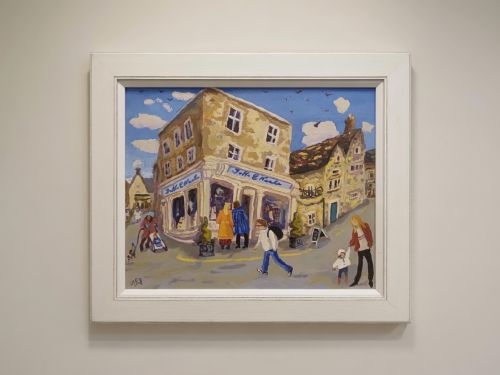
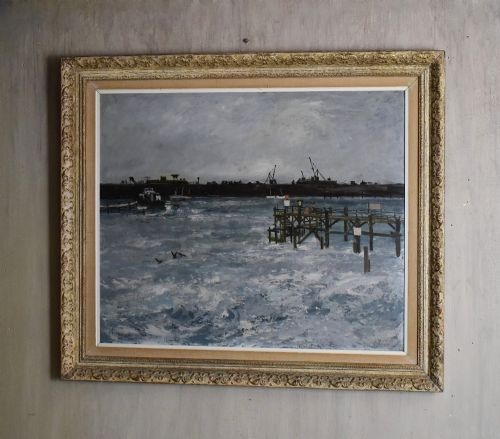
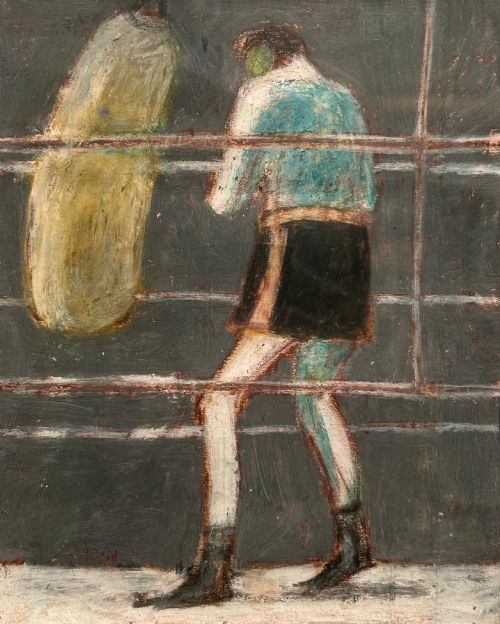
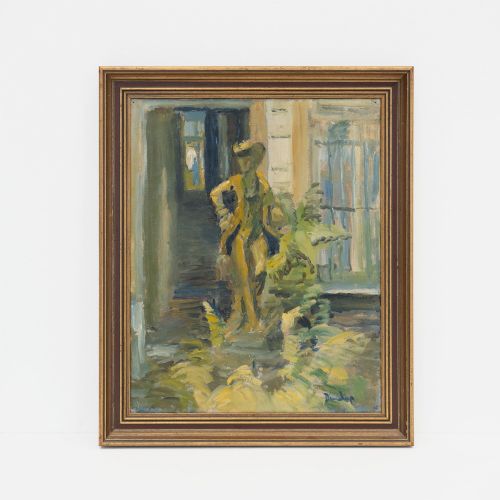
When you search for modern british oil artwork, you encounter original paintings rooted in twentieth-century artistic movements across England, Wales and Scotland. These works span landscapes, coastal scenes, portraits, and still life compositions created across several decades.
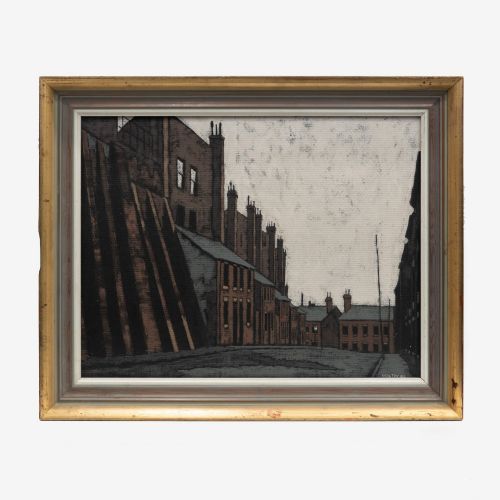
The selections on this page concentrate heavily on mid-century aesthetics, particularly pieces originating from the 1920s through to the 1960s and beyond. You meet regional groups like the St Ives School alongside urban industrial scenes and expressive impressionist studies.
Subjects range from quiet Welsh estuaries and Cornish harbours to intimate domestic interiors and figure studies. Each canvas or board captures a distinct regional character shaped by British twentieth-century modernism.
Materials and technique
Artists working within this tradition relied primarily on oil paint applied to stretched canvas, wooden panels, or rigid board supports. These varied substrates dictated the weight of the brushwork, allowing for both fluid impasto applications and smooth tonal gradations.
Many works retain their original timber frames, which complement the surface textures of the paint layers. The combination of oil pigment and durable backing materials has ensured these twentieth-century surfaces endure with their colour relationships intact.
Modern British Oil Artwork Retail Price Guide 2026
Typical asking prices for modern british oil artwork among the pieces listed under this phrase on Sellingantiques today, from the lower quarter to the upper quarter. They describe what is for sale here now, not the wider market.
The listings span decades from the 1920s through to the 1960s, documenting shifting approaches to landscape and portraiture.
Separating the ordinary from the exceptional
The distinction between standard decorative pieces and superior works lies in the confidence of the brushwork and the clarity of the composition. Stronger examples demonstrate a distinct personal vision rather than a mere adherence to period formulae.
Provenance and exhibition history elevate specific works, particularly those linked directly to established regional schools or named practitioners. The handling of light and pigment intensity ultimately determines the visual impact of each painting.
Martin Walton·Lucy Pratt·Pamela Davis·Bob Quixley·Evelyn Harris·Deidre Daines·Peter Brannan·James Fry·Eric Brown·Samuel Rabin·Winifred Rymer·Donald McIntyre·Stuart Walton·Ronald Ossory Dunlop·Joan Gillchrest·Tony Giles·Denis Mitchell·Helen Layfield Bradley·Hazel M Barnett·Septimus Scott·Philip Naviasky·Sir Matthew Smith·Leon Kossoff·Jeffrey Pratt·Edward Seago
The Modern British Oil Artwork Glossary
- Impasto
- Paint applied thickly to a canvas or board, standing out in relief from the surface so that the marks of the brush or palette knife remain visible. This technique adds tactile dimension to mid-century landscapes.
- Oil on board
- A painting execution where pigment is applied directly to a wooden or composite board rather than woven fabric. It offers a rigid support favoured by many twentieth-century artists.
- St Ives School
- An association of artists living and working in Cornwall, centred around the coastal town, known for developing significant strands of British abstract and landscape modernism.
- Post-Impressionist
- A stylistic approach following impressionism that focuses on symbolic content, formal order, and expressive use of colour rather than pure visual recording.
Modern British Oil Artwork: Frequently Asked Questions
What defines a modern british oil painting?
These works are original paintings created in Britain during the twentieth century, reflecting movements from impressionism to northern realism.
They utilise oil on canvas or board to capture landscapes, figures, and still life subjects with distinct mid-century character.
How should I care for an oil on board painting?
Keep the artwork away from direct sunlight and dramatic shifts in household temperature or humidity to protect the wooden support and pigment layers.
Avoid using liquid cleaners on the painted surface and consult a professional restorer if dust accumulation requires attention.
How do I identify a st ives school painting?
Look for coastal subject matter, particularly Cornish harbours, cliffs, and maritime scenes associated with artists based around west Cornwall.
The brushwork often reflects a direct engagement with local light and topography developed by mid-century regional painters.
Are these paintings supplied with frames?
Many listings include period wooden frames that complement the era in which the artwork was created.
Framing styles range from simple painted mouldings to more substantial timber surrounds chosen by the artist or subsequent owners.