





Impressionist Mountain Landscape Art
Impressionist mountain landscape art captures the rugged drama of peaks and valleys through loose brushwork and atmospheric light.
Impressionist Mountain Landscape Art
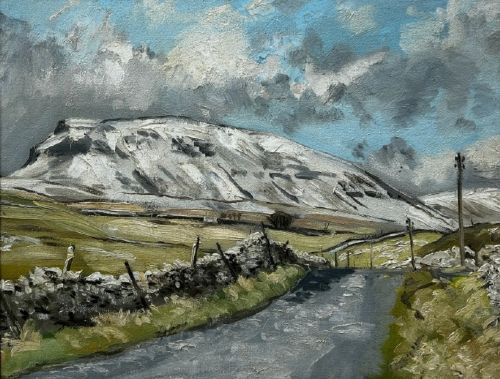
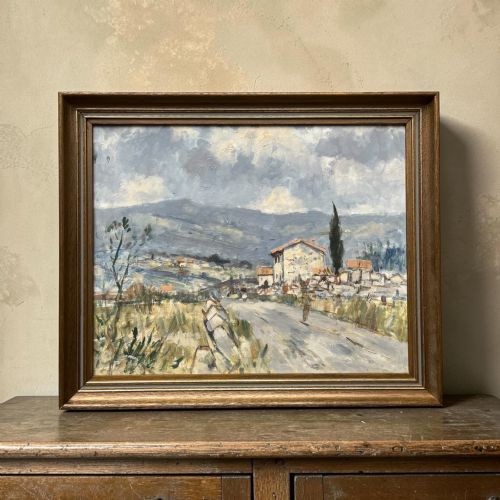
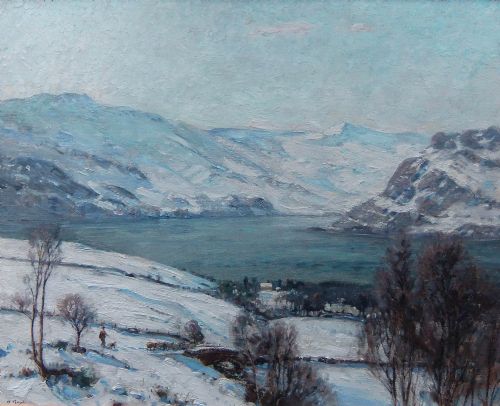
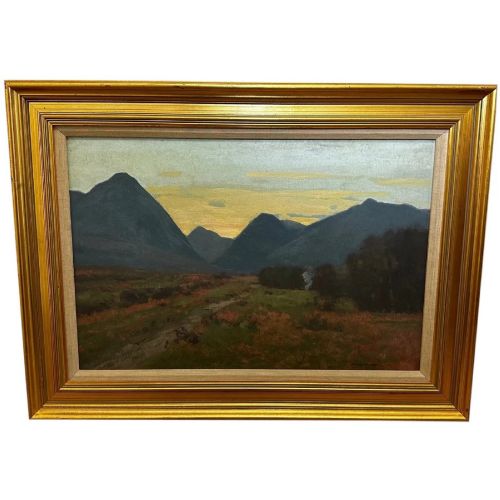
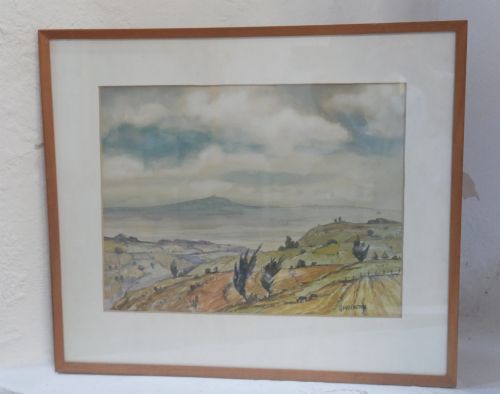
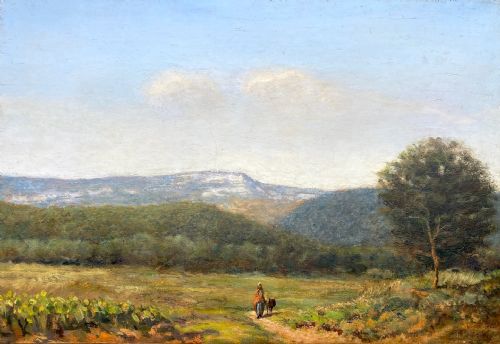
Impressionist mountain landscape art brings the outdoors inside through painted studies of peaks, hills, and coastal highlands. The works span from the late nineteenth century through the mid twentieth century, capturing varied terrains from Yorkshire and the Scottish Highlands to Provence and Kenya.
Most examples found here utilise oil paint on canvas or wood panels, alongside watercolours on paper. Artists record specific locations such as Pen-y-Ghent, Loch Long, and the Alpilles, anchoring atmospheric scenes in actual topography.
Framed oils dominate the selection, offering robust presentation for landscapes that range from intimate watercolours to large gallery pieces. The aesthetic prioritises light and brush texture over rigid botanical or geological accuracy.
Materials and construction
Painters applied oil paint and watercolour onto stretched canvas, wood panels, or heavy paper supports. These traditional grounds allowed artists to build rich textures and transparent washes alike.
Gilt frames frequently complement the works, providing a finished boundary that enhances the tonal contrasts within the painted mountain views.
Impressionist Mountain Landscape Art Retail Price Guide 2026
Typical asking prices for impressionist mountain landscape art among the pieces listed under this phrase on Sellingantiques today, from the lower quarter to the upper quarter. They describe what is for sale here now, not the wider market.
Listings feature works spanning from 1870 through the mid twentieth century, executed in oil and watercolour on canvas, wood, and paper.
Distinguishing quality
The strength of a composition lies in how effectively light and shadow define the mountain form. Superior pieces demonstrate confident brushwork that suggests distance and atmosphere without relying on heavy outlines.
Condition of the canvas and stability of the original paint layer influence the visual impact. Works that retain their vibrant pigments and unblemished surfaces offer a clearer window into the artist's initial vision.
Thomas Leslie Kerkham·Martin Walton·Herbert Royle·George Houston·William Grant Murray·William Miller Frazer·Hirst Walker·Kenneth B Malpass·A Michaelis·George Melvin Rennie·John William Gilroy·James Kay·Percy Lancaster
The Impressionist Mountain Landscape Art Glossary
- Oil on canvas
- A technique where oil paint is applied to a woven fabric stretched across a wooden frame. This combination provides a flexible and durable surface favored by landscape painters.
- Impressionism
- An art style characterised by relatively small, thin, yet visible brush strokes and an open composition. It emphasises accurate depiction of light in its changing qualities.
- Watercolour
- A painting method in which the paints are made of pigments suspended in a water-based solution. The medium relies on the white of the paper to create luminous effects.
- Gilt frame
- A wooden picture frame coated with a thin layer of gold leaf or gilt paint. These frames add warmth and a formal edge to landscape paintings.
Impressionist Mountain Landscape Art: Frequently Asked Questions
How do I hang heavy oil paintings?
Ensure your wall fixings are anchored securely into studs or use heavy-duty wall plugs rated for the weight of the framed canvas.
Position the centre of the painting at eye level to achieve a balanced display in your room.
Where should I place these artworks?
Keep paintings away from direct sunlight and damp areas to protect the canvas and oil pigments from fading or moisture damage.
Well-ventilated spaces with stable indoor temperatures help preserve both the wooden frames and the painted surfaces.
How do I clean a framed oil painting?
Dust the frame and surface gently with a soft, dry, lint-free cloth without applying pressure to the canvas.
Avoid using water, chemical cleaners, or damp cloths on the paint layer, as moisture can damage historical pigments.
What defines the mid-century British school?
This classification encompasses artists working in Britain during the middle decades of the twentieth century who embraced modernist and impressionist tendencies.
Their landscapes often merge traditional topography with looser, more expressive brush techniques.