
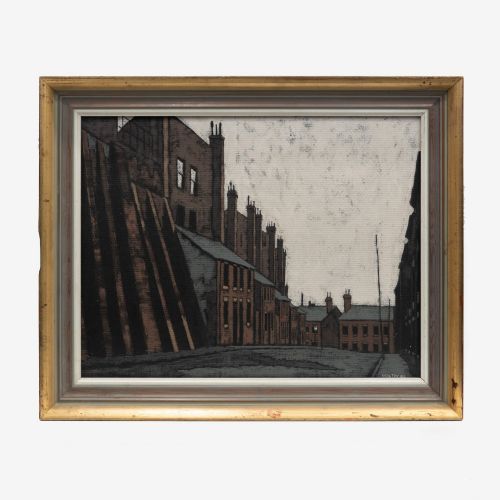
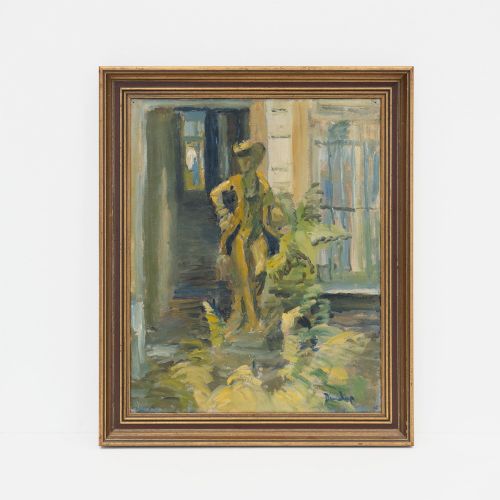


Modern British Landscape Oil
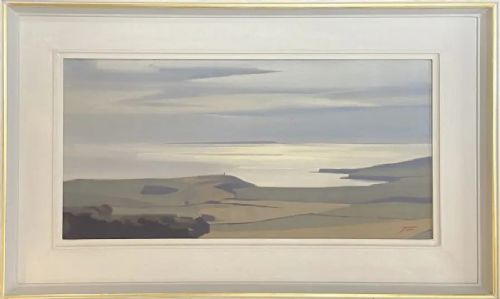
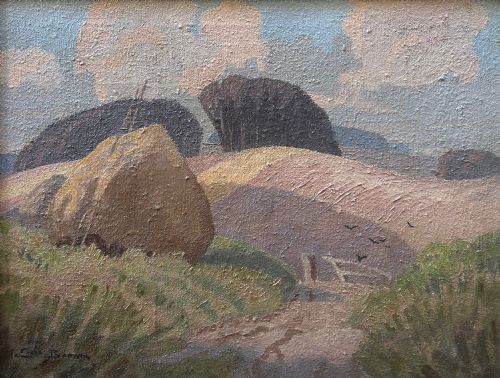
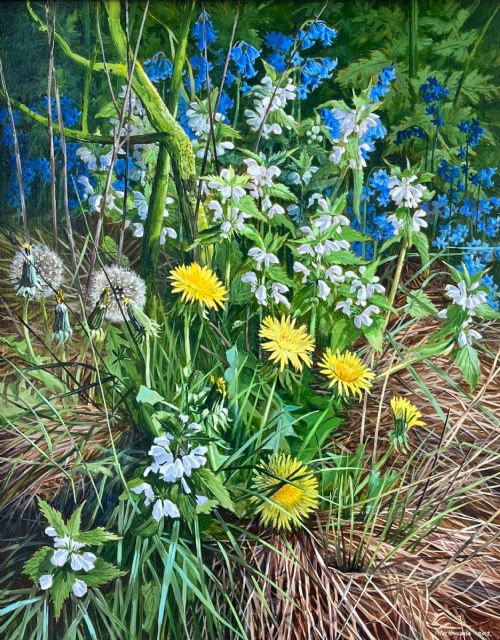
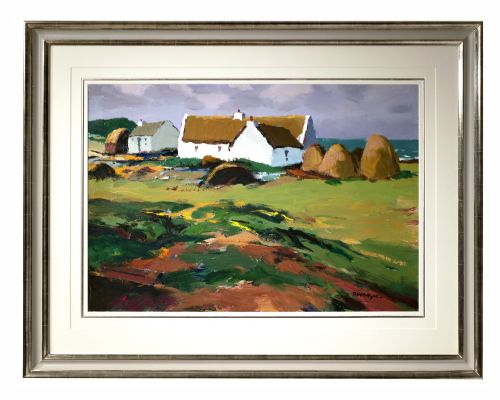
A modern british landscape oil captures the character of the countryside through expressive brushwork and twentieth-century vision.
Modern British Landscape Oil
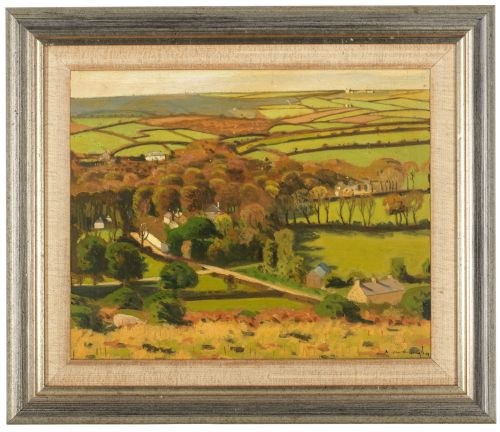
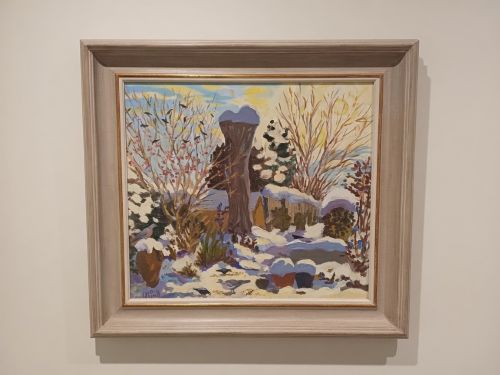
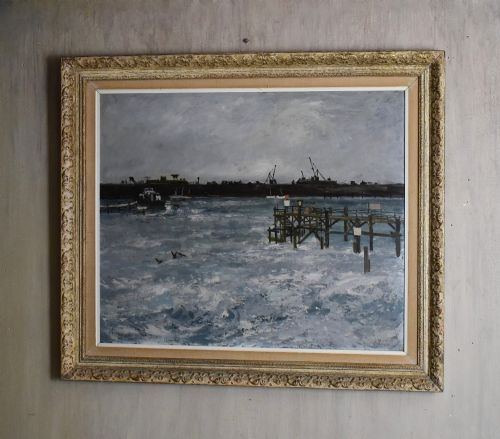
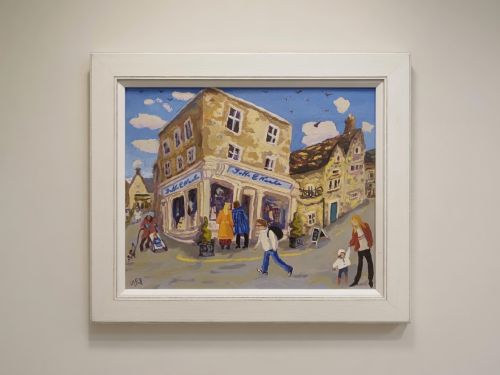
A modern british landscape oil brings together twenty-century artistic movements and rural scenes, capturing countryside views, coastal areas, and industrial valleys. These works represent regional British topography through varied lenses, from realism to constructivism and post-impressionism.
Buyers frequently encounter works executed on canvas or board, often housed in original wood or gilt frames. These paintings span decades from the Edwardian era through the mid-century period and beyond, reflecting shifts in British art over the course of the twentieth century.
The subjects range from Welsh valleys and Cornish coasts to northern farms and southern gardens. Painters recorded these vistas using oil paint, applying pigment with varying degrees of impasto to build texture and atmosphere.
Materials and technique
Artists painted primarily with oil on canvas, board, wood panels, or card, utilising the slow-drying properties of the medium to blend tones and build rich surfaces. This combination of traditional supports and oil pigment allowed painters to achieve both smooth transitions of light and thick, tactile impasto.
Many works incorporate wood frames, sometimes finished with gilt, which complement the composition and protect the edges of the canvas or panel. The physical structure of these pieces relies on sturdy wooden stretchers or rigid boards that endure across the decades.
The selection includes styles ranging from post-impressionist landscapes to industrial constructivist factory scenes.
Qualities that distinguish works
The strength of a composition lies in how decisively the artist handles pigment and structure, separating confident brushwork from hesitant application. Superior pieces demonstrate a clear command of light, tone, and spatial depth within the landscape.
Condition and preservation of the paint surface also set examples apart, with stable pigment layers and minimal intervention preserving the artist's original touch. The harmony between the painting and its framing further contributes to the overall integrity of the piece.
Robert Morson Hughes·Lucy Pratt·Peter Brannan·James Fry·Eric Brown·Peter Newcombe·Donald McIntyre·Stuart Walton·Ronald Ossory Dunlop·Hubert Wellington·Joan Gillchrest·Helen Layfield Bradley·Hazel M Barnett·Jeffrey Pratt·Edward Seago·Ernest Higgins Rigg·Nora Munro Summers·Hermoine Hammond·E Elliot·Peter Greenham·Alastair Flatterly
The Modern British Landscape Oil Glossary
- Impasto
- Paint applied thickly to a canvas or board, standing out in relief from the surface. This technique adds tactile depth and catches light across the painted landscape.
- Constructivism
- An artistic approach emphasising geometric forms and industrial structures. In landscape painting, this translates to simplified, architectonic shapes.
- Post-Impressionism
- A phase following impressionism where artists explored emotional depth and structural form rather than purely optical effects. Painters used expressive colour and bold brushwork.
- Gilt
- A thin layer of gold leaf or gold-coloured pigment applied to frame surfaces. It provides a decorative border that isolates the painting from its surroundings.
Modern British Landscape Oil: Frequently Asked Questions
How do I hang and display an oil painting?
Secure hanging requires appropriate hardware fixed directly into wall studs or using heavy-duty wall anchors suited to the weight of the framed panel or canvas. Ensure the piece hangs away from direct sunlight and steady heat sources to protect the oil pigment.
Allow adequate wall space around the frame so the composition breathes within the room. Proper lighting from an adjustable picture light enhances the texture of the paint surface.
How can I tell the period of a landscape?
Stylistic clues such as brushwork, colour palette, and subject matter often point toward a specific decade, ranging from Edwardian realism to mid-century modernism. Constructivist influences or industrial themes frequently signal post-war production.
Signatures, framing styles, and secondary inscriptions on the reverse of the board or canvas provide further chronological context for dating the work.
What is the difference between canvas and board supports?
Canvas offers a flexible surface stretched over a wooden frame, yielding slightly to the touch and often showing the underlying textile weave through thin paint layers. Board and wood panels provide a completely rigid foundation that does not flex.
Painters who favoured brisk, textured brushwork often selected board, while canvas suited larger compositions requiring a resilient, responsive surface.