
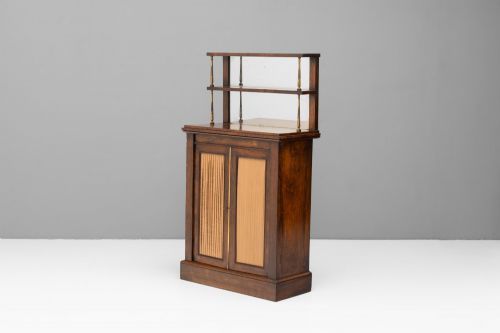
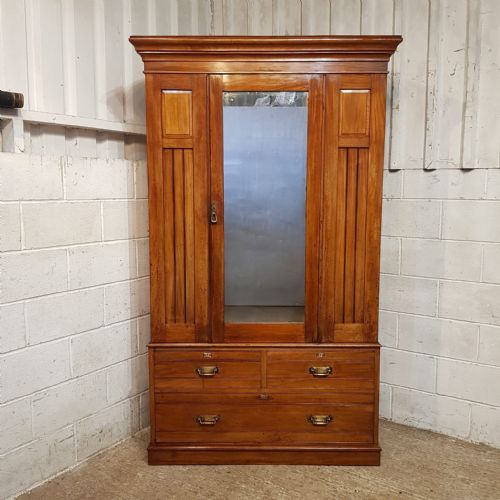
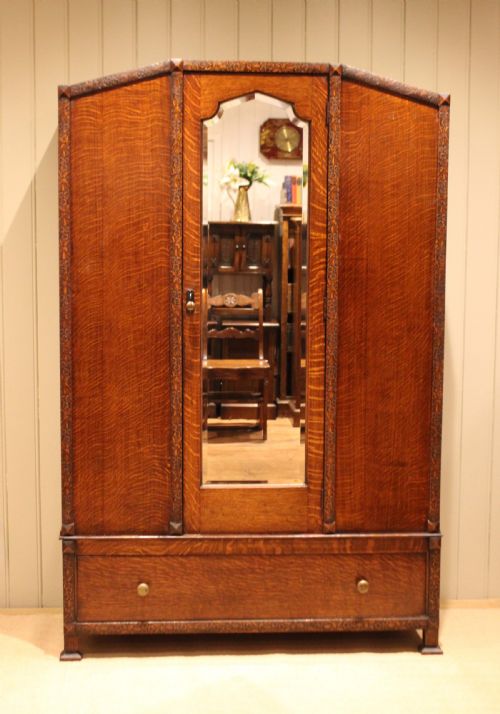
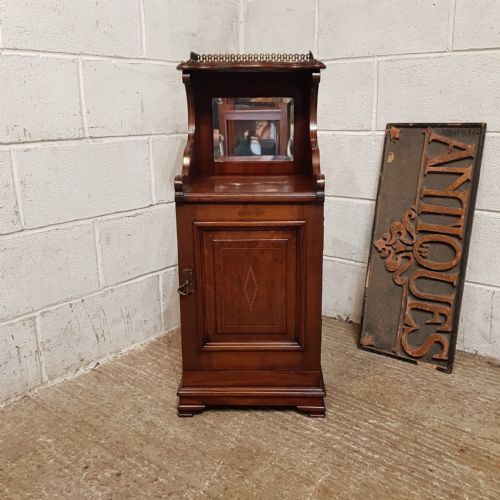
Mirrored Door Cupboard
A mirrored door cupboard brings depth to a room while concealing everyday storage behind glass.
Mirrored Door Cupboard
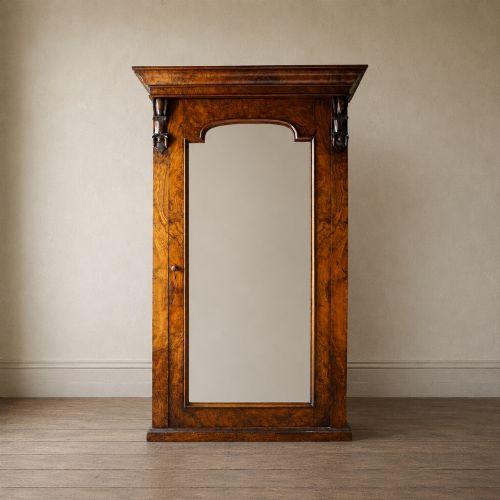
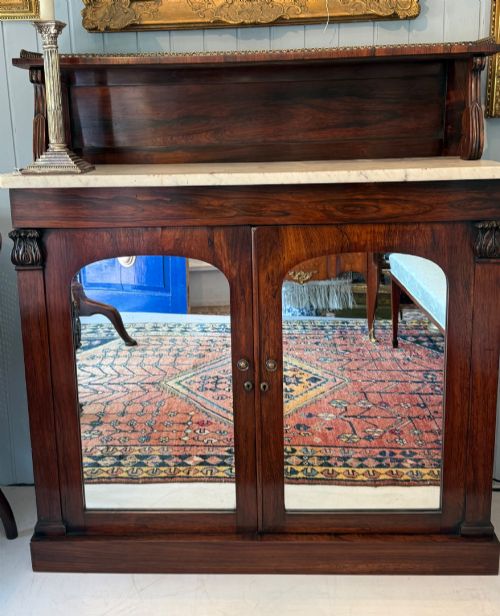
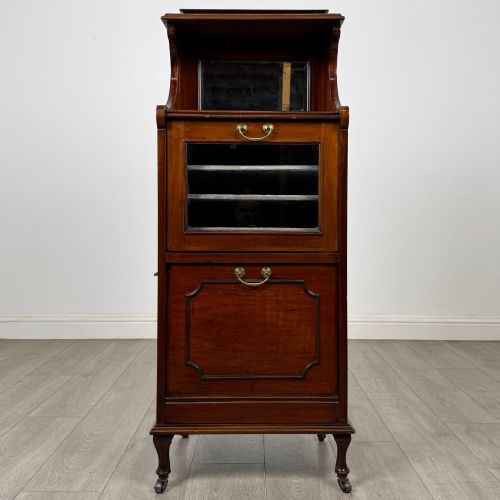
A mirrored door cupboard is a practical piece of furniture designed to reflect light and brighten a room while providing functional storage space. When you search for a mirrored door cupboard, you encounter various forms ranging from compact bedside and corner cabinets to tall wardrobes, armoires, and chiffoniers.
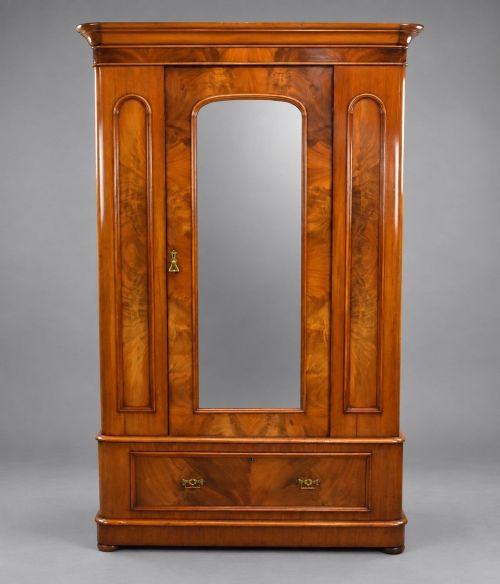
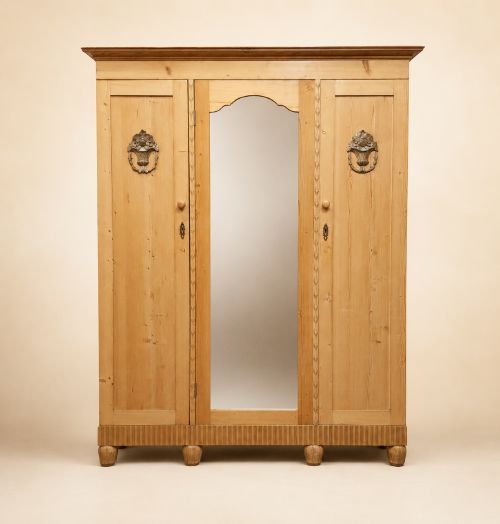
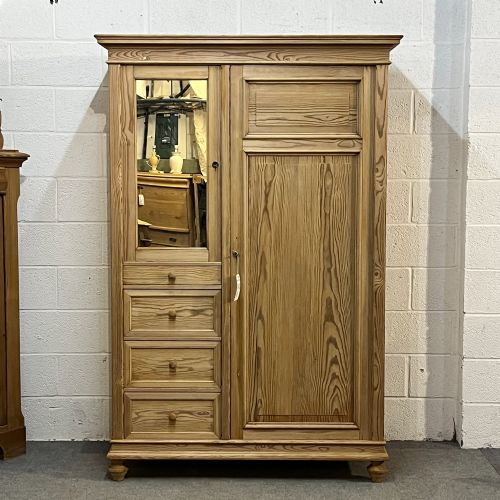
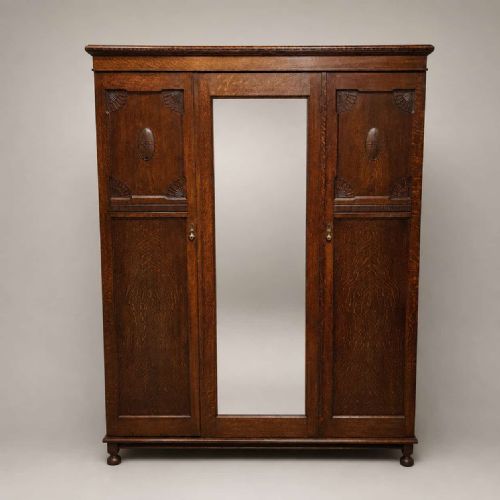
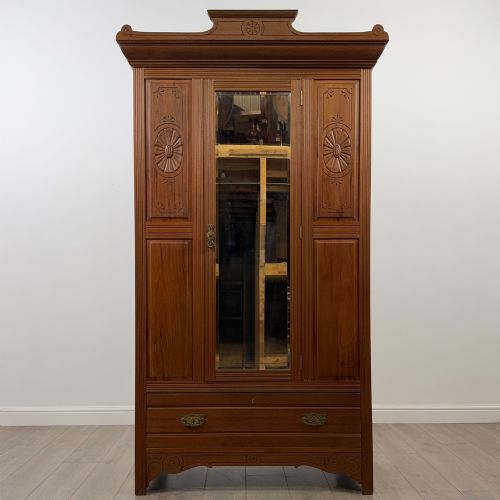
The versions most likely to meet you on this page are substantial Victorian and Edwardian wardrobes, often executed in rich timbers like mahogany, walnut, and oak, alongside French armoires and pine hall cupboards.
Materials and construction
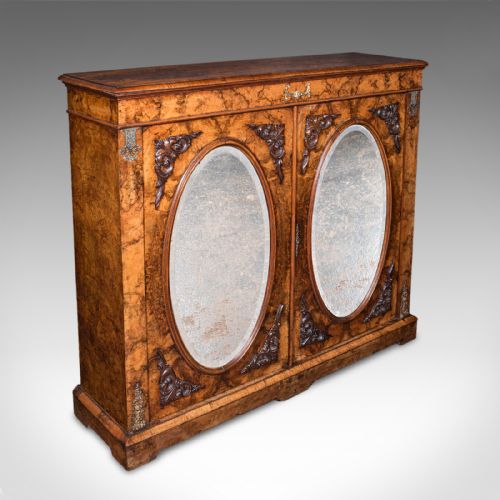
Cabinet makers utilised a robust selection of timbers including mahogany, walnut, oak, rosewood, and pine, frequently selecting figured veneers or burr variations to add visual depth to the facade. Glass mirrors were integrated securely into door panels, sometimes supported by brass or gilt bronze ormolu mounts.
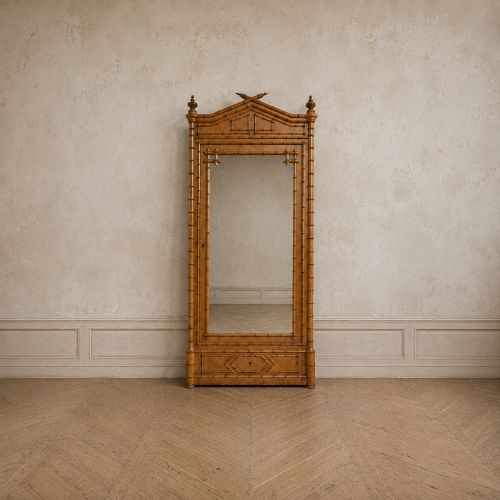
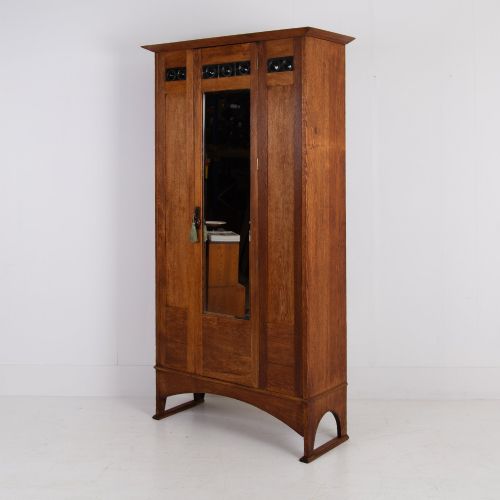
Construction techniques evolved across periods, combining traditional joinery with decorative elements such as faux bamboo shaping, brass inlays, and carved detailing seen in Arts and Crafts and French Provincial styles.
Listings feature pieces spanning from the eighteenth to the twentieth century, constructed in pine, mahogany, oak, walnut, and rosewood.
Variations in quality
The standard of a mirrored door cupboard rests upon the selection of timber and the depth of the cabinetwork. Fine examples display carefully matched wood grains, substantial carcase construction, and well-fitted doors that hang true on their original hinges.
Detailing distinguishes finer specimens, seen in the quality of the glass mirror bevels, refined brass or gilt bronze mounts, and deliberate stylistic flourishes rather than mass-produced uniformity.
Maple and Co·Heal
The Mirrored Door Cupboard Glossary
- Compactum
- A fitted wardrobe or cabinet containing a combination of hanging space, drawers, and shelves within a single unit. It provides versatile storage in a relatively compact footprint.
- Chiffonier
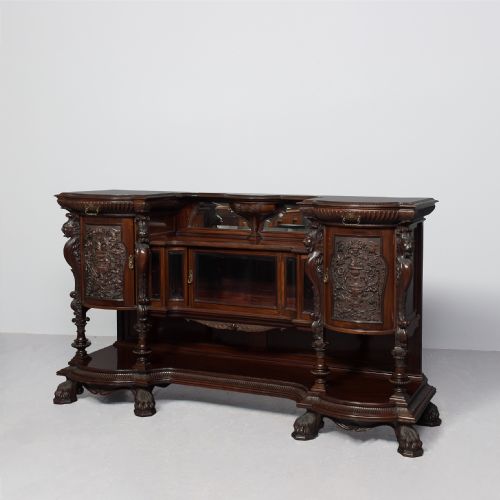
- A low sideboard or cabinet, typically featuring drawers and enclosed cupboards below. They became popular in the nineteenth century for dining and morning rooms.
- Armoire
- A large wardrobe or cupboard, often of continental European origin. These pieces frequently feature prominent double or single doors with mirrored panels.
- Ormolu
- Gilt bronze mounts applied to furniture for decorative effect. This technique was frequently utilised on French-influenced pieces to accentuate corners and frames.
Mirrored Door Cupboard: Frequently Asked Questions
How do I date a mirrored door cupboard?
Dating relies on observing the timber species, construction methods, and stylistic cues present in the piece. Victorian examples often feature heavy mahogany or walnut, while Edwardian pieces frequently showcase lighter oak or inlaid details.
Hardware, mirror bevels, and internal fittings also offer clues to the era of manufacture, shifting from hand-finished joints in the nineteenth century to more standardised production by the early twentieth century.
Where should I place a mirrored door cupboard?
These pieces function effectively in bedrooms, hallways, and dressing rooms where both storage and reflected light are beneficial. Placing them opposite a window maximises the brightening effect of the glass panel.
Ensure adequate floor space and clearance for doors to open fully, particularly with larger triple wardrobes or breakfront armoires.
How do I care for the mirror glass?
Clean the mirror glass gently using a soft cloth and a mild glass cleaner sprayed onto the cloth rather than directly onto the glass. This prevents moisture from seeping behind the silvered backing.
Inspect the wooden frame periodically and apply appropriate wax polish to maintain the finish of timbers such as mahogany, oak, or walnut.
What is the difference between a wardrobe and an armoire?
A wardrobe is a tall cupboard traditionally designed for hanging garments, often of British manufacture and built in sections for easier transport. An armoire is the continental equivalent, frequently possessing deeper historic roots and distinctive regional styling.
Both forms frequently incorporate mirrored doors in later nineteenth and twentieth-century iterations to serve dual purposes of dressing and storage.