


Antique Mirror Front Cabinet
An antique mirror front cabinet brings depth and light to a room while concealing storage behind polished glass.
Antique Mirror Front Cabinet
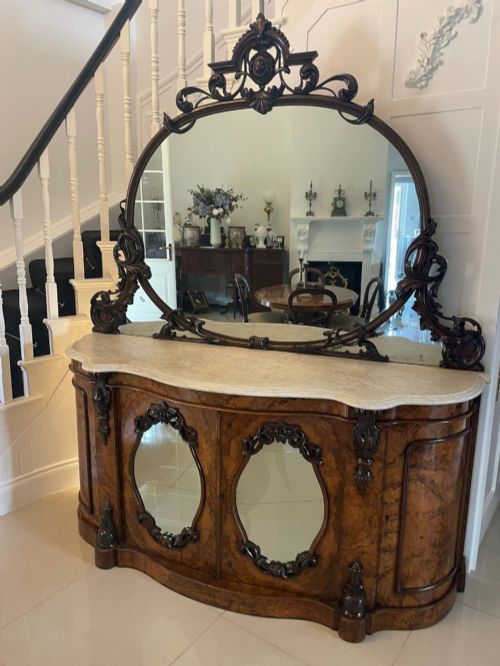
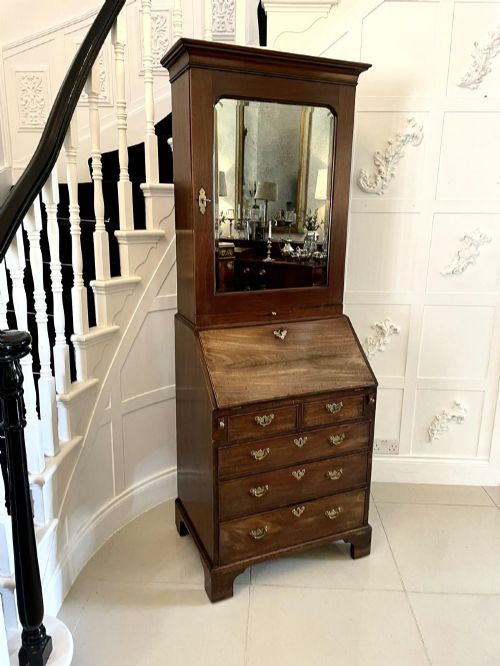
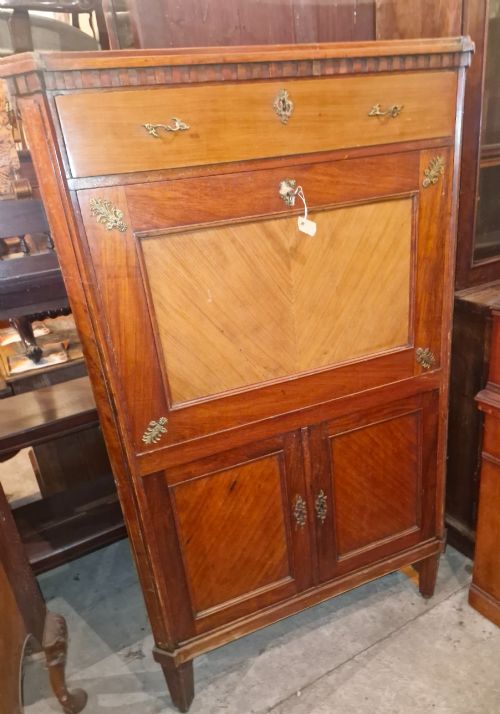
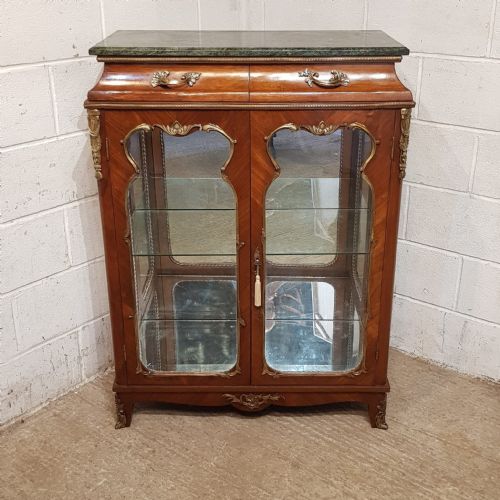
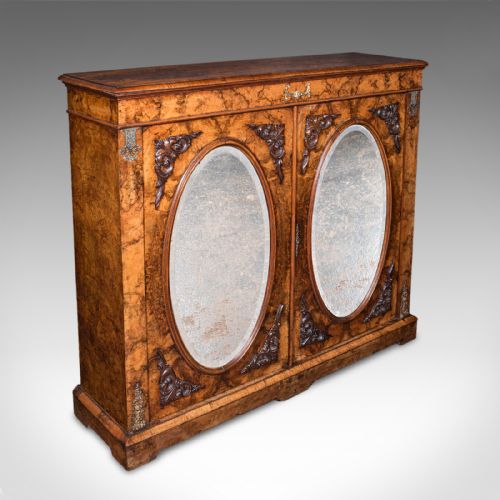
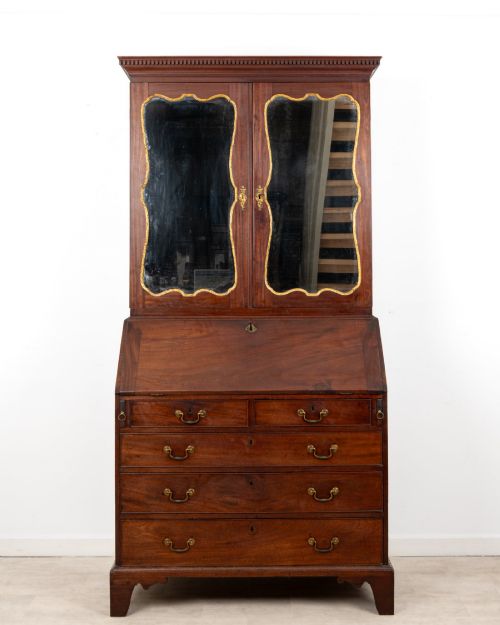
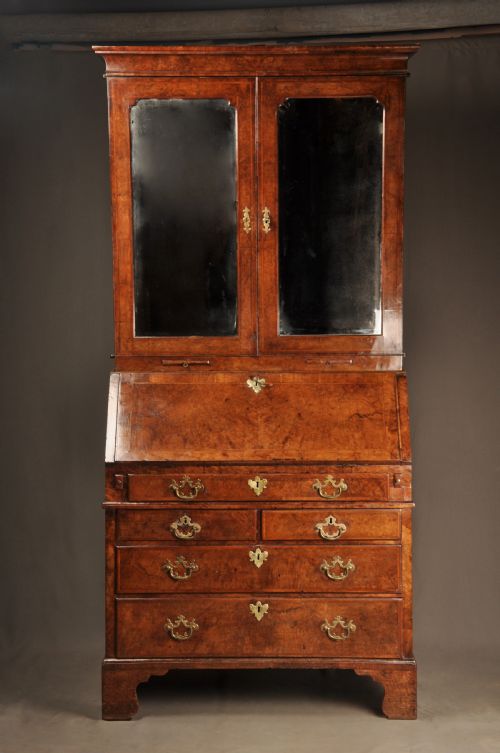
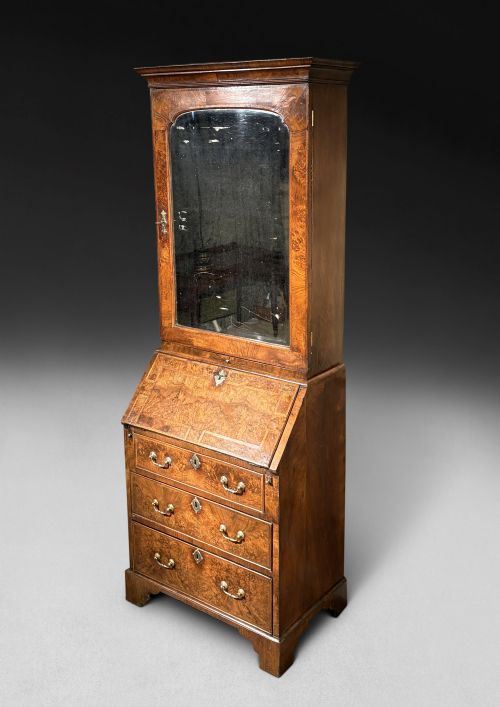
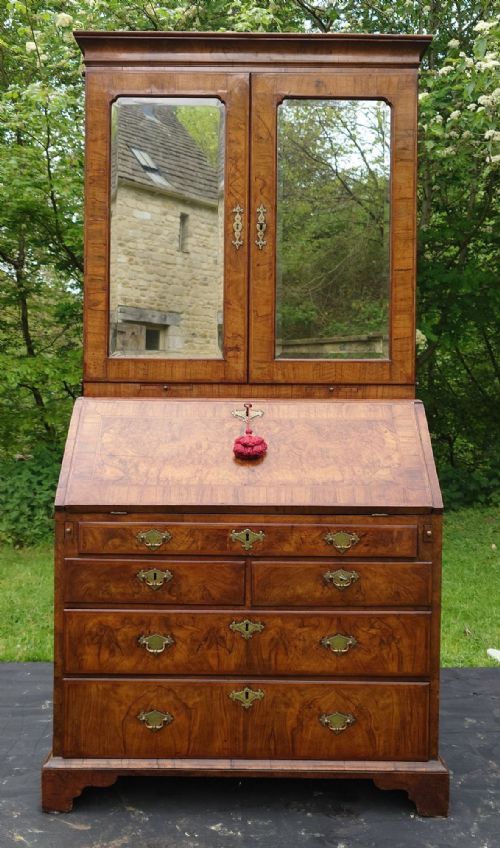
When you search for an antique mirror front cabinet, you encounter versatile furniture pieces designed to display books, serve drinks, or store correspondence. The selections span bureau bookcases, credenzas, display cabinets, and compactum wardrobes.
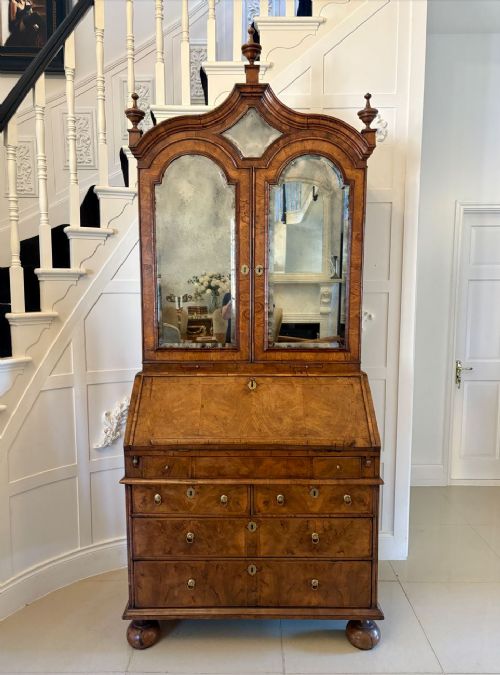
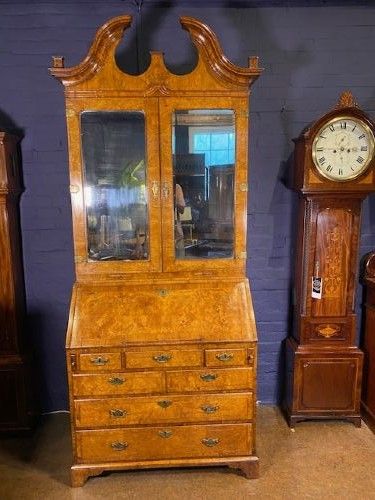
The pieces on this page derive primarily from the eighteenth and nineteenth centuries, with Georgian, Queen Anne, and Victorian periods well represented. Bureau bookcases dominate the offerings, alongside mirrored credenzas and cocktail cabinets.
Makers utilised these reflective glass doors to brighten darker spaces and create an illusion of roominess. Cabinet forms range from double dome bookcases to serpentine fronted credenzas.
How they were made
Cabinet makers relied heavily on timber selections such as walnut, burr walnut, mahogany, and rosewood. These woods provided durable carcasses and striking grain patterns.
Glass and mirror panels were set into doors alongside brass mounts and inlay work. Skilled hands shaped bureau falls and fitted interior compartments for writing and storage.
Secretarial desks occasionally conceal hidden spring-loaded compartments behind pigeonholes for private correspondence.
What varies in quality
The tier of a piece depends on the choice of timber veneers, such as figured or burr walnut, and the precision of featherbanding. Superior examples show careful grain matching across the entire facade.
Construction detail separates workshop standards, evident in the depth of hand carving on credenza backs and the integration of mirror plates. Original brass hardware and fitted interior drawers elevate the standing of a cabinet.
The Antique Mirror Front Cabinet Glossary
- Bureau bookcase
- A combination furniture piece featuring a sloping desk fall above or below shelving enclosed by doors. These units served as both writing desks and libraries.
- Credenza
- A low sideboard or cabinet often featuring mirrored doors and carved decoration. They originated for dining rooms and entertaining spaces.
- Burr walnut
- Timber taken from a tree growth that produces intricate, swirling grain patterns. Cabinet makers prized this wood for high-status facades.
- Featherbanding
- A decorative inlay technique using small pieces of veneer arranged in a herringbone pattern. It frames drawer fronts and cabinet doors on Georgian pieces.
- Vitrina cabinet
- A glass-fronted display case designed for porcelain and curiosities. These cabinets prioritise visibility from multiple angles.
Antique Mirror Front Cabinet: Frequently Asked Questions
How do I use a mirror front cabinet today?
These cabinets suit living rooms, dining spaces, and hallways for storing glassware, books, or tableware. The mirrored glass helps bounce natural light around smaller rooms.
Interior shelving accommodates modern display needs while keeping items dust-free. Bureau sections function effectively as compact home desks.
Are mirror plates original on these cabinets?
Many older cabinets retain their original silvered glass, which often exhibits minor foxing or age spots. These subtle imperfections confirm the age of the piece.
Replacement mirrors occur when original glass suffered damage over centuries of use. Inspect the mounting points to understand how the glass integrates into the door frame.
What is the difference between a credenza and a bureau bookcase?
A credenza is a low sideboard featuring mirrored doors, built primarily for storage and display surface area in formal rooms. They often include carved backboards.
A bureau bookcase is a tall vertical structure combining a sloping writing flap with enclosed shelving above. They provide dedicated workspace alongside extensive book storage.