

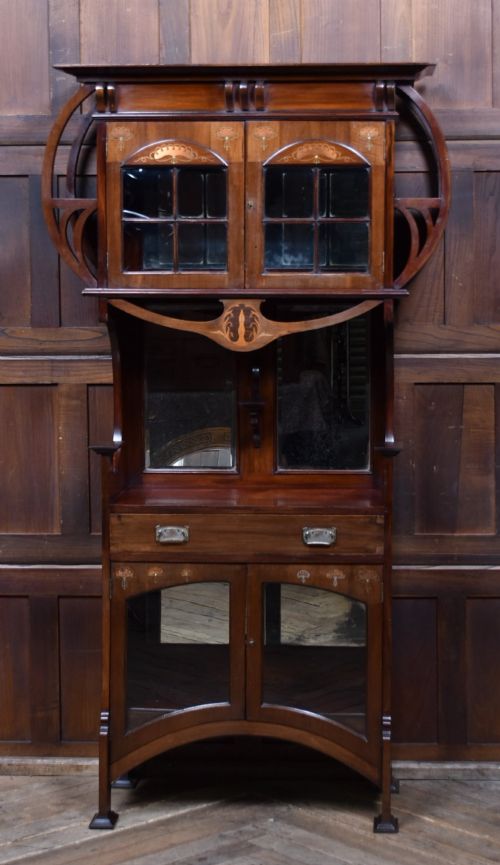


Mirrored Back Chiffonier
A mirrored back chiffonier combines practical lower storage with an upper display shelf framed by reflective glass, suiting traditional dining or living spaces.
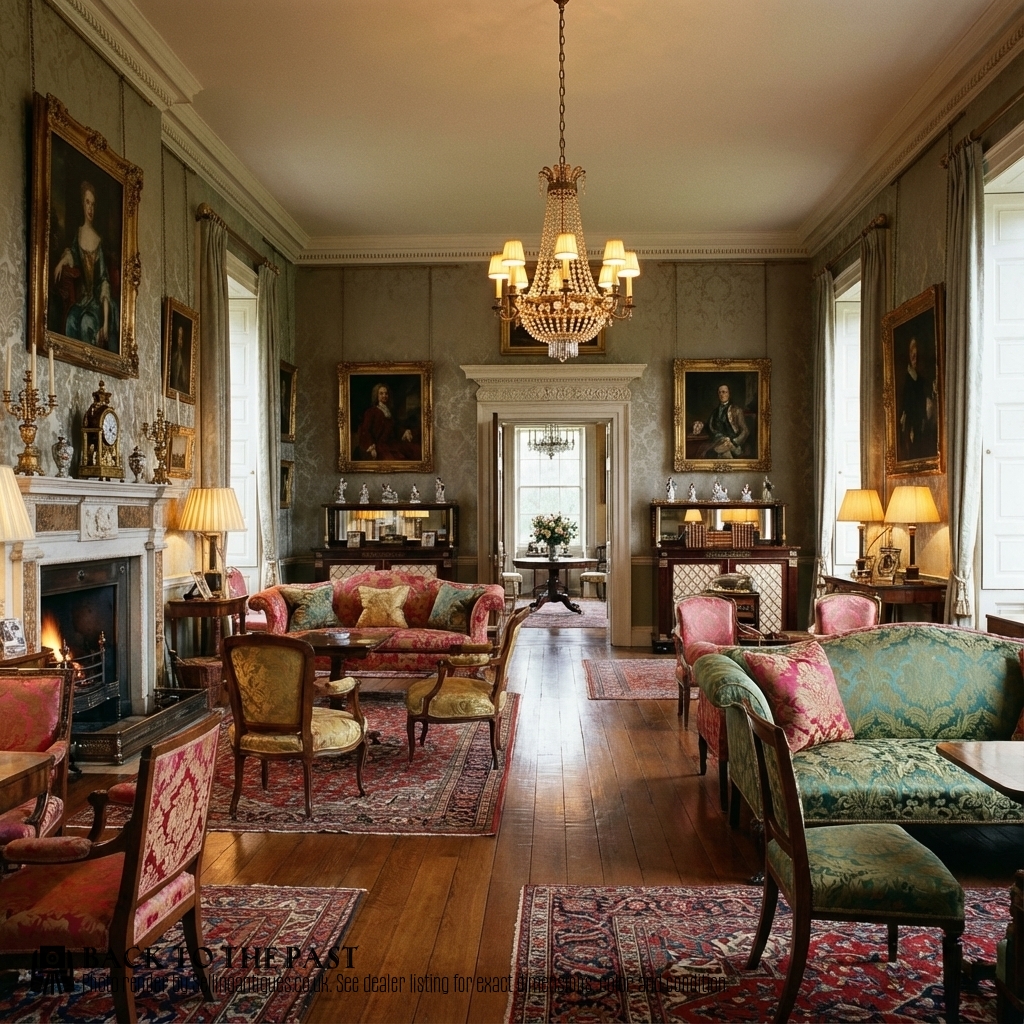
Mirrored Back Chiffonier
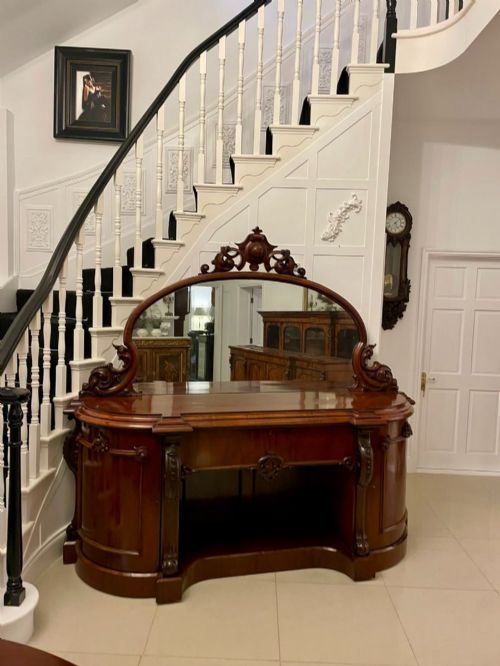
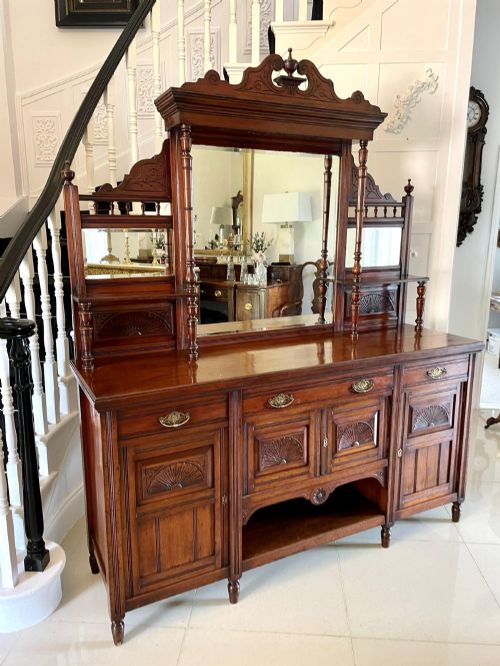
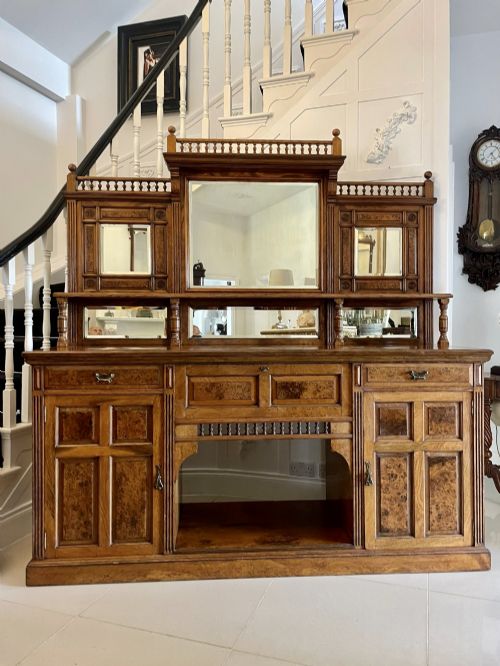
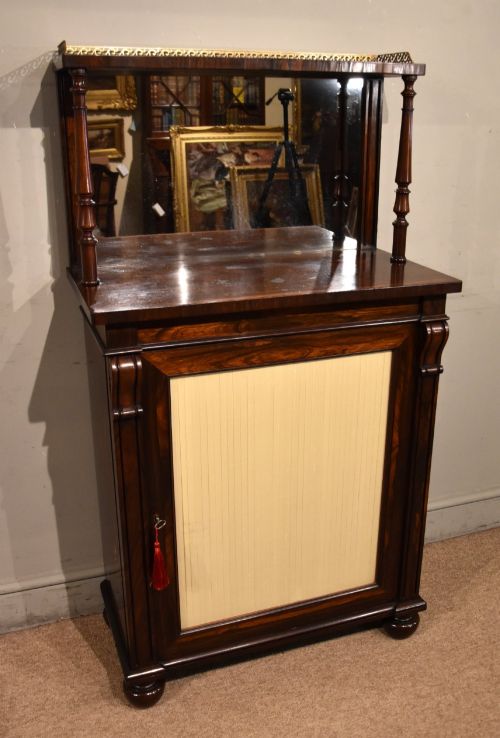
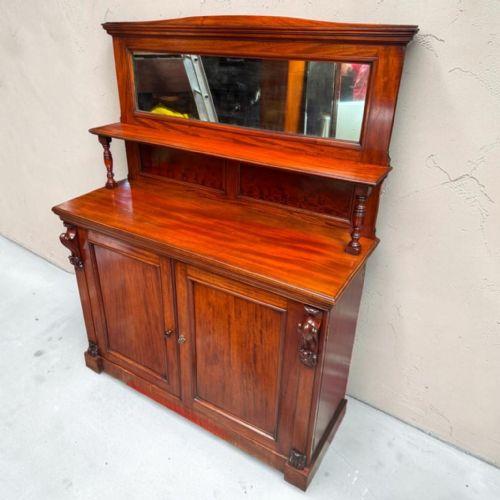
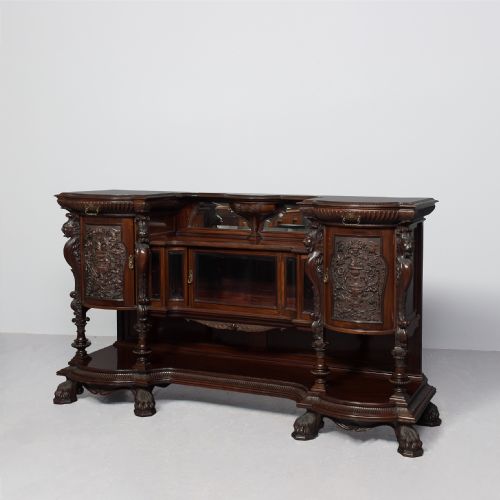
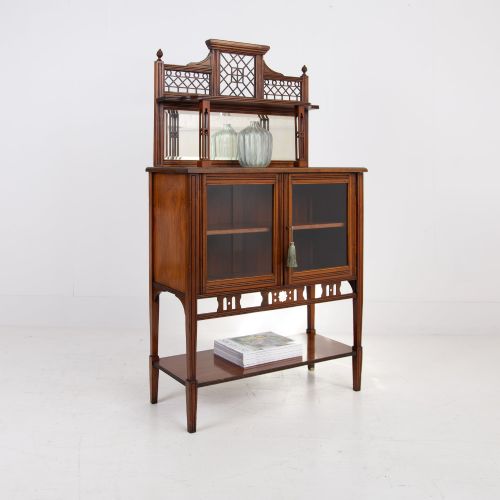
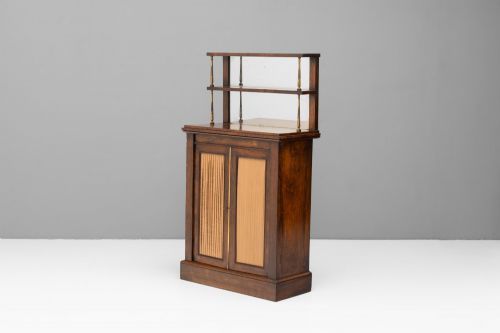
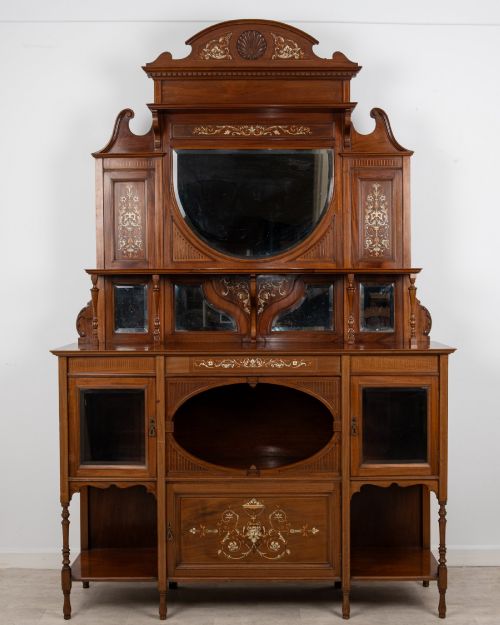
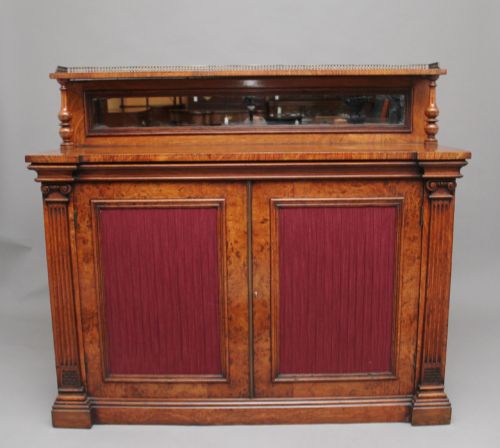
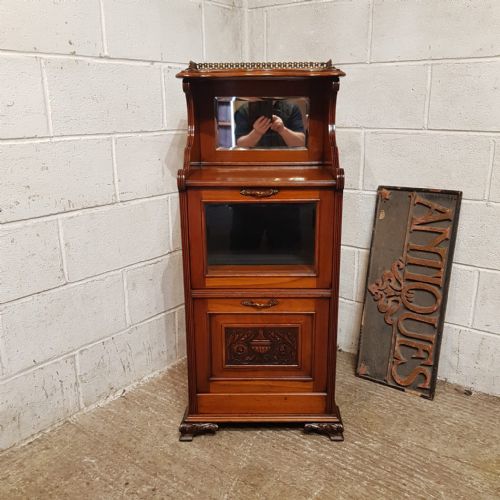
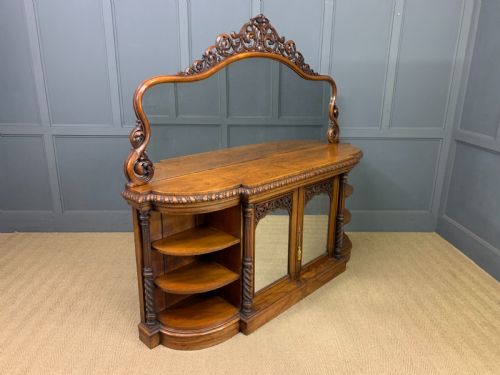
When searching for a mirrored back chiffonier, a buyer encounters pieces primarily from the nineteenth century and the Victorian era, alongside Regency and Edwardian examples. These items function as sideboards, credenzas, and display cabinets designed to hold tableware or display ornaments.
The standard version met on this page is a mahogany, rosewood, or walnut cabinet featuring a mirrored superstructure above enclosed lower cupboards. Pieces span periods from George IV and William IV through to late Victorian and Aesthetic Movement designs.
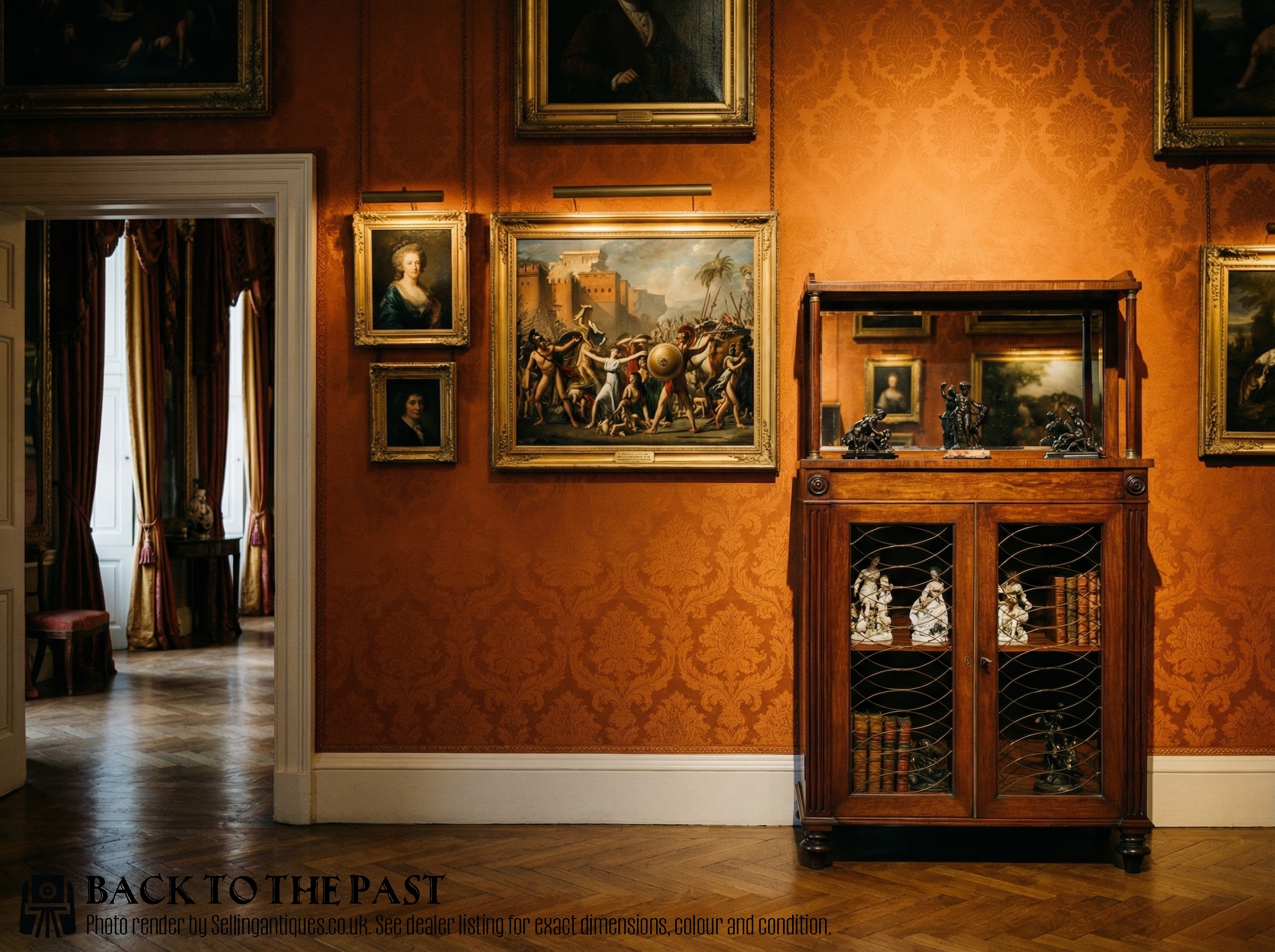
Materials and Construction
Cabinet makers utilised dense hardwoods such as mahogany, rosewood, burr walnut, and pollard oak, often applying marquetry or fine inlays to the surfaces. Glass was shaped into mirror plates for the upper backs and occasionally used for glazed display doors.
Carving, brass fittings, and gilt highlights frequently complement the timber framework. Structural forms range from pedestal sideboards to breakfront chiffoniers and narrow side cabinets.
Mirrored Back Chiffonier Retail Price Guide 2026
Typical asking prices for mirrored back chiffonier among the pieces listed under this phrase on Sellingantiques today, from the lower quarter to the upper quarter. They describe what is for sale here now, not the wider market.
Listings span multiple eras from Regency through to Edwardian, utilising timbers including mahogany, rosewood, oak, walnut, and burr yew.
Assessing Quality
Quality rests upon the selection of timbers like burr walnut, rosewood, and pollard oak, alongside the depth and precision of hand carving. Finer examples display meticulous marquetry and harmonious proportions between the lower storage and the upper mirrored superstructure.
The integration of the mirror glass within the wooden frame and the execution of detailed brasswork or inlay separate standard utility pieces from exhibition quality works by notable makers.
Holland & Sons·Gillows
The Mirrored Back Chiffonier Glossary
- Chiffonier
- A low sideboard or cabinet, typically featuring enclosed lower cupboards and sometimes an upper shelf or mirrored back.
- Marquetry
- Decorative veneer patterns formed by fitting together small pieces of wood, shell, or ivory into timber surfaces.
- Aesthetic Movement
- A late nineteenth century style emphasising artistic visual qualities, often seen in ebonised or inlaid furniture with gilt details.
- Superstructure
- An upper structure, such as a mirrored shelf arrangement, built upon the main body of a cabinet or sideboard.
- Breakfront
- A piece of furniture whose central section projects forward from the flanking components.
Mirrored Back Chiffonier: Frequently Asked Questions
What is a mirrored back chiffonier?
A mirrored back chiffonier is a low storage cabinet featuring an integrated mirror and shelf superstructure above enclosed lower cupboards. These pieces served as dual-purpose furniture for serving food and displaying porcelain or decorative objects.
Originating primarily in the nineteenth century, they evolved from simpler sideboards into elaborate Victorian and Edwardian reception room furnishings.
How were chiffoniers used historically?
In nineteenth century homes, these cabinets provided convenient storage for dining silver, linens, and bottles behind closed doors. The upper surface and mirrored tier allowed families to display ceramics, clocks, and ornaments.
They stood principally in dining rooms, drawing rooms, and parlours as both functional storage and decorative centrepieces.
How do I date a Victorian chiffonier?
Dating relies on observing the primary timber, decorative style, and structural hardware. Early Victorian examples often use rosewood with restrained classical lines, whereas later Victorian pieces frequently feature burr walnut, heavy carving, or Aesthetic Movement ebonisation.
Makers' marks or stamps, when present, provide definitive attribution to specific workshops and production years.
Where should I place one at home?
These cabinets suit dining rooms, living rooms, and large hallways where their reflective glass can brighten a wall and create a sense of depth. The lower cupboards offer practical concealed storage for modern household items.
Placing the piece away from direct sunlight preserves the polished timber surfaces and the antique mirror glass.