
Miniature Collectors Chest Drawers
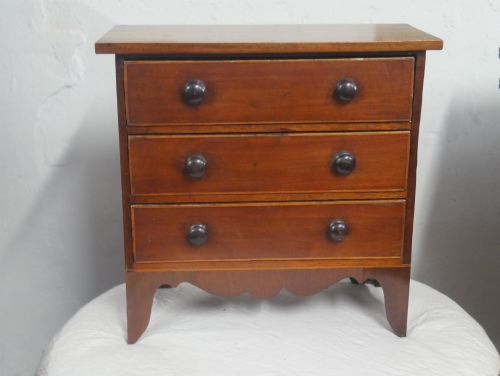
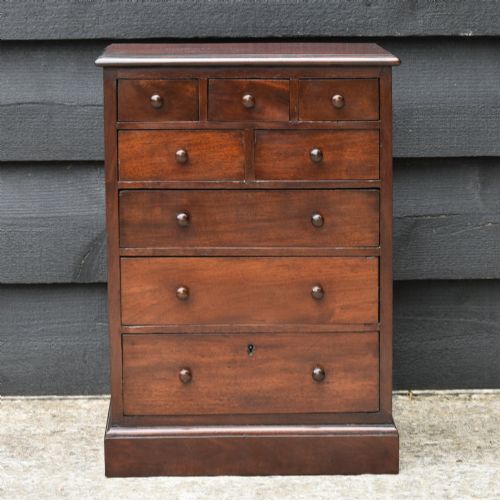
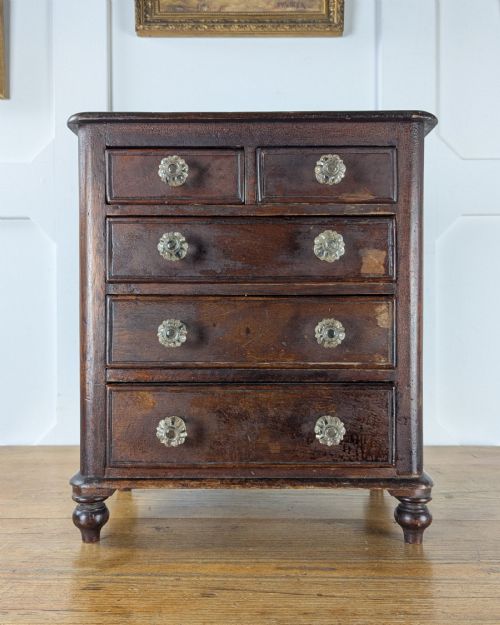
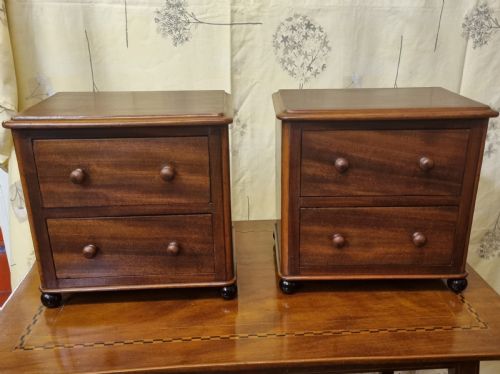
These miniature collectors chest drawers offer compact storage crafted in miniature, combining domestic utility with fine cabinet-making.

Miniature Collectors Chest Drawers
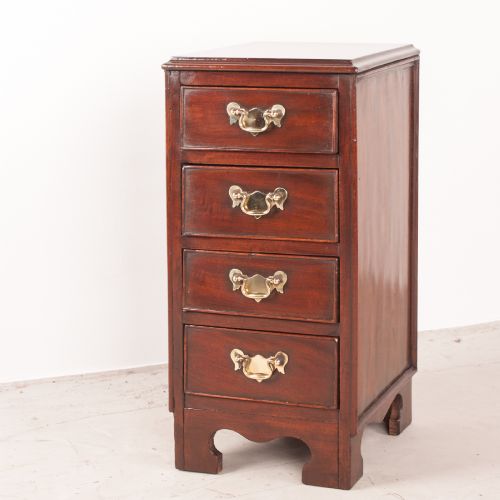
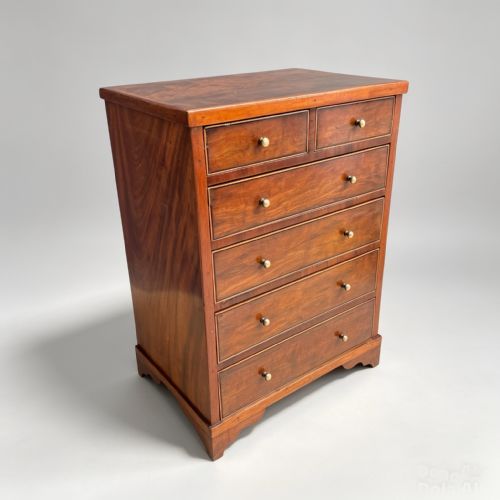
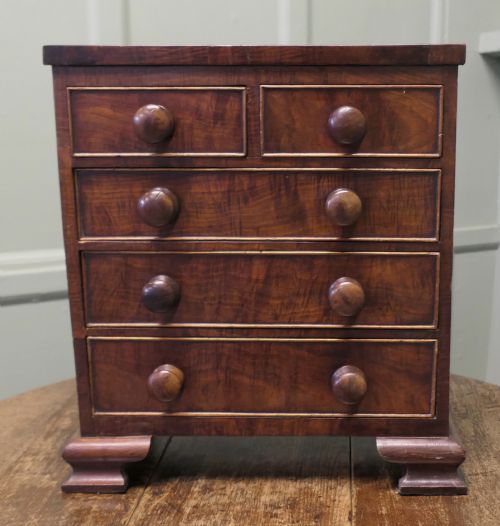
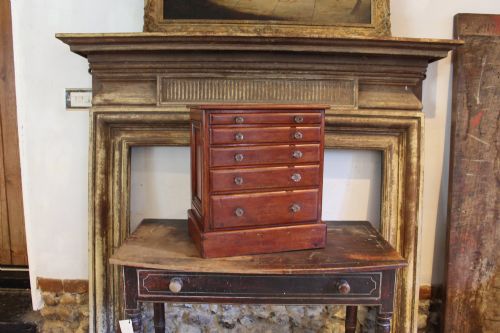
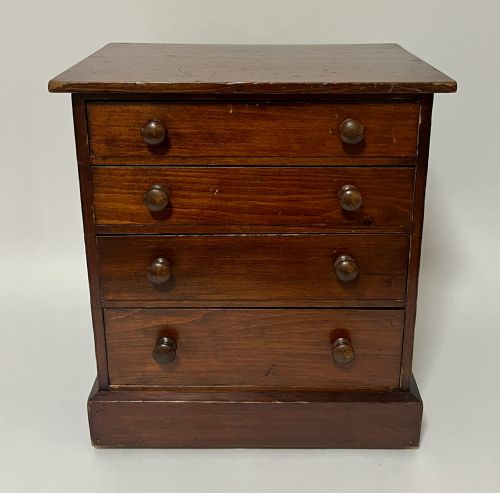
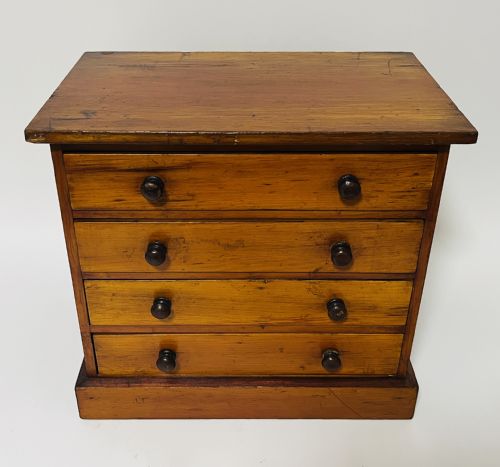
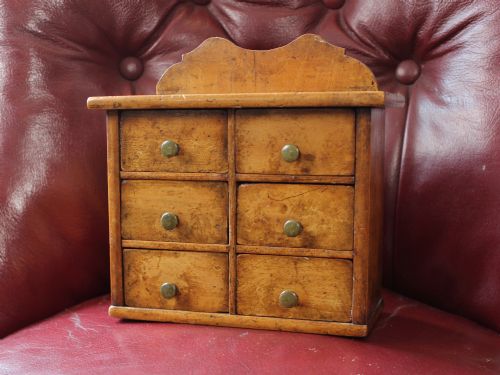
Miniature collectors chest drawers comprise small-scale cabinetry designed for storing specimens, trinkets, or jewellery, often created as apprentice pieces or travel furniture. A buyer searching this phrase encounters diverse regional and stylistic expressions, from Scottish apprentice chests to Georgian flight of drawers and Wellington chests.
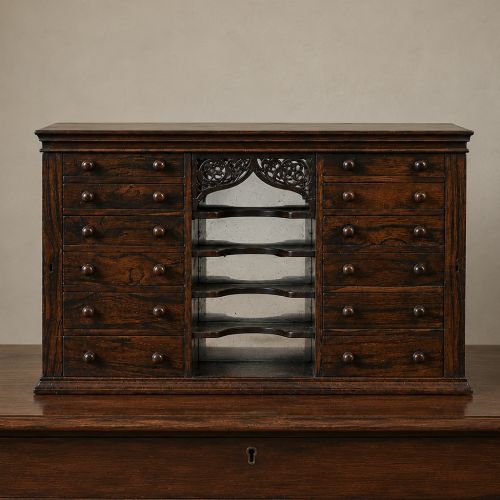
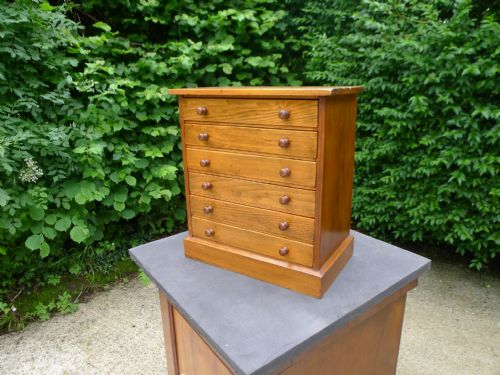
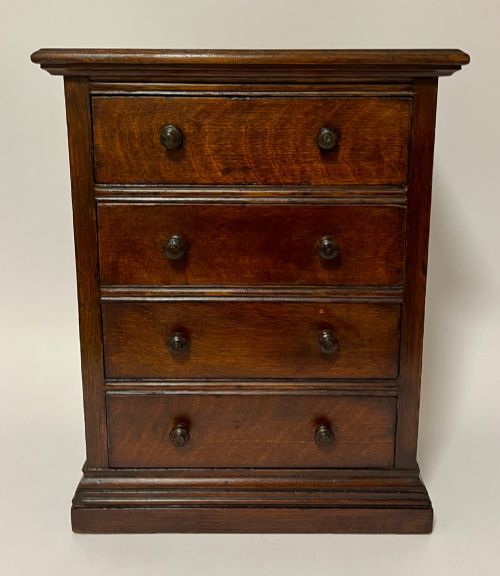
The most common examples on this page date from the nineteenth century and the Victorian era, built predominantly in mahogany, oak, and walnut. These tabletop units range from simple pine storage boxes to multi-drawer specimen and microscope slide cabinets featuring fine wood veneers and brass hardware.
Materials and construction
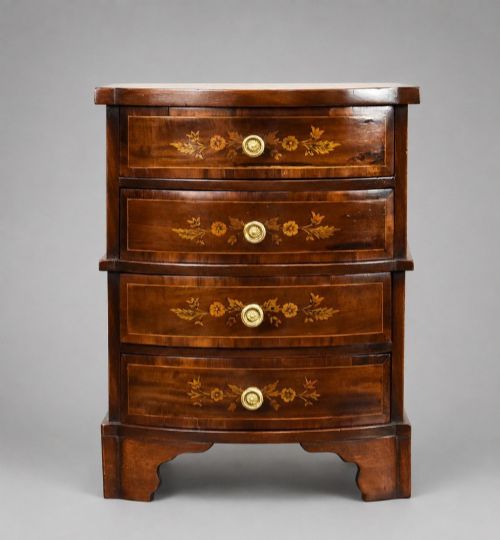
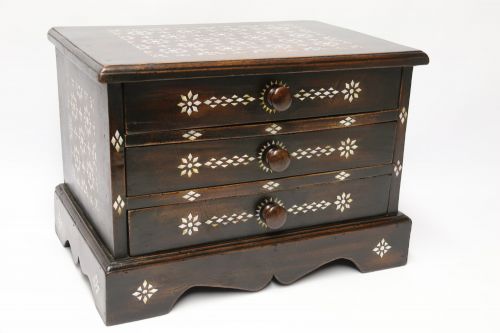
Cabinet-makers constructed these small chests using dense hardwoods such as mahogany, walnut, oak, and rosewood, alongside secondary softwoods like pine. Many pieces incorporate decorative details such as marquetry, parquetry, bone inlay, and fruitwood or burr yew veneers.
Joinery techniques followed full-scale furniture production, utilising dovetailed drawer construction, turned feet, and brass locks or handles. Surfaces often received hand-finished polishes that highlighted the natural grain of the timber.
Listings feature eighteenth, nineteenth, and early twentieth-century pieces, utilising materials including mahogany, walnut, oak, brass, and glass.
Factors of quality and execution
Quality separates simple utility boxes from masterwork scale models through the precision of the joinery and the selection of timber veneers. Superior examples display carefully matched burr walnut, mahogany, or amboyna grains across drawer fronts, alongside tight dovetailing.
Hardware and mechanisms also differentiate the tier of a piece, with high-end specimen cabinets featuring working locks, brass escutcheons, and complex internal drawer arrangements rather than basic iron fixtures.
The Miniature Collectors Chest Drawers Glossary
- Apprentice piece
- A demonstration item created by a woodworker to prove skill for admission to a trade guild. These often mirrored full-sized furniture designs in miniature.
- Wellington chest
- A tall, slender chest of drawers featuring a hinged locking stile on one vertical edge that secures all drawers simultaneously. The form originated in the nineteenth century.
- Specimen cabinet
- A specialised storage unit containing numerous shallow drawers designed for classifying natural history objects, coins, or microscope slides. These cabinets prioritize systematic organisation.
- Marquetry
- The art of applying decorative veneer pieces of various woods to a structural surface to form geometric or pictorial designs. This technique elevates the visual richness of miniature chests.
- Bow front
- A convex curved cabinet or drawer front popular in Regency and Victorian design. It requires specialised woodworking skill to shape accurately at a small scale.
Miniature Collectors Chest Drawers: Frequently Asked Questions
What were miniature collectors chests used for?
These small chests served multiple purposes, from housing natural history specimens and microscope slides to storing jewellery and small trinkets. Cabinet-makers also produced them as portable samples or demonstration pieces to display technical proficiency to prospective clients.
Collectors valued them for keeping delicate items organised in a compact footprint. Their tabletop scale allowed them to sit comfortably in studies, parlours, or consulting rooms.
How do I date a miniature chest of drawers?
Dating relies on identifying timber choices, construction methods, and stylistic markers shared with full-scale furniture of the same era. For instance, mahogany and rosewood dominate Georgian and Regency pieces, while satin walnut and specific pine treatments often point toward later Victorian or Edwardian production.
Hardware details, such as the style of brass drawer pulls and the presence of secret locking mechanisms, also provide chronological clues. Secondary woods inside the drawers help confirm the period of manufacture.
Where should I place a tabletop cabinet?
These compact cabinets suit display on sturdy tabletops, sideboards, or desks where their fine timber grains and miniature proportions remain visible. Placing them away from direct sunlight and heat sources protects delicate wood veneers and historic polishes from drying out.
Because many units feature locking mechanisms or secure drawers, they function well for storing small modern collections or everyday accessories. Their shallow footprint allows them to fit into narrower display spaces than standard furniture.
What is the difference between an apprentice piece and a collectors cabinet?
An apprentice piece was traditionally made by a woodworker learning the trade, demonstrating mastery of joints, scaling, and finish on a small item. A collectors cabinet was specifically designed and built for storing organised groups of objects like coins, shells, or slides.
While both share a miniature scale and fine craftsmanship, collectors cabinets typically feature specialised internal layouts with numerous shallow drawers. Apprentice pieces more closely replicate standard domestic furniture forms like tallboys or Wellington chests.