


Miniature Ceramic Urn
These miniature ceramic urn and vase forms deliver intricate artistry on a cabinet scale, pairing fine painted details with delicate porcelain and earthenware bodies.
Miniature Ceramic Urn
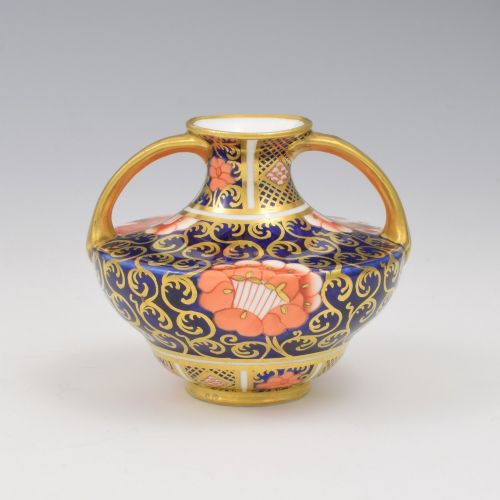
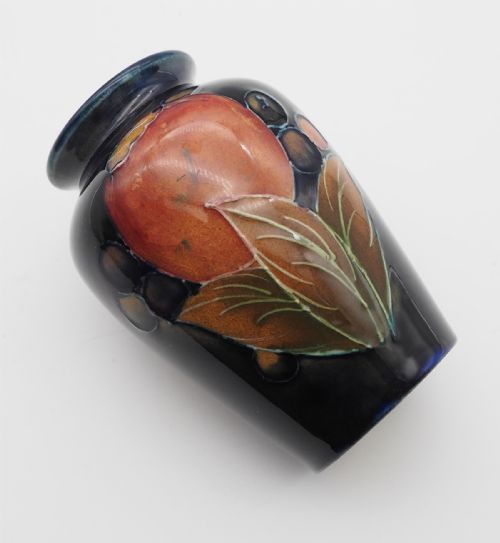
A miniature ceramic urn represents a scaled-down vessel designed for cabinet display rather than functional use. These small objects appear in forms such as twin-handled vases, lidded scent bottles, and decorative flower holders.
The pieces on this page span the late nineteenth century into the twentieth century, covering Victorian, Edwardian, and Meiji periods. Japanese Satsuma ware and English porcelain studios dominate the current selection.
Buyers encounter traditional Japanese Imari patterns alongside British bone china and earthenware from makers such as Royal Worcester and Doulton Lambeth. Each example condenses standard decorative arts into a small, portable footprint.
How they were made
Potters shaped these miniature forms using fine ceramic bodies like porcelain, bone china, and earthenware, often finishing them with a smooth glaze. Artisans applied hand-painted details directly onto the surface before a final firing to set the pigments.
Gilt highlights and gold leaf frequently accent the painted scenes and borders, catching the light across the tiny contours of the vessel. Enamel colours provide rich contrast against the white porcelain or crackle-glazed Satsuma earthenware.
Many items incorporate maker signatures, studio marks, or pattern numbers hand-painted or stamped on the underside. Artists such as William Ricketts and Harry Stinton applied miniature pastoral and figural scenes requiring steady precision.
Listings feature items from the nineteenth century, Victorian, Edwardian, and Meiji periods, utilising porcelain, earthenware, bone china, and gold leaf.
What varies in quality
The precision and complexity of the hand-painted decoration dictate the upper tier of these small vessels. Fine figural processions, detailed highland cattle scenes, and crisp floral garlands separate standard decorative items from master-signed cabinet pieces.
The application of gold leaf and enamel work reveals the skill behind the piece, with cleaner lines and richer gilding marking superior execution. The clarity of the ceramic body and the preservation of the original glaze add further distinction.
Signed works by documented artists or recognised potteries carry greater weight among collectors. The integrity of handles, covers, and scent bottle stoppers influences the overall completeness of the miniature form.
Royal Crown Derby·Crown Staffordshire·Chosei·Shuzan·Doulton Lambeth·Royal Worcester·William Ricketts·Harry Stinton·William Moorcroft
The Miniature Ceramic Urn Glossary
- Satsuma ware
- A type of Japanese earthenware featuring a pale, ivory-coloured crackle glaze decorated with enamel and gold leaf. It became widely exported during the Meiji period for Western cabinet collections.
- Imari
- A traditional style of Japanese porcelain featuring a distinct palette of underglaze blue, iron red, and gilt. The patterns often incorporate complex floral and brocade motifs.
- Bone china
- A type of porcelain composed of clay mixed with bone ash, producing a strong, milky-white body. It allows for thin-walled vessels decorated with delicate hand-painted motifs.
- Gilt
- A thin layer of gold applied to the surface of the ceramic or glaze to provide metallic ornamentation. It highlights rims, handles, and painted borders.
- Earthenware
- Porous pottery fired at lower temperatures than porcelain, requiring a protective glaze to hold liquids. It forms the base material for many nineteenth-century decorative pieces.
Miniature Ceramic Urn: Frequently Asked Questions
How were miniature urns used?
These small vessels served primarily as decorative cabinet items rather than functional containers for cut flowers. Wealthy collectors displayed them in glass-fronted cabinets alongside other delicate porcelain and Satsuma wares.
Some pieces, such as scent bottles with covers, held perfumes or aromatic oils on dressing tables. Their small scale allowed owners to appreciate intricate hand-painted artwork up close.
How do I identify Satsuma ware?
Satsuma ceramics display a characteristic ivory-coloured body covered in a fine network of microscopic cracks in the glaze known as crazing. Artisans applied dense enamel colours and heavy gold leaf directly over this distinctive surface.
Many pieces feature Japanese figural scenes, landscapes, or thousand-butterfly motifs. Signatures of artists or studios frequently appear painted in gold or red iron on the base.
What is Imari decoration?
Imari refers to a distinctive aesthetic style originating in Japan and later imitated by European potteries. The decoration relies on a strict palette combining deep underglaze blue with vibrant iron red and rich gilding.
Designs typically feature symmetrical panels of flowers, rocks, and birds arranged across the ceramic surface. This high-contrast colour scheme makes Imari pieces instantly recognizable among nineteenth-century ceramics.
How do I care for antique porcelain?
Antique ceramics require gentle handling away from direct sunlight and extreme temperature fluctuations. Dust the surface softly with a dry, clean brush rather than using wet cloths that might harm delicate gold leaf.
Keep lidded pieces and scent bottles secure by lifting them from the base rather than by handles or covers. Avoid using chemical cleaners on hand-painted or enamelled surfaces to preserve the original pigments.