




Cobalt Ceramic Flower Vase
A cobalt ceramic flower vase brings deep indigo pigment and sculptural weight to a room, offering a striking anchor for seasonal stems.
Cobalt Ceramic Flower Vase
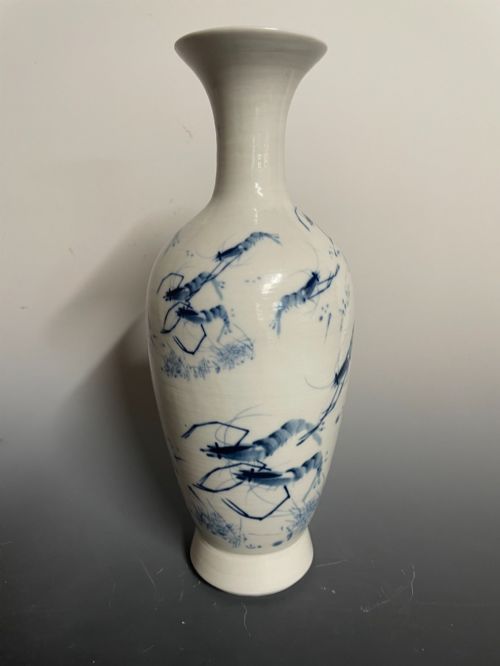
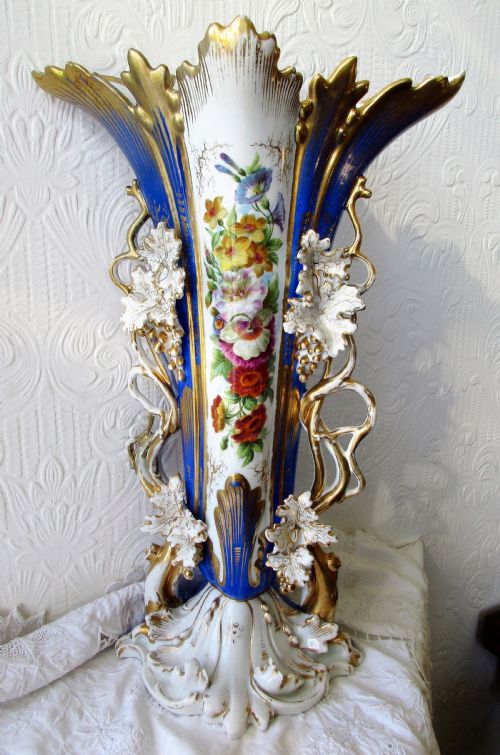
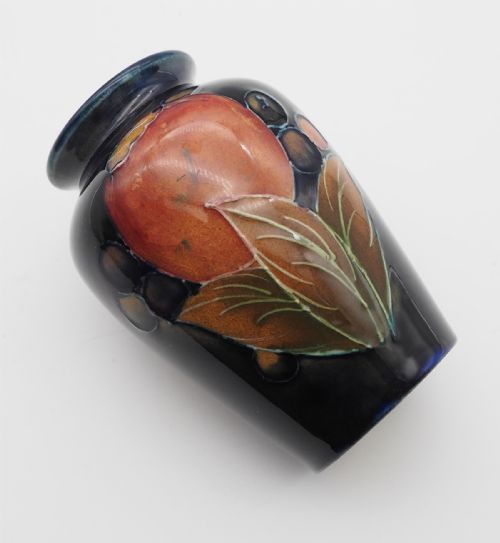
A cobalt ceramic flower vase encompasses a diverse selection of vessels shaped for display, featuring deep blue decoration across various historical periods. These pieces range from compact miniature forms to substantial planters and cachepots.
The versions most commonly met on this page span the nineteenth century through the early twentieth century. Examples draw on Victorian, Art Nouveau, Arts and Crafts, and traditional Asian aesthetics.
Makers and potteries from English, European, and Asian traditions dominate the selection. Collectors encounter everything from utilitarian stoneware to finely painted porcelain and jasperware.
Materials and construction methods
Potters shaped these vessels from ceramic, porcelain, and stoneware bodies, often forming them on the wheel or in moulds before firing. Surfaces received fluid cobalt glaze applications to achieve the characteristic deep blue coloration.
Many pieces incorporate hand-painted details, enamel work, and applied gold leaf accents over the glaze. Firing techniques determined the depth of the blue tones and the brilliance of the finished surface.
Materials represented include porcelain, stoneware, jasperware, and cobalt glaze enriched with gold leaf.
Assessing quality and execution
Superior examples display precise control in the application of the cobalt pigment, yielding even saturation without muddy pooling or accidental streaks. The sharpness of moulded or hand-carved relief work further separates fine output from standard commercial production.
The refinement of the ceramic body and the precision of any gilt or enamel highlights indicate the level of craftsmanship. Pieces bearing clear studio signatures or recognised manufactory marks demonstrate superior provenance and artistry.
William Adams and Sons·Royal Doulton·William Moorcroft·Ernst Wahliss·Coalport
The Cobalt Ceramic Flower Vase Glossary
- Cobalt glaze
- A metallic oxide colourant applied to ceramic bodies to produce intense blue hues during high-temperature firing. It remains stable under heavy heat, creating durable decoration.
- Jasperware
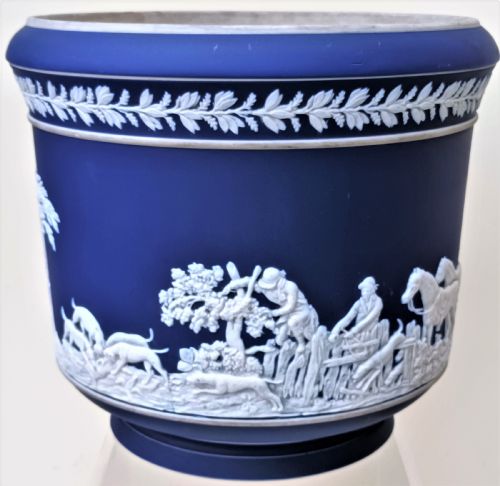
- A fine-grained, unglazed stoneware developed in the eighteenth century, most famously associated with contrasting applied white reliefs against a blue ground.
- Jardiniere
- A large ornamental pot or stand designed to hold growing plants or large floral arrangements rather than cut stems.
- Imari
- A style of Japanese export ceramic characterised by underglaze blue and overglaze iron red, gold, and secondary colours. It influenced European potteries profoundly.
- Cachepot
- An outer decorative pot used to conceal a plain flowerpot, featuring a solid base to catch drainage water.
Cobalt Ceramic Flower Vase: Frequently Asked Questions
What is a cobalt ceramic flower vase?
A cobalt ceramic flower vase is a decorative vessel made from fired clay or porcelain and decorated with deep blue cobalt oxide pigments. These pieces serve as functional holders for botanicals and striking sculptural objects in an interior.
Such vessels appear across multiple historic design movements, showing influences from British manufactories and international export traditions alike.
How were these vases used historically?
Historically, these vessels held fresh floral arrangements in domestic parlours, drawing rooms, and dining spaces. Larger examples functioned as cachepots or jardinieres to house potted indoor plants.
Beyond utilitarian purposes, they demonstrated the household's taste and appreciation for fine ceramic art and global trade aesthetics.
How do I live with a ceramic vase?
Display these vases on sturdy surfaces where their weight and deep blue tones can be appreciated in natural light. Pair them with simple foliage or dried stems to let the ceramic body remain the visual focus.
Take care when placing water inside older unglazed or porous interiors, using protective liners if necessary to safeguard the historic material.
How can I tell the periods apart?
Stylistic motifs offer the clearest guide to dating, with Victorian pieces often featuring heavy classical revival or floral themes. Art Nouveau examples display organic, flowing lines, while twentieth-century studio pieces lean toward distinct individual signatures and simplified forms.
Glaze characteristics, weight, and maker stamps or impressed factory marks further clarify the era of manufacture.