



Military Figure Sculpture
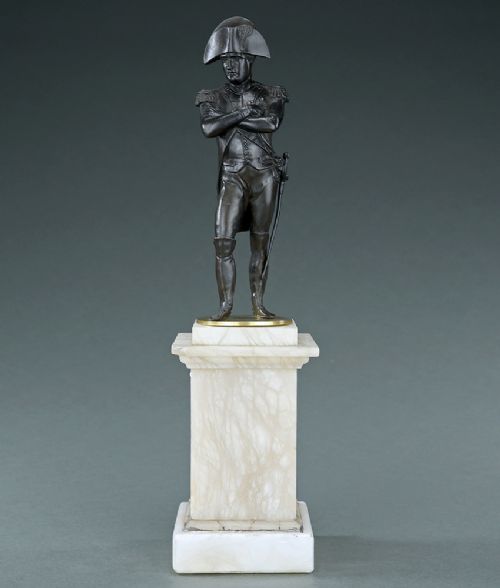
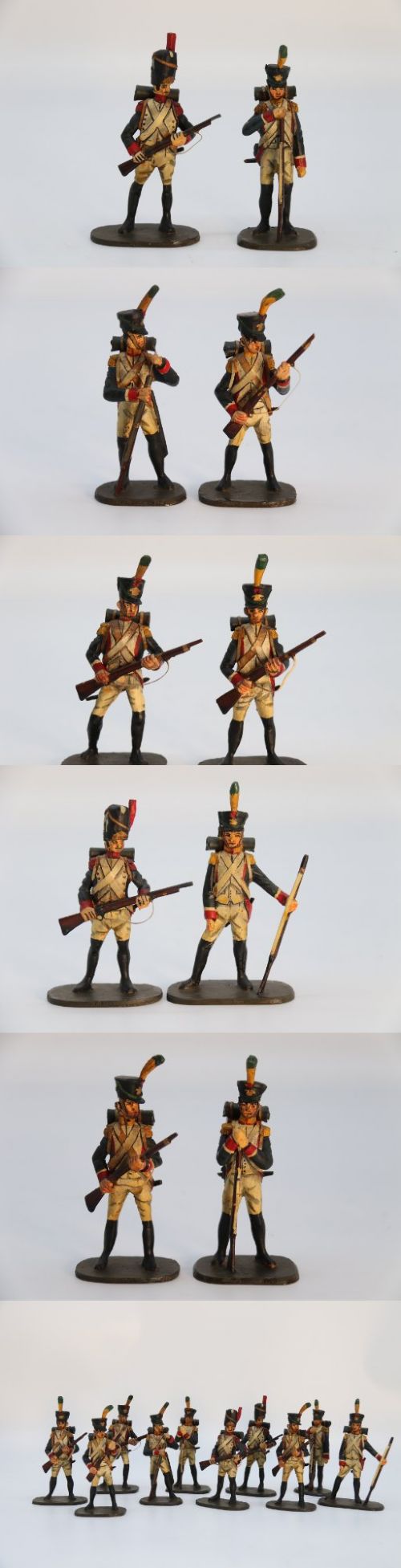
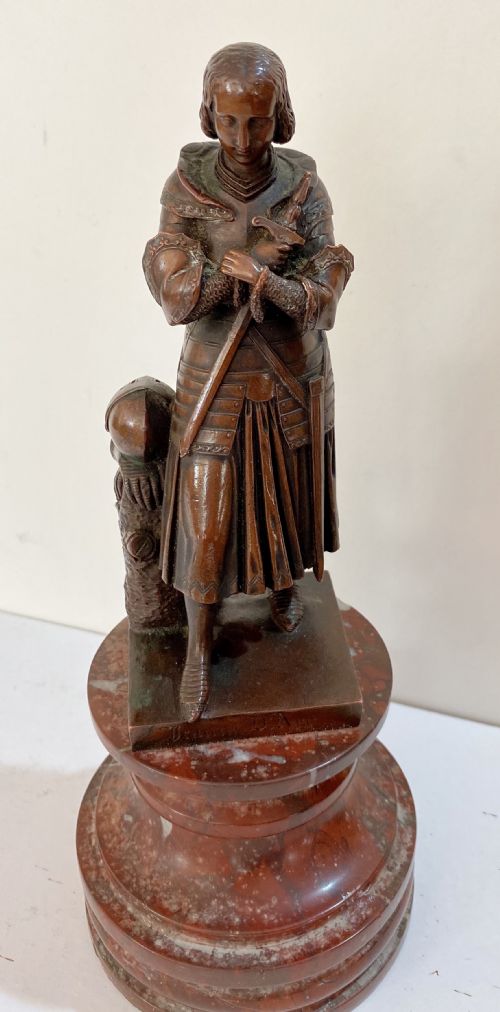
Military figure sculpture captures historic commanders and soldiers in bronze, porcelain and carved wood, offering enduring desk and cabinet presence.
Military Figure Sculpture
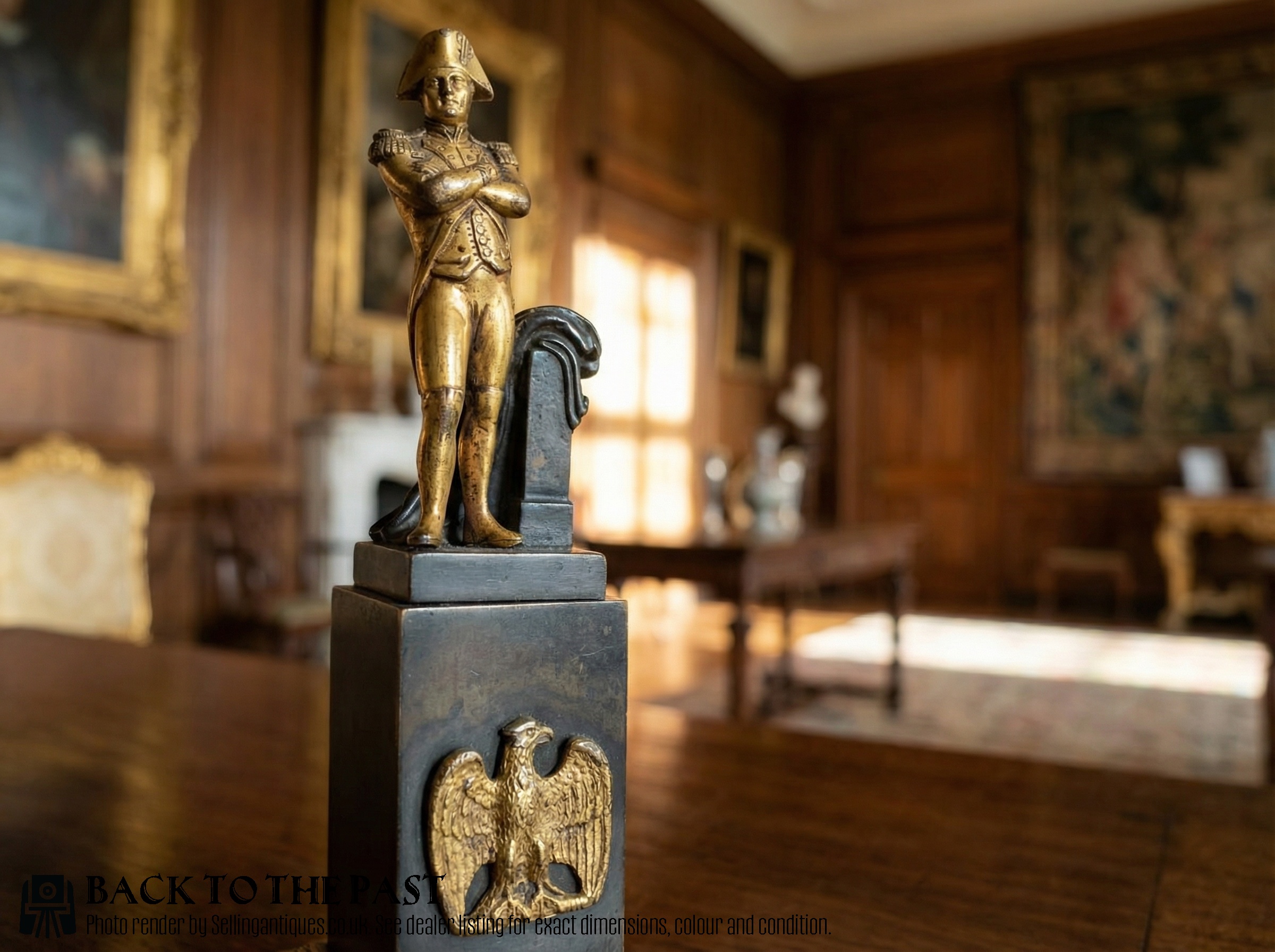
Military figure sculpture spans the nineteenth and early twentieth centuries, drawing heavily on French Empire, Napoleonic, and Grand Tour styles. These pieces portray notable historical commanders, iconic leaders, and common soldiers in stationary poses.
Bronze stands as the principal medium, supplemented by carved wood, painted surfaces, and occasional porcelain figures. Many works take the form of cabinet bronzes or library ornaments set upon marble bases.
How they were made
Foundries utilised traditional lost-wax casting methods to shape bronze into detailed uniforms and horses, finishing the metal with varied patination. Cold-painting applied enamel or pigment directly onto metal surfaces to render realistic insignia and clothing.
Listings feature nineteenth-century and early twentieth-century sculptures executed in bronze, patinated bronze, cold-painted bronze, spelter, marble, and painted wood.
What varies in quality
The integration of the sculpture with its base, particularly where marble plinths support heavy equestrian bronze, signals the care taken during assembly. Material choice shifts perception from utilitarian spelter casts to heavy bronze or carved wood.
Emile Guillemin·E.H. Dumaige·Fabergé·Meissen·James Pradier·C.Anfrie
The Military Figure Sculpture Glossary
- Patinated bronze
- Bronze treated with chemical solutions to produce a specific surface colour, ranging from deep brown to greenish tones. This finish protects the metal and highlights sculptural contours.
- Cold-painted bronze
- Metal figures painted with oil or enamel colours without subsequent firing in a kiln. This technique allowed vibrant depiction of uniforms but remains vulnerable to flaking.
- Grand Tour
- Cultural travel undertaken by wealthy Europeans in the nineteenth century, acquiring small-scale bronzes of historic figures as souvenirs. These sculptures often reproduced famous Renaissance or classical monuments.
- Spelter
- A zinc alloy used as a less expensive substitute for bronze in nineteenth-century figure production. It is softer and lighter than true bronze, usually requiring a bronze-effect paint finish.
- Equestrian
- Depicting a figure on horseback. Such sculptures required advanced foundry skill to balance the weight of horse and rider.
Military Figure Sculpture: Frequently Asked Questions
What periods do these sculptures cover?
The available selection primarily covers the nineteenth century through to the early twentieth century, encompassing Victorian output and the Napoleonic revival. Dates extend from the mid-nineteenth century up to the nineteen-thirties.
Most examples reflect historicist aesthetics, drawing inspiration from classical antiquity, the Napoleonic era, and Renaissance condottieri.
How do I identify a cold-painted bronze?
Cold-painted pieces display visible pigment applied directly onto the metal surface without a glossy ceramic glaze. Examination under magnification reveals brushwork or flat enamel layers.
These surfaces require gentle handling to prevent paint loss over time, as the pigments sit on top of the metal rather than fusing with it.
Where were these figures displayed originally?
Nineteenth-century military figures typically occupied studies, libraries, and formal drawing rooms as expressions of historical interest or patriotism. Smaller cabinet bronzes sat upon desks or bookshelves.
Larger equestrian pieces required sturdy mantelpieces or dedicated pedestals to support the weight of the metal and stone bases.
What is the difference between bronze and spelter?
Bronze is a durable copper alloy capable of holding crisp detail and deep patination. Spelter is a softer zinc alloy that feels lighter and requires an applied surface coating to simulate bronze.
Spelter pieces often show wear revealing a greyish metal underneath, whereas true bronze develops a stable oxidised skin.