




Middle Eastern Silver
Middle Eastern silver pieces bring intricate metalwork and regional craftsmanship directly to your collection.
Middle Eastern Silver
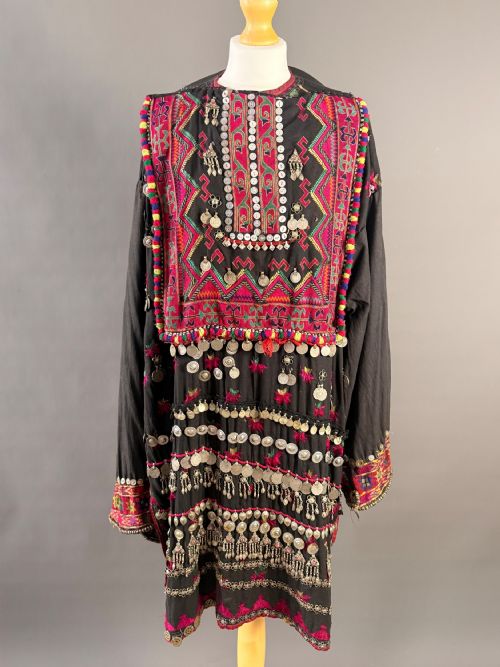
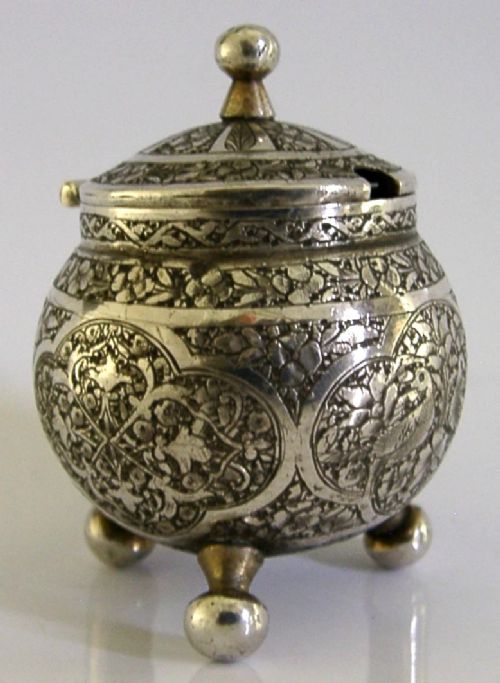
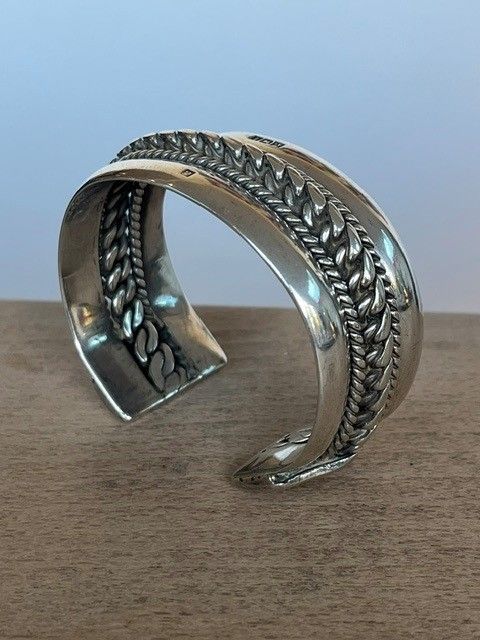
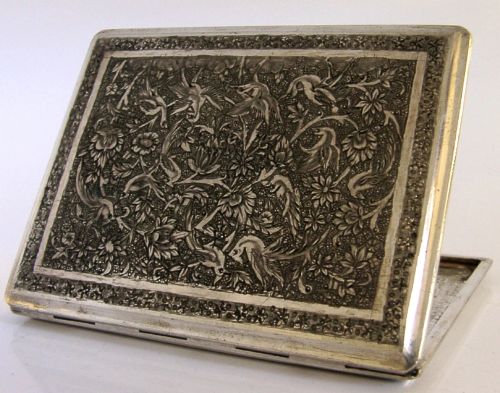
Middle Eastern silver encompasses a rich variety of decorative and utilitarian items originating from regions such as Ottoman territories, Persia, Egypt, and Yemen. When exploring middle eastern silver, buyers encounter diverse forms ranging from solid silver tea caddies and cigarette cases to chunky cuff bracelets and mustard pots.
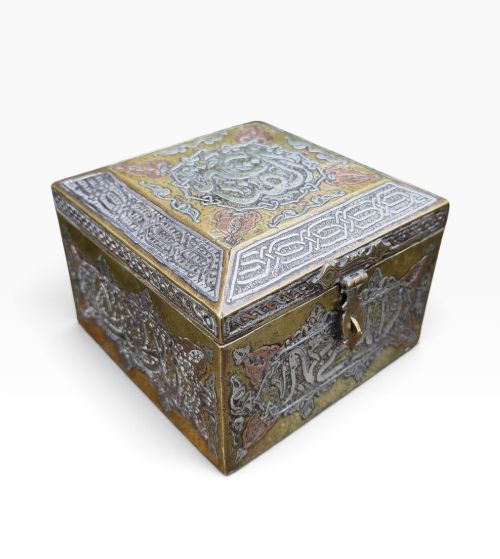
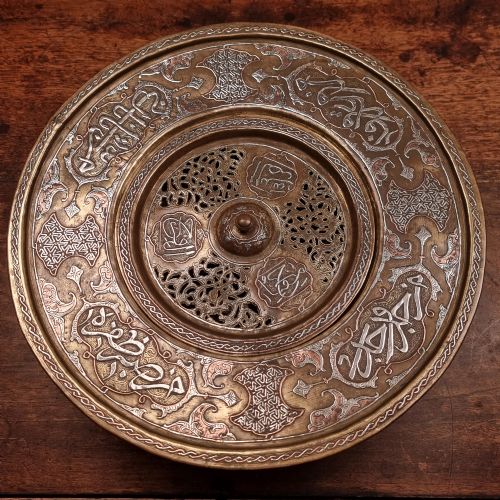
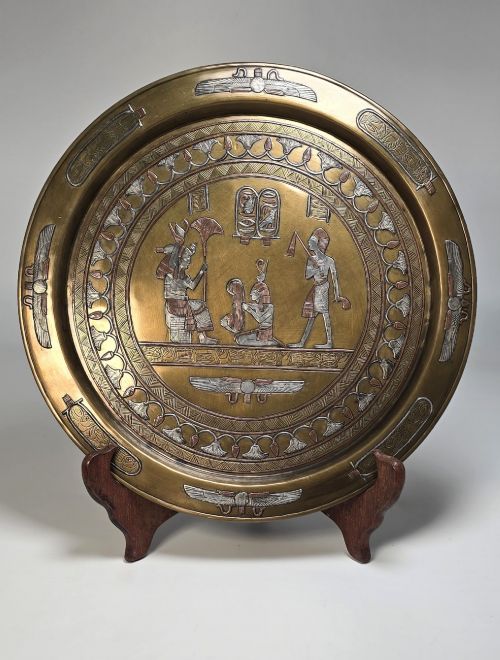
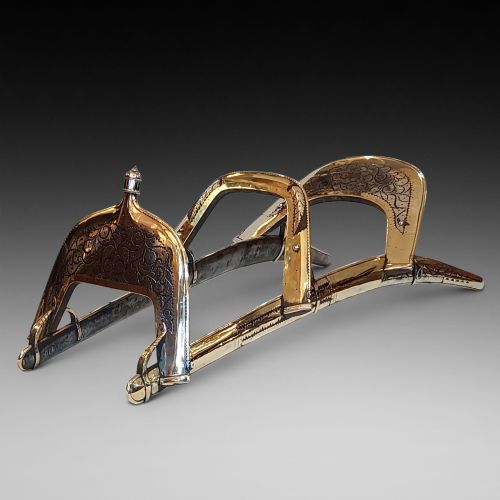
The objects frequently date from the nineteenth and twentieth centuries, reflecting distinct stylistic revivals including Mamluk and Egyptian Revival designs. Alongside solid silver work, one finds inlaid metalwares that incorporate copper and brass elements within traditional Islamic motifs.
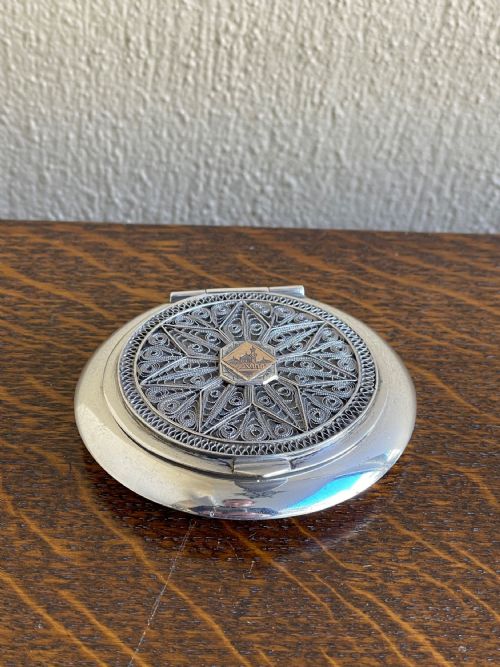
Domestic and personal items dominate the selection, including decorative bowls, wall chargers, desk seals, and personal accessories like powder compacts. Each piece reflects the heritage of regional metalworking traditions passed down through generations of skilled artisans.
How They Were Made
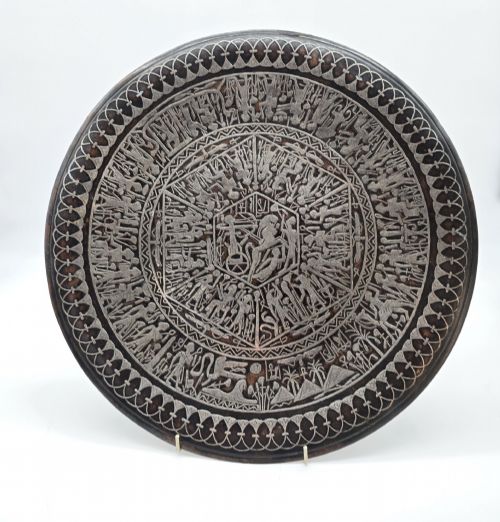
Craftsmen utilised solid silver, silver plate, and mixed metal compositions alongside foundational materials like copper, brass, wood, and steel. Many items showcase complex silver inlay techniques, where fine wire or sheet silver is hammered into recesses carved in patinated copper, bronze, or brass bodies.
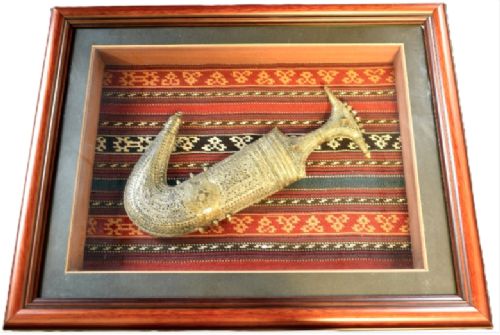
Repousse and filigree work characterise the execution of personal ornaments such as Bedouin cuffs and Yemeni dagger frames. Artisans also employed niello to create contrasting black metallic designs against bright silver surfaces on bowls and small vessels.
What Varies in Quality
The sophistication of the surface decoration determines much of the distinction between standard and superior pieces. Finer examples display deeply chased repousse work, precise silver inlay adhering tightly to the base metal, and well-preserved Arabic calligraphy or geometric patterning.
The choice of material and substantial weight also dictate distinction, with solid silver items and complex mixed-metal Cairo ware chargers sitting at the upper end of craftsmanship. Lesser examples might rely on simpler stamped decoration or show wear to the inlaid metal components.
The Middle Eastern Silver Glossary
- Cairo Ware
- Metalwork originating from Egypt, typically comprising brass or copper bodies inlaid with silver and other metals in intricate Islamic designs.
- Niello
- A black metallic alloy used as an inlay on silver objects to highlight engraved decorative patterns by creating strong visual contrast.
- Repousse
- A metalworking technique where the artisan hammers the metal from the reverse side to form a raised design in relief on the front.
- Filigree
- Delicate openwork jewellery created by twisting fine silver wires together into lace-like patterns.
- Mamluk Revival
- A nineteenth-century artistic movement that recreated the elaborate brass and silver-inlaid styles of the medieval Mamluk Sultanate.
- Jambiya
- A traditional curved dagger worn by men in regions such as Yemen, often featuring a distinct decorated hilt and silver-mounted scabbard.
Middle Eastern Silver: Frequently Asked Questions
What is Cairo Ware?
Cairo ware describes decorative metal vessels and chargers made in Egypt during the nineteenth and twentieth centuries. These pieces typically feature dark patinated copper or brass richly inlaid with silver and sometimes red copper.
Collectors prize them for their dense geometric patterns and Arabic calligraphy, which revivalist workshops produced for both local markets and European travellers.
How do I care for silver inlay?
Silver inlay requires gentle cleaning to preserve the contrasting dark metal body underneath. Use a soft cloth and avoid harsh chemical dips that can strip the patination from copper or brass surfaces.
Store items in stable humidity conditions to prevent oxidation from dulling the intricate wirework and engraved details.
What is a Jambiya?
A jambiya is a traditional dagger featuring a curved blade and a central ridge, strongly associated with Yemeni tribal culture. The hilts and sheaths often display elaborate silver work, including repousse framing and decorative applique.
Historically worn as an accessory of status and identity, these pieces double as fine examples of regional silversmithing.
How do I identify Ottoman silver?
Ottoman silver pieces often incorporate traditional Islamic metalwork motifs, floral designs, and sometimes tughras or regional hallmarks. Forms include domestic tableware like tea caddies, sugar bowls, and cigarette cases dating from the nineteenth and early twentieth centuries.
Examining the weight, construction style, and presence of hand-chased ornamentation helps distinguish authentic period pieces from later reproductions.