


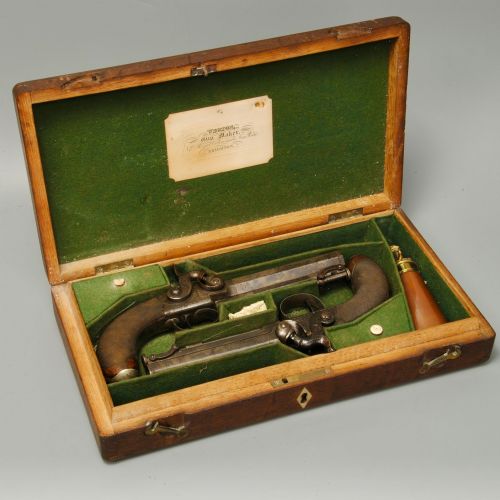


Antique Powder Case
An antique powder case is a pocket vanity essential, prized for its intricate enamel work and precious metals.
Antique Powder Case
An antique powder case, often appearing as a powder compact or vanity case, serves as a portable mirror and cosmetic container. When you search for an antique powder case, you encounter items designed for personal grooming during the nineteenth and twentieth centuries.
The versions most likely to meet you on this page date from the Art Deco period of the 1920s and 1930s. These twentieth-century pieces sit alongside earlier nineteenth-century examples and vanity sets.
Makers housed these cosmetic tools in forms ranging from simple metal boxes to elaborate combination compacts with lipstick holders. They reflect the changing social habits of women across the Victorian, Edwardian, and mid-century eras.
Materials and Techniques
Silversmiths and manufacturers utilised sterling silver, 9ct yellow gold, chrome, brass, and steel to build the rigid carcasses of these cases. Velvet, suede, and mirror glass typically line the interior compartments.
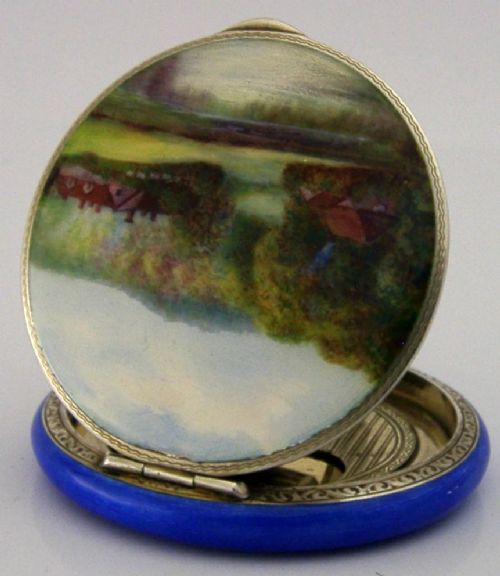
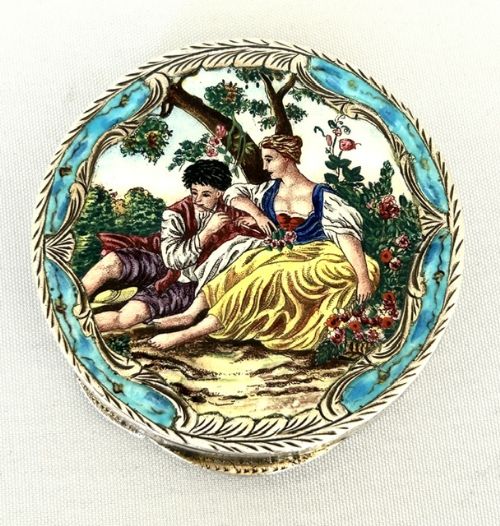
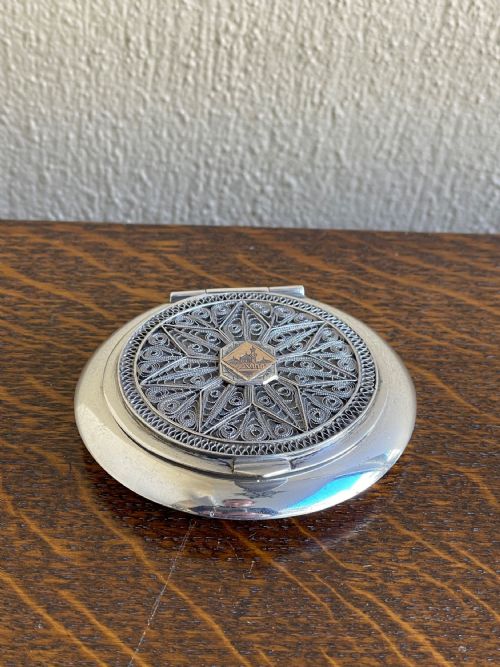
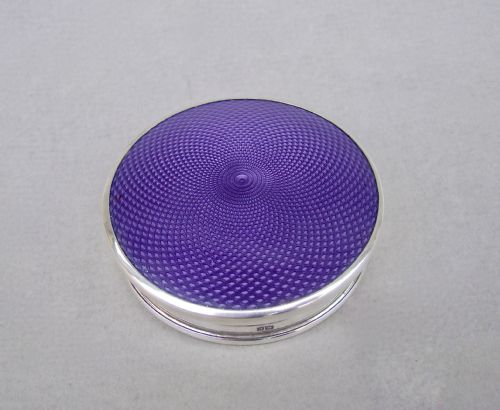
Enamel work provides the distinctive colour found on many examples, frequently applied using guilloche techniques over engine-turned metal. Filigree wirework and hand-painted scenes further decorate the metal surfaces.
Some cases were built to hold two faces at once, catering to the dual demands of a 1930s evening out.
Quality Variations
The tier of a piece depends on the preciousness of its structure, moving from chrome and base metals up to solid sterling silver, silver-gilt, and gold set with diamonds and rubies. Signed pieces by established jewellers carry distinct design distinction.
The complexity of the decoration determines the division between standard production and fine craftsmanship. Intricate guilloche enamel patterns and hand-painted pictorial scenes require a higher degree of artisan skill than plain metal stamping.
Henry Matthews·Henry Perkins and Sons·Richard Hudnut·Van Cleef and Arpels·Cartier
The Antique Powder Case Glossary
- Guilloche enamel
- A decorative technique where an intricate geometric pattern is engraved beneath a translucent layer of coloured enamel. This method creates a shimmering background that catches the light differently as the case moves.
- Sterling silver
- An alloy consisting of silver and other metals, usually copper, standardised for durability and purity. It forms the structural body of many finer compacts.
- Silver-gilt
- Silver that has been coated with a thin layer of gold on its surface. This finish combines the strength of a silver base with the warm appearance of gold.
- Engine turned
- A method of mechanical ornamentation applied to metal using a lathe to cut precise, repetitive geometric patterns. It provides a textured foundation for enamel layers.
- Filigree
- Delicate jewellery-making work consisting of twisted threads of precious metal soldered together in openwork designs. It frequently appears on Persian and eastern export pieces.
Antique Powder Case: Frequently Asked Questions
What is an antique powder case?
An antique powder case is a small portable container used by women during the nineteenth and twentieth centuries for carrying cosmetic face powder and a mirror. These items range from simple utilitarian brass boxes to elaborate vanity accessories.
Many examples incorporate compartments for powder puffs, rouge, and lipsticks. They serve as portable vanity tables designed to fit inside a handbag or evening purse.
How do I date my compact?
Dating a compact involves examining the materials, stylistic motifs, and any hallmarks stamped into the metal. Pieces from the 1920s and 1930s typically display geometric Art Deco styling and bright enamel colours.
British silver cases often carry assay office marks and date letters that pinpoint the exact year of manufacture. Earlier nineteenth-century pieces display heavier construction and different decorative revivals.
What materials were used?
Makers constructed these cases from a variety of metals including sterling silver, gold, chrome, brass, and steel. Exterior surfaces were frequently embellished with coloured enamel, suede, and gemstones.
Interiors generally feature fitted mirrors, metal sifts for loose powder, and occasionally original fabric linings made of velvet or silk. The choice of material usually reflects the social status of the original owner.
How do I display them?
These cases suit placement inside glass-topped display cabinets or vanity trays where their decorative lids remain visible. Their compact size allows collectors to arrange several pieces together in a small space.
Opening selected cases slightly can showcase the fitted mirrors and interior compartments. Keeping them away from direct sunlight protects any delicate enamel colours from fading over time.