



Mid Century Pastel Drawing
A mid century pastel drawing brings direct, textured colour and line into a room through works on paper.
Mid Century Pastel Drawing
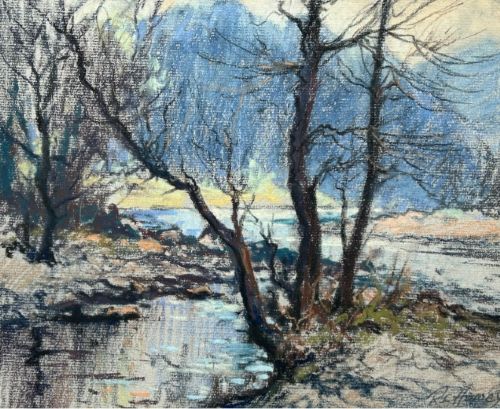
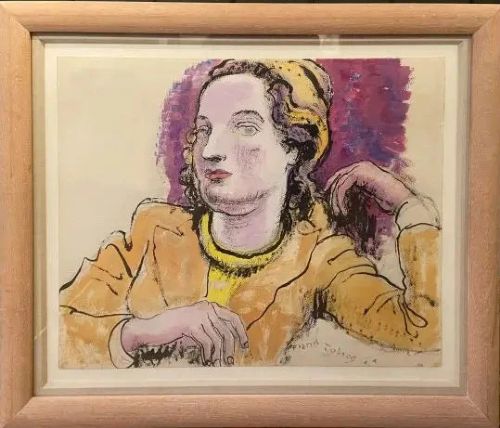
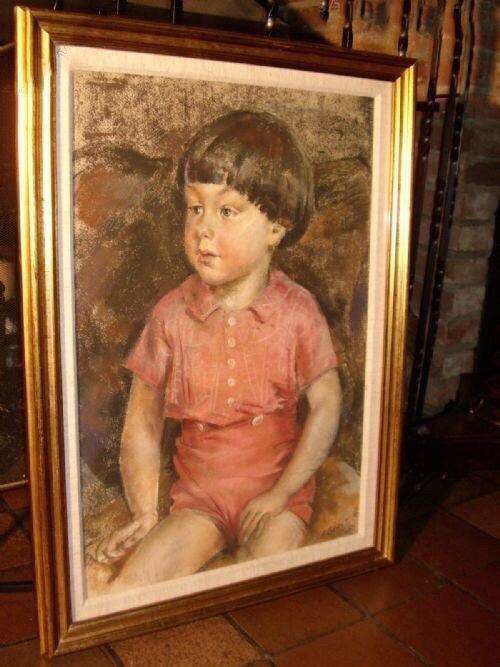
When you search for a mid century pastel drawing, you encounter original works that capture figures, landscapes, and interiors from the middle decades of the twentieth century. These pieces record the everyday scenes, portraits, and rural views that engaged artists working in Britain during the period.
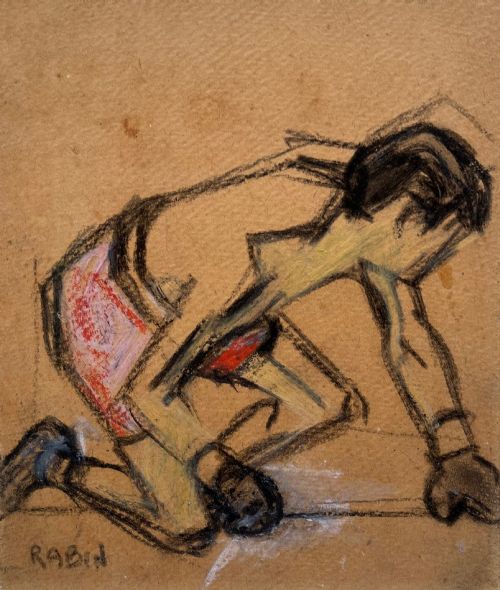
The version you are most likely to meet on this page combines pastel with media such as gouache, charcoal, or watercolour on paper. Such works range from intimate studies of sitters to sweeping regional landscapes.
Works span modernist explorations and traditional realism, reflecting the varied currents of twentieth century British art. Framed securely behind glass, these drawings preserve the soft pigment layers applied by the artist's hand.
Materials and technique
Artists relied primarily on pastel sticks applied directly to paper, often combining chalk, charcoal, or gouache to build depth and contrast. Coloured paper surfaces frequently served as a mid-tone base for the composition.
Many works were protected beneath glass within wood frames, which preserved the friable pigment from disturbance. The support papers varied in weight and texture, influencing how the dry medium adhered.
Listings feature paper, pastel, wood, glass, gouache, charcoal, watercolour, and chalk across works dated from the Victorian era through the mid-twentieth century.
What separates the work
Quality rests upon the sureness of the draughtsmanship and the strength of the composition rather than the finish alone. Works that capture gesture and form with economy command attention.
The preservation of the pigment layer without excessive rubbing or loss determines the integrity of the drawing. Stronger examples maintain the crispness of the original mark-making beneath glass.
Frank Dobson·John Rattenbury Skeaping·Aubrey Sykes·Angus Rands·Robert Leslie Howey
The Mid Century Pastel Drawing Glossary
- Pastel
- A dry painting medium consisting of powdered pigment and a binder, shaped into sticks. It allows for direct application of rich colour onto paper.
- Gouache
- An opaque water-based paint often used alongside pastel to add solid highlights and dense areas of tone. It provides a flat, matte finish.
- Charcoal
- A form of dry carbon used for initial sketching or bold linear work beneath and within the pastel layers. It creates deep, velvety blacks.
- Support
- The physical surface, typically paper or coloured paper, upon which the artist executes the drawing. Its tone and texture interact directly with the dry medium.
Mid Century Pastel Drawing: Frequently Asked Questions
How should I hang a pastel drawing?
Keep pastel works out of direct sunlight to prevent the pigments from fading over time. Position them away from damp areas to protect the paper support.
Ensure the frame remains properly sealed behind glass so that loose pigment particles do not drift inside the mount.
Are these drawings signed?
Many examples feature signatures or initials from the artist, sometimes accompanied by dates or location notes. Unsigned works still appear when the hand and style match known studio practices.
Check the lower corners or reverse of the paper for inscriptions that identify the maker or subject.
What subjects appear in these works?
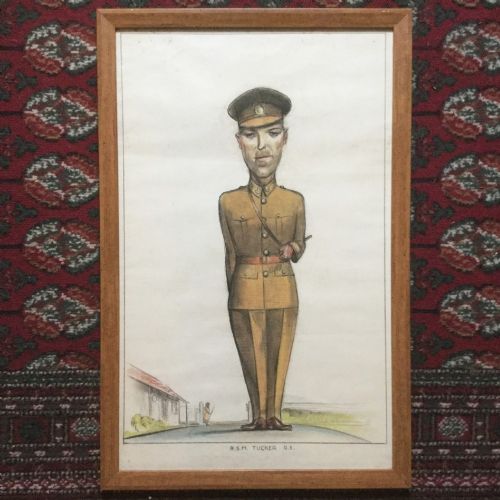
Portraits make up a significant portion of the pieces, capturing sitters from children to military officers and performers. Landscapes depicting Yorkshire, Cornwall, and local towns also recur frequently.
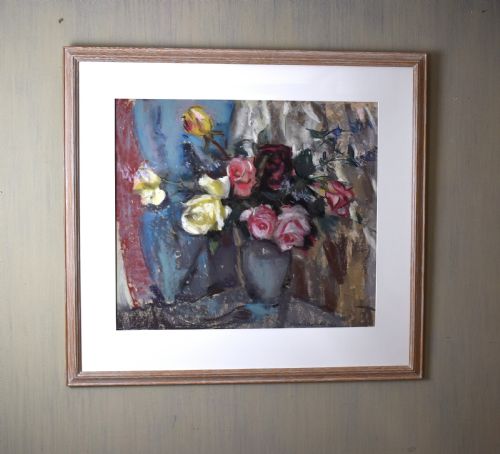
Still life arrangements of flowers and figurative studies of models complete the range of subjects.
How do I distinguish mid-century works from Victorian ones?
Mid-century pieces typically show the looser handling, bolder colour choices, and modernist or post-impressionist influences of the nineteen-fifties and sixties. Victorian examples lean towards traditional realism and tighter academic portraits.
Examining the framing style, paper type, and artist dates helps clarify the period of creation.