



Pastel Landscape Artwork
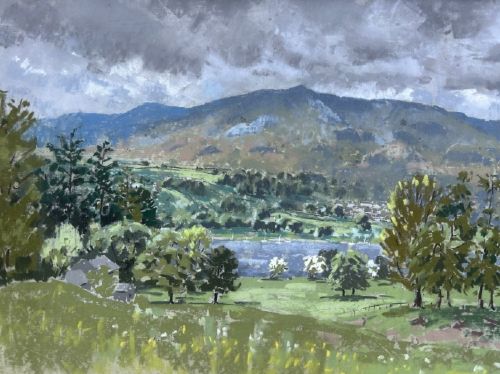
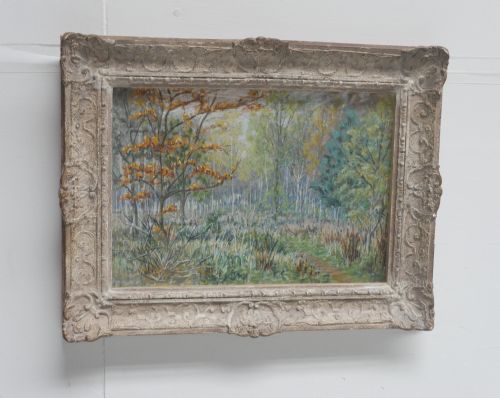
Pastel landscape artwork brings soft light and rich pigment directly to walls, offering atmospheric views from coastal harbours to quiet woodlands.
Pastel Landscape Artwork
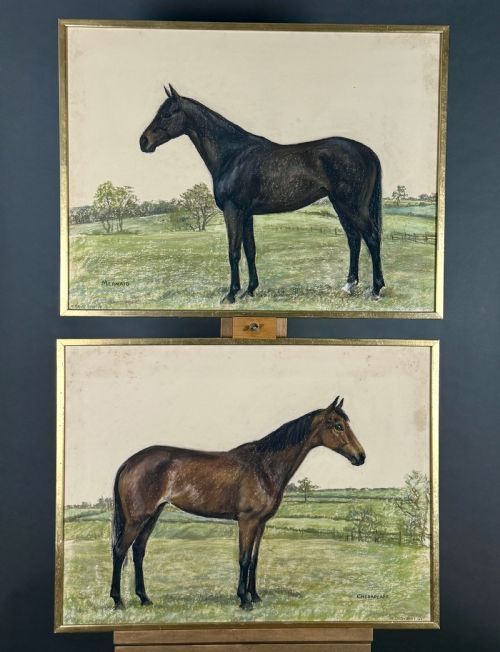
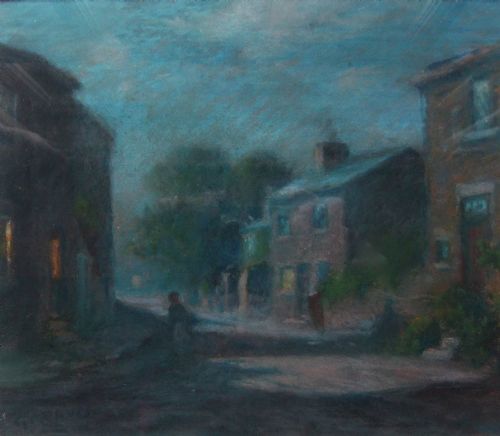
When you search for pastel landscape artwork, you encounter delicate works on paper capturing natural scenes across varied periods. These pieces range from Victorian visions to twentieth-century views rendered with dry pigment.
The selections span serene rural spots like Devon Dartmoor and coastal scenes in Cornwall or France. You meet both intimate drawings and larger framed compositions featuring rivers, trees, and harbours.
Makers recorded here span the late nineteenth century through to the nineteen-sixties, reflecting changing regional schools and British impressionism. Works appear under labels such as pastel drawing, framed artwork, and wall art.
Materials and methods
Artists apply dry pastel sticks directly to paper or canvas, often combining pastel with gouache, watercolour, or ink pen. This dry medium achieves a velvety texture and subtle blending of colour.
Works typically sit behind glass within wood or gilt wood frames to protect the delicate surface from smudging. Some pieces layer watercolour beneath the pastel to build depth in skies and foliage.
Listings incorporate works spanning from eighteen-ninety through the nineteen-sixties, utilising paper, pastel, gouache, and watercolour.
Judging quality in pastel works
Quality rests upon the artist's handling of light and pigment density across the paper surface. Stronger examples display confident mark-making that creates palpable atmosphere rather than flat colour application.
The condition of the paper and the integrity of the framing protect the fragile medium over decades. Superior pieces retain vibrant pigment without excessive loss or fading behind the glass.
Joseph Knight·William Greaves·Gyrth Russell·John Hobson Nicholson·Berthe des Clayes·John Abernethy Lynas-Gray·Henry Wimbush·Walter Holmes·Bertouch·Augustus William Enness·Angus Rands·Lamorna Birch·Henry Bright
The Pastel Landscape Artwork Glossary
- Pastel
- A medium consisting of powdered pigment combined with a binder and shaped into sticks. It offers immediate colour saturation and soft blending capabilities.
- Gouache
- An opaque water-based paint often used alongside pastel to add solid highlights and dense areas of tone. It provides a flat, matte finish.
- Impressionism
- A nineteenth-century painting style focusing on transient effects of light and spontaneous brushwork. Artists working in this manner prioritize atmospheric capture over rigid detail.
- Post-Impressionism
- An art movement extending impressionist techniques while exploring emotional depth and structural form. Works in this style use distinct brushstrokes and vibrant palettes.
- Gilt Wood
- Wood treated with a thin layer of gold leaf or metallic paint used for picture frames. It adds a reflective border that complements the soft tones of the artwork.
Pastel Landscape Artwork: Frequently Asked Questions
How should I hang pastel landscape artwork?
Keep pastel pieces away from direct sunlight to prevent the delicate pigments from fading over time. Position them on interior walls where temperature and humidity remain relatively stable.
Ensure the artwork stays securely sealed behind glass within its frame to protect the fragile powdery surface from airborne moisture and accidental contact.
What periods do these landscapes cover?
The selections span from the nineteenth century through the Edwardian era and into the mid-twentieth century. You find works dated from eighteen-ninety up to nineteen-sixty.
Different decades bring distinct artistic approaches, ranging from Victorian detail to twentieth-century British school impressionism.
Are these works always on paper?
Pastel pieces primarily utilise paper as a support medium for the dry pigment sticks. Some examples combine pastel with watercolour or gouache on paper substrates.
A few listings incorporate canvas or board when artists blend pastel with oil painting techniques.
How do I identify different regional schools?
Listings often reference specific locations such as Devon, Cornwall, France, or Venice within the titles. Artists frequently recorded local scenery through the lens of regional British and French impressionism.
Examining the recorded geography and stylistic markers reveals whether a piece belongs to the 20th Century British School or continental traditions.