



Mid Century Pastel Painting
These mid century pastel painting works capture light and form through soft pigments on paper, bringing distinct twentieth-century character to any interior.
Mid Century Pastel Painting
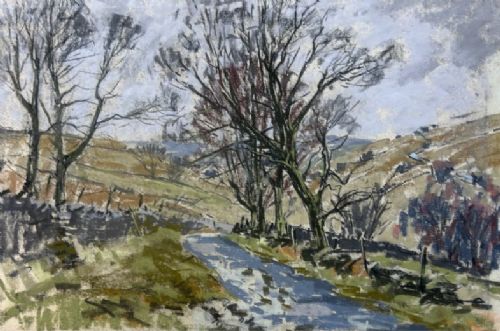
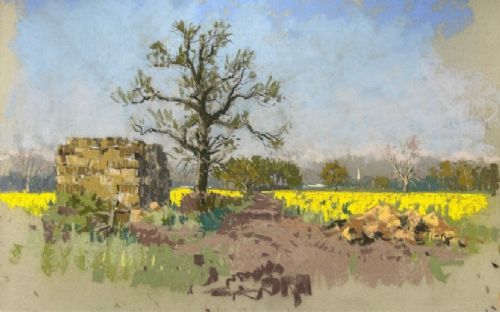
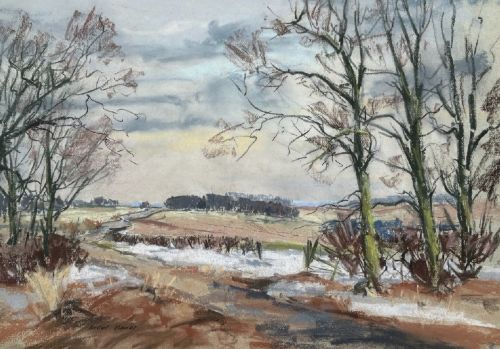
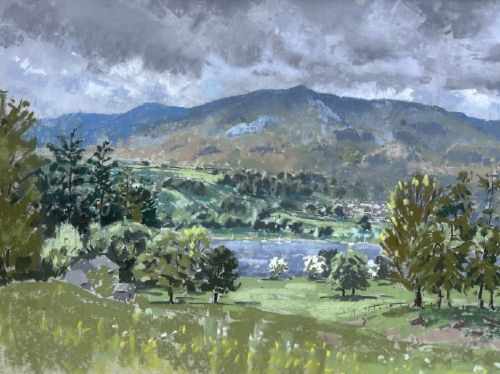
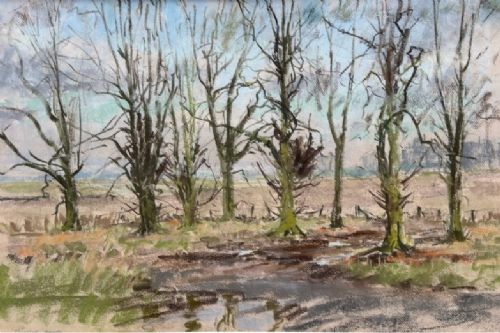
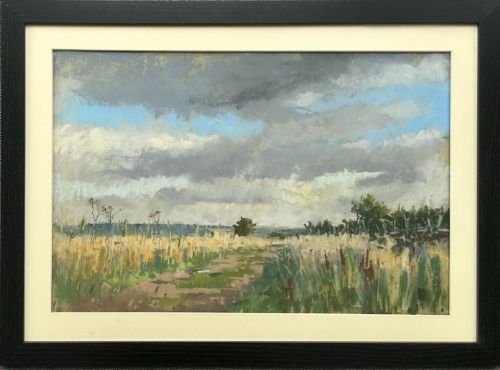
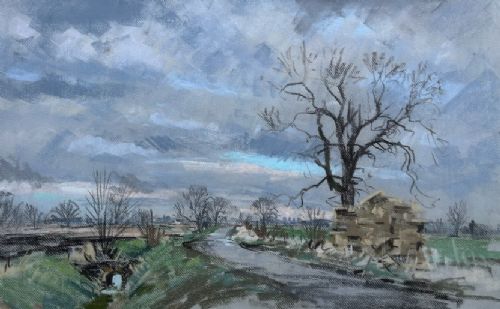
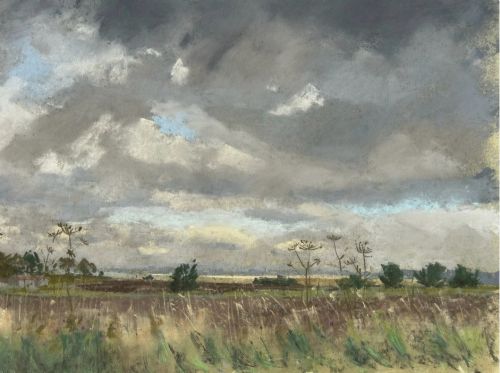
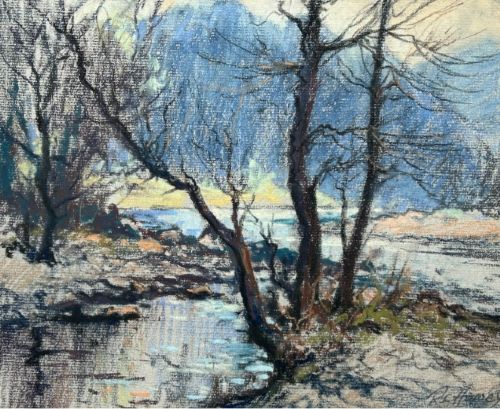
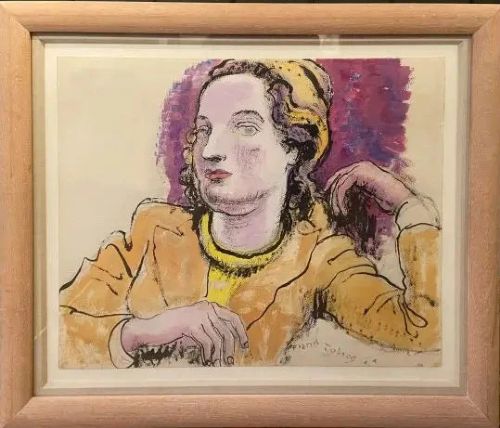
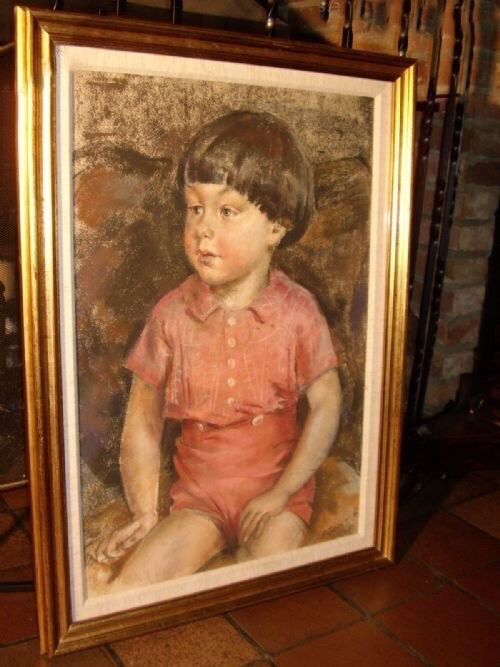
A mid century pastel painting brings together works created primarily across the middle decades of the twentieth century, alongside select pieces from Victorian, Edwardian, and nineteenth-century periods. These artworks range from landscapes depicting Yorkshire and Cornwall to intimate figure studies, portraits, and still lifes.
Buyers will most frequently encounter original pastel drawings on paper, often combined with gouache, chalk, or watercolour. These pieces encompass styles such as Modern British, Mid-Century Modern, and British Impressionism.
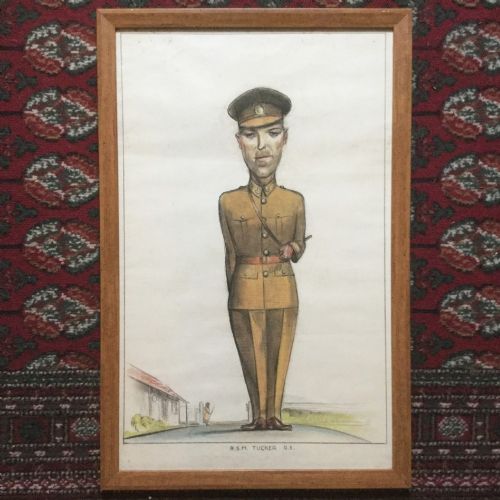
The subjects extend from sweeping winter scenes and coastal harbours to striking portraits of military officers, ballerinas, and female nudes. Each piece offers a direct window into the artistic vision of its period.
How They Were Made
Artists utilise pastel pigments alongside chalk, gouache, and watercolour applied directly to paper surfaces to build texture and tone. These fragile mediums capture light with a distinctive softness that differs fundamentally from heavier oil paints.
Works are frequently housed behind glass within wooden frames to protect the delicate pigment layers from disturbance and environmental moisture. This framing safeguards the paper base and the friable surface of the drawing.
Mid Century Pastel Painting Retail Price Guide 2026
Typical asking prices for mid century pastel painting among the pieces listed under this phrase on Sellingantiques today, from the lower quarter to the upper quarter. They describe what is for sale here now, not the wider market.
A charming portrait of a stylish cat executed in oil pastels demonstrates that even feline subjects received high artistic attention.
What Varies in Quality
The strength of the composition and the surety of the draughtsmanship distinguish the finest works from more routine examples. Masterful handling of light, particularly in landscape and portrait formats, elevates an artist's output.
Condition plays a vital role, specifically the preservation of the pigment layer beneath glass and the stability of the original paper support against fading or foxing.
Angus Rands·Robert Leslie Howey·Frank Dobson·J.A.Grant·Gyrth Russell·Arthur Todd·Denis William Reed·Robert Faulkner·Lena M Alexander·Aubrey Sykes
The Mid Century Pastel Painting Glossary
- Pastel
- A medium consisting of powdered pigment combined with a binder and moulded into a stick for drawing. It produces rich, velvety surfaces with unique light-reflecting qualities.
- Gouache
- An opaque water-based paint often used alongside pastels to add highlights and solid colour blocks. It dries to a matte finish.
- Chalk
- A soft mineral material utilised for initial sketching or combined directly with pastel pigments. It provides firm lines within a composition.
- Watercolour
- Transparent pigment suspended in water-soluble vehicle, frequently appearing in mixed media works alongside pastel and gouache.
- Post-Impressionism
- An artistic movement extending beyond Impressionism that focuses on symbolic content and expressive use of form and colour.
Mid Century Pastel Painting: Frequently Asked Questions
How should I display a pastel painting safely?
Keep these artworks away from direct sunlight to prevent the delicate pigments from fading over time. Ensure they remain securely framed behind glass to protect the friable surface from physical contact.
Position them in rooms with stable humidity levels to maintain the integrity of both the paper support and the wooden frame.
What subjects are common in these mid century works?
Landscapes feature prominently, particularly scenes from Yorkshire, Cumbria, and various coastal locations. Portraits of military officers, dancers, and models also appear frequently alongside still lifes of flowers.
These diverse subjects reflect the varied interests of British artists working through the middle decades of the twentieth century.
How do I identify the date of a piece?
Examine the signature, framing, and stylistic markers which often align with specific periods such as the nineteen-fifties or nineteen-sixties. Documentation from studio portfolios can also provide reliable chronological context.
Compare the handling of medium and subject matter against known examples from the same artist or regional school.
Are pastels painted on canvas or paper?
The listings show that pastel works are executed primarily on paper supports rather than canvas. These paper surfaces are frequently paired with chalk, gouache, or watercolour.
Artists rely on the tooth of the paper to hold the powdered pigment grains securely in place.