

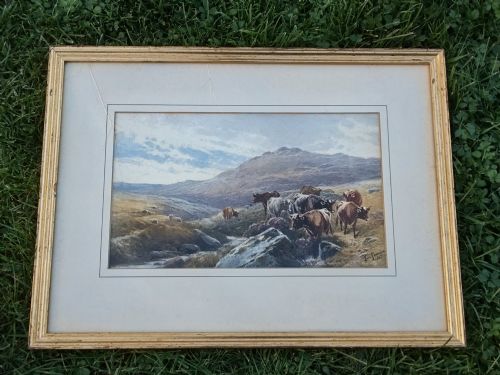
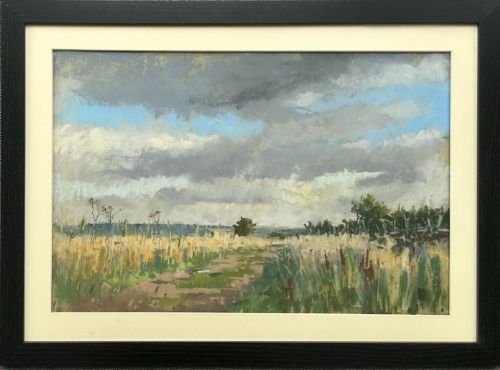

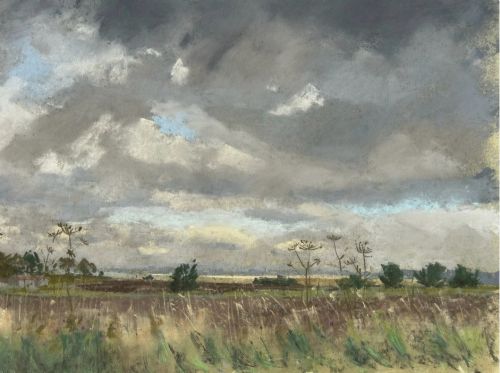
Vintage Landscape Drawing Paper
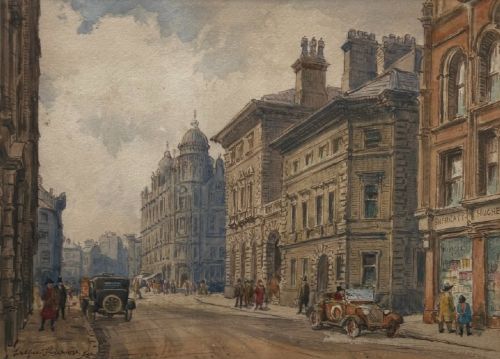
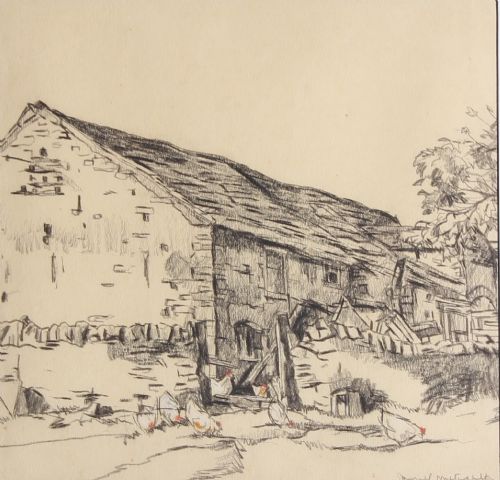
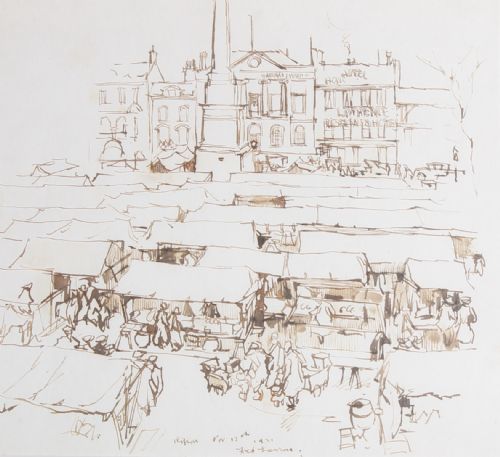
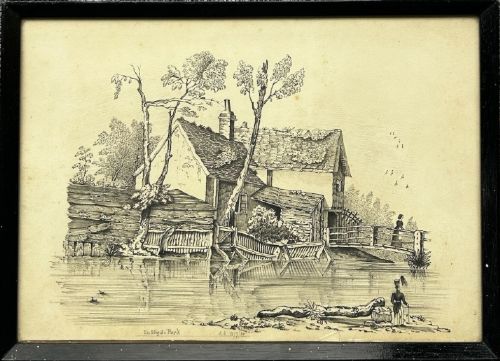
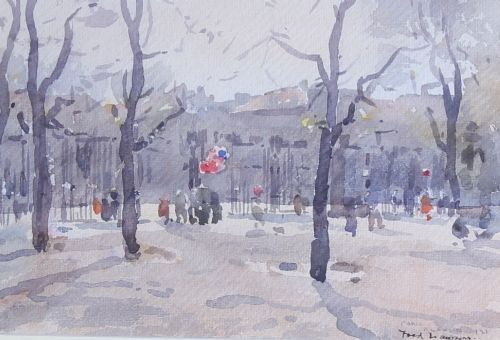
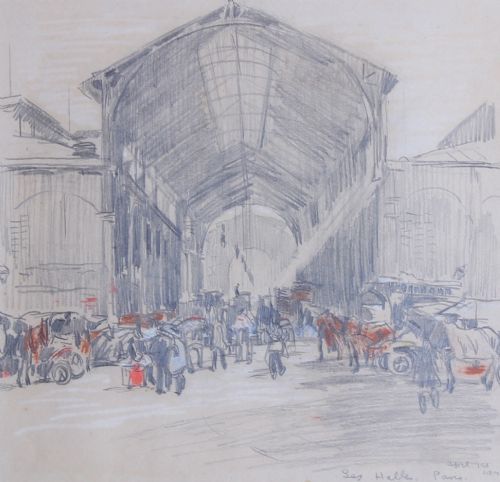
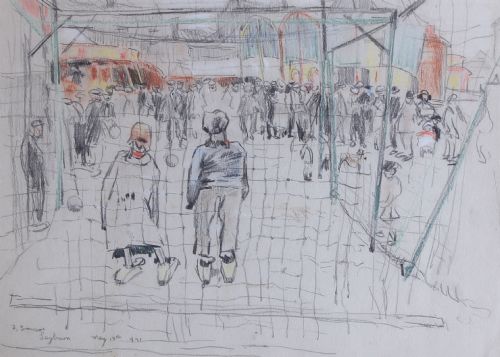
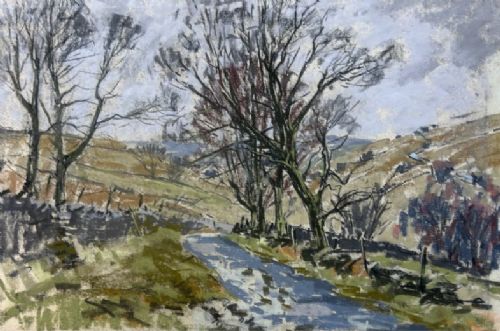
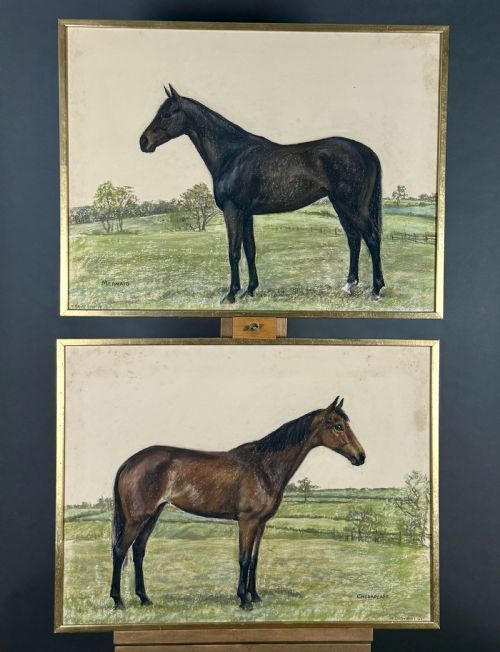
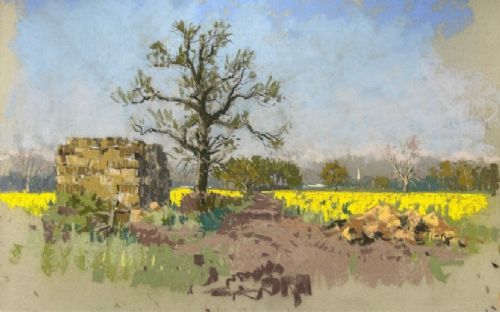
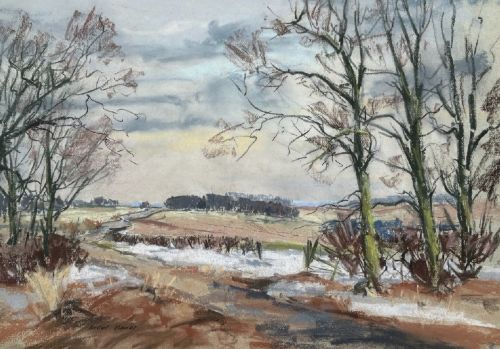
When you search for vintage landscape drawing paper, you are looking at original works on paper capturing scenery from the nineteenth and twentieth centuries.
Vintage Landscape Drawing Paper
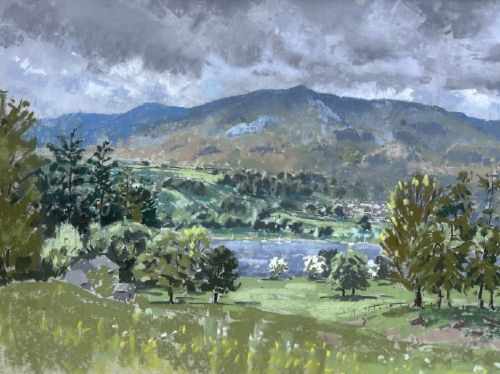
When you search for vintage landscape drawing paper, you encounter original works on paper spanning the late eighteenth century through to the mid twentieth century. These pieces record rural scenes, townscapes, and architectural views created by British and European artists working in various regional traditions.
The selections include works framed behind glass alongside unframed sheets preserved from portfolios. Subject matter ranges from Yorkshire dales and Cumbrian lakes to French provincial views and urban street scenes.
How these works were made
Artists executed these compositions directly onto paper using mediums such as watercolour pigment, pastel, pencil, ink, and charcoal. Supporting materials typically include wooden frames and glass protection to preserve the delicate drawing surfaces.
Techniques combine linear ink work with washes of watercolour, or employ the heavy pigment application characteristic of mid-century pastel drawings. These methods rely on the interaction between the drawing medium and the absorbent qualities of the paper substrate.
Vintage Landscape Drawing Paper Retail Price Guide 2026
Typical asking prices for vintage landscape drawing paper among the pieces listed under this phrase on Sellingantiques today, from the lower quarter to the upper quarter. They describe what is for sale here now, not the wider market.
The selection includes works executed across the nineteenth and twentieth centuries, utilising paper, ink, watercolour, pastel, and charcoal.
What varies in quality
The standard of execution depends upon the sureness of the hand and the sensitivity with which the artist handles tone and atmosphere. Works displaying confident mark-making and clear compositional structure stand apart from more hesitant studies.
Preservation of the paper surface and the vibrancy of fugitive pigments also determine the standing of an individual piece. Works that retain their original colour saturation without excessive fading or discoloration represent the upper tier of the medium.
Muriel Metcalfe·Angus Rands·Thomas Rowden·Cecil Keeling·Henry Percy Huggill·Alfred Young Nutt·Fred Lawson·Henry de Waroquier·William Greaves·William Manners·Charles James Lauder·John Hobson Nicholson·Edward Dayes·Irene Lagut·Yves Brayer·George De Paris·Frank Saltfleet
The Vintage Landscape Drawing Paper Glossary
- Pastel
- A dry drawing medium consisting of powdered pigment and a binder, applied directly to paper to create rich, velvety colour fields. Pastels require protection under glass due to their friable nature.
- Wash
- A thin, transparent layer of diluted watercolour pigment applied to paper with a brush to create skies, water, or atmospheric depth. Painters use successive washes to build up tonal complexity.
- Works on paper
- A collective category encompassing drawings, watercolours, pastels, and prints executed on paper supports. This term distinguishes graphic art from oil paintings on canvas.
- Mixed media
- An artwork combining two or more distinct drawing or painting materials, such as ink and watercolour used together on a single sheet. This approach allows artists to blend linear precision with tonal colour.
Vintage Landscape Drawing Paper: Frequently Asked Questions
How should I frame a vintage drawing?
Protect the paper by using acid-free mounts and framing the work behind glass to prevent atmospheric damage.
Keep the piece away from direct sunlight to preserve the fugitive pigments found in watercolours and pastels.
What is the difference between pastel and watercolour?
Watercolour employs transparent pigment suspended in water and applied with a brush to create fluid washes.
Pastel uses dry pigment sticks applied directly to create opaque, textured surfaces that sit on top of the paper.
How can I tell the period of a drawing?
Examine the paper type, framing materials, and stylistic conventions used by the artist to indicate the era.
Signatures, dates inscribed on the reverse, and artist biographies provide definitive chronological markers.
Are these works always unique?
The selection consists primarily of original drawings, paintings, and unique mixed media studies executed by hand.
Such individual sheets differ fundamentally from mass-produced mechanical prints and architectural reproductions.