

Mid Century Ornaments
These mid century ornaments bridge decades of craftsmanship, bringing character and sculptural form to modern interiors.
Mid Century Ornaments
Mid century ornaments encompass a diverse range of decorative sculptures, figurines, and vases produced across multiple decades.
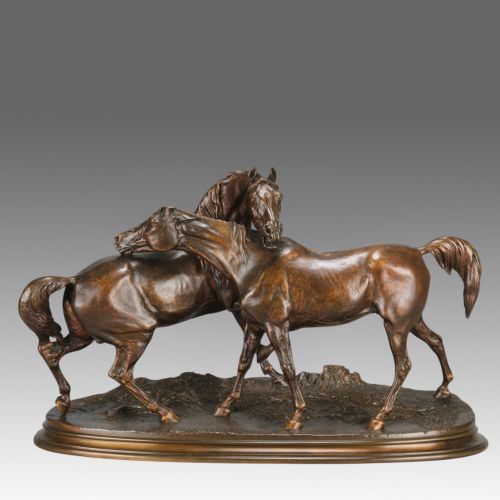
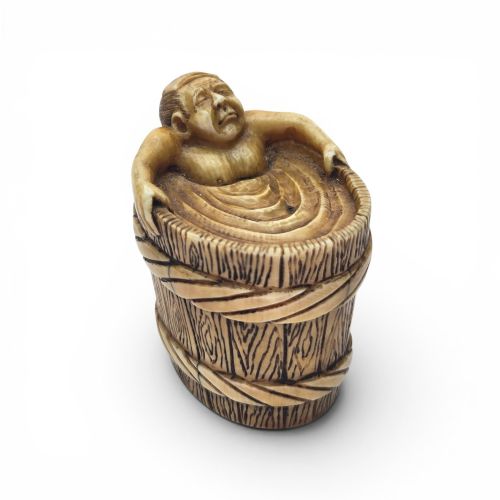
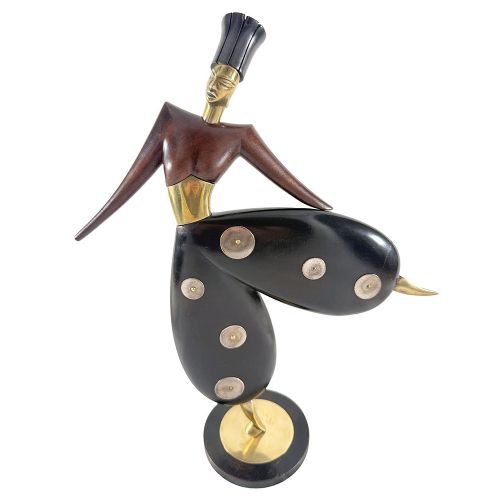
Buyers will encounter everything from mid-century European modernist brass figures to detailed nineteenth-century bronze casts and delicate porcelain birds.
Materials and Methods
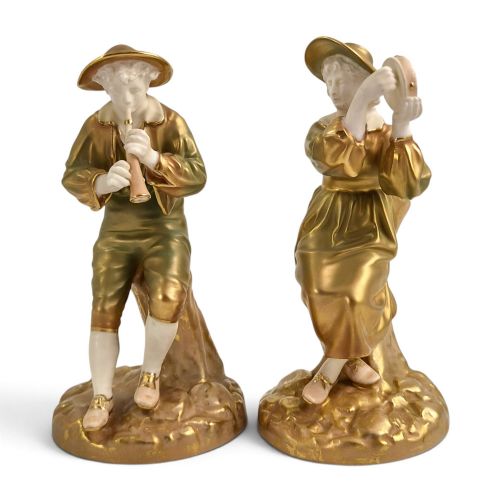
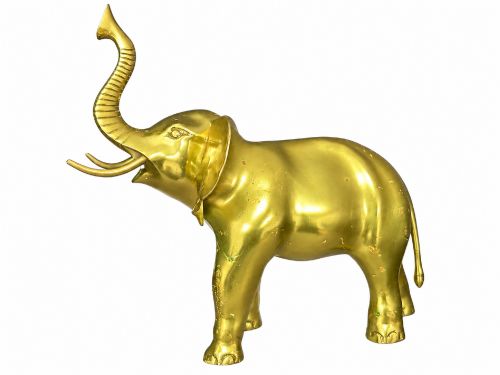
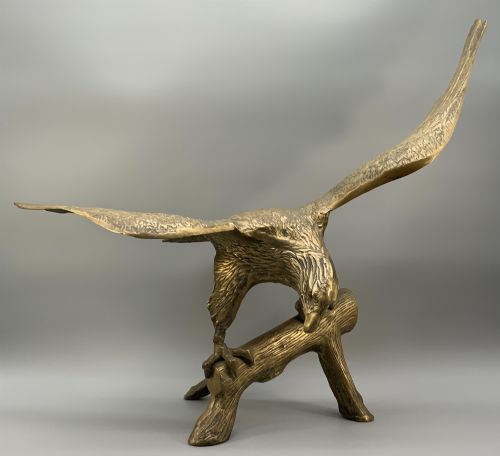
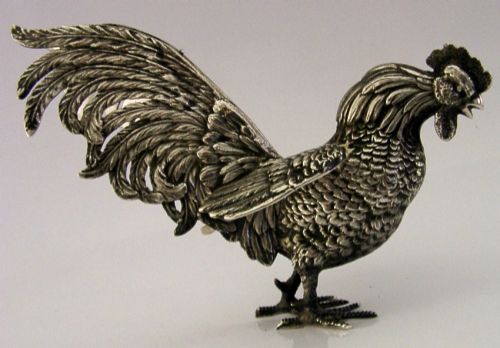
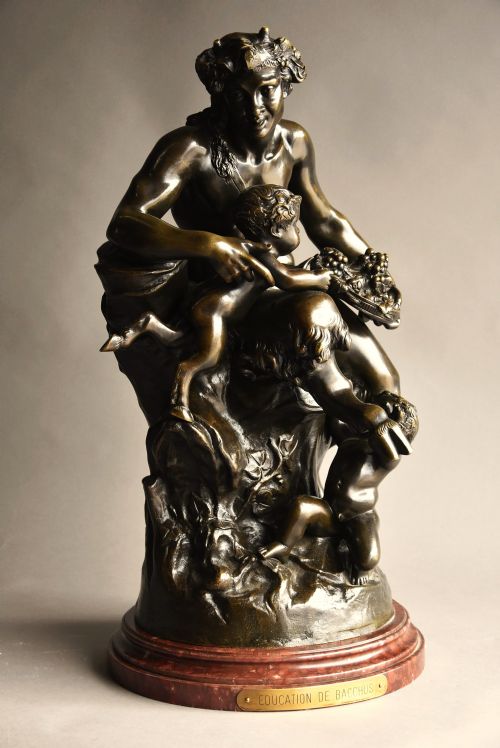
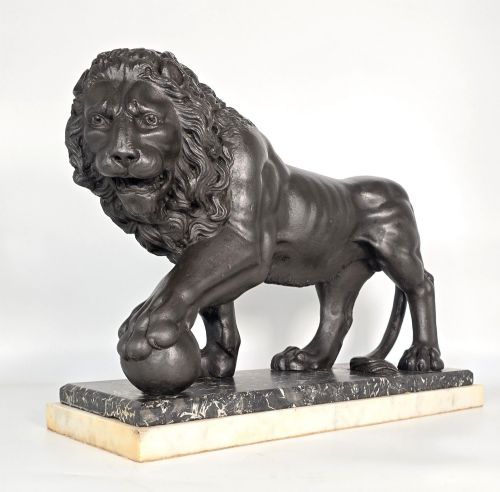
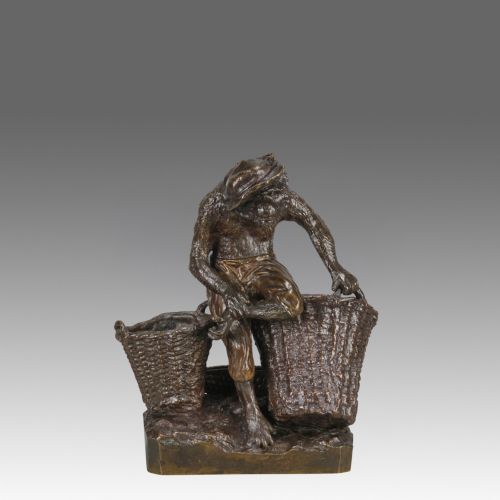
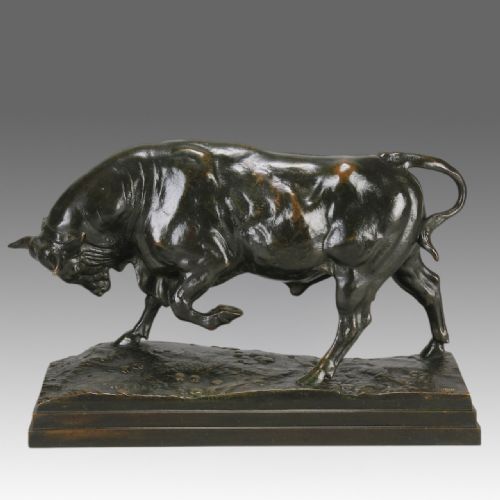
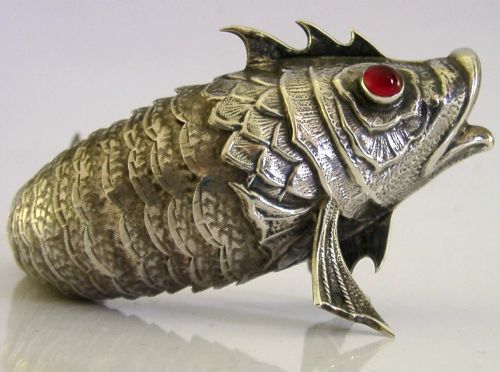
Metalwork dominates the selection, utilising cast bronze, solid silver, brass, and gilt finishes shaped into intricate animal forms and human figures.
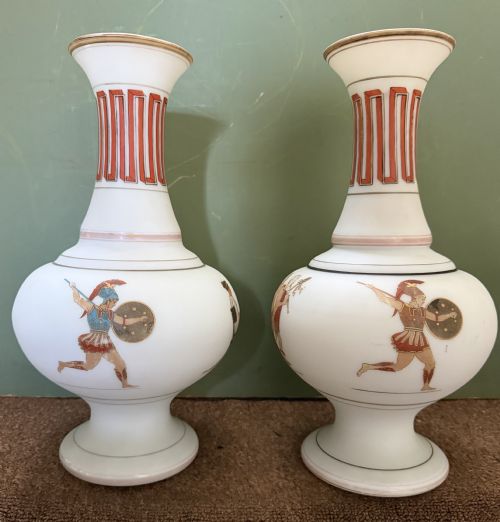
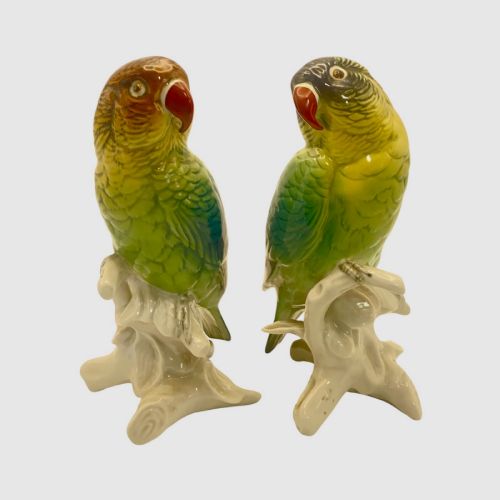
Ceramic and glass pieces utilise traditional techniques, including hand-painted porcelain, glazed earthenware, and moulded opaline glass.
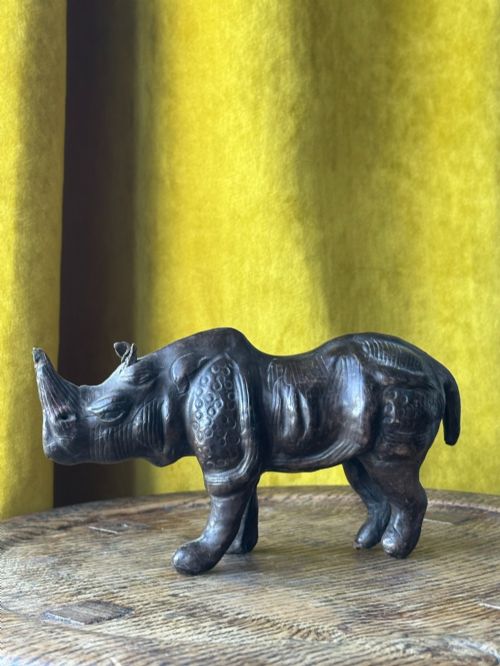
Carved wooden ornaments employ dense timbers, often paired with brass elements or leather bindings to create stylised mid-century silhouettes.
Mid Century Ornaments Retail Price Guide 2026
Typical asking prices for mid century ornaments among the pieces listed under this phrase on Sellingantiques today, from the lower quarter to the upper quarter. They describe what is for sale here now, not the wider market.
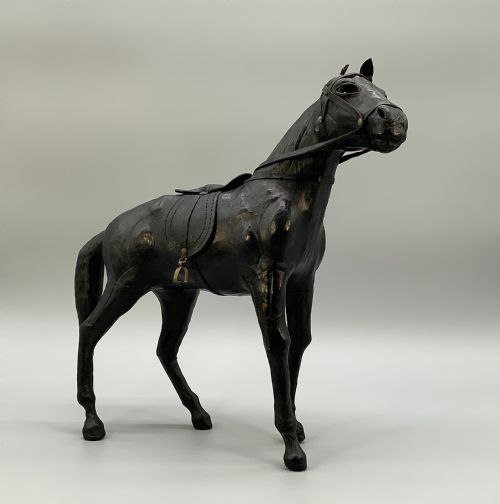
Materials range from solid silver and marble to earthenware, leather, and opaline glass.
Assessing Quality
The distinction between tiers rests upon the crispness of the casting in metals and the finesse of hand-painting on ceramics.
Signed works by established makers demonstrate superior handling of proportions and anatomical detail compared to unmarked production pieces.
Karl Ens·Claude Michel Clodian·Christophe Fratin·P J Mêne·Antoine Louis Barye·George Philips and Son Ltd·Sier Kunst·Thomas Parr·Joseph Constant·Edward Aagaard·Laszlo Hoenig·Isidore Jules Bonheur·Kerr and Binns·T.J Jones·Mario Bucellati·Karl Tutter
The Mid Century Ornaments Glossary
- Animalier
- A nineteenth-century artistic movement focused on the realistic depiction of animals, particularly in bronze.
- Opaline glass
- A type of semi-opaque glass popular in nineteenth-century France, often tinted in pastel shades and painted.
- Staffordshire pottery
- Earthenware figures produced in the Staffordshire potteries, frequently depicting animals or historical figures.
- Grand Tour
- A cultural tour of Europe undertaken by wealthy young men in the eighteenth and nineteenth centuries, yielding classical souvenirs.
Mid Century Ornaments: Frequently Asked Questions
What defines an animalier sculpture?
Animalier sculptures focus specifically on the naturalistic behaviour and anatomy of animals. These pieces are predominantly cast in bronze by nineteenth-century European artists.
Collectors prize them for their anatomical accuracy and expressive poses, capturing creatures in motion or repose.
How do I display mid-century ornaments?
These decorative objects work best when given adequate space on bookshelves, sideboards, or mantelpieces. Mixing materials like bronze, wood, and porcelain creates visual depth.
Pairing heavier metal sculptures with delicate glass vases balances the overall arrangement of a room.
Are these pieces purely decorative?
While most function as standalone sculptures or figurines, some historic items served secondary purposes. Examples include Staffordshire quill holders and silver desk ornaments.
Even functional items were designed with high aesthetic value to suit formal interior spaces.
How are different periods identified?
Dating relies upon material composition, casting techniques, and stylistic markers associated with specific decades. Victorian pieces often feature ornate Staffordshire pottery or classical bronze casting.
Mid-century items lean toward stylised wooden forms, simplified brass shapes, and modernist silhouettes.