

Mid Century Oak Cabinet
A mid century oak cabinet brings sturdy timber and practical storage into a room, offering enduring utility across diverse interior styles.
Mid Century Oak Cabinet
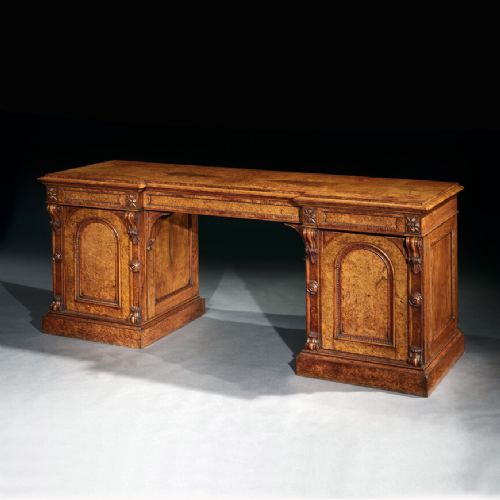
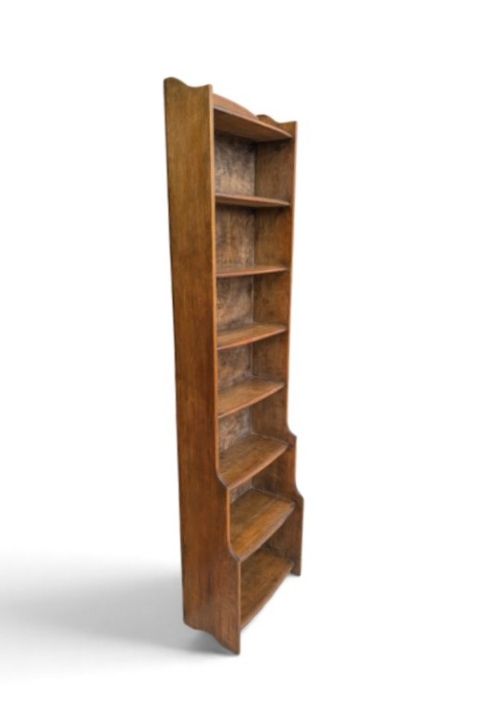
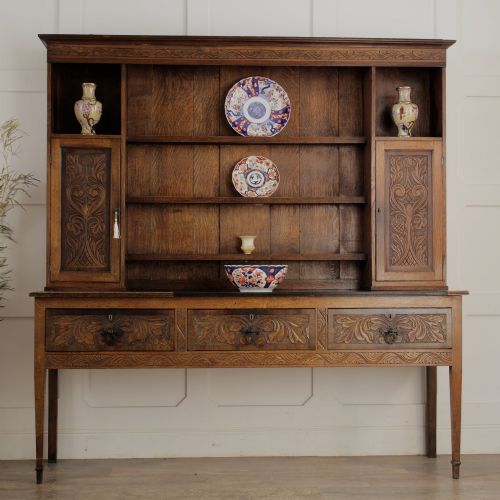
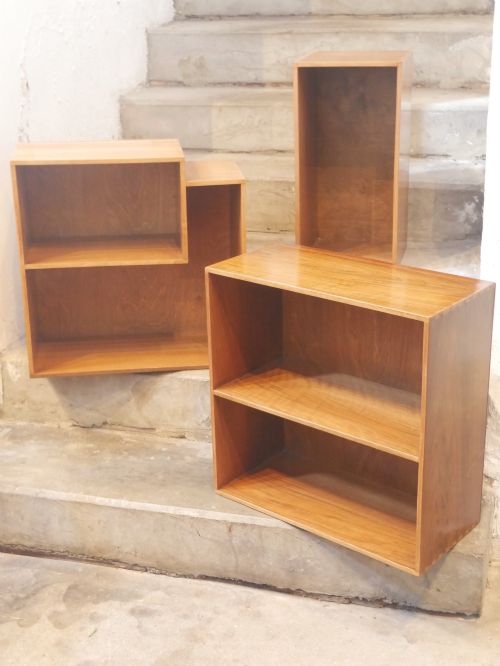
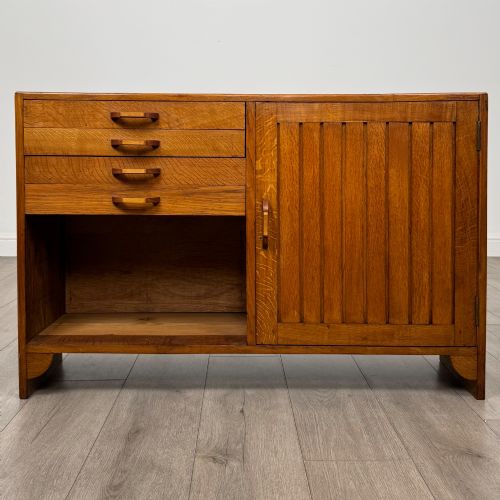
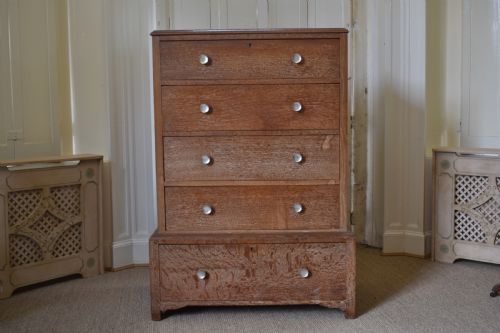
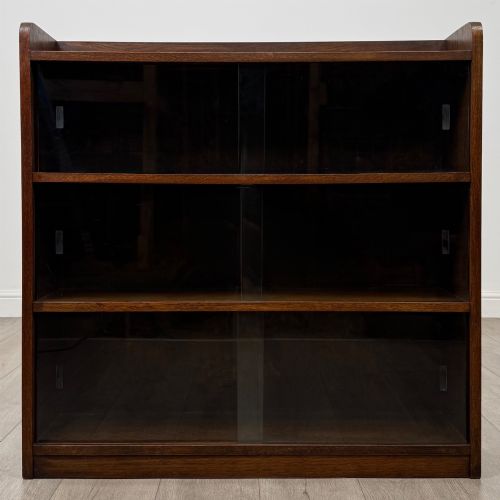
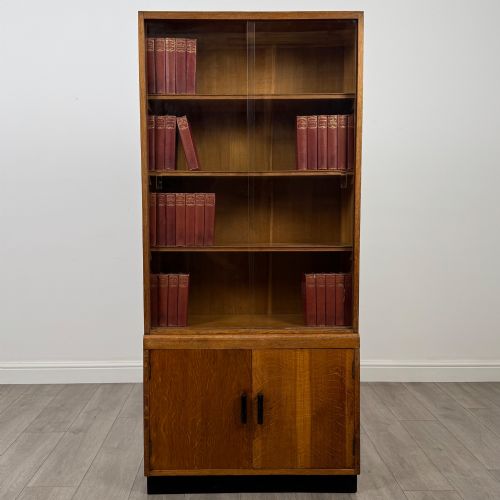
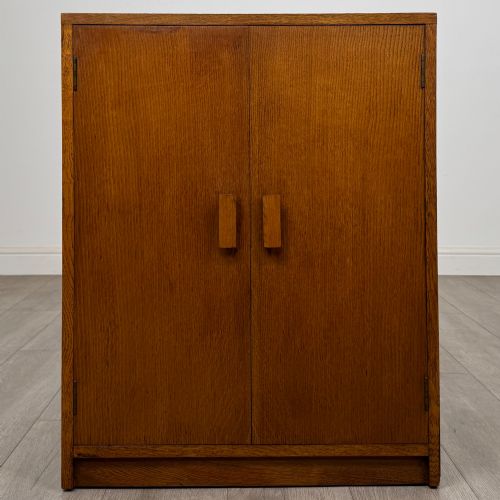
When you search for a mid century oak cabinet, you encounter a practical storage piece built from resilient timber, spanning filing units, sideboards, bookcases, and display cases. These items emerge from various periods including Edwardian, 1930, 1940, 1950, and earlier centuries, yet share a focus on robust daily function.
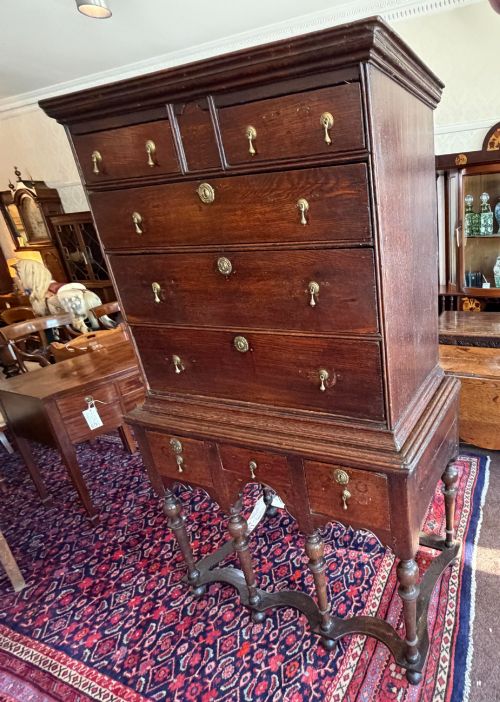
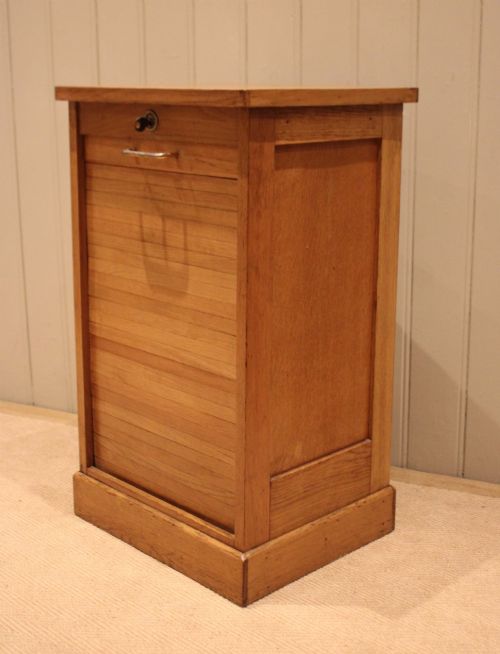
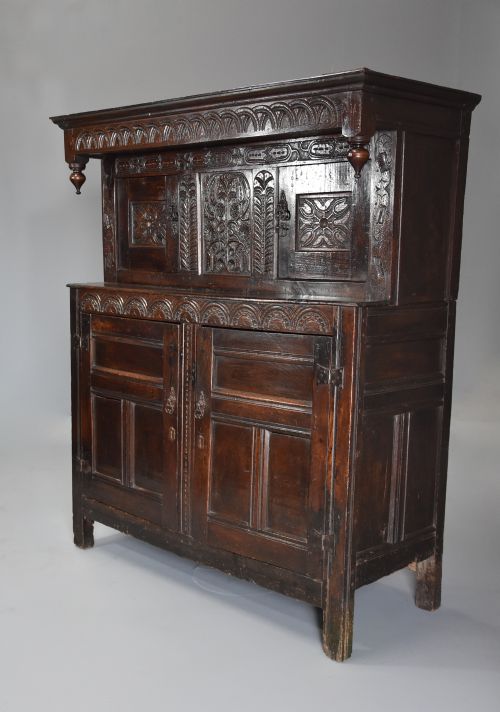
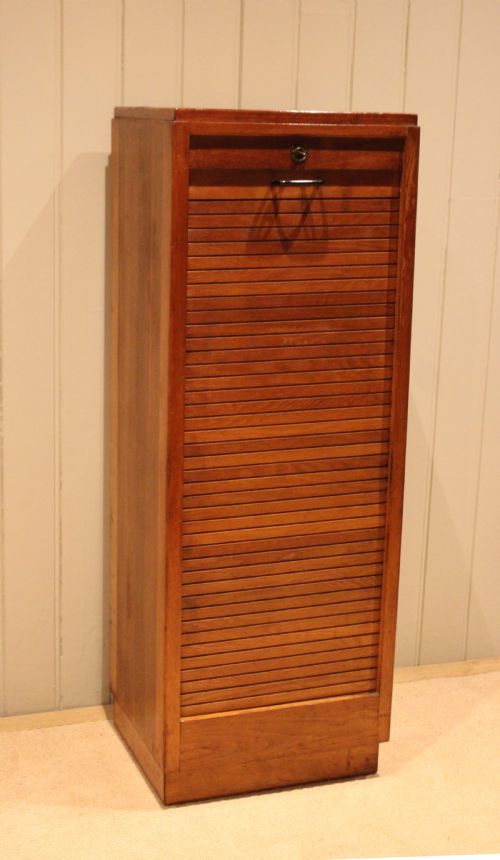
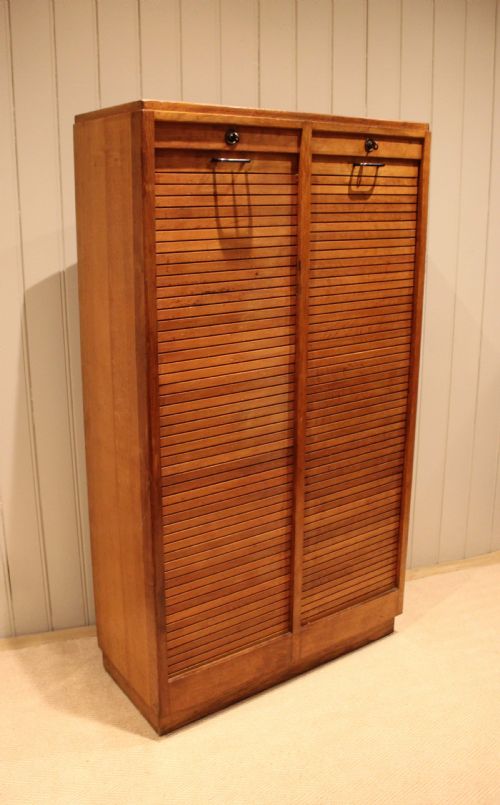
The version you are most likely to meet on this page is a twentieth-century creation in golden, pale, or limed oak, often taking the form of a small sideboard, bookcase, or tambour front filing cabinet. Alongside these sit Georgian, Victorian, and seventeenth-century press cupboards, spice cupboards, and chests on stands.
Makers and retailers such as Heals and the Phoenix Gallery appear in the record, alongside French Art Deco designs by Charles Dudouyt. Buyers choose these pieces for their honest construction, varied internal fittings, and rich grain patterns that develop character over generations.
What varies in quality
The distinction between tiers rests upon the selection of timber, such as figured pollard or burr oak, and the integrity of the original finish like limed or golden surfaces. Hand-carved detailing and untouched patination elevate seventeenth and nineteenth-century examples above standard utility pieces.
Mechanical elements dictate quality in functional items, where smooth operation of single or double tambour fronts and fitted internal drawers separates standard production from superior craftsmanship. The inclusion of original brass hardware and maker attribution further distinguishes the finest pieces.
Mid Century Oak Cabinet Retail Price Guide 2026
Typical asking prices for mid century oak cabinet among the pieces listed under this phrase on Sellingantiques today, from the lower quarter to the upper quarter. They describe what is for sale here now, not the wider market.
Object types span filing cabinets, bookcases, sideboards, display cabinets, dressers, chests on stands, and shelving units.
Heals·Charles Dudouyt·Phoenix Gallery
The Mid Century Oak Cabinet Glossary
- Tambour front
- A flexible door formed of narrow wooden slats glued to a canvas backing, allowing it to slide smoothly around a curved track. This mechanism is frequently found on office filing cabinets to save space.
- Pollard oak
- Timber taken from trees that have been pollarded, producing a heavily knotted and highly decorative grain pattern. Cabinetmakers use this veneer on statement sideboards and desks.
- Press cupboard
- A large storage furniture piece featuring upper and lower compartments enclosed by doors, originating in earlier centuries. These items provide deep storage for linens and household goods.
- Plan chest
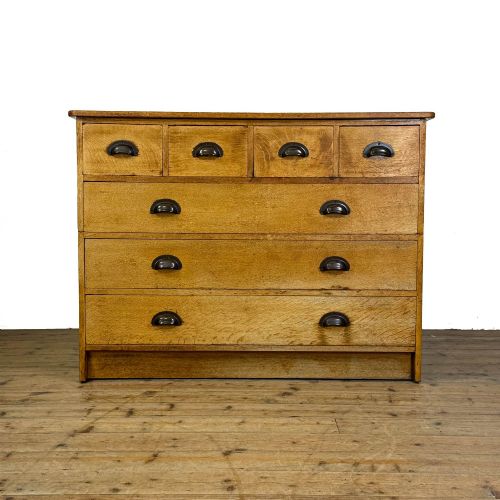
- A wide, shallow set of drawers designed originally for storing architectural blueprints and maps. These sturdy oak units now serve as practical living room or studio storage.
Mid Century Oak Cabinet: Frequently Asked Questions
How do I care for oak furniture?
Oak furniture requires minimal maintenance beyond dusting with a soft cloth and occasional treatment with natural beeswax to nourish the grain. Keeping pieces away from direct heat sources prevents the timber from drying out or splitting.
Solid oak and veneered surfaces respond well to stable indoor humidity levels. Proper care preserves the original patina and protects the finish for daily use.
Are these cabinets suitable for small spaces?
Many mid-century and vintage oak cabinets feature compact proportions designed for smaller rooms and apartments. Filing chests, corner cupboards, and low sideboards offer substantial storage without dominating a floor plan.
Selecting pieces with sliding doors or tall, narrow shelving units maximises storage capacity in restricted areas. These versatile forms fit easily into modern hallways, bedrooms, and studies.
How can I tell the period of an oak cabinet?
Dating an oak cabinet involves examining construction methods, hardware, timber preparation, and decorative styles. Seventeenth-century examples often display deep hand-carving and pegged joints, whereas Edwardian and 1930s pieces show lighter golden finishes or limed oak.
interior fittings, backing materials, and maker marks provide additional clues to the exact era of manufacture. Comparing these physical traits against documented historical periods confirms the age of the piece.