




Mid Century Modernist Painting
Mid century modernist painting captures the bold experimentation of an era, offering striking abstracts and portraits that define modern walls.
Mid Century Modernist Painting
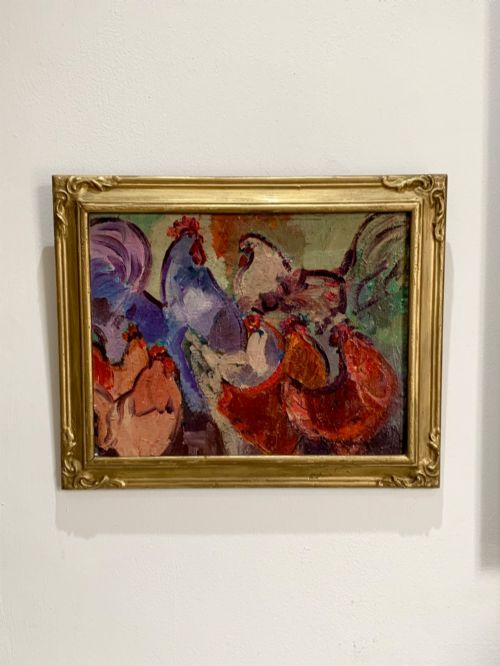
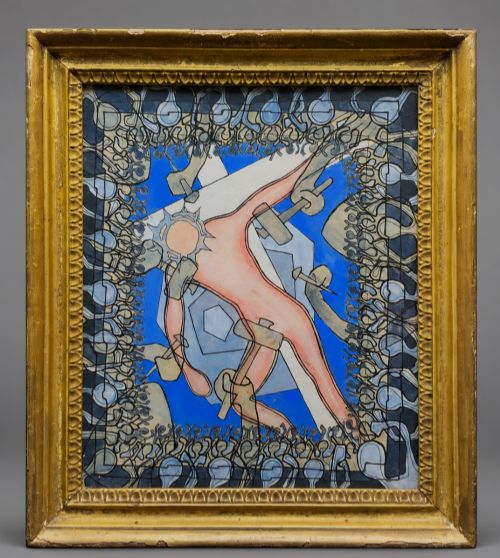
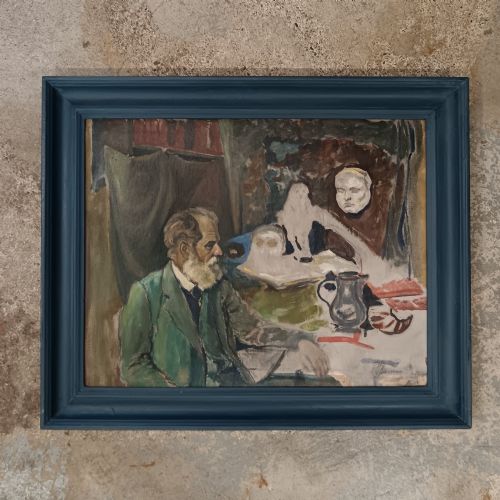
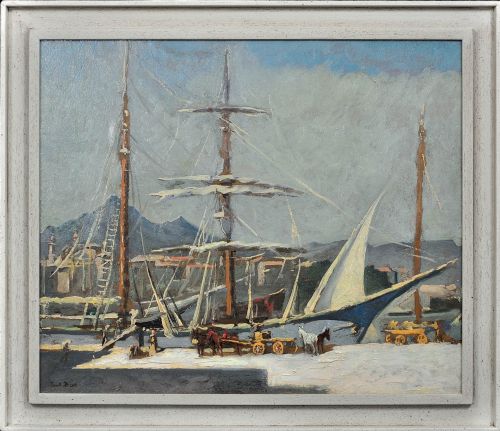
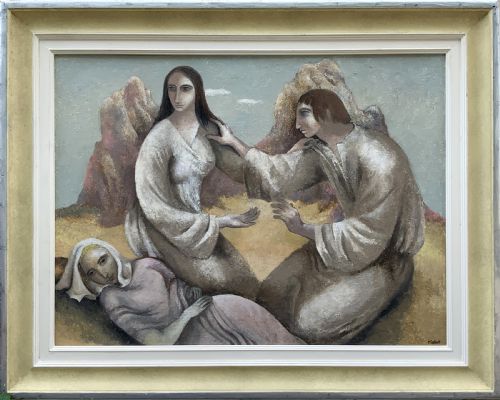
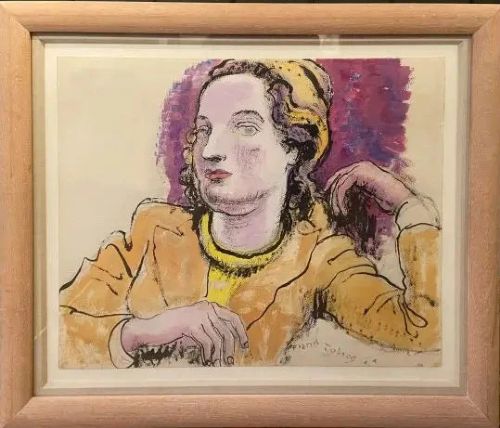
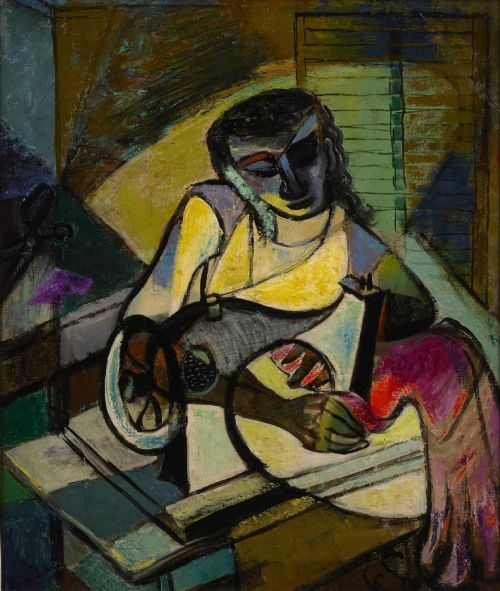
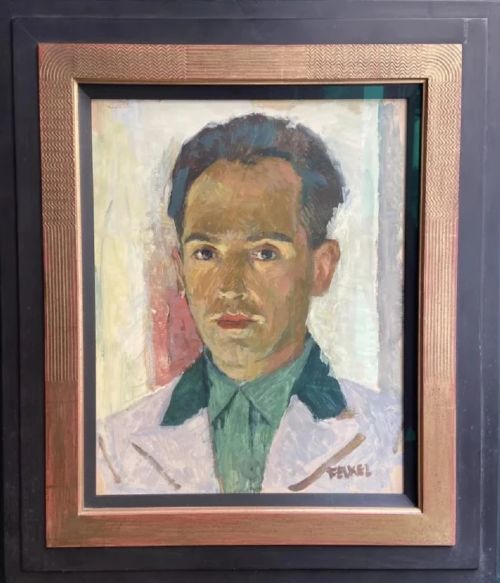
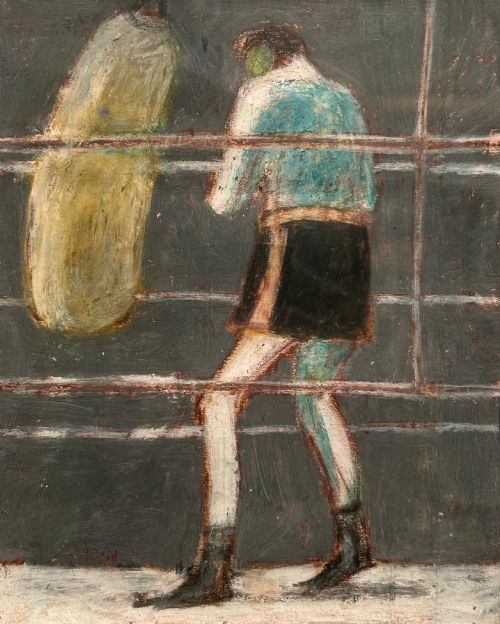
A mid century modernist painting brings together the dynamic styles of the mid twentieth century, drawing on movements like expressionism and cubism to reshape how landscapes, interiors and the human form are presented. Buyers seeking a mid century modernist painting encounter works executed across the nineteen thirties, forties, fifties and sixties, reflecting an international outlook with strong representation from British and French studios.
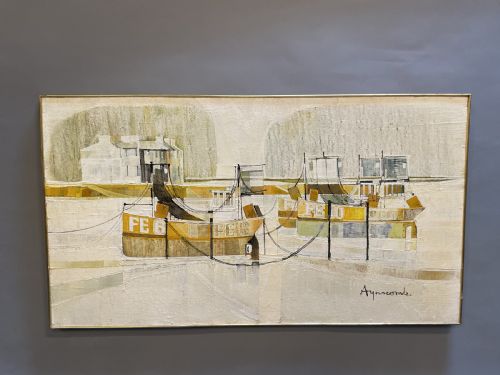
The subjects span abstracted port scenes, intimate domestic interiors and striking figure studies, often rendered through simplified geometry and bold palettes. Works originating from recognised hubs like the St Ives school sit alongside French modernist compositions and anonymous studies, giving collectors a broad spectrum of period expression.
While many examples adhere strictly to mid-century modernism, some selections reach slightly beyond into Edwardian roots or later decades, maintaining the same underlying focus on reduction, form and surface texture. These pieces function as focal points in contemporary interiors, prized for their graphic punch and historical weight.
Materials and techniques
Artists working within this sphere relied primarily on oil paint applied to canvas or board, utilising the rich viscosity of the medium to build texture and depth. Impasto techniques appear frequently, allowing brushstrokes and knife marks to remain visible and active across the surface.
Works on paper employ gouache and watercolour, capturing light and form with rapid fluidity that complements the immediacy of the modernist impulse. Supporting materials like wood frames and glass protection complete the construction of these works, preserving the integrity of the original supports.
Mid Century Modernist Painting Retail Price Guide 2026
Typical asking prices for mid century modernist painting among the pieces listed under this phrase on Sellingantiques today, from the lower quarter to the upper quarter. They describe what is for sale here now, not the wider market.
The listings span multiple decades from the nineteen thirties through the nineteen sixties, employing canvas, board, oil, and gouache.
Distinctions in quality
The distinction between standard works and exceptional examples rests upon the confidence of the brushwork and the sureness of the compositional structure. Superior pieces demonstrate a rigorous command of space and colour, where every mark contributes to the architectural balance of the canvas.
Provenance and attribution elevate certain works significantly, particularly those tied directly to documented exhibitions, known workshops or artists with established exhibition histories. The retention of original framing and clear signatures further separates routine decorative items from collectible fine art.
Paul Bret·Carl Felkel·Frank Dobson·Samuel Rabin·Lena Gurr·Christine Nesbit·Elisabeth Frink·Denis Mitchell·Gabriel Dauchot·Derek Latimer Sayer·William McCance·Peter Jackson·Adrian Heath·Yo Mayer·Antonio Ferri·Rowland Fade·Yetta Kane·Kenneth B Malpass·Yves Brayer
The Mid Century Modernist Painting Glossary
- Impasto
- Paint applied thickly to a canvas or board, standing out in relief from the plane so that the physical gesture of the artist remains visible. This technique adds tactile dimension to modernist surfaces.
- Gouache
- An opaque water-based medium that dries to a matte finish, frequently used on paper for vibrant modernist studies. It allows for rich, saturated colour application.
- Cubist
- A style involving the fragmentation of subjects into geometric planes and multiple viewpoints, prevalent in mid-century still lifes and landscapes. It breaks down traditional perspective.
- Provenance
- The documented history of ownership and exhibition of an artwork, establishing its authenticity and lineage. Strong provenance adds historical security to a piece.
Mid Century Modernist Painting: Frequently Asked Questions
How do I date a mid century modernist painting?
Dating relies on stylistic markers, framing methods, and any signatures, dates, or exhibition labels found on the reverse of the canvas or board. Comparison with documented works by the same hand or from the same regional school provides further chronological placement.
Material analysis of the stretcher bars, canvas weave, and pigments offers additional confirmation of the period. Documentation and historical exhibition records remain the most reliable tools for precise dating.
Where were these modernist paintings created?
Production was concentrated in key European artistic centres, with significant output originating from British studios, the St Ives community in Cornwall, and various hubs across France including Paris and Provence. Artists frequently travelled between these regions, absorbing local light and landscape traditions.
International influences also entered the mix through émigré artists and exhibitions, creating a cross-pollination of ideas. This geographical diversity ensures a wide variety of regional palettes and interpretations within the genre.
How should I hang and care for oil paintings on board?
Oil paintings on board require stable environmental conditions away from direct sunlight, extreme temperature fluctuations, and high humidity, which can cause the wood substrate to warp or the paint layer to crack. Professional framing with appropriate backing materials protects the edges and prevents dust accumulation.
Displaying the work on interior walls using secure, weight-appropriate hardware ensures structural safety. Periodic dusting with a soft, dry brush maintains the surface without introducing moisture or abrasive friction.
What defines the St Ives school connection?
The St Ives designation links works to the thriving modernist artist colony in coastal Cornwall, where painters focused on abstracting the rugged local landscape, harbour scenes, and marine light. Artists in this circle pioneered a distinct British modernism that blended international abstraction with local topography.
Paintings associated with this milieu often feature simplified forms, restrained palettes, and a deep engagement with natural textures. This regional movement represents a cornerstone of mid-century British art collecting.