
Mid Century Impressionist Art
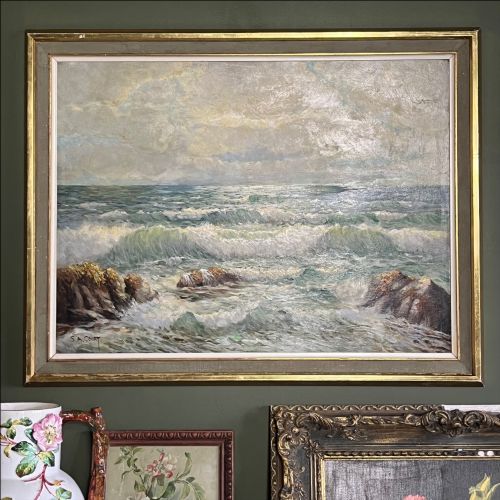
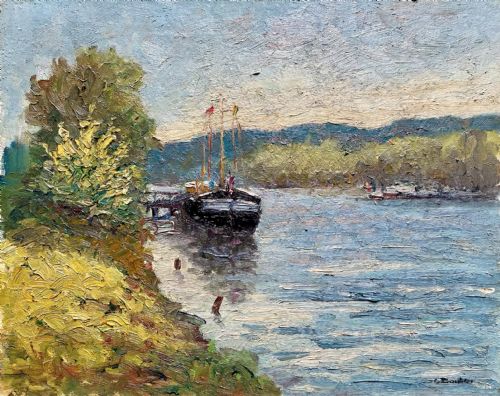
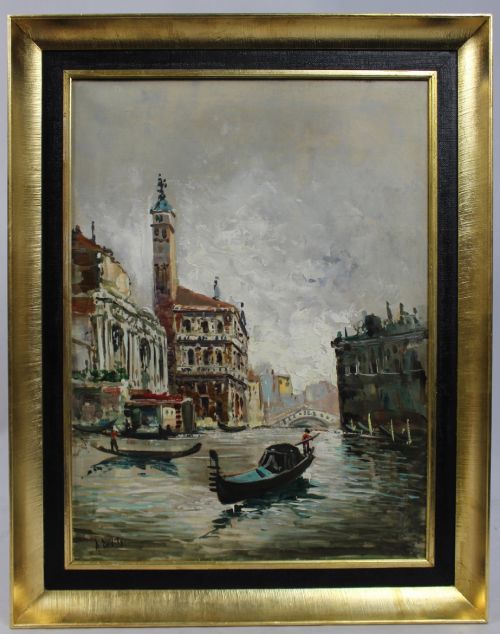
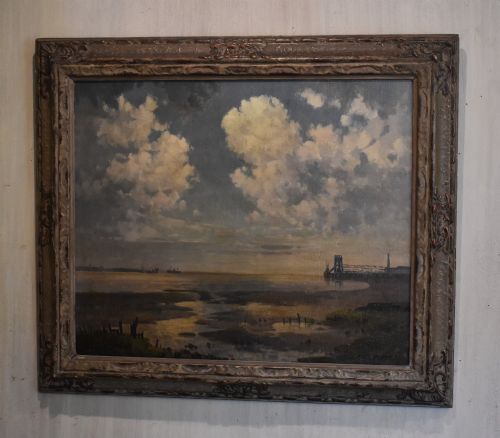
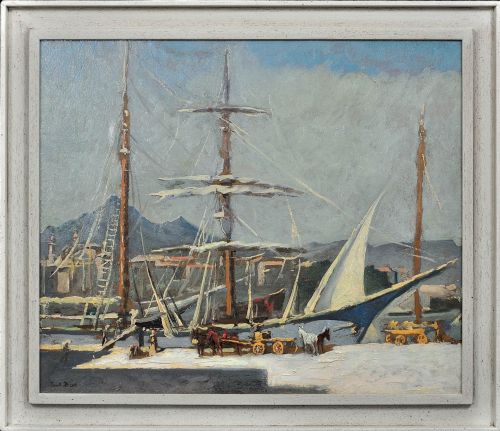
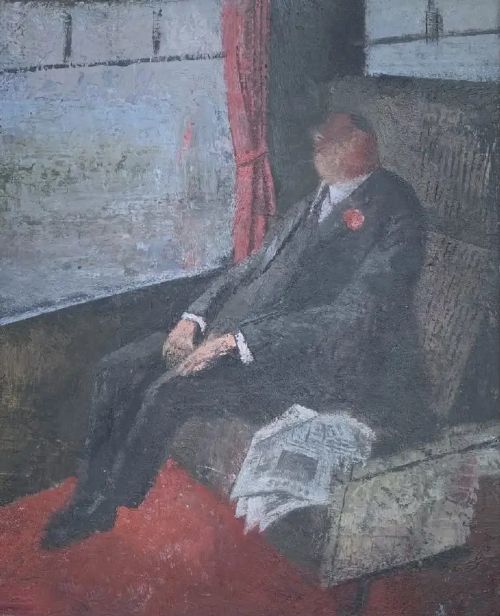
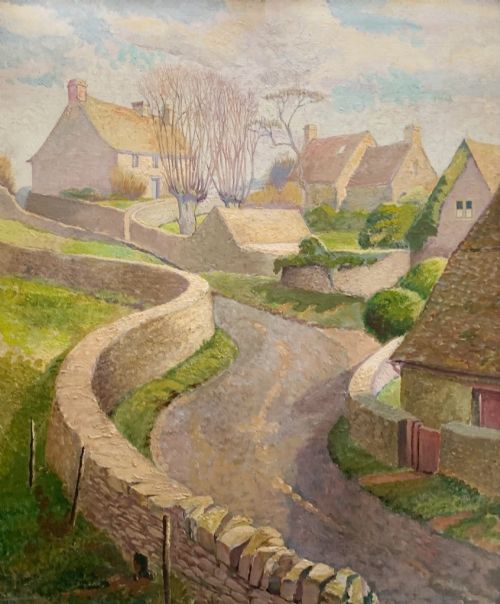
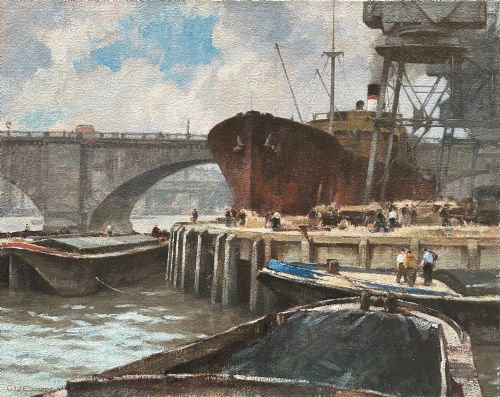
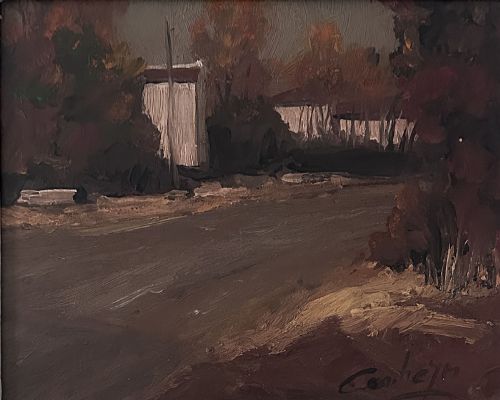
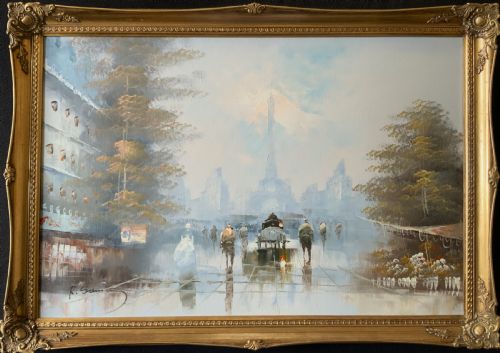
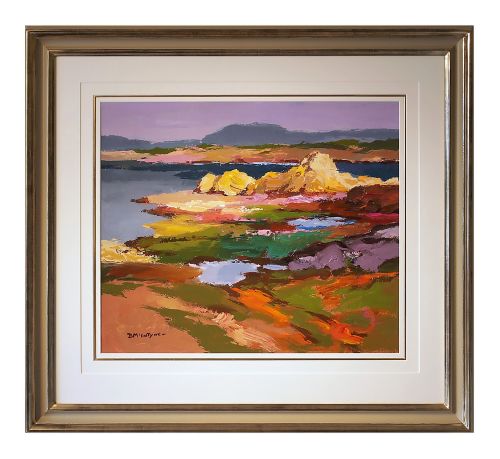
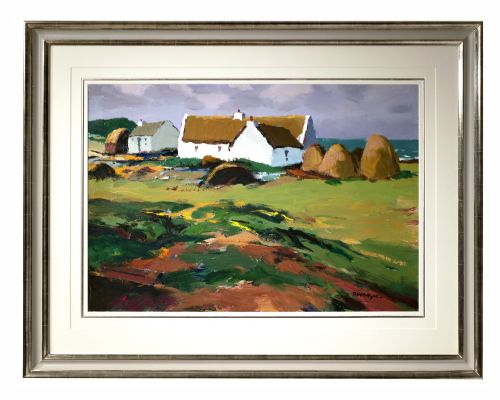
Mid century impressionist art brings together expressive brushwork and natural light, capturing coastal scenes and cityscapes on canvas and board from the decades following the second world war.
Mid Century Impressionist Art
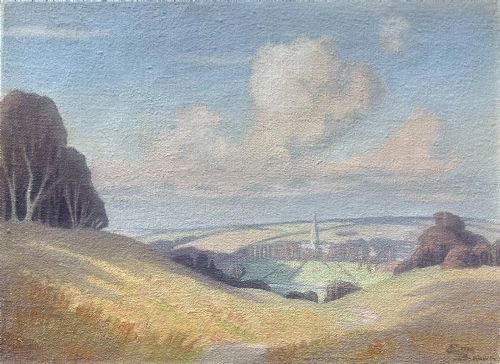
Mid century impressionist art encompasses oil paintings, watercolours, and mixed media works created across the 1920s through to the 1960s. These pieces record landscapes, harbours, and street scenes captured in Britain, France, Italy, and beyond.
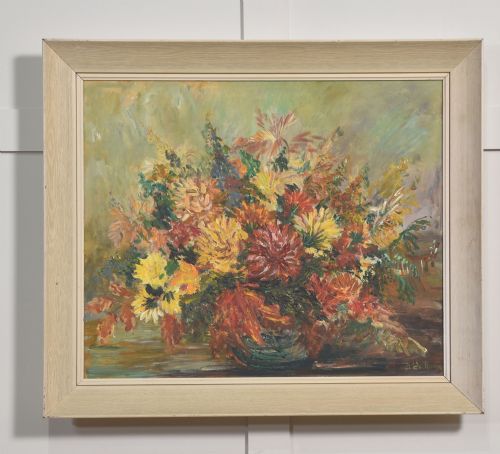
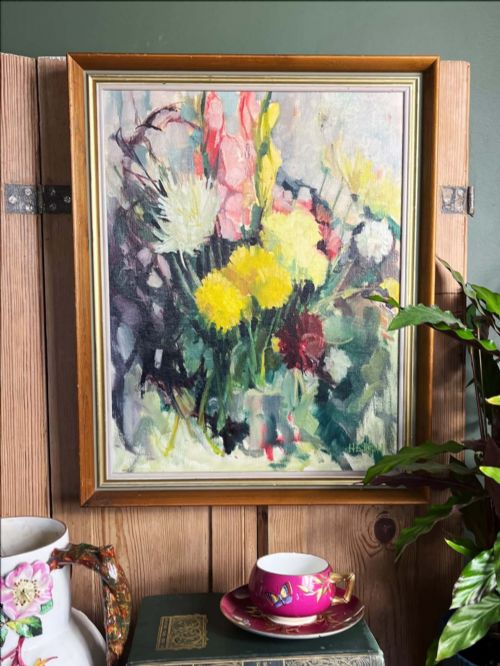
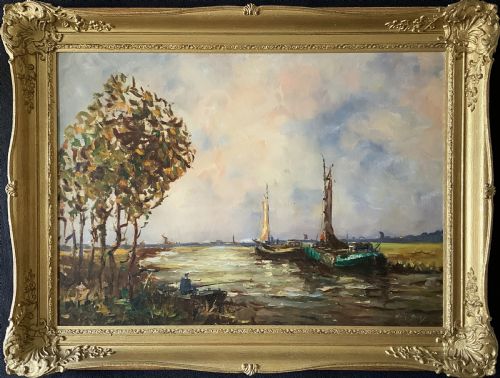
The selection on this page leans heavily toward oil on canvas and oil on board, framed in wood and gilt surrounds. Buyers encounter coastal views of Cornwall and Normandy alongside bustling Parisian street scenes and quiet still lifes.
Works originate from named regional painters as well as broader British and French schools operating during the mid-twentieth century. Subjects range from sunlit plazas to industrial harbours, executed with visible texture and vibrant palettes.
How they were made
Artists painted en plein air or in studios utilising oil paint applied directly to stretched canvas, wooden board, or wood panels. This medium allowed for thick, textured brushwork that held its form as it dried.
Support materials include traditional canvas and sturdy boards housed in wood frames, often accented with gilt finishes. Works on paper utilise watercolour and ink to capture lighter, more translucent atmospheric effects.
Listings feature works spanning the 1920s to the 1960s, executed in oil paint, watercolour, and ink on canvas and board.
What varies in quality
Quality rests upon the confidence of the brushwork and the artist's handling of natural light and atmosphere. Stronger examples demonstrate a distinct command of colour and composition rather than a mere mechanical transcription of a scene.
The integrity of the surface materials also sets individual pieces apart, from the stability of the oil paint on canvas to the character and preservation of the original wood and gilt frames.
Sidney A Court·Antonio DeVity·Clive Browne·Paul Bret·Willem Bos·Donald McIntyre·Erich Mercker·Henry de Waroquier·Philip Naviasky·Caroline Burnett·Paul-Jean Anderbouhr·Joseph Edward Hennah·Harry Freckleton·Gyrth Russell·Raymond Picque·Fred Pailhes·Attilio Toro·Gabriel Dauchot
The Mid Century Impressionist Art Glossary
- En plein air
- Painting outdoors to capture the direct effects of light and weather on a subject. This approach defined much of the impressionist movement.
- Post-Impressionism
- An artistic development that followed impressionism, retaining its vibrant use of colour while exploring structure and emotional resonance.
- Gilt
- A thin layer of gold leaf or gold-coloured pigment applied to wooden frames. It adds a reflective border to many mid-century paintings.
- Mixed media
- An artwork combining two or more distinct materials, such as ink and watercolour on paper. This technique allows for varied textural depths.
Mid Century Impressionist Art: Frequently Asked Questions
What defines mid century impressionism?
These works combine loose, expressive brushstrokes with a focus on natural light and everyday subjects, produced during the central decades of the twentieth century. Painters sought to capture fleeting atmospheric moments rather than rigid academic detail.
The style draws heavily on earlier impressionist traditions while incorporating mid-century palettes and modernist compositional structures, frequently depicting harbours, street scenes, and rural landscapes.
Are these paintings original works?
The selection consists primarily of original hand-painted oils on canvas or board, alongside original watercolours and mixed media drawings. Each piece records the direct touch of the artist's hand.
Occasionally, textured prints or lithographs appear within the category, but the vast majority represent unique primary artworks created by painters active in Britain, France, and wider Europe.
How should I frame these paintings?
Many pieces retain their original wood or vintage gilt frames, which often complement the age and aesthetic of the canvas. Preserving these surrounds maintains the historical context of the artwork.
If framing requires updating or repair, select simple wooden mouldings that do not overpower the brushwork. Consult a professional framer to ensure conservation-grade materials protect the canvas.
How do I identify the date of a painting?
Dating relies upon artist signatures, exhibition records, stylistic cues, and occasionally inscriptions left on the reverse of the canvas or board. Mid-century works typically display modernist techniques developed between the 1920s and 1960s.
Examining the stretcher bars, canvas weave, and framing materials also provides reliable clues regarding the period of creation and subsequent history of the artwork.