


Belgian Impressionist Art
These oil paintings of Belgian impressionist art capture local light and everyday scenes across several decades.
Belgian Impressionist Art
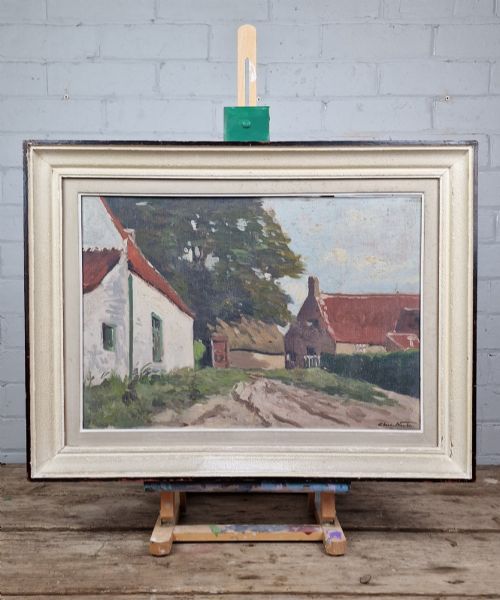
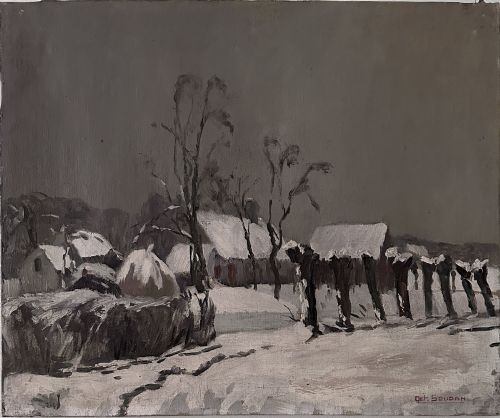
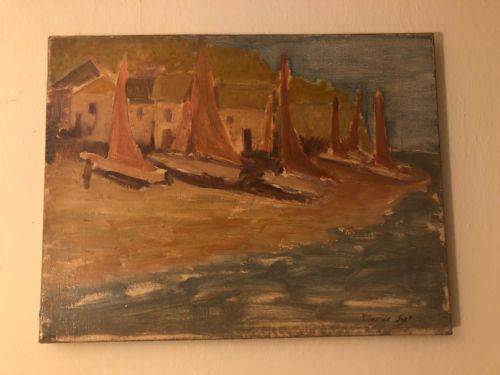
Belgian impressionist art brings together paintings from the nineteenth and twentieth centuries, spanning periods from the eighteen-eighties to nineteen-sixty. These works range from quiet farmyards and winter villages to maritime scenes and still life compositions.
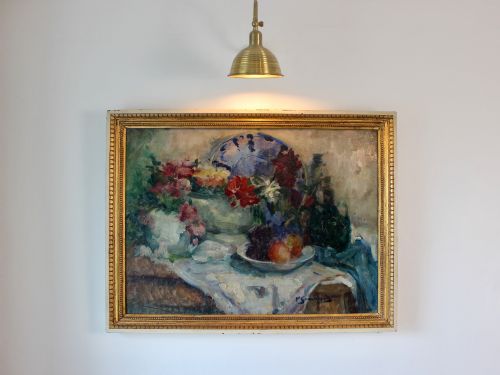
The most common form on this page is the oil painting on canvas or board, created by Belgian artists working in impressionist, post-impressionist and luminist styles. Subjects often include floral displays, markets, and river boats.
Collectors encounter works by named painters such as Charles Houben, Victor Simonin, Frans Gailliard, Amile Coppieters, Henri Joseph Pauwels, Jules Evarist van Biesbroeck, Job de Vogel, Maurice Wagermans, and Maurice Sijs.
How they were made
Artists applied oil paint using brushwork designed to capture transient effects of light and atmosphere, working primarily on canvas, board, or wood supports.
Frames frequently incorporate gesso and gilt finishes that complement the painterly surfaces of the works.
Materials across these listings include canvas, wood, board, oil paint, gesso, and gilt.
What varies in quality
Quality rests in the handling of light and pigment, where confident brushwork and harmonious tonal balance distinguish the finer compositions from simpler decorative pieces.
The condition of the painted surface and the original support, whether canvas or board, influences the enduring presence of the artwork.
Charles Houben·Victor Simonin·Frans Gailliard·Amile Coppieters·Henri Joseph Pauwels·Job de Vogel·Maurice Wagermans·Maurice Sijs
The Belgian Impressionist Art Glossary
- Luminism
- An impressionist style focused on the specific effects of light on landscape and water. It often shares traits with Belgian impressionism through its bright palette.
- Post-Impressionism
- A development following impressionism where artists explored structural form and expressive colour. Painters like Charles Houben worked within this tradition.
- Gesso
- A plaster-like mixture applied to wooden frames or panels to prepare a smooth surface for gilding and decoration. It provides the base for many period frames.
- Board
- A rigid flat material used as a support for oil painting instead of woven canvas. Several works on this page utilise board.
- Oil paint
- A slow-drying paint made with pigments suspended in oil. It allows for rich texture and blending on canvas or panel.
Belgian Impressionist Art: Frequently Asked Questions
What subjects appear in these paintings?
The works feature a variety of subjects including winter villages, quiet farmyards, maritime ship scenes, and floral still lifes.
Artists also recorded everyday markets and river views across Belgium.
How do I date these works?
Dates range from the late nineteenth century through to the mid-twentieth century, indicated by stylistic traits and artist signatures.
Post-impressionist and luminist examples often align with the turn of the twentieth century.
What supports were used?
Painters worked on traditional woven canvas as well as wooden boards.
These materials were standard for oil paintings during the period.
Are the frames original?
Many works retain period frames finished with gesso and gilt detailing.
These frames match the aesthetic of the nineteenth and twentieth-century paintings they enclose.