



Mid Century Impasto Art
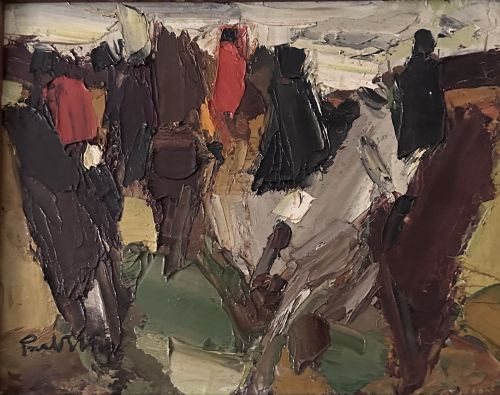
Mid century impasto art brings tactile depth and bold texture to walls through expressive twentieth-century brushwork.
Mid Century Impasto Art
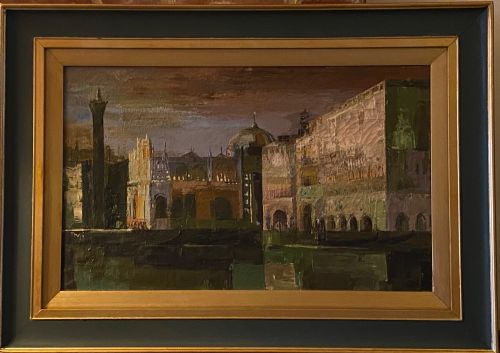
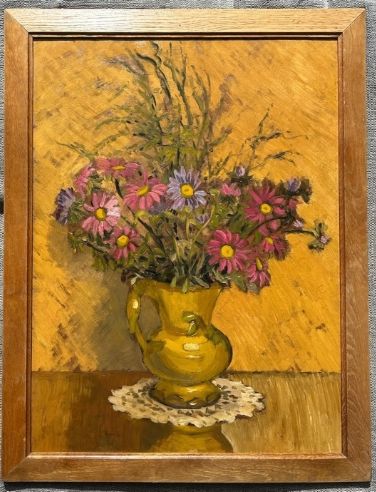
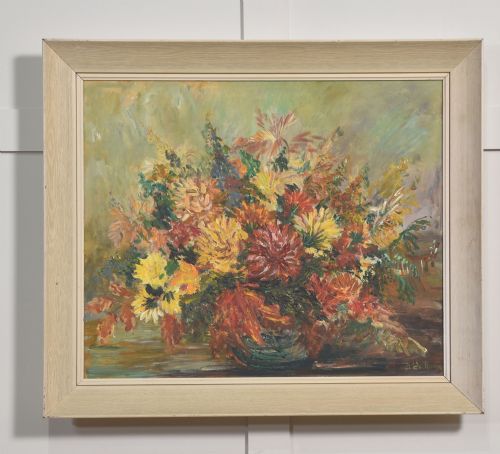
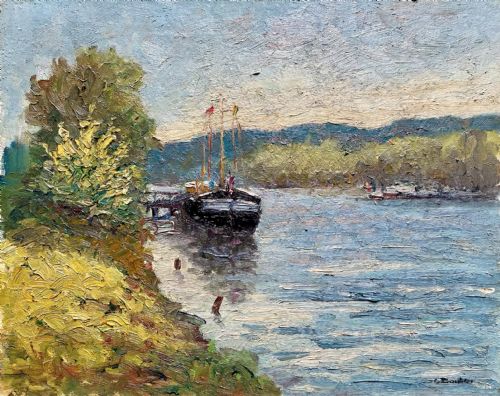
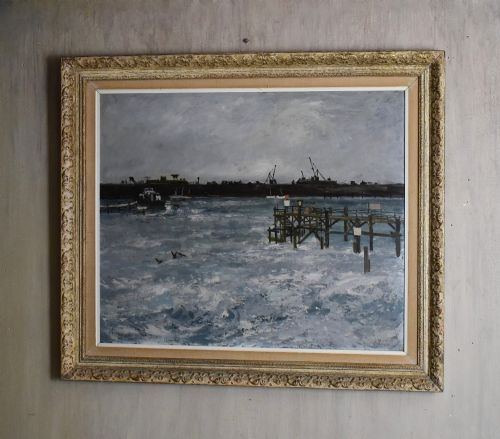
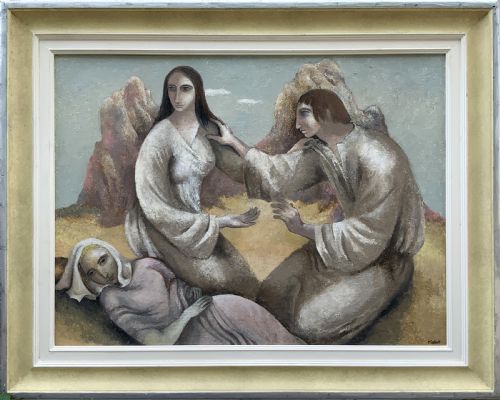
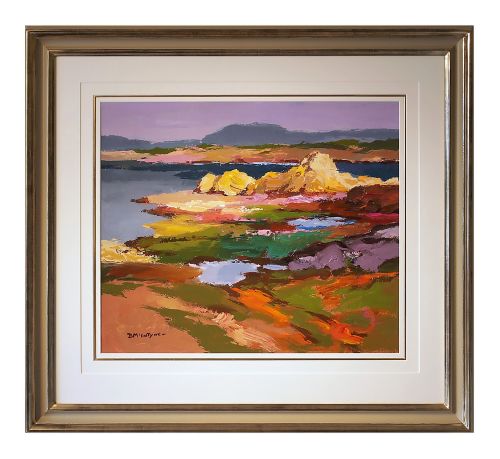
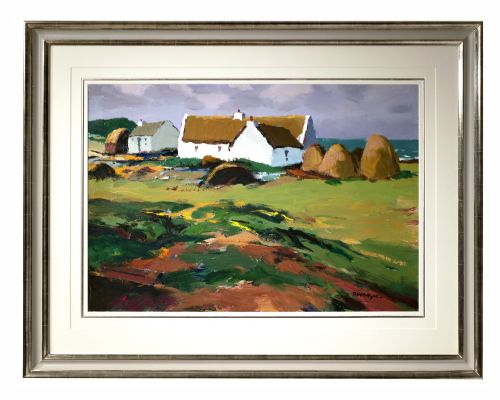
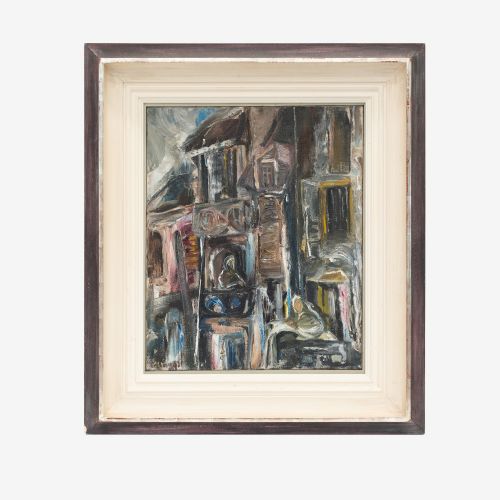
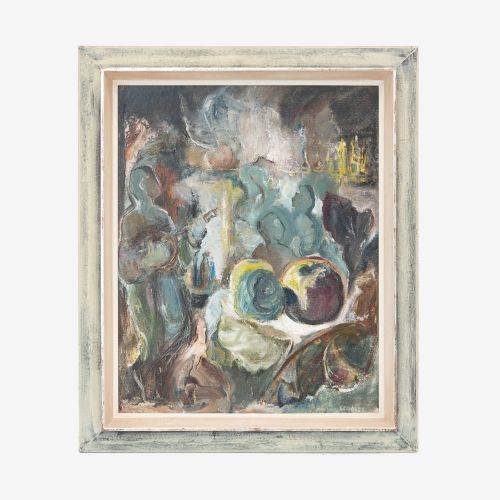
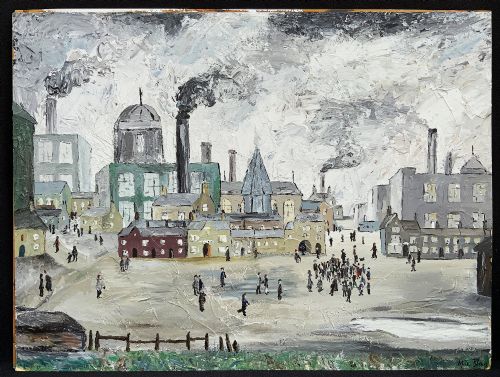
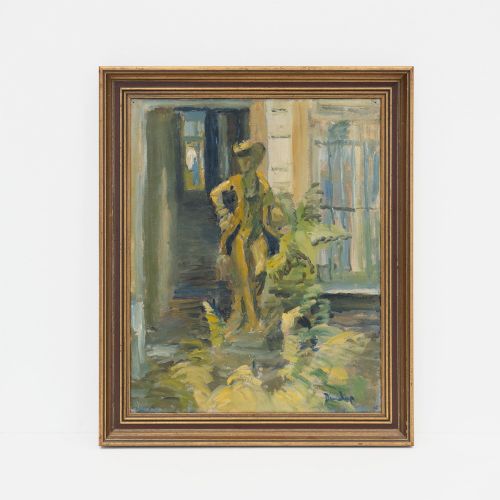
Mid century impasto art encompasses paintings created primarily between the nineteen-twenties and nineteen-sixties where thick oil paint stands proud of the surface. You will encounter maritime views, urban streetscapes, floral still lifes, and figurative compositions rooted in impressionist, expressionist, and modernist traditions.
The works originate from British, French, and wider European studios, capturing landscapes from the Seine to Poole Harbour alongside intimate domestic interiors. Painters applied pigment densely with brushes or palette knives, creating visible ridges and peaks that catch the natural light within a room.
Most examples on this page date from the nineteen-fifties and nineteen-sixties, reflecting a post-war appetite for liberated colour and vigorous mark-making. Canvases and wooden boards serve as the primary supports for these textured canvases, housed frequently in original period frames.
Materials and Construction
Artists built these heavy surfaces using oil paint applied thickly onto woven canvas or rigid wooden boards, sometimes combining the medium with direct impasto techniques. The slow-drying nature of oil allowed painters to manipulate the heavy pigment over days, retaining the sharp ridges of knife work and broad brushstrokes.
Supports range from traditional stretched canvas to sturdy board and panel, chosen for their ability to bear the substantial weight of layered oil paint. Gilt and wooden frames complete the construction, often matching the specific mid-century decade of the artwork within.
Represented styles include French Post-Impressionism, British landscape traditions, and expressive European modernist cityscapes.
Assessing Quality and Execution
Quality rests on the confidence and control behind the heavy pigment application, where purposeful handling creates genuine spatial depth rather than mere surface clutter. Superior works balance the density of the impasto with harmonious colour relationships and a resolute compositional structure.
The vitality of the mark-making dictates the visual success of each piece, distinguishing works executed with rhythmic precision from those lacking structural coherence. Strong provenance, legible signatures, and well-preserved paint layers without structural destabilisation further elevate individual pieces.
Kenneth Cozens·Donald McIntyre·Lilian Colbourn·Ronald Ossory Dunlop·Helen Layfield Bradley·Cecil Rochfort D'Oyly-John
The Mid Century Impasto Art Glossary
- Impasto
- Paint applied thickly to a canvas or board so that it stands out in relief from the plane. This technique allows the physical gesture of the artist to remain permanently visible in the dried pigment.
- Post-Impressionism
- An artistic movement extending impressionism while rejecting its limitations, favouring more symbolic content and heavier expression. Works from this lineage emphasise vivid hues and distinct structural brushwork.
- Expressionism
- A style where the artist seeks to depict subjective emotions rather than objective reality through distorted forms and heavy textures. Painters utilise exaggerated colour and aggressive mark-making to convey internal moods.
- Board
- A rigid wooden panel or composition board utilised as a painting support instead of woven fabric. These surfaces easily withstand the heavy pressure of thick oil paint applications.
- Maritime
- Pertaining to the sea, ships, and coastal harbours frequently captured in mid-century landscape painting. These scenes often feature piers, estuaries, and working boats rendered with energetic strokes.
Mid Century Impasto Art: Frequently Asked Questions
How do I hang a heavy impasto painting safely?
Ensure your wall fixings are anchored securely into wall studs or utilise appropriate heavy-duty wall plugs suited to the weight of the framed board or canvas. Heavy oil paint adds substantial mass to the artwork, requiring robust picture wire and sturdy D-rings.
Position the painting at eye level away from direct heat sources and strong, prolonged sunlight to protect the raised oil pigment over the coming years.
What is the difference between canvas and board supports?
Canvas provides a flexible woven textile surface stretched over a wooden frame, which yields slightly under the pressure of a knife. Board offers a completely rigid wooden foundation that bears heavy impasto without any flex.
Both supports were widely utilised across the mid-century decades, and the choice depends largely on the artist's personal preference for working texture.
How can I identify a mid-century period frame?
Mid-century frames often feature simple wooden profiles, painted finishes, or hessian liners that complement the modernist aesthetic of the artwork within. They typically show age-appropriate wear to the corners and mitre joints.
Original frames integrated by the artist or contemporary galleries provide valuable historical context for the painting.