



Mid Century Harbour Painting
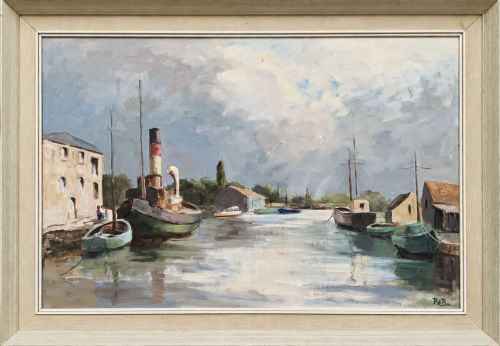
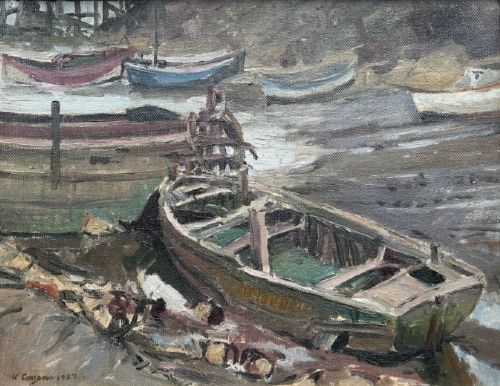
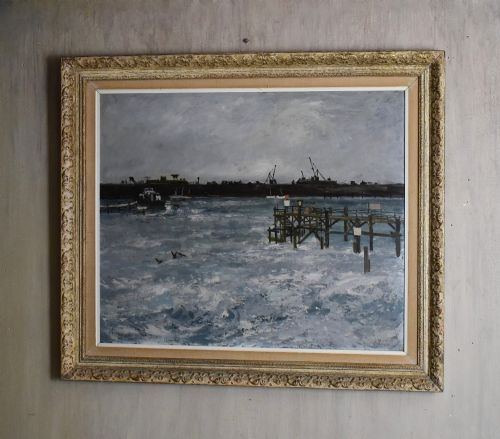
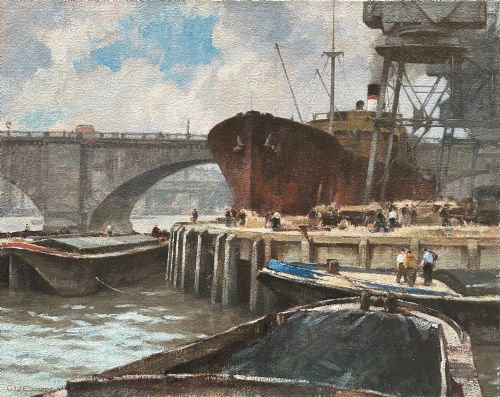
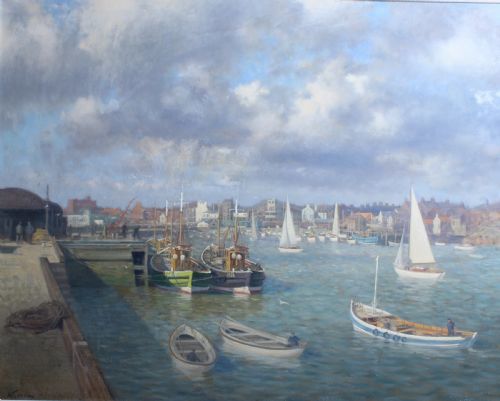
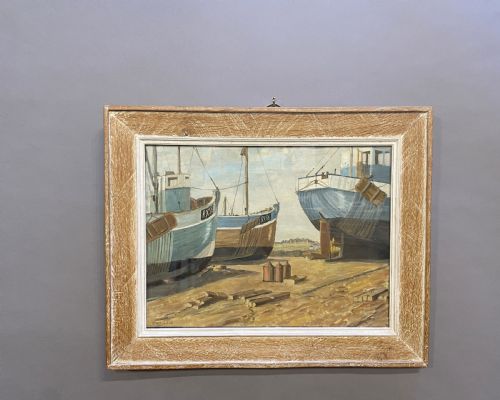
A mid century harbour painting captures maritime trade and coastal life through modernist and impressionist lenses.
Mid Century Harbour Painting
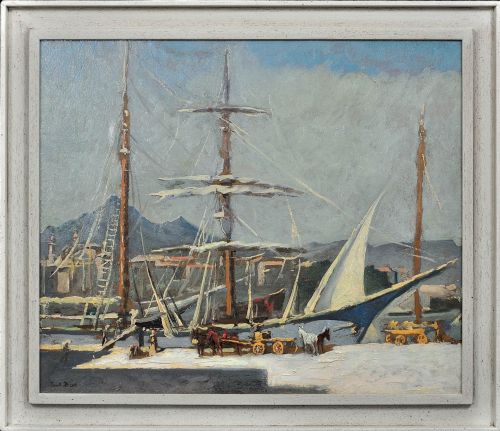
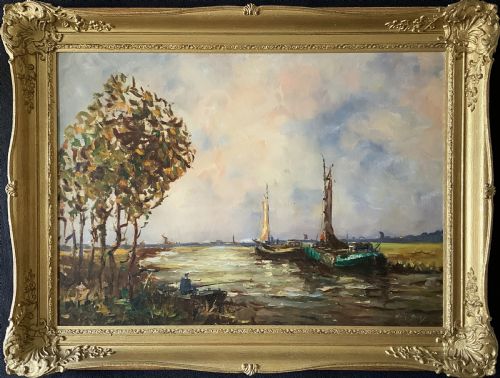
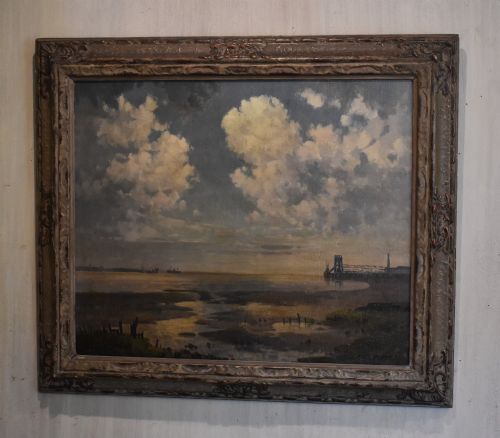
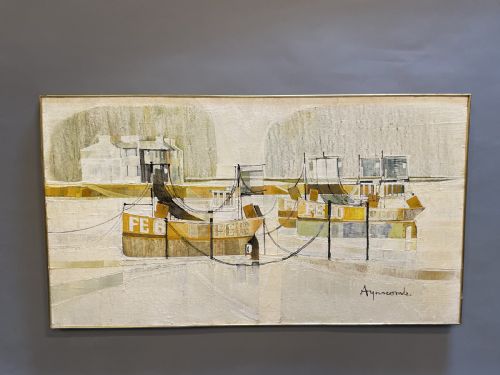
A mid century harbour painting depicts coastal scenes, docks, estuaries, and maritime activities created predominantly during the middle decades of the twentieth century. These works frequently record specific locations ranging from Cornish fishing ports like Polperro and Mevagissey to bustling European and international waterways.
The selections available include oil paintings on canvas and board alongside delicate watercolours and pastel drawings. Mid-Century Impressionism and British Impressionism dominate the visual styles, balancing topographical recognition with expressive brushwork.
Makers and artists from Britain, France, and wider international backgrounds populate the selection. Their subjects pivot between industrial docksides, quiet mooring zones, and vibrant Riviera quaysides.
How They Were Made
Artists deployed oil paint and watercolour across varied supports including wood panels, prepared canvas, heavy paper, and glass-framed boards. Pigments were applied with traditional brushes or thick impasto techniques to build texture in water and sky.
Many works utilise preliminary ink or pencil sketches before the application of oil or wash. Support frames typically match the period, constructed from wood to house canvas boards or watercolours.
Mid Century Harbour Painting Retail Price Guide 2026
Typical asking prices for mid century harbour painting among the pieces listed under this phrase on Sellingantiques today, from the lower quarter to the upper quarter. They describe what is for sale here now, not the wider market.
Materials documented in these maritime works span oil paint, canvas, wood, watercolour, paper, and glass.
What Varies in Quality
Quality rests upon the artist's handling of light, atmosphere, and spatial depth within the maritime setting. Stronger examples demonstrate confident brushwork and a cohesive palette that defines the mood of the harbour.
The historical documentation of the specific coastal location and the proven identity of the painter elevate individual pieces. Condition of the pigment layer and original framing also differentiate standard decorative works from fine art examples.
Kenneth Cozens·Clive Browne·Peter Brannan·Paul Bret·Willem Bos·Walter Goodin·Paul Jean Anderbouhr·Eric Tufnell·Gyrth Russell·Raymond Picque·James Fry·Fred Pailhes·Donald McIntyre·Edward M Elliott·Jack R Mould·Antonio Godoy·Ernst Louizor·Yves Brayer·Maurice Sijs·Richard Henry Nibbs·Norman Carter·Ben Maile·E W Moye
The Mid Century Harbour Painting Glossary
- Impasto
- Paint applied thickly to a canvas or board, standing out in relief from the surface. This technique adds tactile dimension to waves, clouds, and architectural facades.
- Estuary
- The tidal mouth of a large river where the tide meets the stream. Painters frequently depict these transitional zones for their shifting light and industrial shipping traffic.
- Post-Impressionism
- An art movement extending roughly from the late nineteenth century to the mid twentieth century. Artists rejected naturalistic depiction in favour of expressive colours and symbolic forms.
- Provenance
- The chronology of the ownership, custody, or location of a historical artwork. Clear provenance verifies the authenticity and historical context of a coastal scene.
Mid Century Harbour Painting: Frequently Asked Questions
What periods do these paintings cover?
The works primarily date from the 1930s through to the 1960s, capturing the mid-century modern aesthetic. Occasional pieces draw from earlier nineteenth-century or eighteenth-century traditions.
Most surviving examples align with mid-century impressionism and post-impressionist movements active across Britain and continental Europe.
How should I care for a canvas painting?
Keep oil paintings away from direct sunlight and extreme humidity fluctuations to protect the canvas and wood supports. Dust the surface gently with a soft, dry cloth without applying liquid cleaners.
Ensure that framed watercolours remain behind protective glass to prevent moisture damage to the paper.
Where were these maritime scenes painted?
Artists worked across British coastal havens in Cornwall and Devon, alongside busy commercial ports in London and Southampton. International destinations span French Riviera quaysides, Sicilian harbours, and Dutch canals.
Each location reflects the distinct maritime trade or fishing industry active during the middle decades of the twentieth century.
How do I distinguish watercolours from oils?
Watercolours are painted on paper and typically displayed under glass, showing translucent washes of pigment. Oil paintings utilise thick pigments applied to canvas or wood board with visible texture.
Oils possess a rich sheen and heavier weight compared to the flat, paper-based nature of watercolours.