




Mid Century Gouache Painting
A mid century gouache painting brings flat, opaque pigments and striking twentieth-century modernism directly to your wall.
Mid Century Gouache Painting
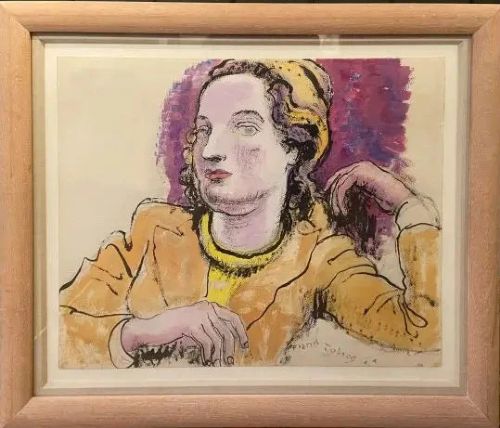
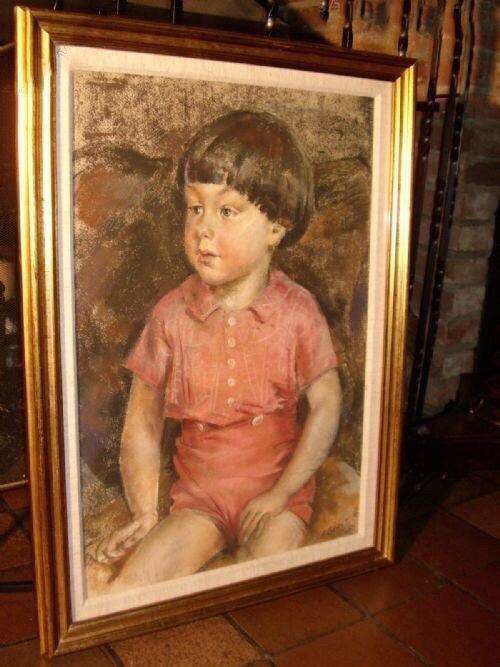
When you search for a mid century gouache painting, you encounter original works on paper spanning portraits, dynamic horse racing scenes, botanical studies, and cubist landscapes. The pieces on this page cluster heavily around the 1950s and 1960s, reflecting the energetic modernist output of that era alongside occasional earlier nineteenth-century examples and 1930s wartime sketches.
Most examples originate from British and French studios, capturing subjects from domestic still life arrangements of roses and iris flowers to Mediterranean landscapes and coastal views. Framed behind glass with wooden surrounds, these original paintings offer direct contact with the hand of the artist through water-soluble opaque pigments.
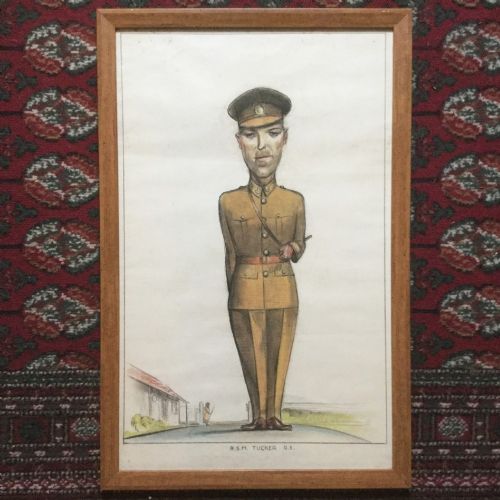
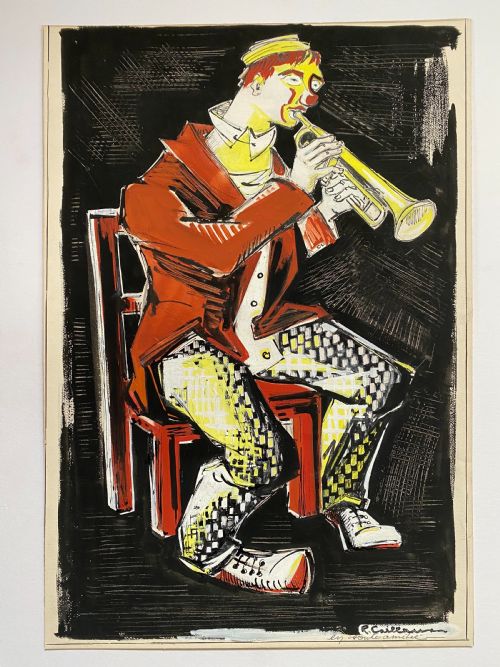
The aesthetic ranges from strict mid-century modernism and British modernism to lively Fauve colour palettes and wartime illustration. Whether depicting an army officer, a trumpeter and clown, or a sailboat at low tide, each painting demonstrates the versatility of gouache combined with ink, pastel, or watercolour on paper.
How they were made
Artists create these works primarily by applying opaque watercolour paint known as gouache onto paper supports, often combining it with ink, pastel, or transparent watercolour for added texture and line work. The water-based medium allows for rapid execution, rich saturation, and dense matt surfaces that absorb light differently than oil paints.
Framing typically involves wooden mouldings and protective glass to safeguard the delicate paper base and water-soluble pigments from moisture and handling. Many pieces are mounted directly on paper sheets, preserving the immediacy of the original sketch or finished composition.
Materials documented across the inventory include paper, gouache, wood, glass, ink, pastel, watercolour, and gilt.
What varies in quality
The distinction between standard decorative work and superior examples lies in the confidence of the brushwork and the clarity of the composition, whether handling a complex cubist landscape or a direct portrait study. Masterful control of gouache yields crisp opaque edges and vibrant colour relationships without heavy reworking of the paper surface.
Provenance and documentation elevate certain pieces, particularly when signed by known twentieth-century painters or associated with specific modernist movements and exhibitions. The harmony between the original framing, the integrity of the paper support, and the preservation of the pigment intensity further defines the standing of individual works.
Frank Dobson·J.A.Grant·John Rattenbury Skeaping·Andrè Maurice·Jean Cuny·Reginald Mills·L E Hole·Roland Stead·JAMES LLOYD·Frank Holme
The Mid Century Gouache Painting Glossary
- Gouache
- An opaque water-based paint made from ground pigments mixed with water and a binding agent such as gum arabic. It dries to a smooth, matte finish that covers underlying layers more solidly than transparent watercolour.
- Mid-Century Modern
- A style and movement spanning roughly from the mid-1930s through the mid-1960s, characterised by clean lines, abstracted forms, and a departure from traditional academic representation.
- Fauve
- A style of painting originating in early twentieth-century France that employs fiercely vibrant, non-naturalistic colours and energetic brushstrokes to express emotional intensity.
- Cubist
- An artistic approach pioneered in the early twentieth century that breaks down subjects into geometric planes and multiple simultaneous viewpoints.
- Provenance
- The documented history of ownership and exhibition of an artwork, which helps authenticate the piece and trace its history from the artist's studio.
Mid Century Gouache Painting: Frequently Asked Questions
How should I hang a mid century gouache painting?
Protect the work from direct sunlight by placing it on an interior wall away from harsh south-facing windows. Ultraviolet light causes fading in water-based pigments and paper over time.
Ensure the room maintains stable humidity levels to prevent the paper support from warping or developing foxing beneath the protective glass.
What framing do these paintings have?
Most works arrive framed in wood behind glass, which serves as the primary barrier against dust, atmospheric pollutants, and accidental physical contact with the delicate paper surface.
Retaining original period framing helps preserve the historical context of mid-century modernist artwork.
How do I identify a mid-century style?
Look for abstracted forms, simplified geometries, and bold colour choices that move away from nineteenth-century realism toward modernist interpretation.
Artists working in this period frequently simplified landscapes, figures, and still lifes into essential shapes and expressive tonal blocks.