




Vintage Circus Wall Art
Vintage circus wall art brings the bold colours and dramatic energy of the big top directly into your home.
Vintage Circus Wall Art
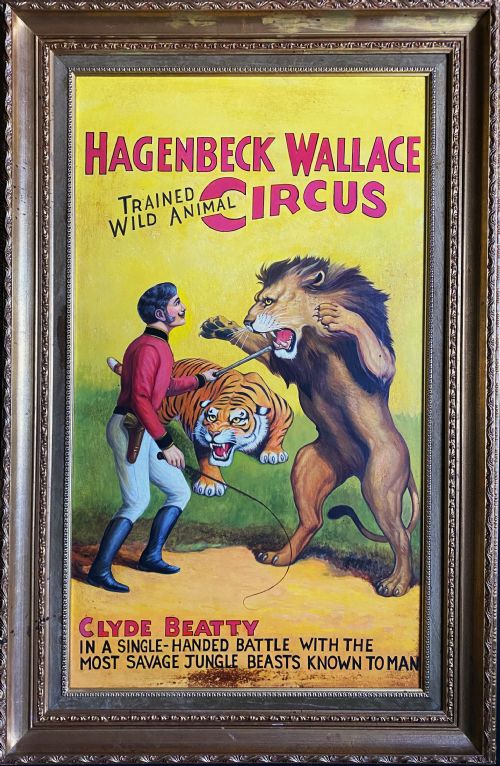
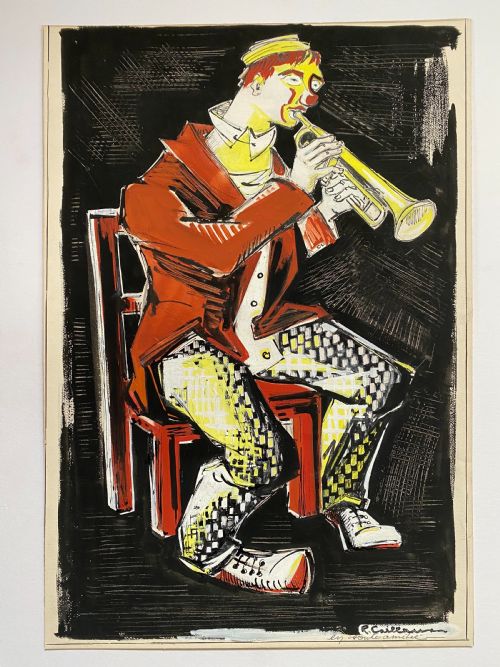
Vintage circus wall art encompasses bold paintings, fairground panels and original posters that capture the vibrant spectacle of the traditional big top. When searching for vintage circus wall art, buyers encounter everything from early twentieth century carousel boards to mid century gouache paintings.
The selections on this page span from nineteenth century English fairground ride panels to surrealist depictions of circus cyclists and lion trainers. These works combine commercial showmanship with genuine folk art charm, making them striking focal points for modern interiors.
Most examples originate from the early to mid twentieth century, utilising weathered surfaces and expressive brushwork to tell the story of travelling performers and carnival life. Whether selecting a carved wooden architectural salvage piece or a pastel portrait of a circus ballerina, collectors find substantial visual history in each item.
How they were made
Makers of vintage circus wall art relied heavily on wood, paper and canvas as foundations for their vibrant imagery. Paint, polychrome finishes, and occasional gilt or gold leaf added the necessary high contrast required to attract crowds at fairgrounds and exhibitions.
Techniques ranged from the structural carpentry of architectural salvage and fairground game panels to fine media like oil, pastel and gouache on paper. Artisans applied rich layers of paint to withstand outdoor fairground environments or to create detailed mid century illustrative portraits.
Styles represented include Victorian folk art, surrealism, mid century impressionism, and art deco circus illustrations.
What varies in quality
Quality in these pieces rests primarily on the strength of the composition and the integrity of the original painted surface. Works by documented hands, such as specific mid century painters, often display superior draftsmanship compared to anonymous commercial boards.
The depth of patination and the survival of original polychrome paint or gold leaf significantly alter the visual impact of wooden fairground panels. Pieces retaining their authentic weathering offer a more compelling historical presence than heavily restored examples.
Emil John Hess
The Vintage Circus Wall Art Glossary
- Fairground Folk Art
- Decorative objects created for amusement parks and carnivals, often by anonymous craftsmen rather than trained academic artists. These items are celebrated for their bold colours and unpretentious charm.
- Architectural Salvage
- Salvaged building components or ride fragments rescued from dismantled structures or fairgrounds. They bring genuine structural history and weathered textures into domestic display.
- Polychrome Paint
- The application of multiple colours to a single object, particularly common in traditional woodcarvings and fairground panels. This technique ensured maximum visibility and theatrical appeal under bright lights.
- Gouache
- An opaque water-based medium used by illustrators and painters to achieve flat areas of vibrant colour. It allows for swift execution and striking opacity on paper supports.
Vintage Circus Wall Art: Frequently Asked Questions
What is vintage circus wall art?
Vintage circus wall art consists of historical paintings, fairground panels and original posters depicting performers, carnivals and the big top. These pieces range from early twentieth century carved wooden boards to mid century gouache and oil paintings.
Collectors prize these items for their bold use of colour and their direct connection to the history of popular entertainment. They serve as dramatic focal points in contemporary living spaces.
How should I hang heavy wooden panels?
Wooden fairground ride panels and architectural salvage pieces often possess substantial weight requiring robust wall fixings. It is essential to anchor them directly into wall studs or utilise heavy duty masonry anchors.
Consulting a professional framer or installer ensures the piece remains secure without damaging the historic wood or original polychrome paint layers.
How do I care for antique paper circus posters?
Paper posters and gouache paintings require protection from direct sunlight to prevent the fading of vibrant inks and pigments. Framing them behind UV-filtering glass helps preserve the delicate paper supports.
Maintaining stable indoor humidity levels also prevents the paper from warping or developing foxing over time.
How do I distinguish fairground panels from later replicas?
Original fairground panels show natural weathering, authentic wear to the polychrome paint, and construction methods consistent with early to mid twentieth century carpentry. Examination of the wood grain and pigment layers usually reveals genuine age.
Replicas often lack the depth of patination and the specific architectural salvage characteristics found in authentic carnival boards.