


Mid Century Glazed Bookcase
A mid century glazed bookcase keeps volumes visible while protecting paper from dust, bringing clean timber and clear glass into a modern room.
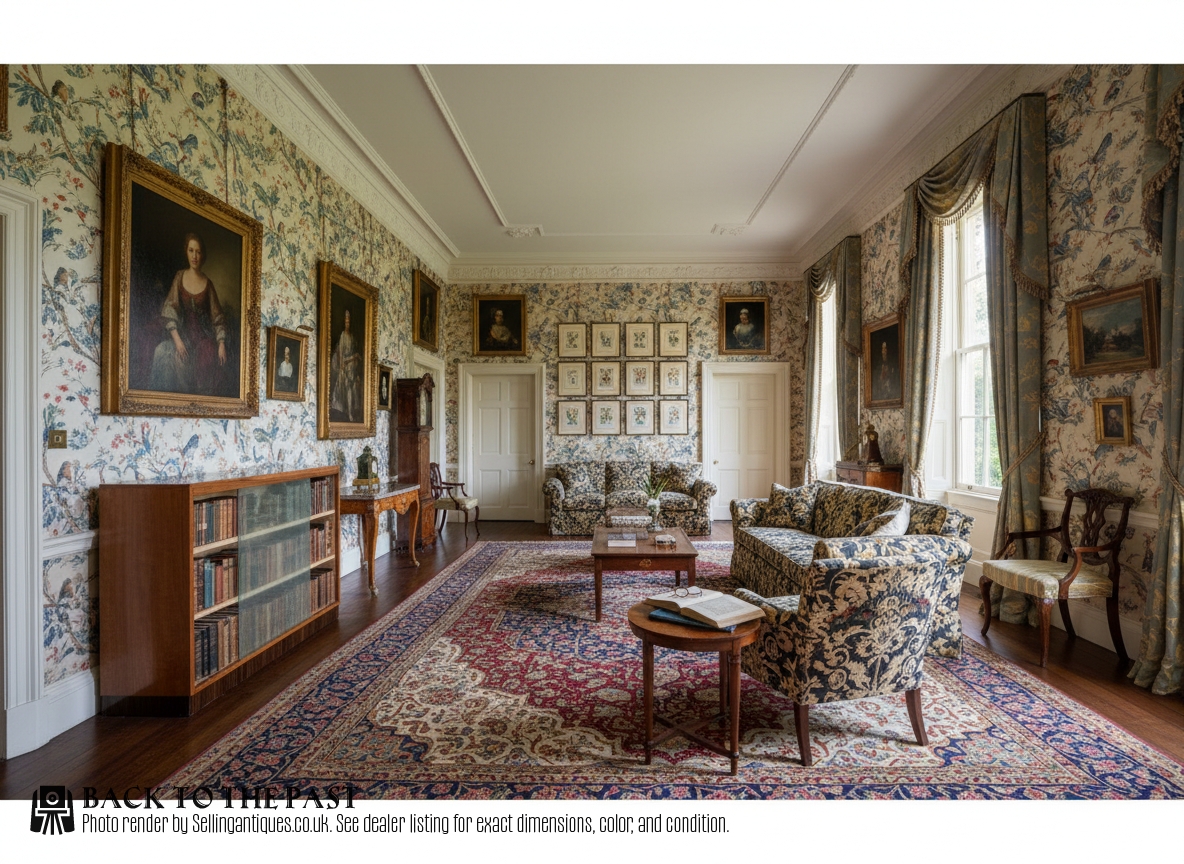
Mid Century Glazed Bookcase
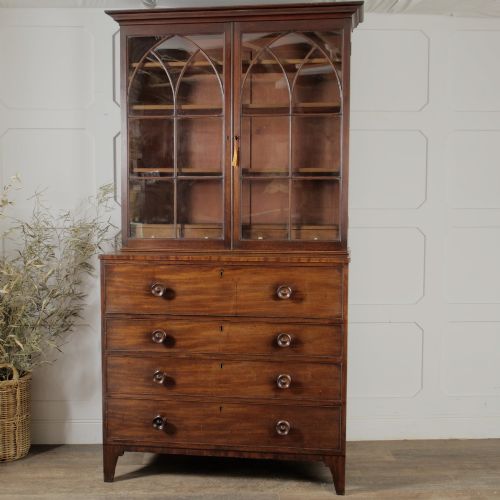
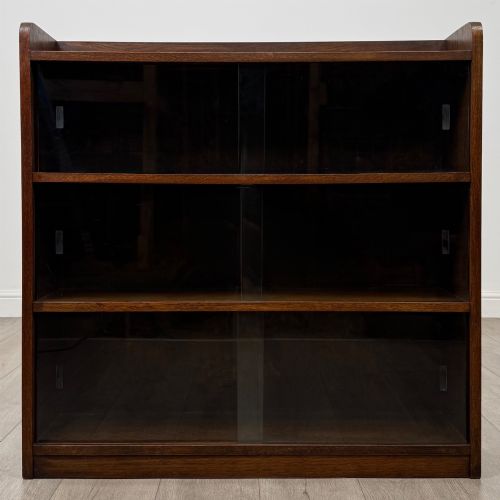
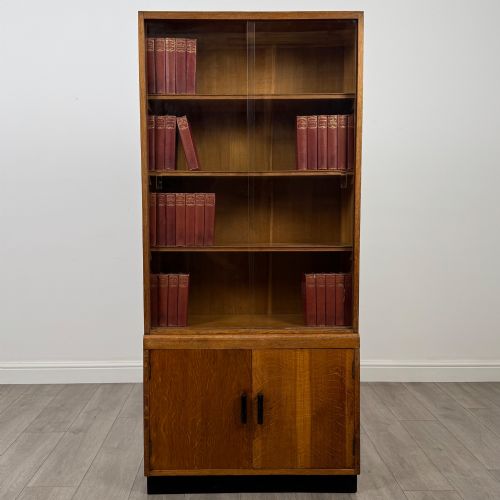
When you search for a mid century glazed bookcase, you encounter tall library pieces, dwarf cabinets, and smaller display units designed to hold books behind glass doors. These storage forms span multiple decades, drawing on nineteenth-century craftsmanship as well as twentieth-century utility.
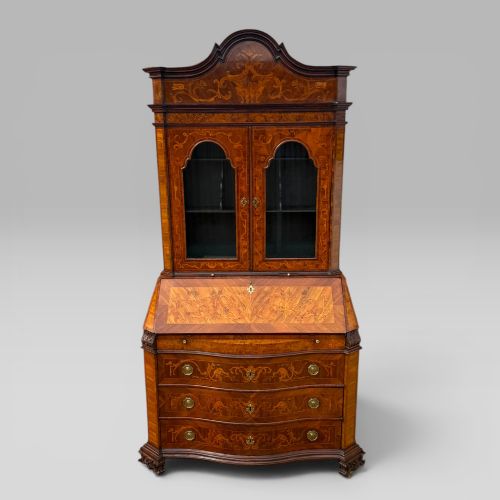
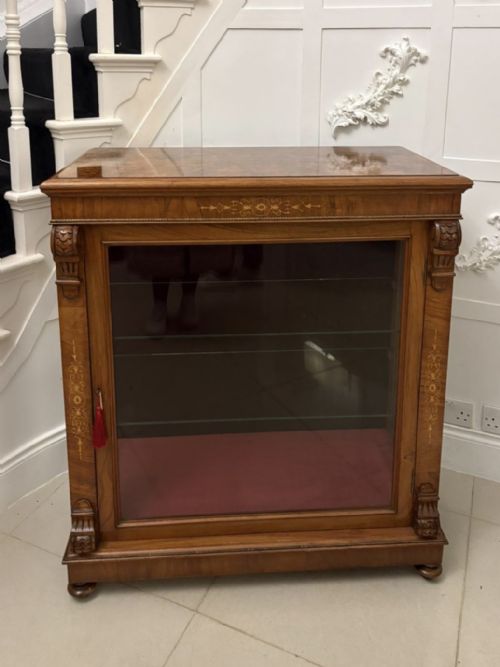
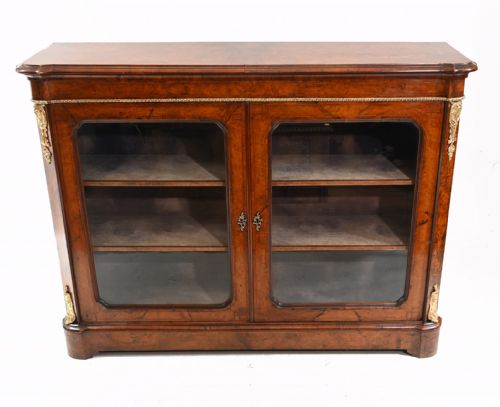
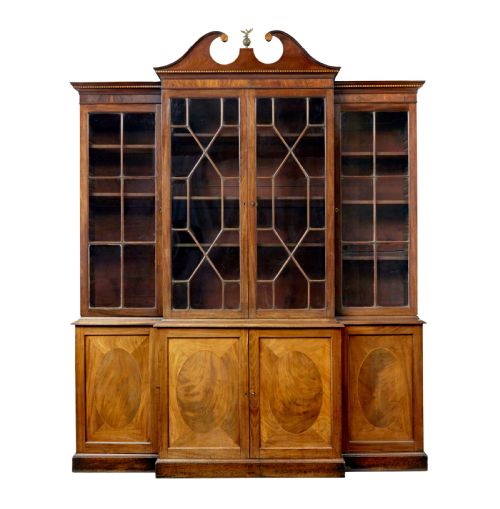
The selections on this page lean heavily toward nineteenth-century mahogany, walnut, and oak library pieces alongside twentieth-century teak and oak designs. You find breakfront bookcases, bureau bookcases, and two-door side cabinets suited to various room proportions.
Makers and workshops from London and regional centres produced these cabinets in styles ranging from Victorian and Edwardian to Art Deco and mid-century modern. Each piece combines functional shelving with glazed display fronts for practical home use.
Materials and construction methods
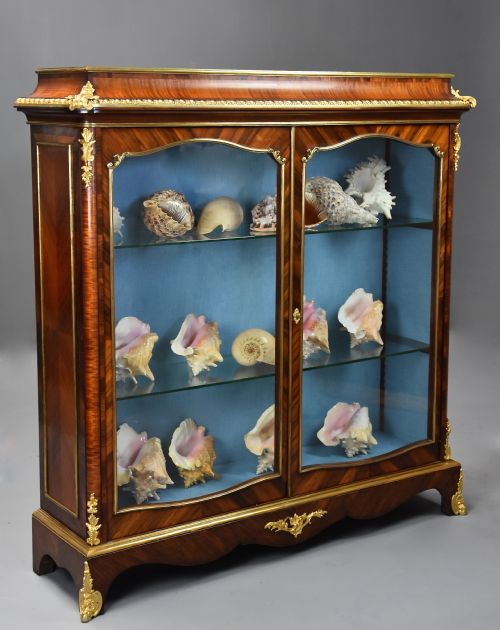
Carpenters built these bookcases using solid and veneered hardwoods such as mahogany, walnut, oak, rosewood, and amboyna. Finer examples incorporate exotic timbers like kingwood, tulipwood, and ebony, often highlighted with marquetry or brass ormolu mounts.
Glazing forms the central visual element, utilising fitted glass panes held in wooden frames to protect books and display objects. Structural support comes from sturdy timber framing, with breakfront and two-part constructions allowing large library pieces to be assembled in situ.
Listings feature mahogany, oak, walnut, and rosewood alongside glass and brass across nineteenth and twentieth-century periods.
What separates the finest examples
Quality rests in the selection of figured timber veneers, such as burr oak or figured walnut, and the precision of the joinery. Superior library bookcases show careful grain matching across large breakfront surfaces and doors.
Hardware and interior details also set pieces apart, from original brass mounts and working locks to detailed wood carving and fitted writing drawers in bureau variants. Cabinets with documented maker attributions or distinct institutional provenance hold particular distinction.
Druce And Co·Arthur Reynolds Of Ludlow·Phoenix Gallery
The Mid Century Glazed Bookcase Glossary
- Breakfront
- A cabinet design where the central section projects forward from the flanking sections. This configuration creates visual depth in large library bookcases.
- Bureau bookcase
- A combination of a sloping desk flap for writing and a glazed shelving section above for books. These dual-purpose units provide workspace alongside storage.
- Pier cabinet
- A low freestanding cabinet designed to fit narrow wall spaces or piers between windows. They frequently feature glass doors and walnut or mahogany construction.
- Ormolu
- Gilt-bronze decorative mounts applied to furniture. This technique appears on French revival cabinets to accent corners and cornices.
Mid Century Glazed Bookcase: Frequently Asked Questions
How do I protect books inside?
Glass doors keep out dust and airborne particles while permitting clear visibility of your collection. This barrier helps preserve paper bindings over decades.
Keep wooden cabinets away from direct sunlight and radiators to prevent timber shrinkage and warping.
Are these cabinets two parts?
Larger library bookcases often separate into a heavier lower base and an upper glazed section for ease of transport. Two-part construction was standard for heavy nineteenth-century furniture.
Dwarf cabinets and smaller display units are typically single-piece constructions.
What woods were commonly used?
Cabinet makers relied primarily on mahogany, oak, and walnut for structural stability and rich grain patterns. Rosewood, amboyna, and kingwood appear on more decorative examples.
Inlays of tulipwood and marquetry added contrast to primary timber surfaces.