


Sliding Glass Bookcase
A sliding glass bookcase keeps dust off your volumes while offering a clear view of the spines inside.
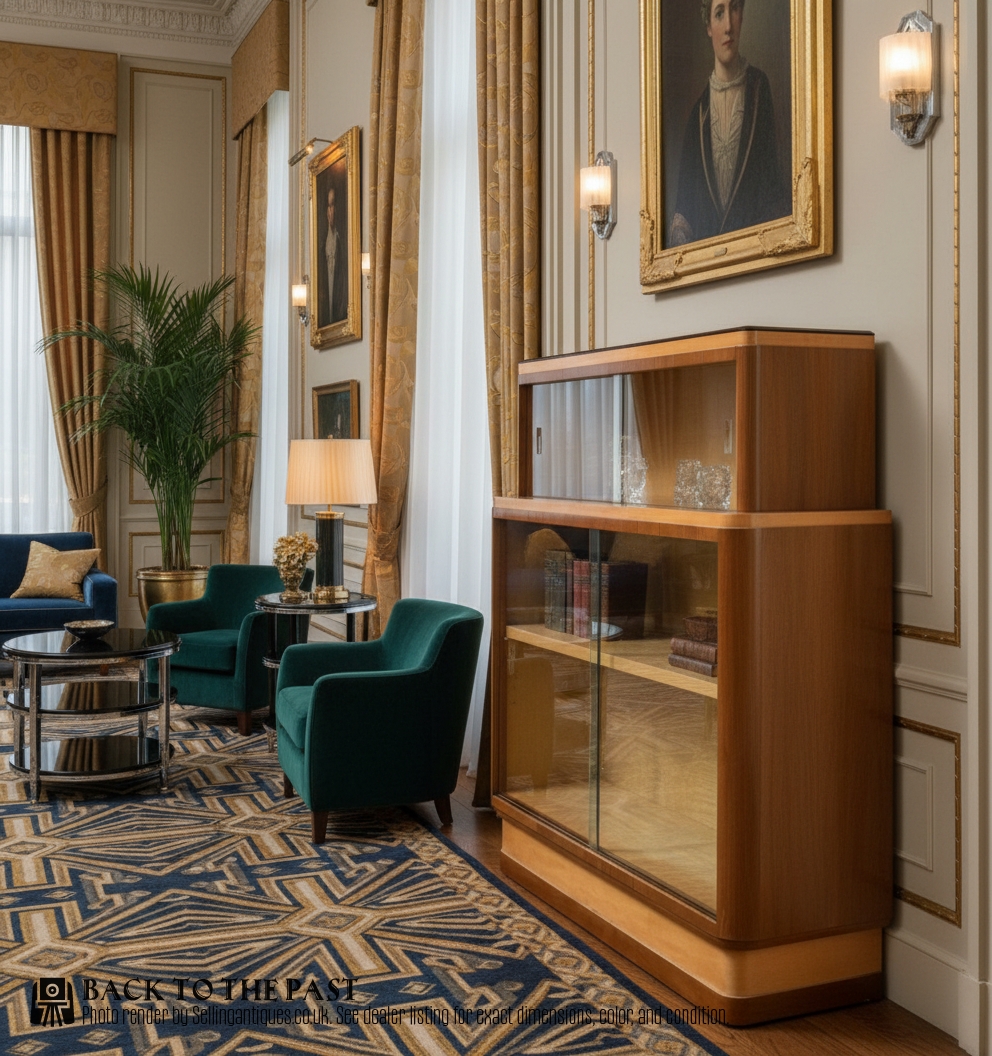
Sliding Glass Bookcase
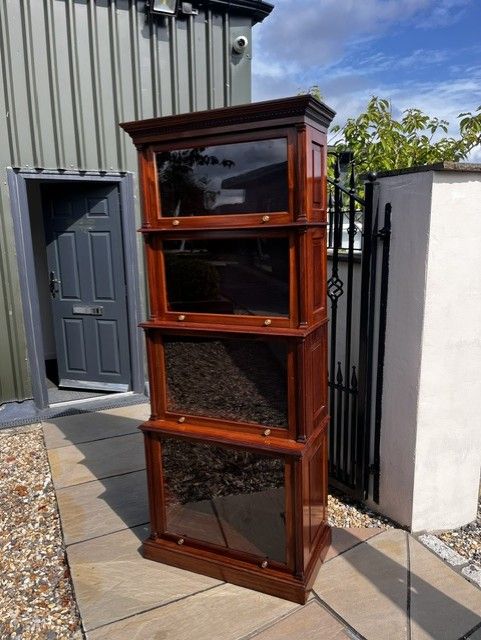
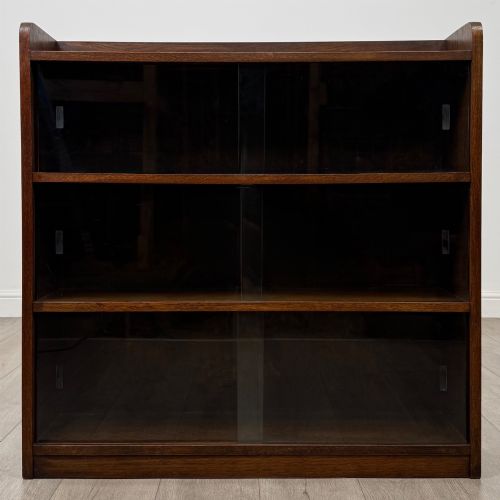
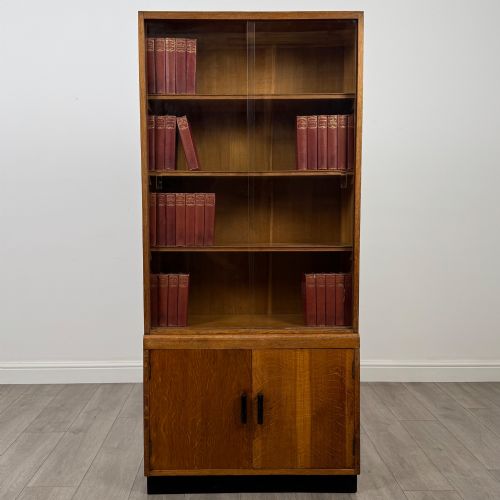
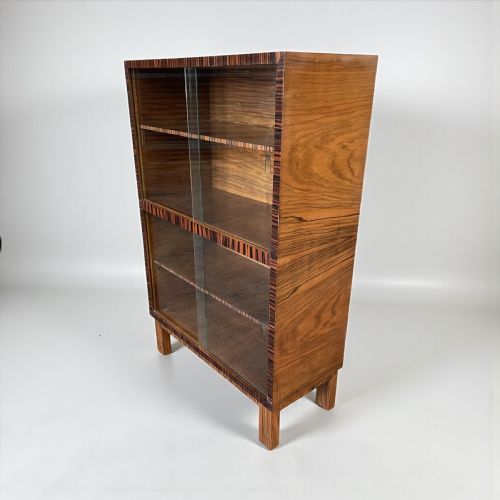
A sliding glass bookcase is a practical cabinet designed for storing books and display items behind glazed panels that move horizontally. When you search for a sliding glass bookcase, you encounter pieces that range from Edwardian golden oak cabinets to streamlined Art Deco designs and mid-century examples from the nineteen-fifties.
The forms vary from multi-tiered barrister stacking sections to compact table-top units and larger freestanding display cabinets. Most examples on this page date from the early to mid-twentieth century, reflecting the period when glazed doors became popular for domestic libraries and studies.
You will find these pieces executed in oak, solid mahogany, walnut, and sycamore, often paired with brass hardware and leaded details. They serve equally well in a modern study or a traditional living room, keeping valuable texts protected yet accessible.
How they were made
Cabinet makers utilised solid timbers alongside fine veneers, applying oak and mahogany to sturdy carcases constructed for daily domestic use. Glazing was fitted securely into wooden frames or allowed to slide in dedicated grooves within the timber structure.
Details such as brass handles and leaded glass accents appeared on specific Edwardian and Art Deco pieces, requiring precise joinery. The finish relied on traditional polishing techniques that brought out the natural grain of the walnut, oak, or mahogany.
Listings feature items spanning several decades, from nineteen-ten Edwardian oak cabinets to nineteen-fifties gallery pieces.
What varies in quality
The distinction between standard utility items and finer pieces rests on the choice of timber and the precision of the joinery. Better examples employ solid mahogany, figured walnut, or select oak rather than simpler commercial veneers.
Proportion and decorative restraint also separate the grades. A piece with well-balanced tiers, clean sliding mechanisms, and thoughtful details like sycamore inlay or brass fittings represents superior craftsmanship compared to plain utility carcasses.
AMYL·Phoenix Gallery
The Sliding Glass Bookcase Glossary
- Barrister stacking bookcase
- A modular bookcase featuring multiple tiers with glazed doors that lift and slide inside the shelf space. This design originated to allow individual sections to be stacked together easily.
- Art Deco
- A design style prominent in the nineteen-thirties characterised by geometric shapes, stylised motifs, and sleek lines. Pieces from this period often utilise contrasting veneers like walnut and sycamore.
- Veneer
- A thin layer of choice wood applied to a backing timber to provide a decorative surface. Skilled application ensures the grain patterns flow harmoniously across the doors and panels.
- Glazed
- Fitted with glass panes to enclose the shelving area. This protects the contents from dust while maintaining visibility.
Sliding Glass Bookcase: Frequently Asked Questions
What is a sliding glass bookcase?
A sliding glass bookcase is a storage unit featuring glazed doors that move sideways on tracks to enclose the shelves. This design protects books from dust while keeping titles clearly visible.
Such cabinets appear in various styles from the early twentieth century onward, ranging from compact Edwardian oak units to streamlined Art Deco walnut pieces.
How do I date a sliding glass bookcase?
Dating relies on the materials, hardware, and stylistic traits of the piece. Edwardian examples often feature golden oak, whereas nineteen-thirties pieces lean towards Art Deco geometry and contrasting veneers.
Construction methods also provide clues, as mass-produced twentieth-century items differ significantly from earlier handcrafted barrister sections.
Are the glass doors removable?
Many sliding glass doors lift out of their tracks for safe transport and thorough cleaning. The panes typically slide in parallel grooves cut directly into the wood or fitted with metal runners.
Care must be taken when handling the glass to avoid chipping the edges against the timber frame.
Where should I place a sliding glass bookcase?
These cabinets suit studies, living rooms, and hallways where floor space is at a premium because the doors do not swing outward into the room. Positioning them away from direct sunlight helps protect the timber and book bindings from fading.
Ensure the floor is level so the sliding panels move freely within their tracks.