
Mid Century Bookcase
A mid century bookcase brings substantial presence to a room, holding libraries and display pieces with architectural gravity.
Mid Century Bookcase
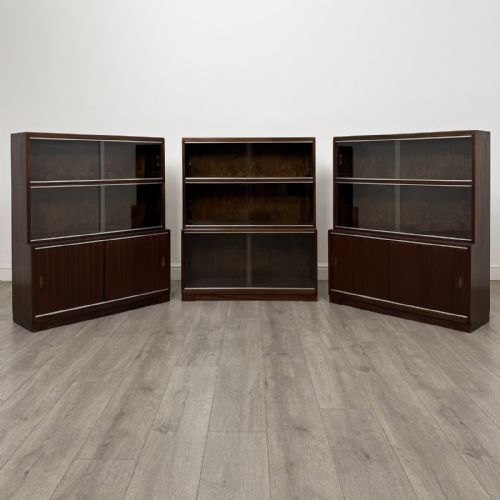
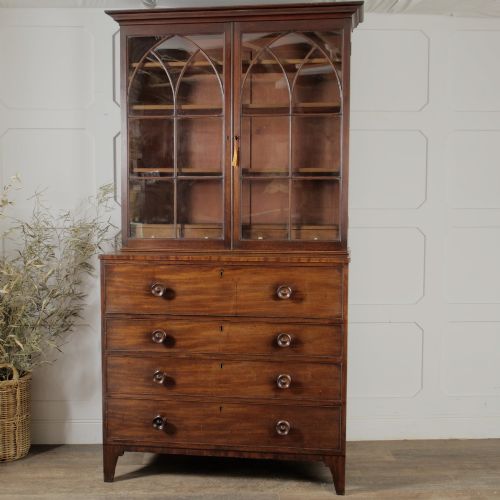
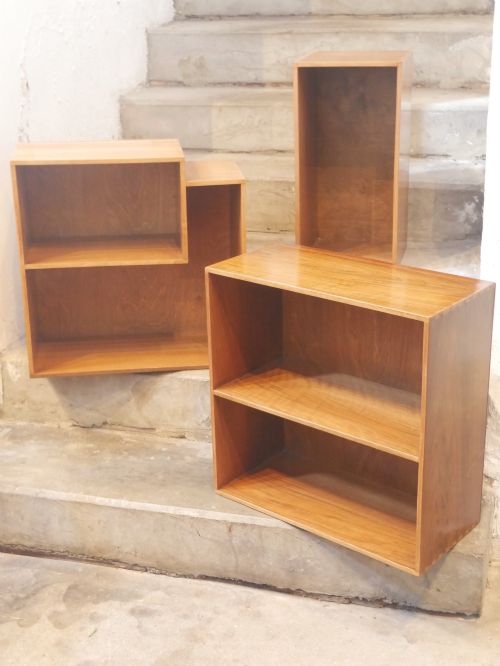
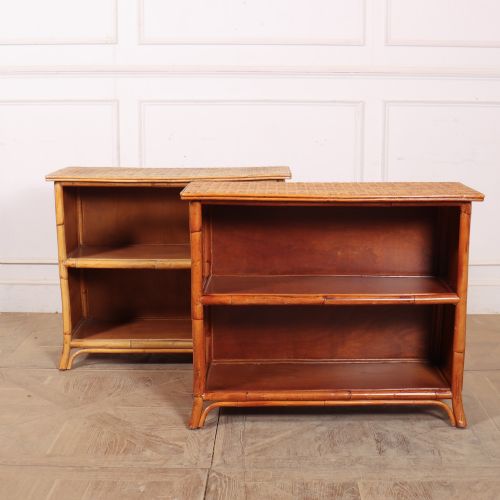
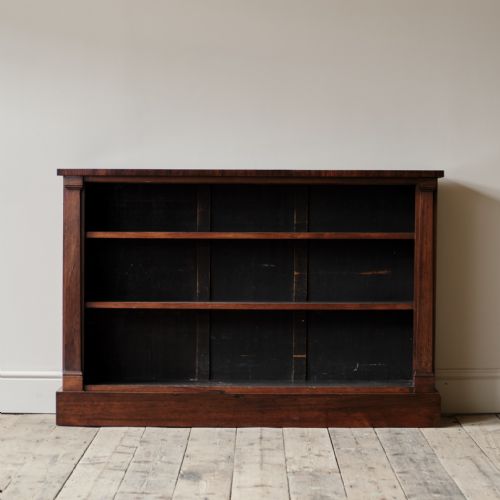
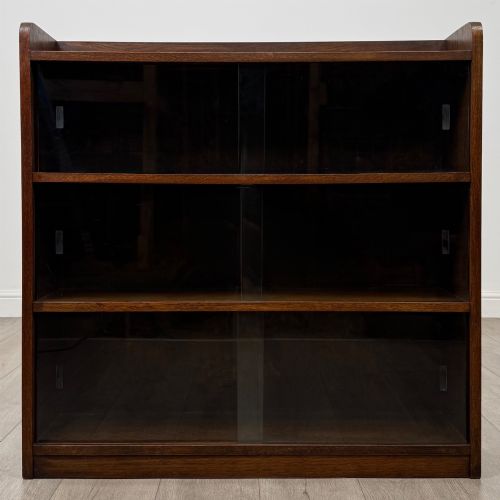
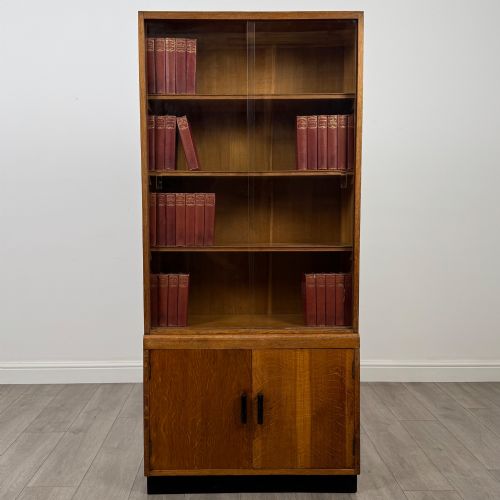
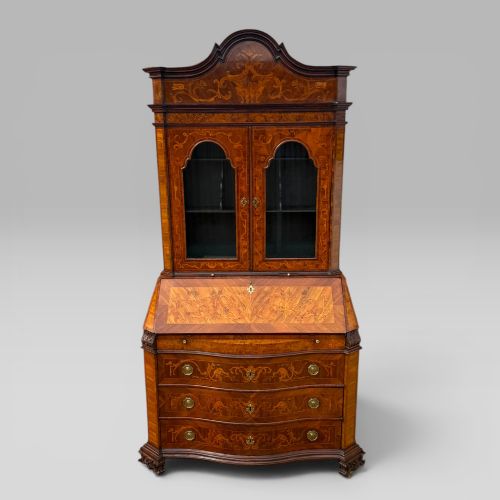
When searching for a mid century bookcase, buyers encounter a diverse selection of furniture spanning open shelving units, glazed display cabinets, and secretaire bookcases. While the phrase suggests the mid-twentieth century, the available pieces frequently encompass nineteenth-century designs alongside items from the 1920s and 1930s, reflecting broader interpretations of period storage.
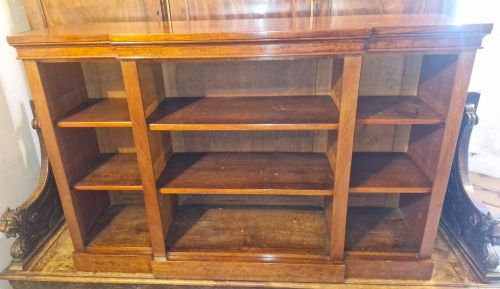
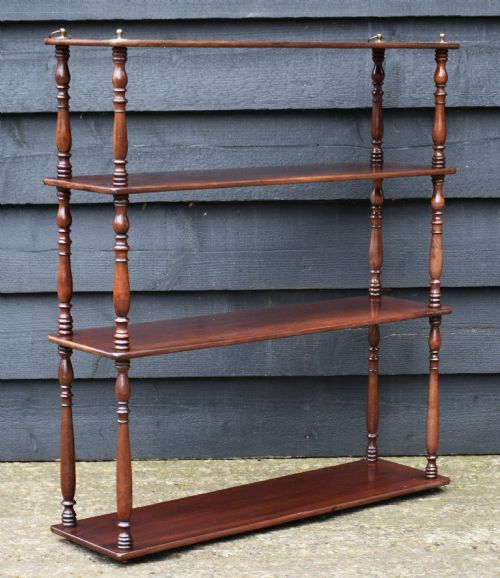
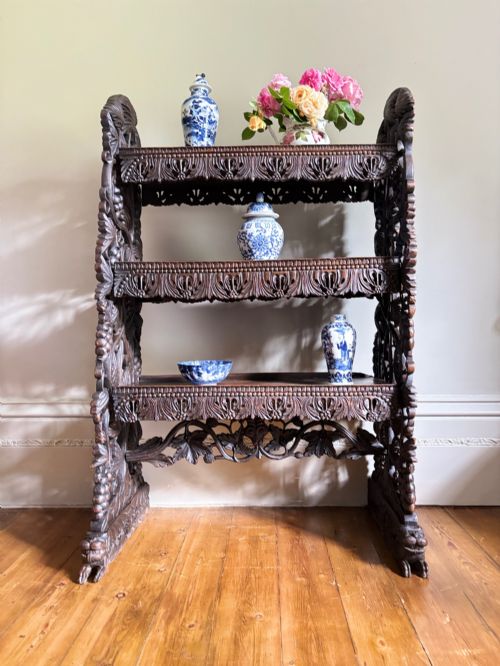
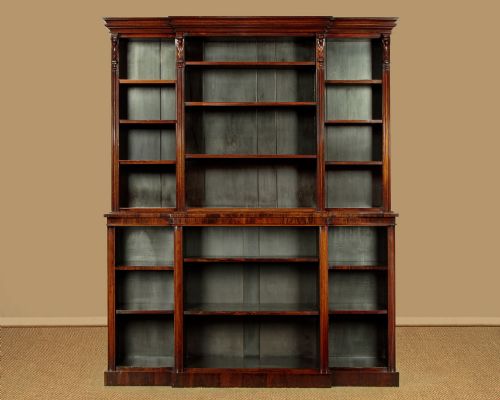
The assortment on this page leans heavily toward nineteenth-century craftsmanship, with numerous examples originating from the 1850s and 1860s. Cabinets, breakfront bookcases, and wall-hanging shelves dominate the selection, constructed in sturdy forms meant for organising extensive home libraries or displaying fine porcelain and books.
Originating from various workshops across Britain, Europe, and further afield, these storage items utilise rich timber grains and architectural details such as carved corbels or Gothic influences. Buyers will find everything from simple oak open shelves to elaborate rosewood and mahogany breakfront libraries designed to anchor large living spaces.
Materials and construction techniques
Makers relied predominantly on dense hardwoods such as mahogany, oak, rosewood, and walnut, frequently applying wood veneer or exotic timbers like kingwood, tulipwood, and padauk to visible surfaces. Marquetry, inlay work, and carved details enhance the structural woodwork, particularly on nineteenth-century breakfronts and display cabinets.
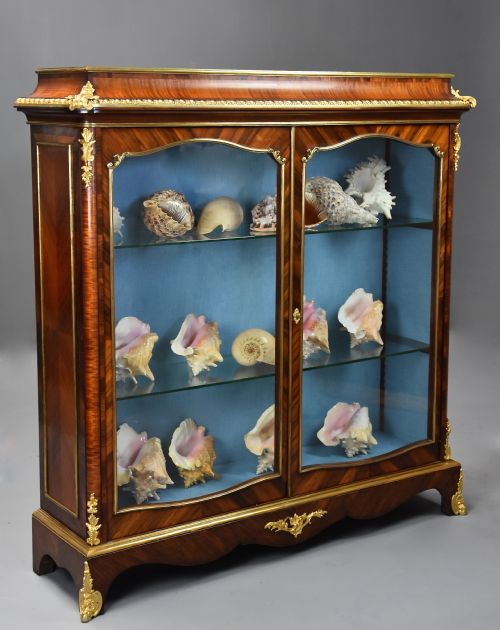
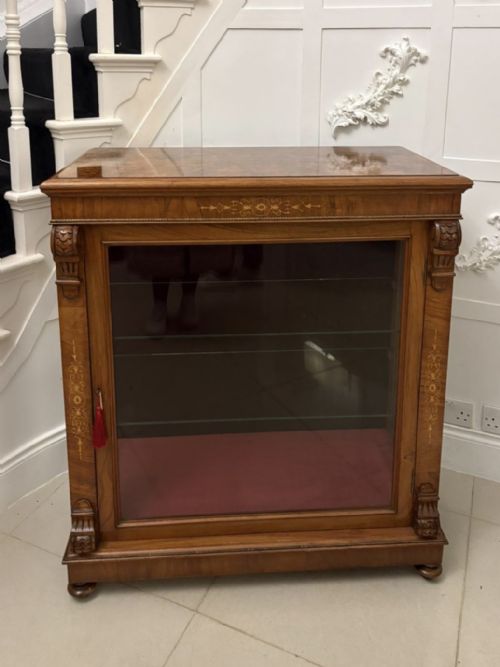
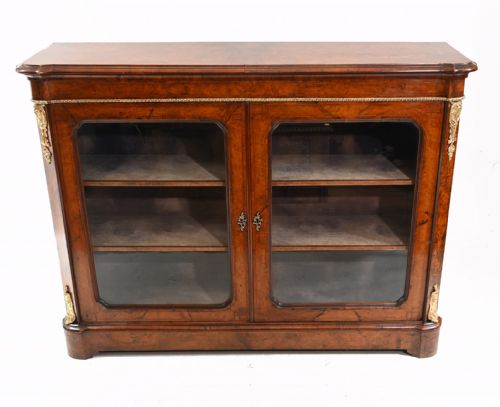
Glass panels are common for glazed cabinet doors and display sections, whilst interior hardware often incorporates brass fittings. Ormolu mounts appear on select continental pieces, providing metallic contrast against dark figured walnut and kingwood surfaces.
The listings on this page span the 18th, 19th, and 20th centuries, featuring woods from mahogany and oak to exotic padauk and kingwood.
Distinctions in quality
Superior examples separate themselves through the selection of timber figures, such as flame mahogany, birdseye maple, or matched rosewood grains, rather than uniform plain boards. The precision of the joinery, the depth of hand-carved corbels or mouldings, and the integration of specialised elements like secretaire drawers define the upper tier of craftsmanship.
The presence of designer attribution or notable workshop provenance elevates a piece above standard utilitarian storage. Construction robustness, from the thickness of the shelving timber to the quality of the glass and brass fittings, dictates the enduring stability of each cabinet.
Sir Charles Barry·Druce And Co
The Mid Century Bookcase Glossary
- Breakfront
- A cabinet or bookcase whose central section projects forward from the flanking wings. This configuration adds architectural depth and presence to large library furniture.
- Secretaire
- A desk disguised as a drawer or cabinet door, featuring a drop-front writing surface that conceals small pigeonholes and inner compartments. It combines workspace with traditional book storage.
- Ormolu
- Gilded bronze ornamentation applied to furniture, popular in continental cabinet making during the nineteenth century. It provides metallic highlight against dark hardwoods.
- Etagere
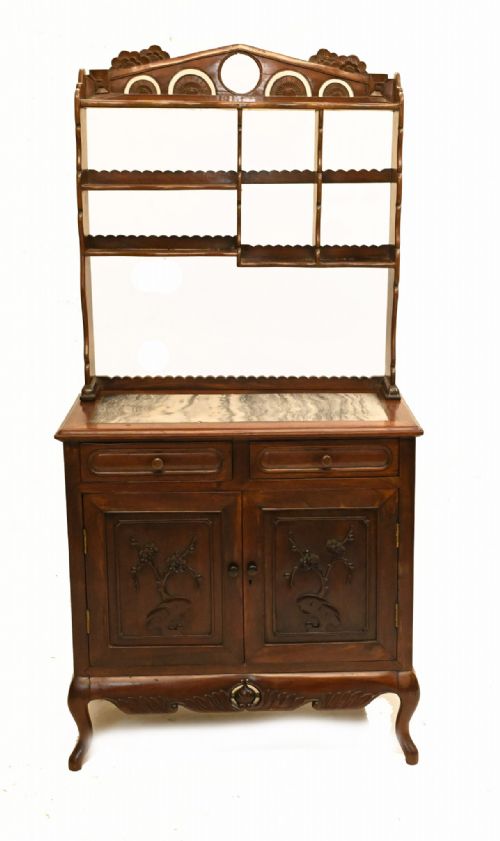
- A set of open shelves supported by columns or slender uprights, used for displaying small decorative items and books. These tiers offer accessible storage from multiple angles.
- Pier Cabinet
- A narrow display cabinet designed to fit against the wall space between windows. They typically feature glazed doors to protect collections of china and small objects.
Mid Century Bookcase: Frequently Asked Questions
How do I distinguish open bookcases from display cabinets?
Open bookcases provide direct, unobstructed access to shelves without doors, suiting everyday book collections. Display cabinets incorporate glazed doors to protect delicate volumes and decorative objects from dust.
Glazed variations often feature specialised locks and decorative mullions framing the glass panels.
Where should I place a pier cabinet?
Pier cabinets fit neatly into narrow wall spaces, traditionally positioned between tall windows where standard furniture would block light or passage. Their compact footprints maximise storage in tighter architectural gaps.
These pieces work well in hallways or reception rooms for displaying small decorative collections.
How do I care for antique wood bookcases?
Antique wood bookcases require stable indoor humidity away from direct heat sources and sunlight to prevent timber splitting or veneer lifting. Regular dusting with a soft, dry cloth preserves the finish.
Periodic application of appropriate wax feeds the hardwood surfaces without building up heavy chemical residues.