
Mid Century Desk Chair
A mid century desk chair balances working height with traditional cabinet-making, offering a sturdy seat for study or daily business.
Mid Century Desk Chair
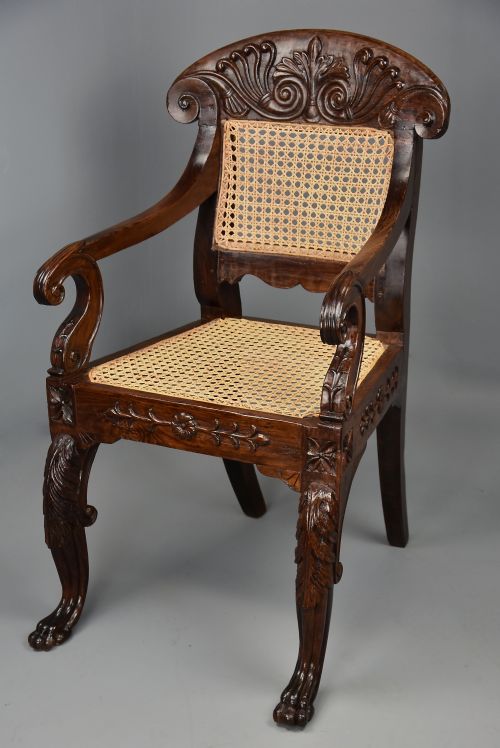
When you search for a mid century desk chair, you encounter forms built for writing, library use, and study during the eighteenth and nineteenth centuries. The pieces collected here span the Georgian and Victorian eras, alongside select twentieth-century designs, reflecting a long history of domestic and institutional workspace seating.
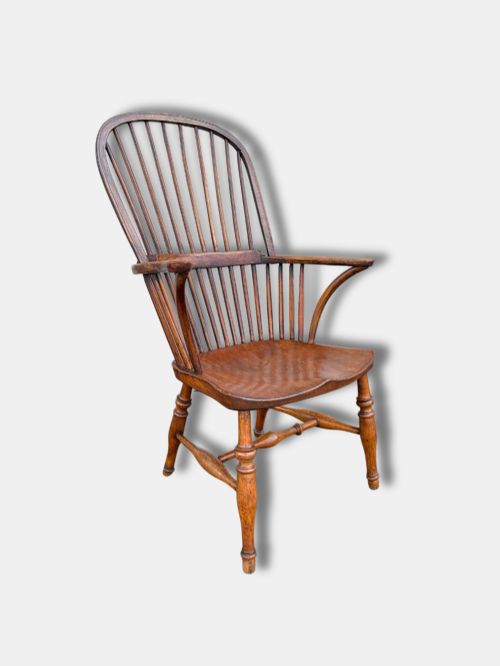
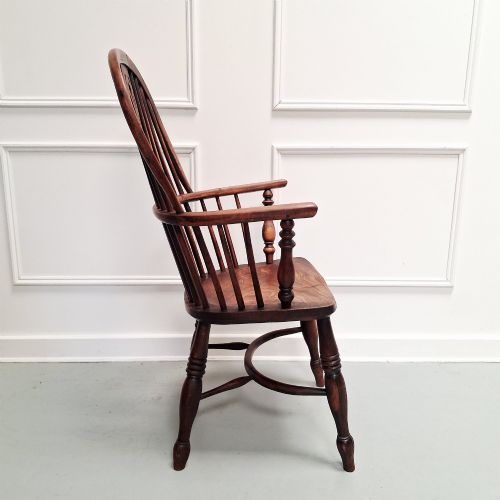
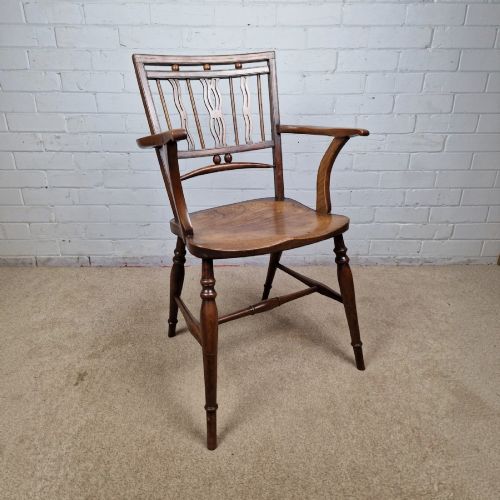
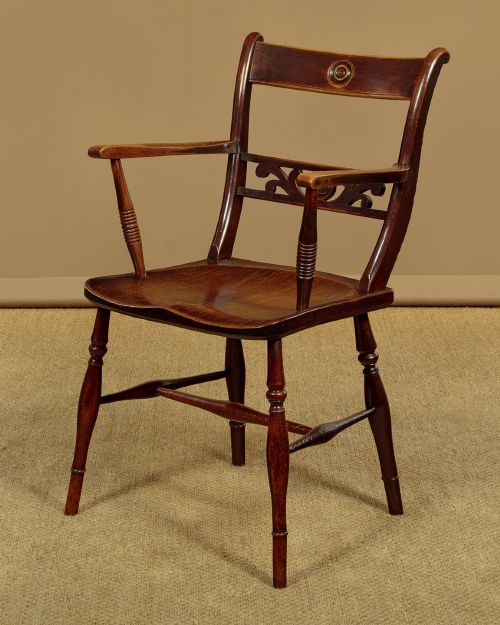
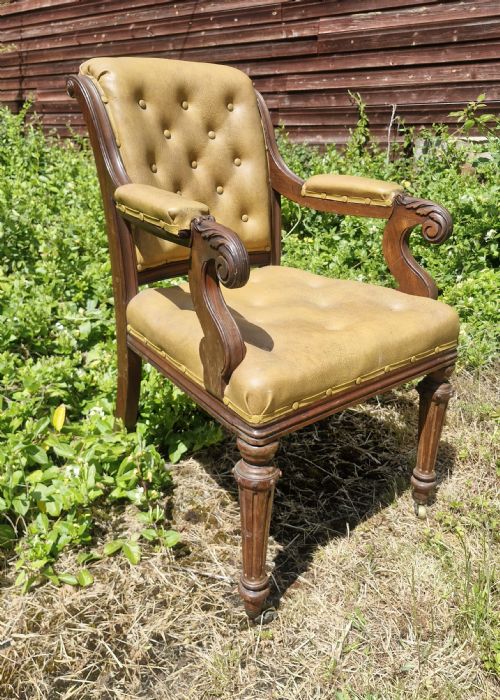
The version you are most likely to meet on this page is a nineteenth-century mahogany or elm example, often featuring revolving mechanisms, leather upholstery, or spindle backs. These chairs combine the robust construction of regional workshops with the refined cabinet-making of metropolitan makers.
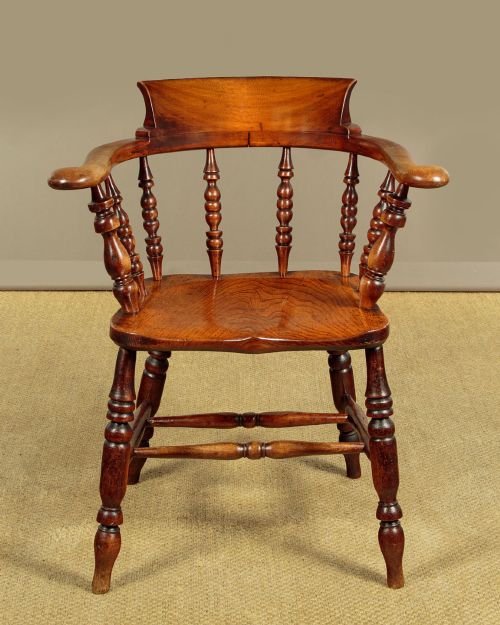
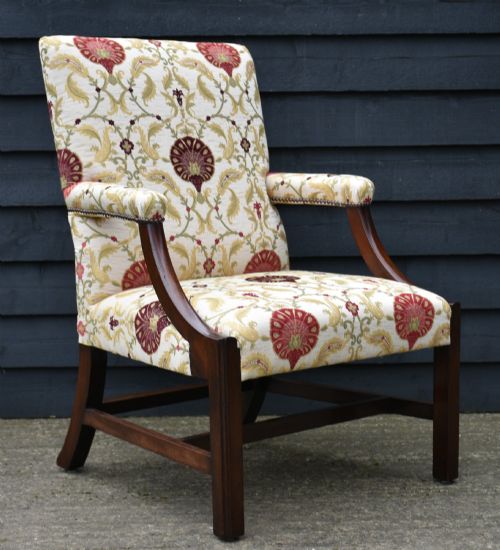
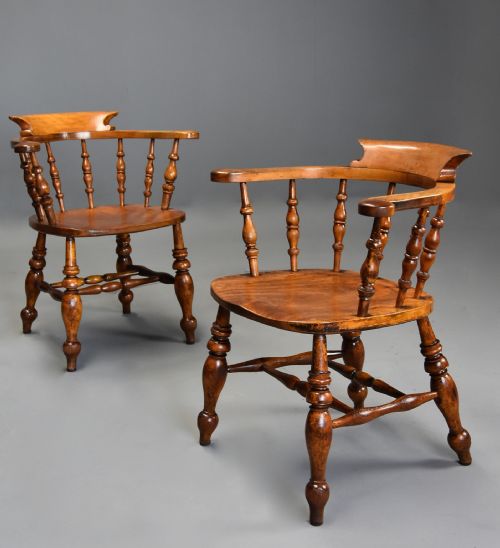
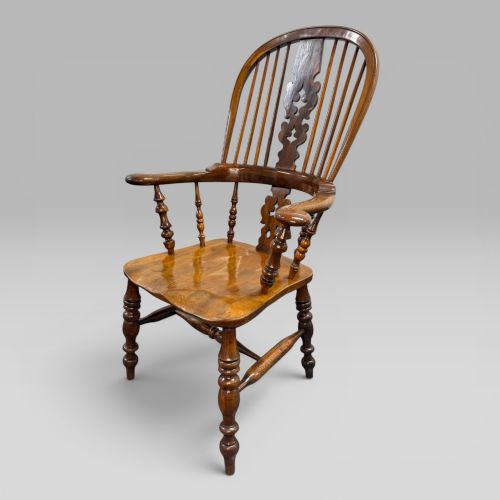
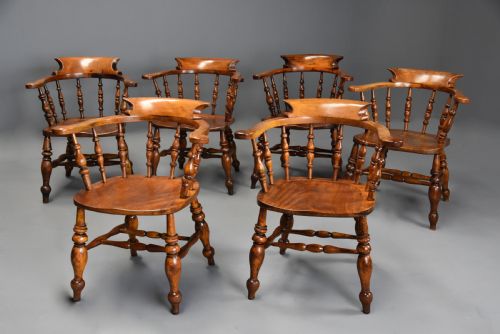
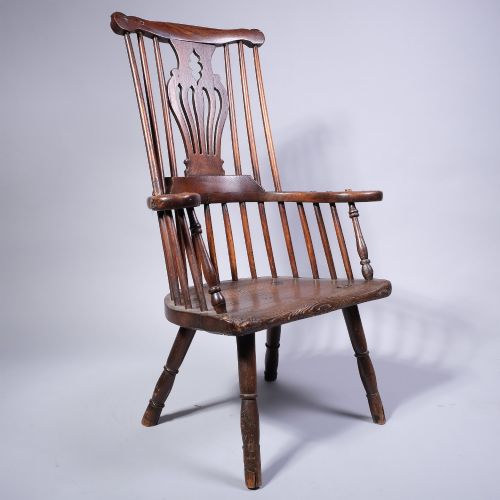
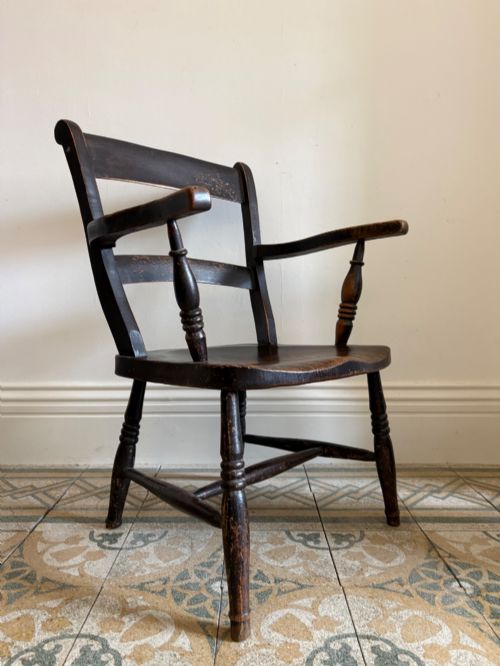
Beyond dedicated desk forms, the listings include related seating such as library armchairs, smoker's bows, and Windsor chairs that served similar working functions in studies and offices. Each piece demonstrates how period makers adapted domestic chair patterns for comfortable, prolonged seating.
How they were made
Makers relied on durable timbers such as mahogany, elm, ash, and walnut, selecting dense hardwoods to withstand the strains of daily office and library use. Turned wooden spindles, bentwood arms, and joined frames formed the structural backbone of these working chairs.
Upholstery techniques involved stuffed seats covered in leather or fabric, sometimes finished with buttoning for added support and durability. Brass hardware, including castors and revolving spindles, was integrated to allow movement and adjustability in working environments.
Several armchairs carry the unmistakable scars of nineteenth-century ink spills, recording centuries of industrious administrative labour.
What varies in quality
The calibre of a mid century desk chair depends on the selection of timber and the fidelity of its construction, from the turning of the legs to the joinery of the arms. Superior examples display thoughtful grain matching and robust framing that has survived decades of heavy use.
Refinement in carving and the retention of original mechanisms, such as working revolving screws or castors, distinguish the finest pieces from simpler regional variants. The depth of the timber's patina and the integrity of the original upholstery platform further separate ordinary utility seating from workshop masterpieces.
Hille·J Spencer
The Mid Century Desk Chair Glossary
- Smoker's bow
- A low-backed Windsor armchair with a rounded, continuous arm rail, commonly found in nineteenth-century offices and homes.
- Splatt
- The central vertical piece of wood within a chair back, connecting the seat to the top rail.
- Windsor chair
- A chair built with a solid wooden seat into which the legs and back spindles are directly inserted.
- Padouk
- A heavy, durable tropical hardwood with a reddish hue, utilised in fine nineteenth-century cabinet-making.
- Library armchair
- A generous seating form designed for reading rooms, often featuring padded arms and upholstered backrests.
Mid Century Desk Chair: Frequently Asked Questions
How were these chairs used historically?
Workers and readers utilised them at writing desks, bureau plat tables, and library reading carrels. Revolving mechanisms and castors allowed users to move easily around workspace tables without standing.
Many styles evolved from dining or Windsor patterns, adapted specifically for prolonged sitting during administrative or scholarly tasks. Their robust construction ensured they could withstand constant daily handling.
How do I care for leather upholstery?
Leather surfaces benefit from gentle cleaning with a damp cloth and periodic treatment with appropriate conservation balms to prevent drying. Avoid placing them near direct heat sources or strong sunlight.
Preserving the original hide involves maintaining stable room humidity and handling the material with clean hands. Natural ageing adds character, provided the underlying structure remains well-nourished.
How can I tell the period apart?
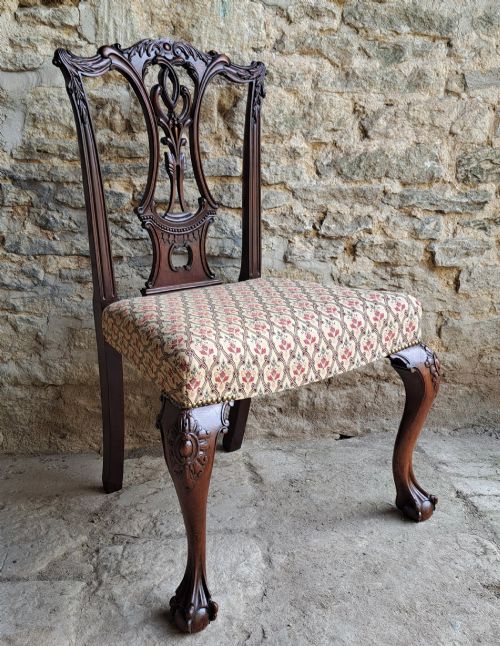
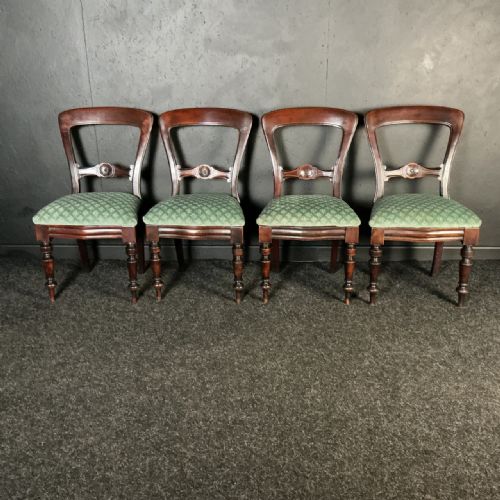
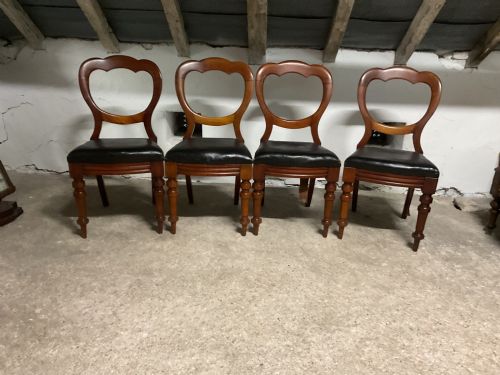
Georgian examples often display carved mahogany splats, cabriole legs, and precise joinery typical of mid-eighteenth-century design. Victorian iterations frequently incorporate heavier turned members, castors, and buttoned leather upholstery.
Examining the underside reveals construction methods, tool marks, and timber ageing that help clarify the date of manufacture. Comparing the turning style to known regional patterns further aids attribution.