

Mid Century Crystal
When you search for mid century crystal, you are stepping into a lineage of heavy lead glass and cut vessels that catch daylight.
Mid Century Crystal
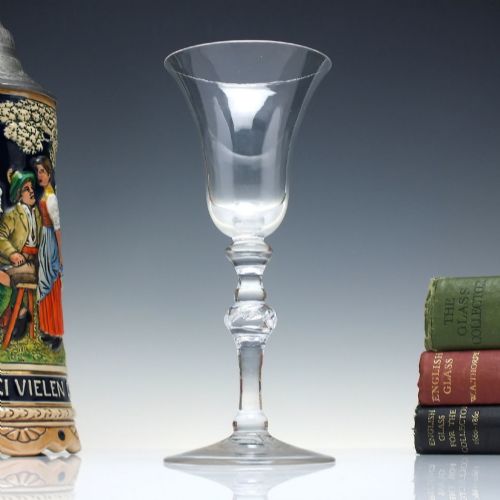
Mid century crystal spans domestic vessels, lighting, and decorative items produced across multiple centuries, drawing heavily on Georgian and Victorian drinking glasses alongside twentieth-century lamps and chandeliers. You encounter everything from delicate air twist wine glasses and decanters to heavy table lamps and sconces.
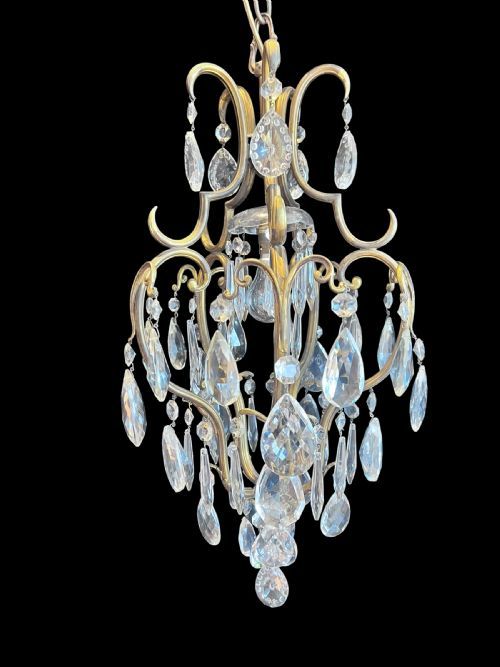
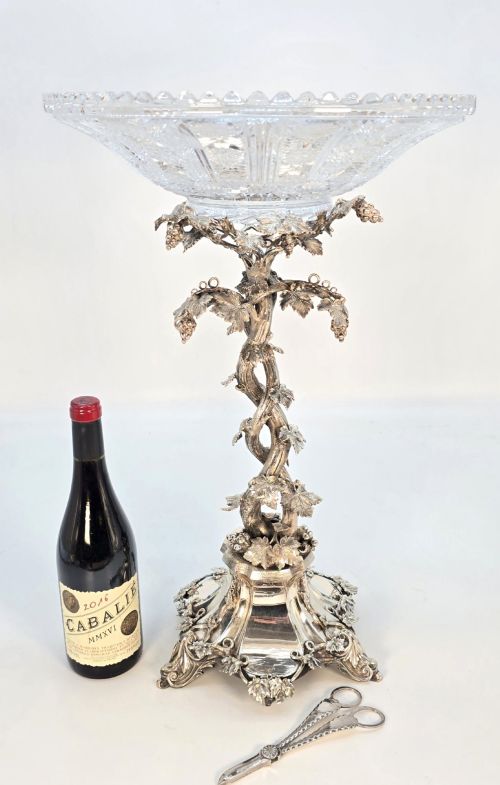
The objects on this page bridge eras, moving from eighteenth-century glassware through nineteenth-century centrepieces to mid-century chandeliers and jewellery sets. A buyer searching mid century crystal typically meets a mix of stemware, coloured overlays, and cast metal lighting fixtures hung with glass drops.
Materials and construction
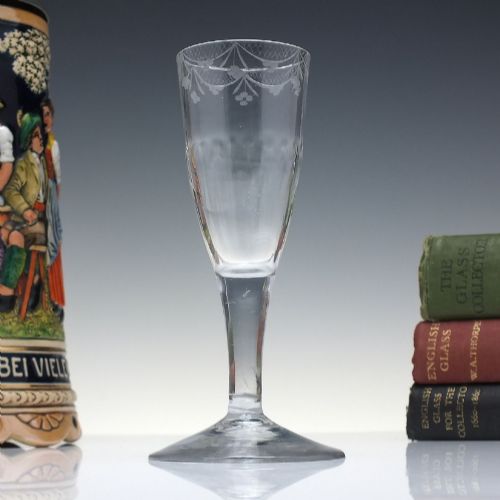
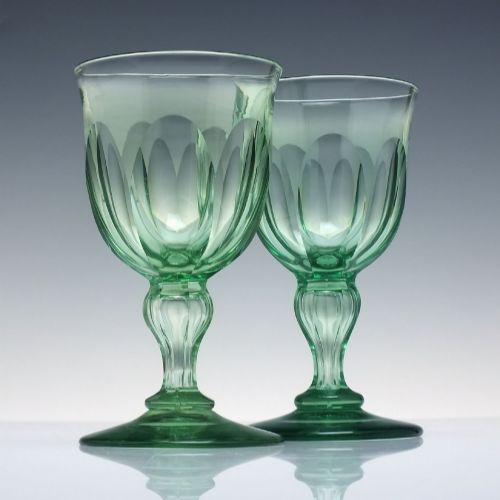
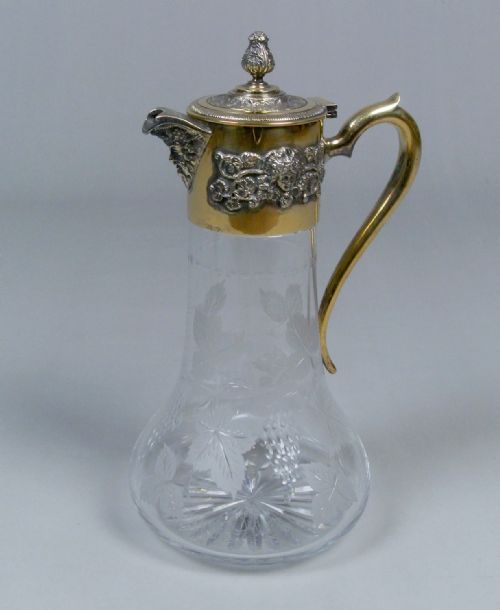
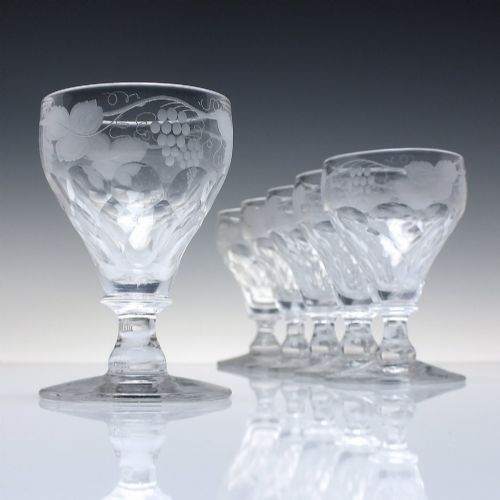
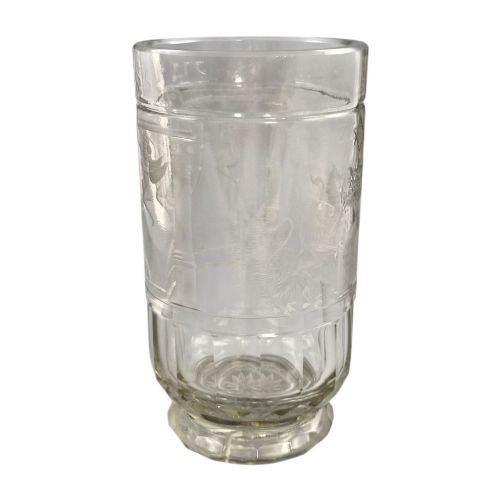
Makers utilised lead crystal, clear glass, and coloured glass, frequently combining them with brass, gilt metal, and silver plating. Vessels were free blown, mould-pressed, or wheel-engraved with motifs like fruiting vines and floral patterns.
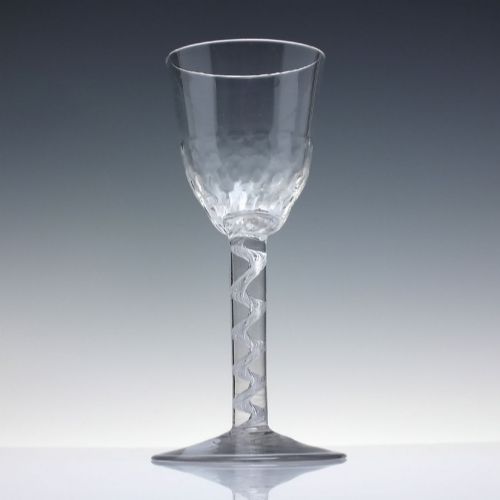
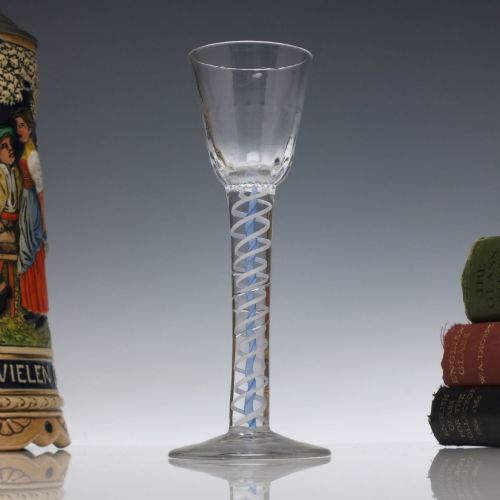
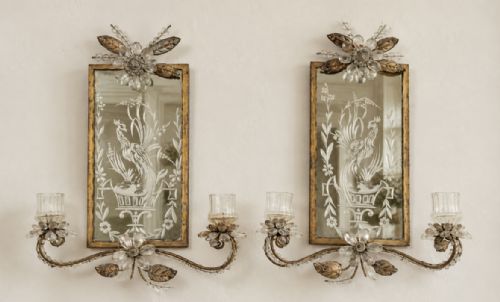
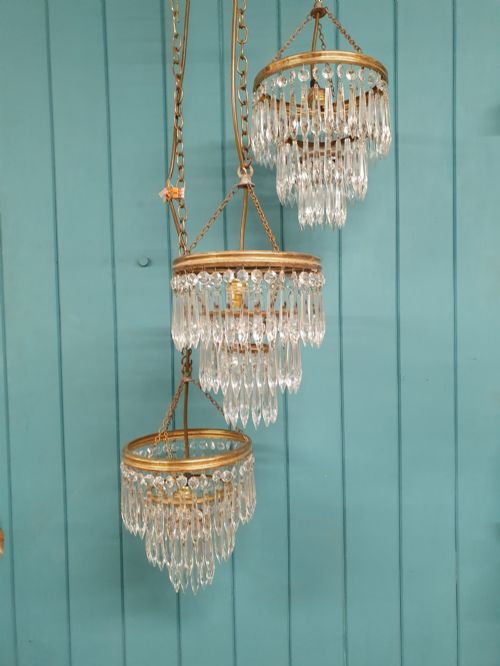
Lighting fixtures integrate cut glass drops and amber crystal teardrops into iron, toleware, and brass frameworks. Twist stems on drinking glasses rely on air, mercury, or opaque white glass threads trapped inside the molten metal during formation.
Mid Century Crystal Retail Price Guide 2026
Typical asking prices for mid century crystal among the pieces listed under this phrase on Sellingantiques today, from the lower quarter to the upper quarter. They describe what is for sale here now, not the wider market.
Materials range from free blown lead glass and cut crystal to gilt metal mountings, brass structures, and silver-plated centrepieces.
Distinctions in quality
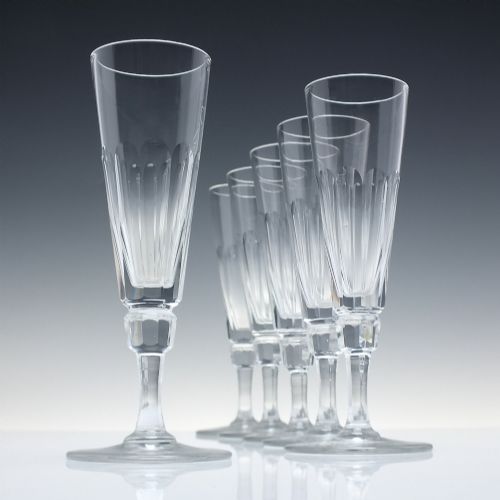
Quality rests on the clarity of the glass and the crispness of the cutting or engraving. Superior pieces show weight, fine proportions, and sharp facets that refract light cleanly without surface clouding.
In lighting and mounted pieces, the grade of the underlying metalwork and the security of the glass drops dictate the standard. Finer stemware displays precise twist formations within the stem and even wall thickness across the bowl.
Maison Bagues·Christian Dior·Lalique·Baccarat
The Mid Century Crystal Glossary
- Air twist
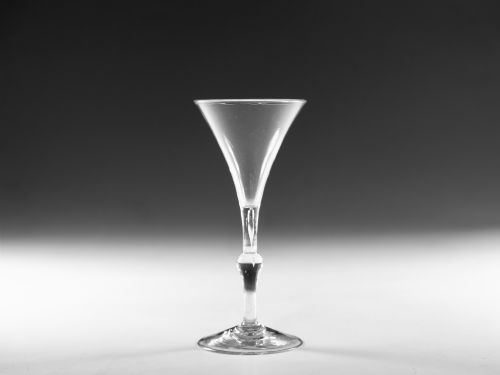
- A decorative stem formation containing elongated spiral bubbles trapped inside the glass. Makers created these by drawing air from inside the heated metal before pulling and twisting the stem.
- Lead crystal
- A heavy glass variety containing lead oxide, which increases brilliance, weight, and the ease of cutting. This material is denser than standard soda-lime glass.
- Latticinio
- Fine white or coloured glass threads embedded within clear glass in a network pattern. This technique originates in Italian glassmaking traditions.
- Parure
- A matching set of jewellery worn together, typically comprising a necklace, earrings, and a brooch. Sets often incorporate rhinestones or faceted stones in metal settings.
- Overlay
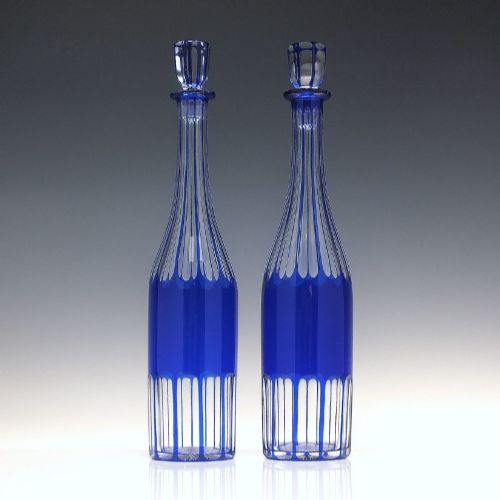
- A layer of coloured glass cased over a clear or contrasting glass body. Artisans cut through the outer coloured layer to reveal the contrasting glass underneath.
Mid Century Crystal: Frequently Asked Questions
How do I clean antique crystal?
Wash pieces by hand in lukewarm water using a mild liquid detergent. Avoid sudden temperature changes to prevent thermal shock and cracking.
Place a towel at the bottom of the sink to cushion heavy vessels. Dry each piece immediately with a lint-free cloth to maintain clarity.
What is an air twist stem?
An air twist is a decorative stem feature found on eighteenth-century drinking glasses. Tiny air bubbles inside the molten glass are stretched into spirals as the stem is pulled.
This technique adds texture and visual movement to wine and cordial glasses. It requires considerable skill from the glassblower to keep the spirals uniform.
How can I tell old crystal from modern glass?
Older crystal often contains minor imperfections such as tiny bubbles or surface striations from hand-working. The weight and acoustic ring when struck gently can also indicate lead content.
Examine the base for wear marks appropriate to the age of the piece. Hand-cut facets feel slightly softer and less uniform than machine-cut modern equivalents.
How were coloured crystal items made?
Coloured effects were achieved by adding metallic oxides to the molten glass batch. Overlay pieces involved casing a clear glass core inside a layer of coloured glass before cutting.
Engravers then cut through the outer coloured layer to expose the clear glass beneath. This created high-contrast decorative patterns on decanters, jugs, and vases.