


Mid Century Canvas Artwork
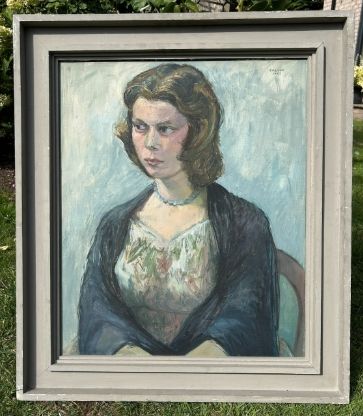
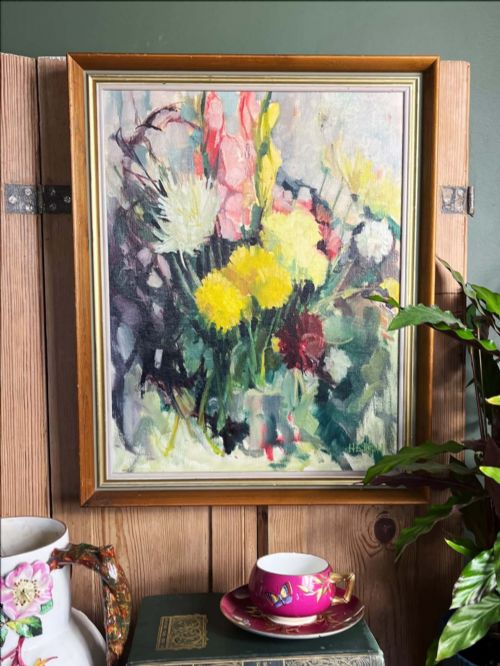
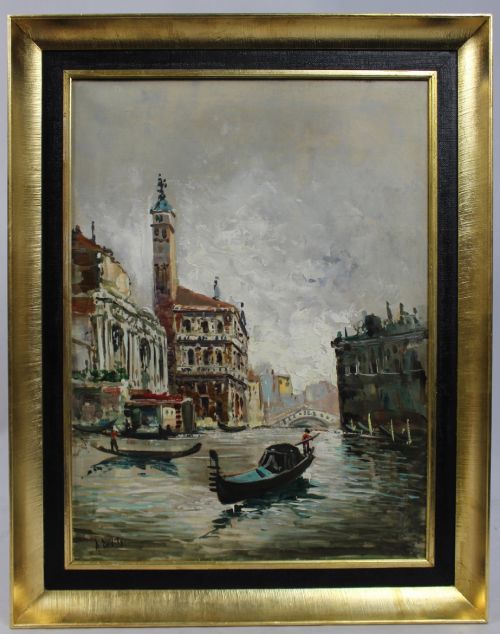
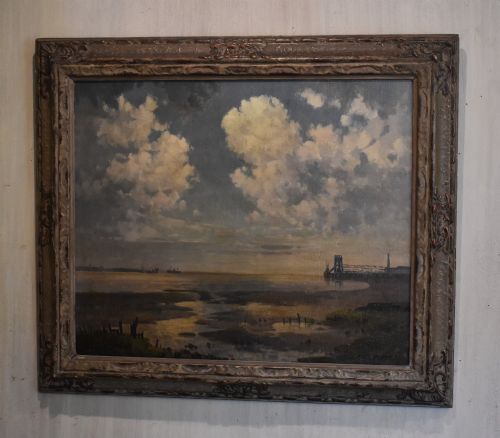
When you search for mid century canvas artwork, you are looking at oil paintings on stretched canvas and board framed for interior display.
Mid Century Canvas Artwork
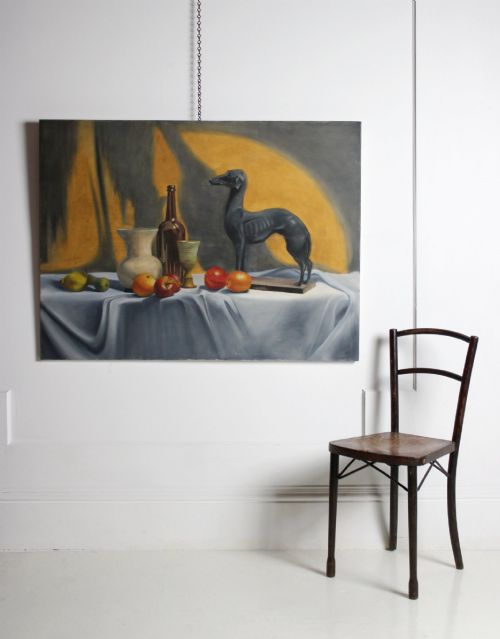
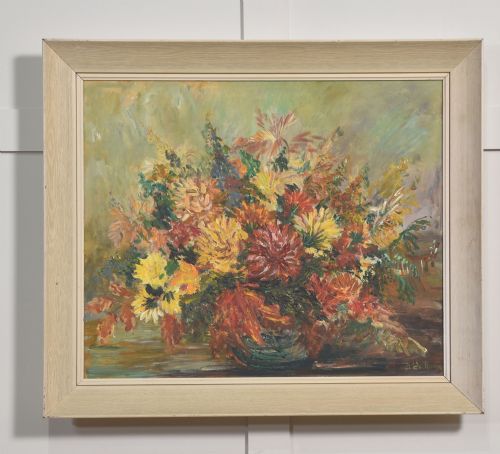
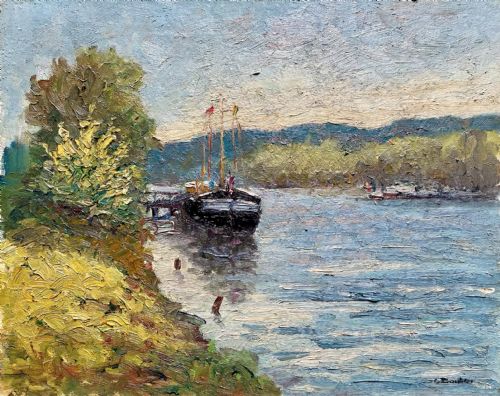
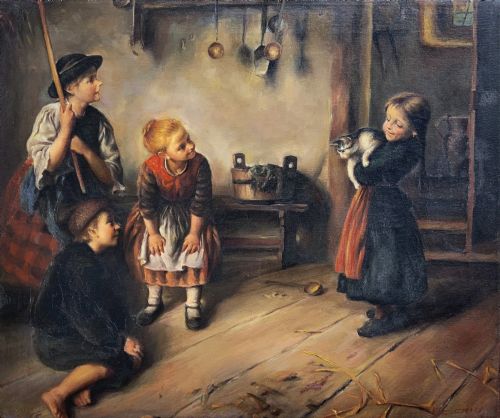
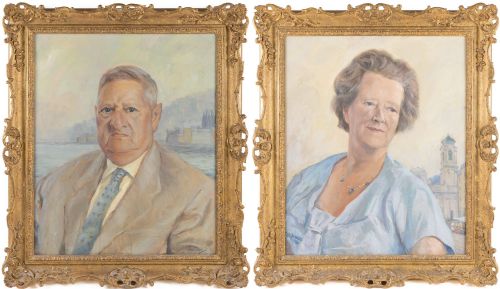
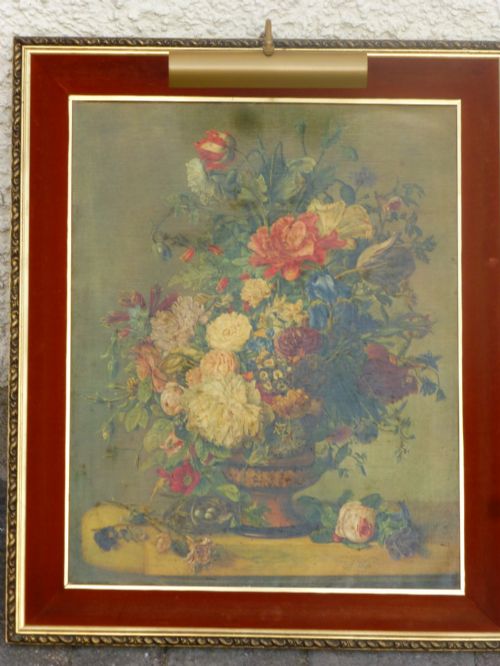
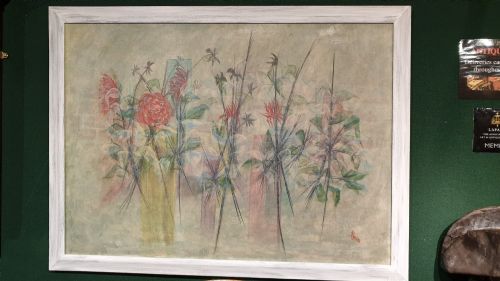
Mid century canvas artwork spans landscapes, portraits, still lifes and genre scenes created predominantly during the middle decades of the twentieth century. These paintings reflect styles such as mid-century modern, modern british, impressionism and realism, capturing everyday subjects and coastal or urban views.
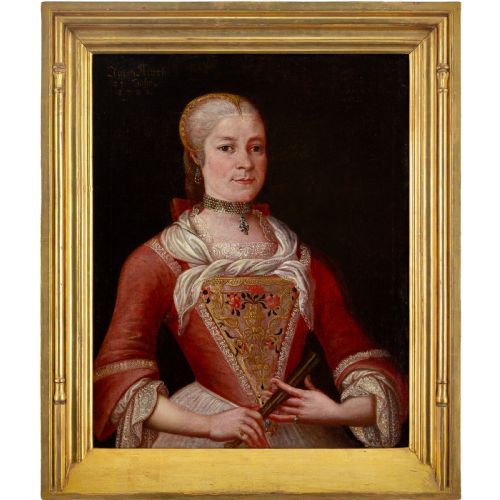
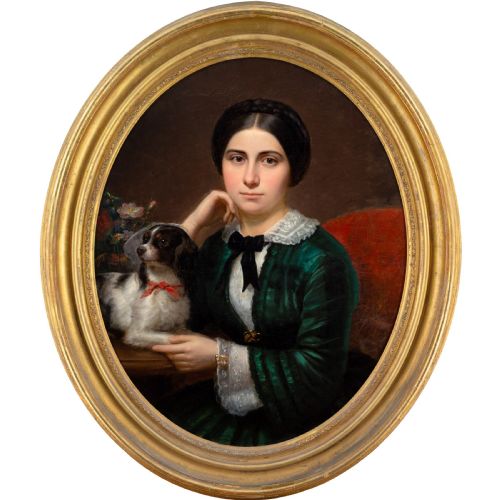
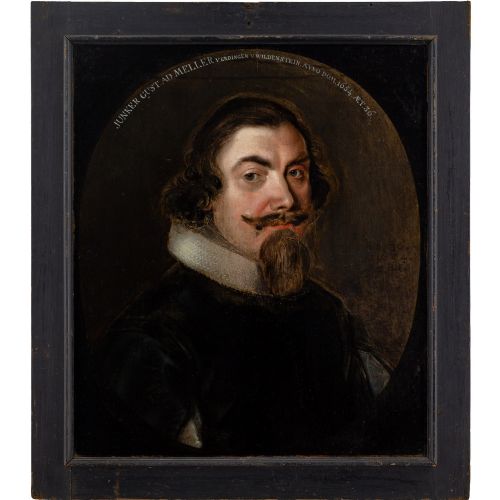
The versions you are most likely to meet on this page include framed oil paintings on canvas and board from the nineteen fifties and sixties. Alongside these mid-century pieces, the selection also incorporates nineteenth-century works and earlier portraiture that share the canvas medium and traditional framing.
Works range in scale from intimate portrait studies to large cityscapes and coastal scenes. Many arrive in period frames, including swept gilt designs that complement the canvas surface.
How They Were Made
These works rely on oil paint applied to woven canvas supports or rigid board surfaces. Artists utilised traditional brushing techniques to build texture and tone, creating depth within landscapes and portraits alike.
Canvases are typically stretched over wooden frames to maintain tension, while board supports offer a firm ground for direct application. Many pieces are completed with protective layers of varnish and housed within wooden or gilt frames.
Listings feature canvas works spanning from the seventeenth century through to the nineteen sixties, utilising oil paint, wood and gilt.
What Varies in Quality
Quality in these works rests upon the confidence of the brushwork and the clarity of the composition. A stronger piece demonstrates assured handling of light and form, whether depicting a bustling cityscape or a quiet still life.
The integration of the artwork with its frame also influences the overall standard. Original gilt or period wooden frames that suit the scale and palette of the canvas enhance the presentation.
Kenneth Cozens·Antonio DeVity·Clive Browne·Peter Brannan·Willem Bos
The Mid Century Canvas Artwork Glossary
- Canvas
- A heavy woven fabric used as a surface for painting. It is typically stretched tightly over a wooden stretcher frame before work begins.
- Oil Paint
- A slow-drying paint made with pigments suspended in a drying oil, usually linseed oil. This medium allows for rich colour blending and textured impasto effects.
- Board
- A rigid backing material used as an alternative to stretched canvas. Artists often applied oil paint directly to board for smaller studies and landscape sketches.
- Gilt Frame
- A wooden frame coated with gold leaf or metallic paint. These frames add decorative weight and warmth around the perimeter of a painting.
- Impressionism
- A style of painting that focuses on capturing the visual impression of a moment, paying attention to light and its shifting qualities.
Mid Century Canvas Artwork: Frequently Asked Questions
How do I hang a canvas securely?
Use appropriate wall fixings matched to the weight of the frame and the wall type. Ensure the hanging wire or brackets on the reverse are secure before mounting.
Position the artwork at eye level to achieve the best visual balance in your room.
Can I clean an oil painting myself?
Light surface dust can be removed very gently with a soft, dry brush. Avoid using water, household cleaners or moisture on the canvas surface.
For deeper cleaning or varnish removal, consult a professional conservator to prevent damage to the pigment.
What lighting suits these paintings best?
Display paintings away from direct, harsh sunlight to prevent fading of the oil pigments over time. Balanced ambient light or dedicated picture lights work well.
Warm LED picture lights highlight the texture of the brushwork without generating excessive heat.
How do I identify mid-century framing?
Mid-century frames often feature simpler wooden profiles or swept plaster gilt designs typical of the nineteen fifties and sixties. Examining the construction materials and backing boards helps confirm the era.
Older framing materials and traditional fixings on the reverse often correspond to the date of the canvas.