

Mid Century Cabinet
Mid century cabinet designs span decades of craft, bringing practical storage and distinct timber grain into everyday rooms.
Mid Century Cabinet
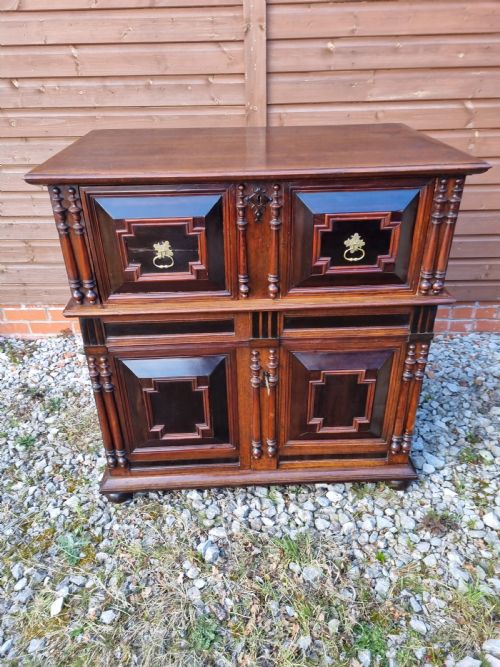
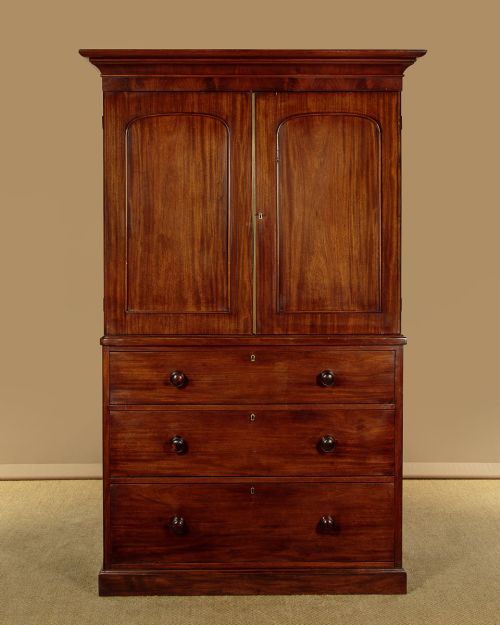
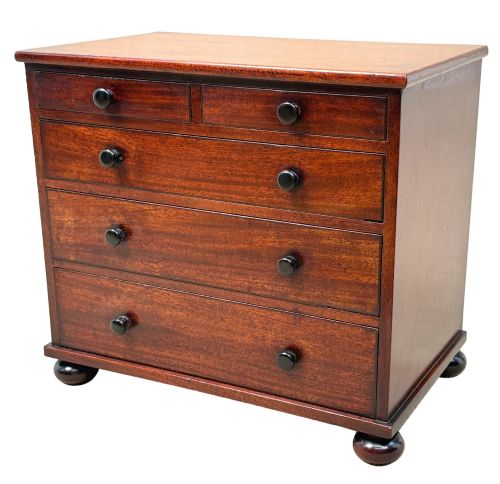
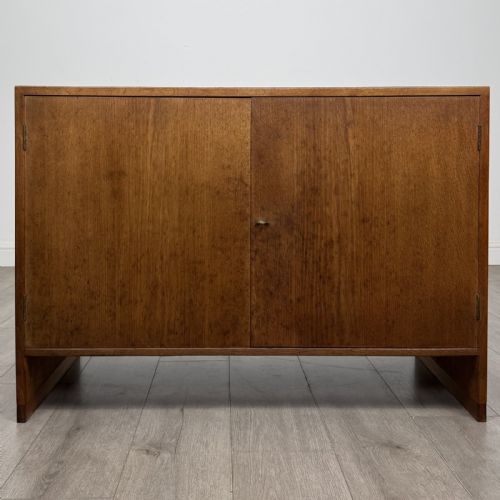
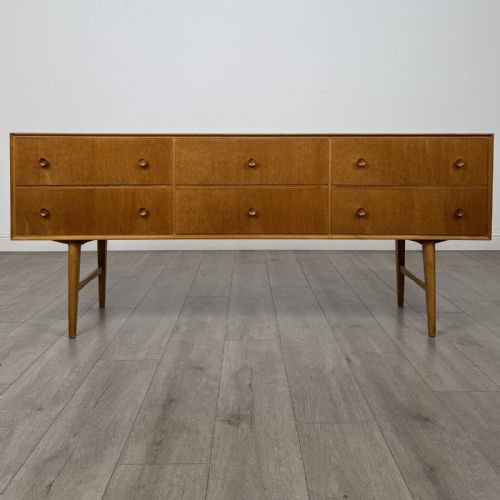
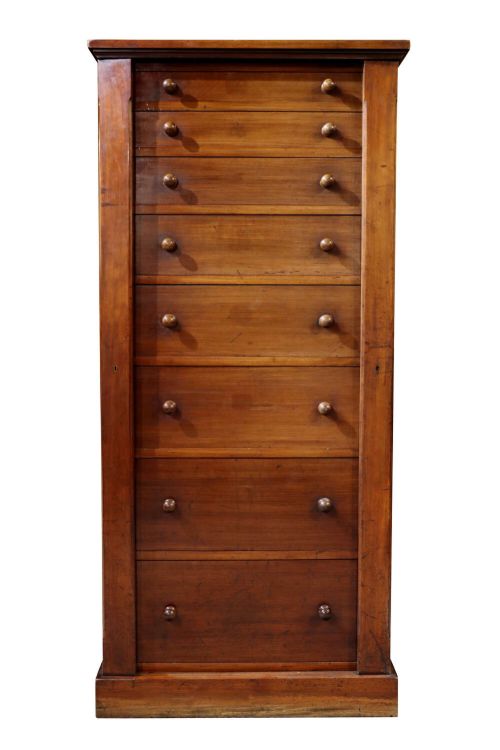
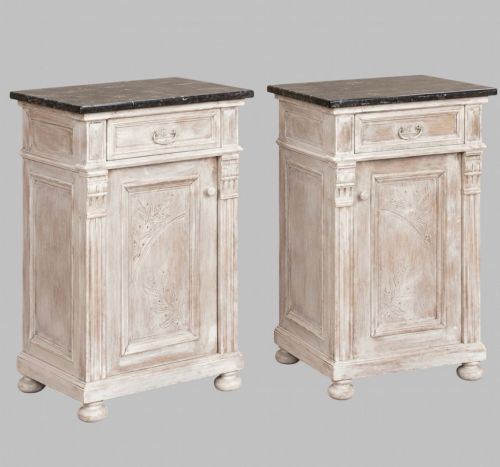
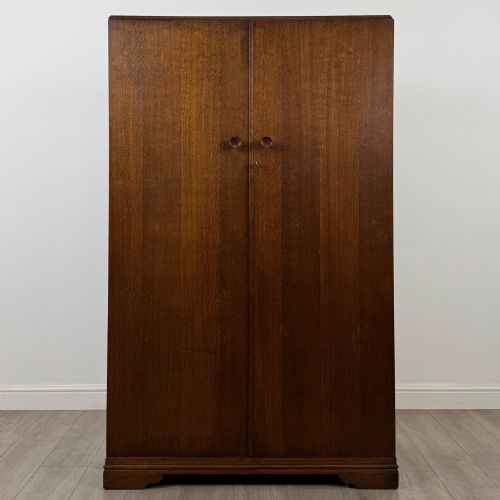
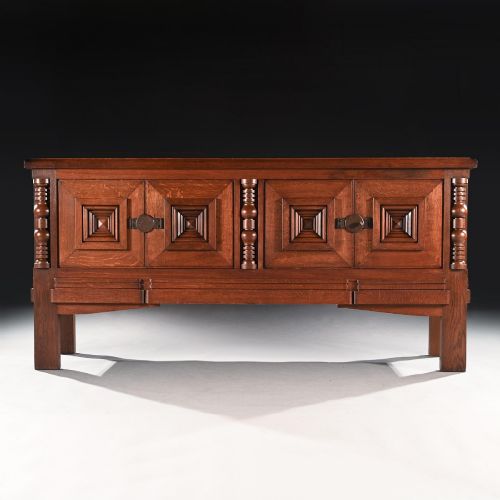
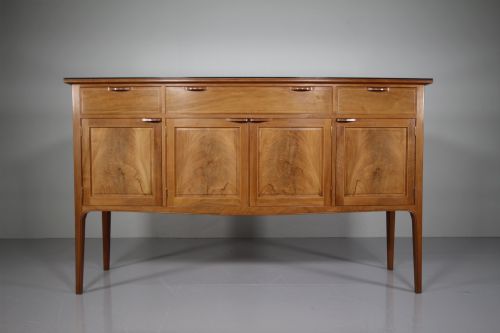
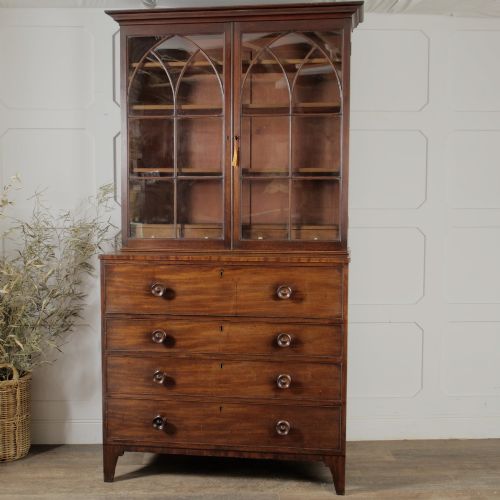
A mid century cabinet search reveals a broad selection of storage forms, ranging from sideboards and display units to bedside tables and filing pieces. Buyers frequently encounter oak and mahogany examples originating from various twentieth-century decades alongside earlier nineteenth-century forms.
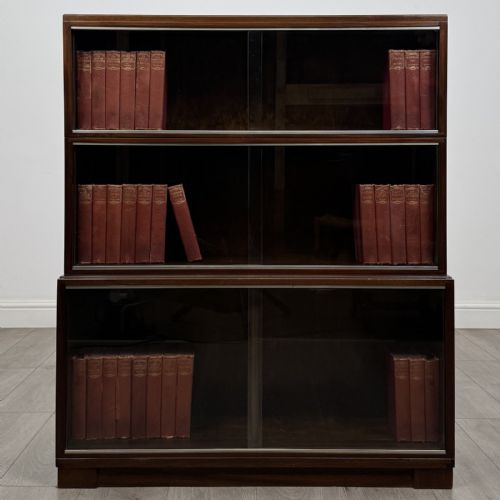
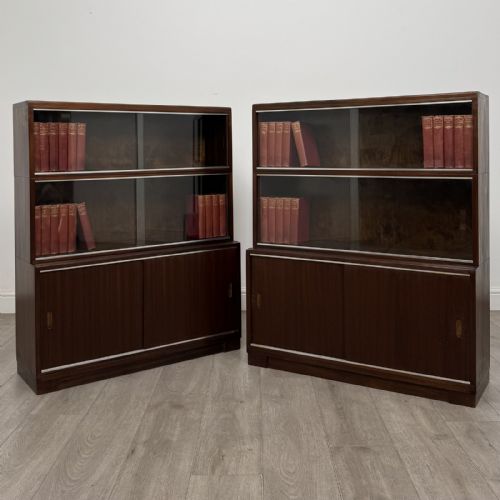
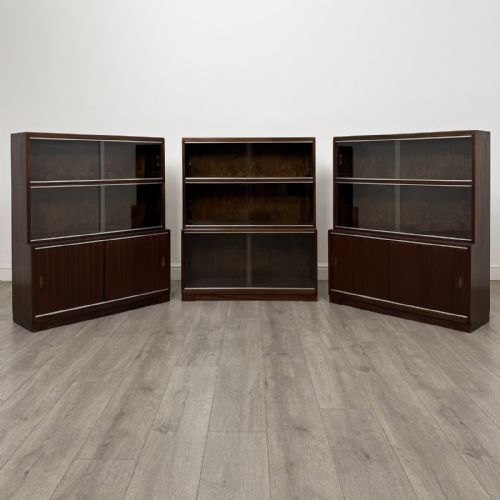
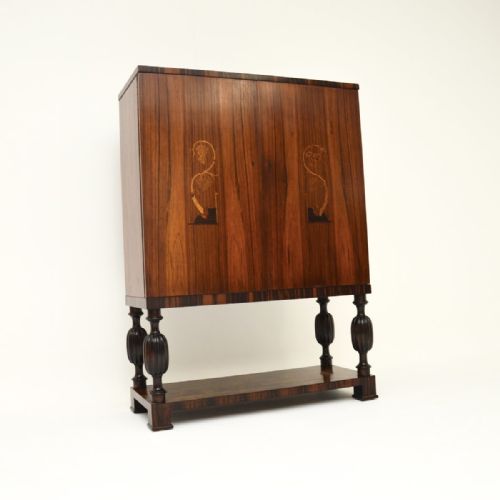
The selections include specialised cocktail cabinets, tambour-door cupboards, and open bookshelves. Many pieces reflect utilitarian functions adapted for modern domestic interiors, utilising sliding glass doors and shelved interiors.
Origins vary across British, Danish, Swedish, and French workshops, encompassing Mid-Century Modern, Art Deco, and Edwardian styles. These pieces provide functional compartments while displaying characteristic period timbers.
Materials and construction methods
Cabinet makers relied primarily on solid and veneered hardwoods such as oak, mahogany, walnut, and rosewood. These timbers were selected for durable grain patterns and stability in domestic environments.
Construction techniques incorporate fitted shelving, tambour doors, and sliding glass panels. Metal elements like brass and iron appear in handles, mounts, and filing hardware.
Surfaces receive polish, liming, or paint finishes to highlight the natural properties of the wood, while marquetry and inlay decorate select panels.
Several cabinets rely on secret sliding compartments, proving that past owners loved hiding their spare keys as much as we do.
Distinctions in construction and finish
Quality depends upon timber selection and the precision of the joinery, particularly in moving parts like drawers, tambour tracks, and sliding doors. Superior pieces demonstrate tight joints and carefully matched wood grains across visible surfaces.
The refinement of hardware, internal fittings, and secondary timbers indicates the standard of workshop production. Finer examples maintain original surface finishes and balanced proportions without structural alterations.
Crown Furniture·Charles Dudouyt·Edward Barnsley·Heals
The Mid Century Cabinet Glossary
- Tambour door
- A flexible door made of narrow vertical wooden strips glued to a canvas backing, allowing it to slide smoothly around a curved track. This mechanism is frequently found on office and domestic storage pieces.
- Sideboard
- A long piece of furniture used for storing and serving food or displaying items, typically containing a combination of cupboards and drawers. These utility items sit low against dining room walls.
- Marquetry
- The art and craft of applying decorative veneer pieces to a structure to form intricate patterns and pictures. Craftsmen utilise various coloured woods to achieve tonal depth.
- Breakfront
- A cabinet design where the central section projects forward from the flanking outer sections. This architectural arrangement creates depth and visual division on large bookcases and sideboards.
- Davenport
- A small compact writing desk featuring a sloped leather-lined writing surface above a pedestal of drawers. It typically incorporates stationary storage compartments within the upper superstructure.
Mid Century Cabinet: Frequently Asked Questions
How do I clean a mid century cabinet?
Dust surfaces regularly with a soft, dry cloth to prevent particulate buildup on polished timber. Avoid moisture or chemical sprays that can damage vintage finishes.
Apply suitable wax periodically to nourish dry wood and maintain the natural lustre of oak, mahogany, or walnut surfaces.
Are these cabinets suitable for modern living spaces?
These storage pieces integrate easily into contemporary rooms by offering practical shelving and drawer space. Their restrained lines complement various interior schemes.
Compact bedside tables and low sideboards adapt well to smaller modern footprints without overwhelming the room.
What is the difference between a sideboard and a cupboard?
Sideboards combine surface display space with wide storage drawers and low cupboards, traditionally used in dining rooms. Cupboards focus primarily on vertical enclosed shelving behind hinged or sliding doors.
Both forms utilise similar timbers but serve distinct organizational functions within the home.
How can I identify the wood type?
Examine the grain patterns, colour tones, and weight of the timber used in the construction. Oak displays prominent medullary rays, while mahogany shows a reddish-brown hue with straight or ribbon grain.
Walnut and rosewood present darker, highly figured patterns that indicate high-end cabinet making.