


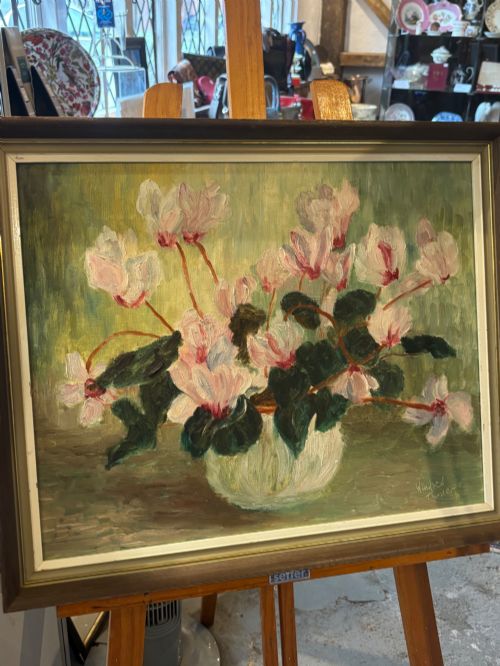


Mid Century Botanical Painting
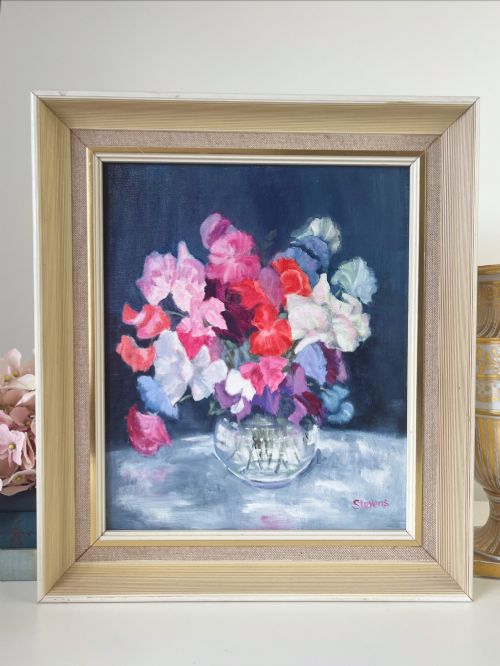
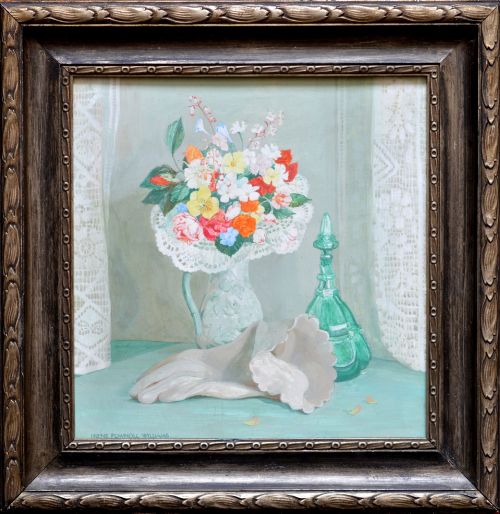
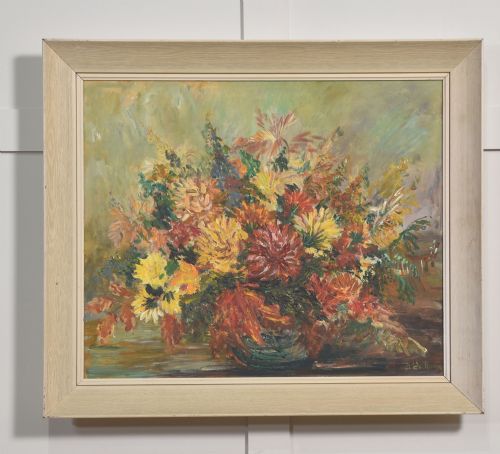
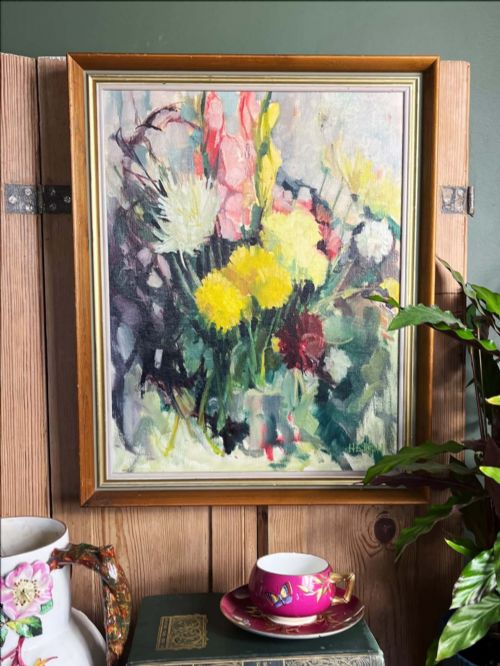
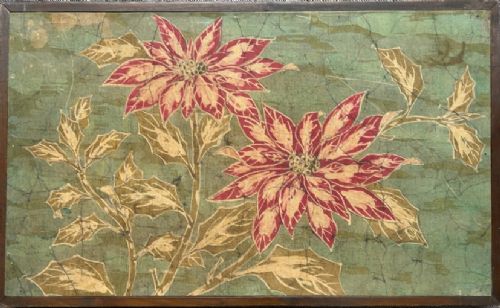
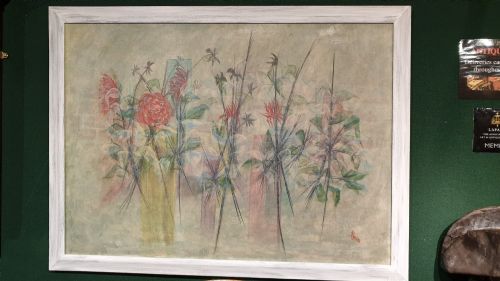
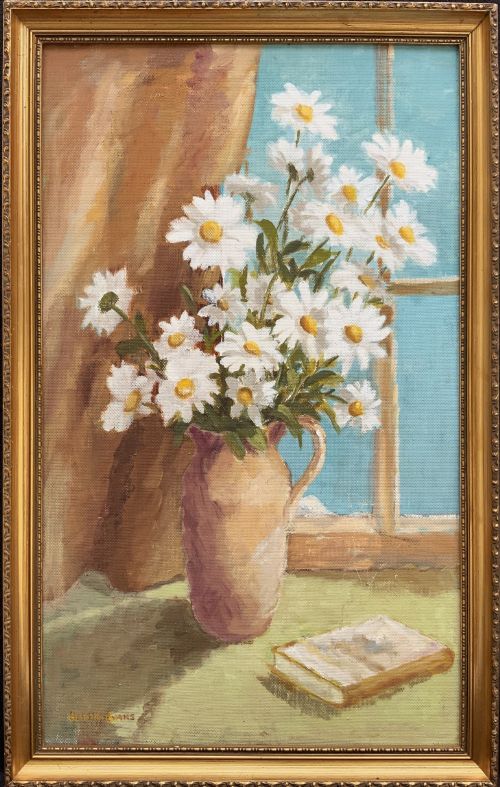
When you search for mid century botanical painting, you are looking at vibrant floral still life studies executed on canvas, board, and paper.
Mid Century Botanical Painting
A mid century botanical painting captures floral arrangements, garden scenes, and individual plant studies produced primarily during the middle decades of the twentieth century.
The most common examples on this page take the form of framed still life oils and watercolours depicting cut flowers in jugs, bowls, and vases.
These works bridge traditional botanical illustration and modern artistic movements, ranging from detailed studies to impressionist and lightly cubist interpretations.
How they were made
Artists painted primarily with oil, tempera, watercolour, and gouache applied to surfaces of canvas, wood panel, board, and paper.
Supporting elements include original wooden frames, gilt surrounds, and glass frontages that protect the delicate paint and paper layers.
Current listings feature works created across several decades, employing oil, watercolour, tempera, and gouache on canvas, board, and paper.
What varies in quality
Quality rests upon the confidence of the brushwork, the balance of the composition, and the depth of the colour palette employed by the artist.
Works signed by established painters or those exhibiting distinct regional movements such as Modern British or Continental impressionism carry greater artistic weight.
Irene Christobelle Pownoll Williams·D. L. Williams·James Tower·Winifred Turner·Amile Coppieters·A. Nikolokov·J.Milton·Sir Matthew Smith·Terence Loudon·Robin MacKertich·Horst·Stuart Armfield·Margaret Laing·Phyllis I Hibbert·Lena M Alexander·Bertoldo Taubert·Julie Harber
The Mid Century Botanical Painting Glossary
- Tempera
- A permanent, fast-drying painting medium consisting of coloured pigment mixed with a water-soluble binder such as egg yolk. It produces a matte surface that retains its vibrancy over decades.
- Impasto
- The process of laying paint thickly on a canvas so that it stands out from the surface. This technique adds tactile dimension and visible brush texture to floral petals and leaves.
- Gouache
- An opaque water-based paint that dries to a smooth, matte finish. Botanical studies on paper frequently utilise gouache to achieve flat areas of intense colour.
- Board
- A rigid flat substrate used as an alternative to stretched canvas for oil and tempera paintings. Artists during the mid twentieth century often painted directly on panel or board.
Mid Century Botanical Painting: Frequently Asked Questions
What periods do these paintings date from?
The works recorded here span from the early nineteenth century through to the nineteen sixties, with a heavy concentration of pieces originating in the nineteen thirties, forties, and fifties.
Mid-century examples dominate the selection, reflecting the post-war enthusiasm for vibrant domestic art and floral still life studies.
What mediums were used by the artists?
Painters utilised oil paint on canvas and board, alongside watercolours, gouache on paper, and tempera on panel.
These varied mediums allow for everything from thick impasto textures to delicate, precise botanical representations.
How should I hang these paintings?
Ensure paintings on canvas and panel are kept away from direct sunlight and excessive moisture to protect the pigments and wooden supports.
Most pieces arrive framed and ready for wall display in living spaces or hallways.
Are all the paintings signed?
Many of the works bear signatures or attributions to named painters, while others remain unsigned examples from the period.
Signed pieces often provide a clearer link to specific British and Continental artistic circles.