
Vintage Impressionist Still Life
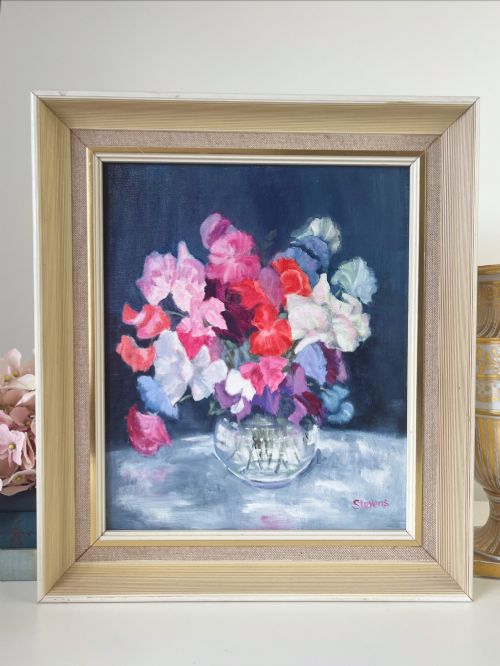
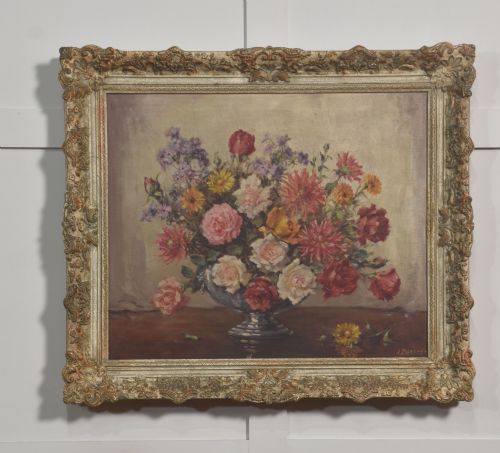
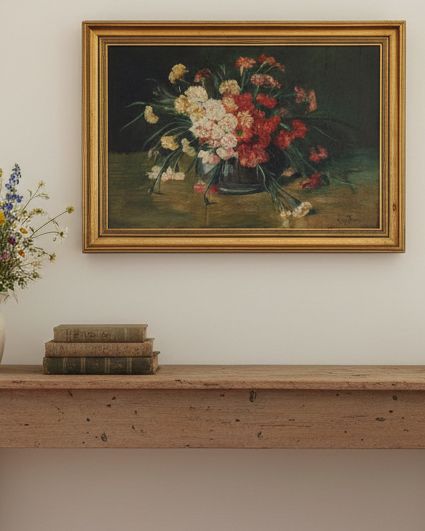
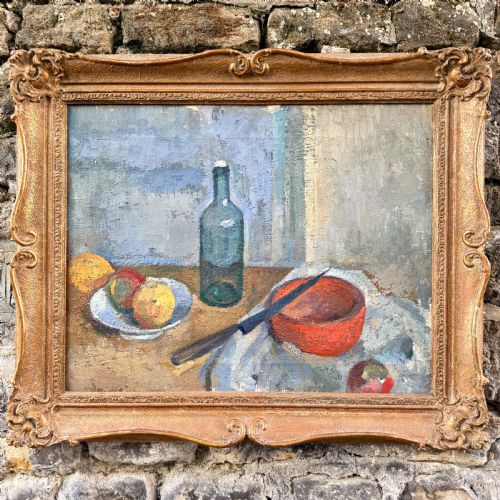
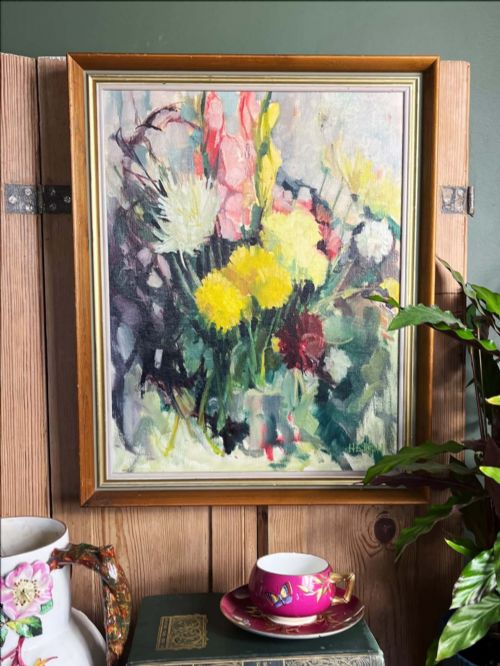
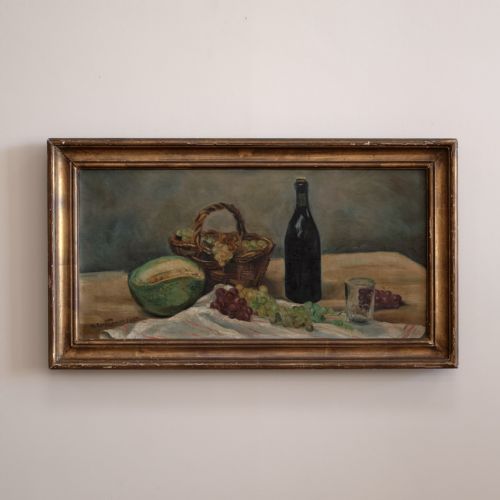
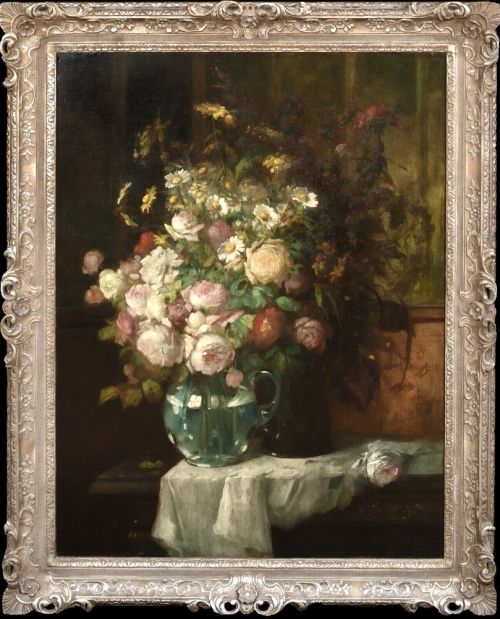
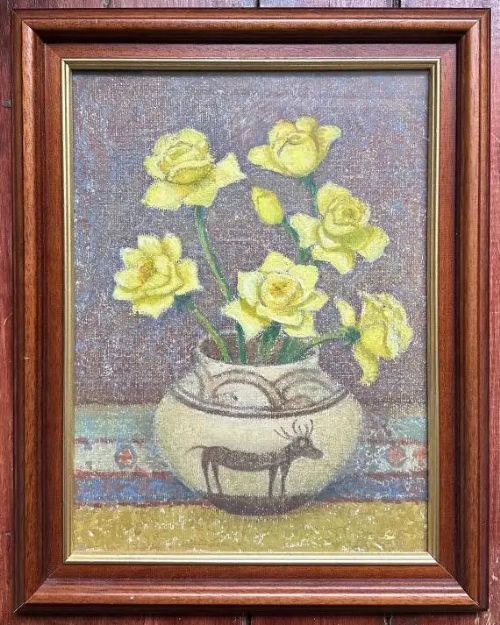
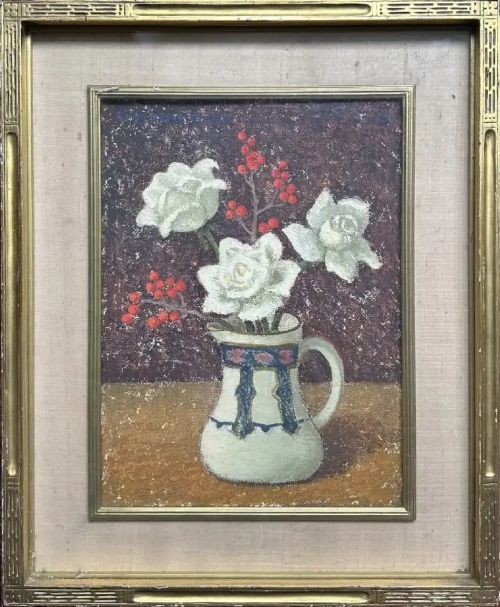
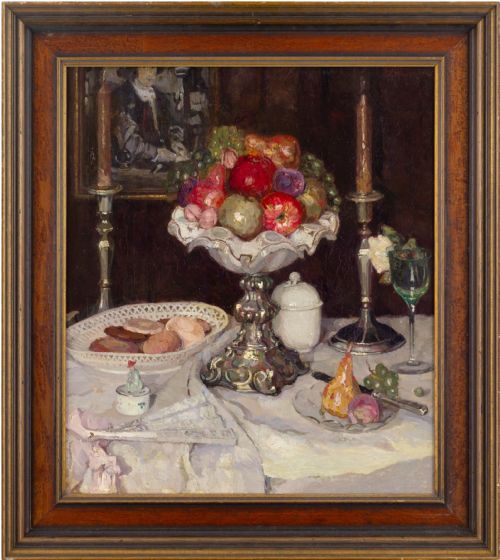
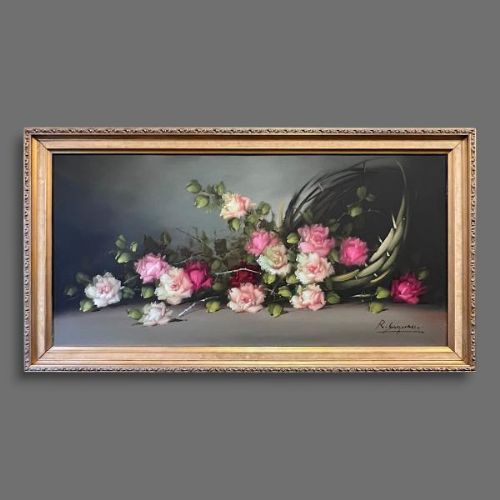
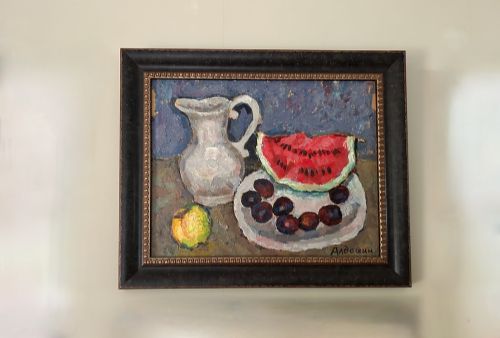
These vintage impressionist still life works capture fleeting arrangements of flora and fruit through loose brushwork and vibrant light.
Vintage Impressionist Still Life
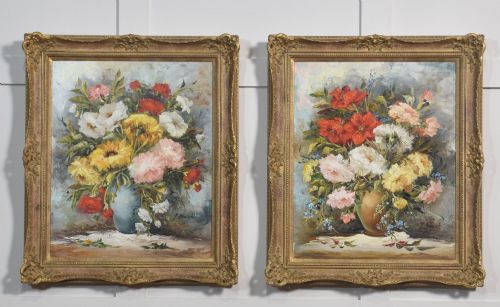
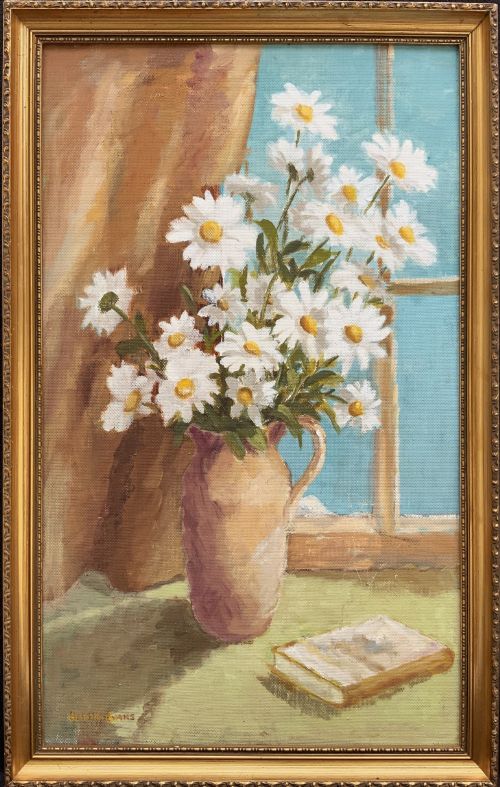
A vintage impressionist still life presents everyday domestic subjects such as cut flowers, pottery jugs and harvested fruit transformed by painterly light and colour. When searching this phrase, collectors encounter framed canvases and oil paintings dating from the late nineteenth century through to the mid-twentieth century.
The domestic interior and the garden table provide the primary settings for these compositions. Painters from British, Belgian, Austrian and American schools applied the principles of loose brushwork and broken colour to traditional subjects like roses, anemones and summer blooms.
Most examples originate from the early decades of the twentieth century, particularly the nineteen-thirties and nineteen-fifties. These works frequently combine impressionist technique with regional mid-century modern or art deco framing sensibilities.
Materials and technique
Artists relied primarily on oil paint applied to stretched canvas or wooden board, building texture with thick impasto and visible brushstrokes. Gesso grounds and wooden panels provided a stable rigid support for the layered pigments.
Many surviving examples retain their original gilt wood frames, often enhanced with ornate gesso moulding that complements the period aesthetic. Watercolours on paper also appear within the broader scope of these domestic studies.
Listings feature works spanning from the nineteenth century through the nineteen-sixties, utilising oil paint, canvas, board, watercolour and gilt framing.
Assessing the work
The strength of a composition rests on the confidence of the brushwork and the artist's handling of natural light across the subject. Superior pieces demonstrate a dynamic balance between the foreground arrangement and the atmospheric background.
The harmony of the palette and the preservation of the original pigment layer significantly influence the visual impact of each canvas. Works that retain crisp impasto without excessive surface darkening reveal the painter's intended luminosity.
Konstantin Stoitzner·Emma Fordyce MacRae·Else Preussner·Vladimir Aldoshin·Manuela Bonati·William Thomas Wood·Victor Simonin·Owen Bowen·Florence Hess·Henri Joseph Pauwels·Lester Sutcliffe·Sir Matthew Smith·Rowland Henry Hill·John Gilbey Bowles·Lena M Alexander·Maud Frances Eyston Sumner
The Vintage Impressionist Still Life Glossary
- Impressionism
- A nineteenth-century painting movement focused on capturing the visual impression of a moment, especially regarding shifting light and spontaneous brushwork. This approach prioritises light and colour over precise academic detail.
- Impasto
- Paint applied thickly to a canvas or panel, standing out in relief from the surface. This technique creates a tangible texture that catches the light.
- Gesso
- A plaster-like mixture used to prepare wood panels or canvas surfaces for painting, or to form decorative mouldings on frames. It provides a smooth or textured base for subsequent pigment layers.
- Post-Impressionism
- An artistic development that extended impressionism while rejecting its limitations, favouring more symbolic motifs and heavier structural outlines. Artists within this category explored bolder colours and expressive forms.
- Provenance
- The documented history of ownership of a work of art, establishing its authenticity and origin. Clear lineage adds historical context to signed paintings.
Vintage Impressionist Still Life: Frequently Asked Questions
What subjects appear in these paintings?
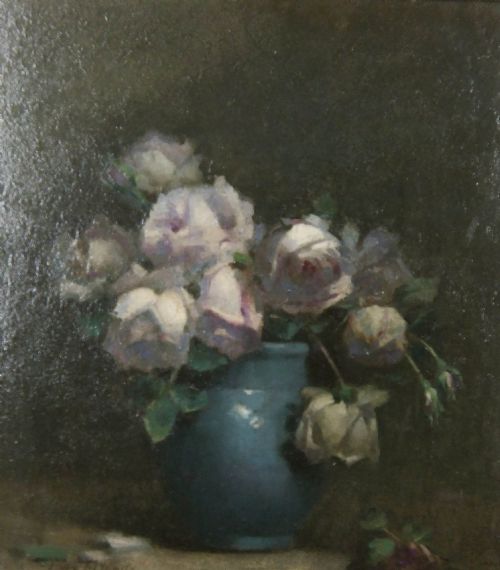
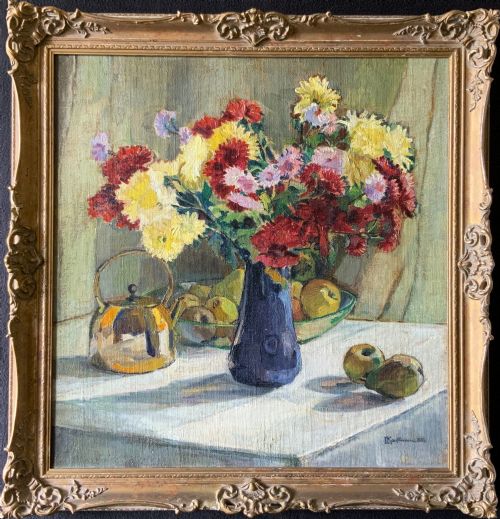
The compositions typically feature domestic arrangements including cut flowers, potted plants, ceramics and gathered fruit. Vases of roses, bowls of yellow chrysanthemums and tabletop displays dominate the pictorial record.
These subjects allowed artists to experiment with colour relationships and natural light within a controlled indoor space.
How do I date a vintage still life?
Dating relies on stylistic markers, framing techniques, artist signatures and occasional dated inscriptions on the reverse of the canvas. Mid-century works often reflect bolder palettes and simpler wooden frames.
Earlier nineteenth-century and turn-of-the-century examples lean towards more subdued tonal arrangements and heavier gilded ornamentation.
Where were these artists active?
The creators of these works worked across Britain, Belgium, Austria, South Africa and America. Regional art colonies and local Impressionist societies fostered distinct approaches to still life painting.
European and British regional artists frequently exhibited through local galleries and annual salon exhibitions during the early decades of the twentieth century.
How should I hang an oil painting?
Select a wall space protected from direct sunlight and excessive humidity fluctuations to preserve the oil paint and canvas. Secure picture hooks directly into wall studs or use appropriate masonry fixings.
Ensure the weight of the framed canvas is evenly distributed across sturdy hanging wire attached firmly to the frame structure.