


Mid 20th Century Watercolour
A mid 20th century watercolour brings the distinct atmosphere of British landscapes, rural scenes, and intimate still lifes directly into a room.
Mid 20th Century Watercolour
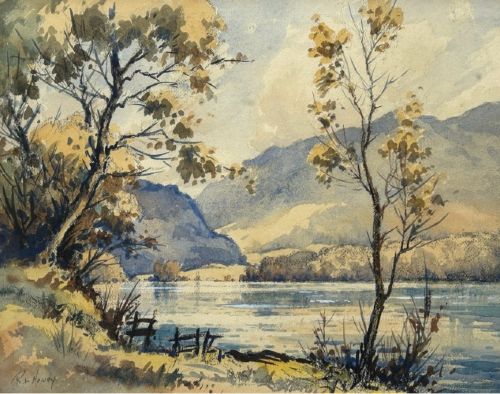
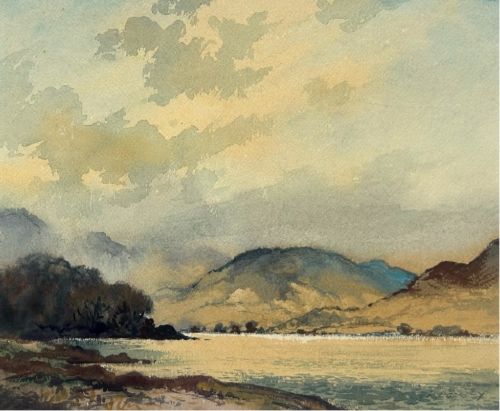
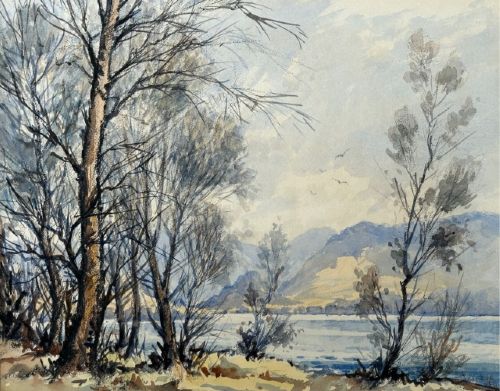
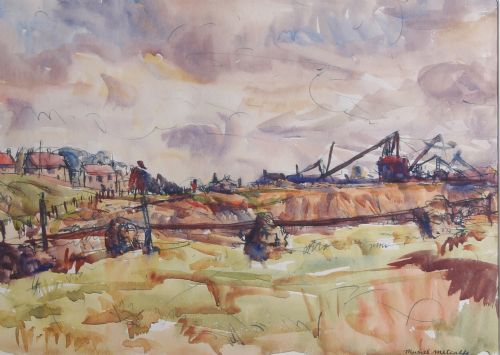
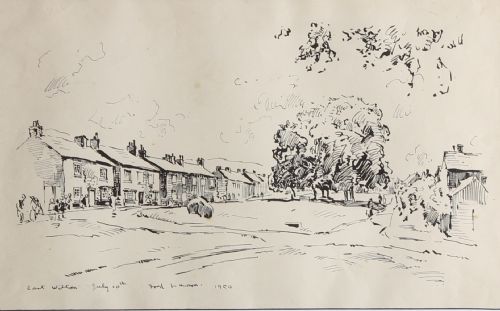
A mid 20th century watercolour captures the evolving British landscape, rural villages, coastal views, and industrial scenes through fluid pigments applied directly to paper. These works document specific locations across Yorkshire, Cumbria, Kent, and London from eras spanning the nineteen-thirties to the nineteen-sixties.
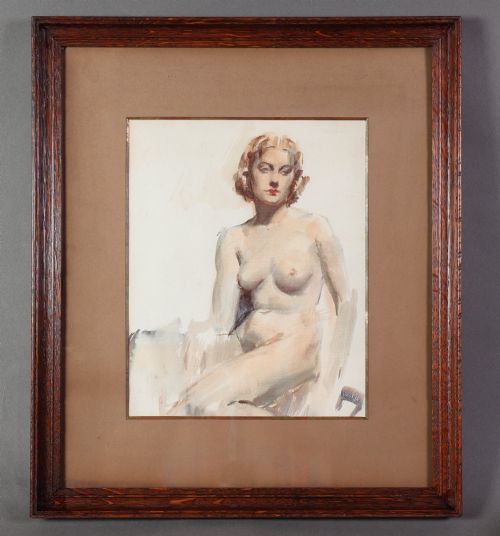
Buyers encounter architectural studies, botanical depictions of flowers, figure portraits, and coastal harbours executed by regional British artists and school painters. The selection ranges from detailed topographical views of castle villages and street scenes to expressive impressions and ink-backed sketches housed in period frames.
Many surviving examples reflect the mid-century British school style, balancing observation with swift brushwork, pencil underdrawings, and occasionally gouache highlights. Whether depicting northern fells or quiet backwaters, each piece preserves a direct visual record of mid-century life.
How They Were Made
Artists built these compositions primarily using water-soluble pigment applied to heavy paper surfaces, often laying down preliminary graphite or ink lines to structure the forms. Many pieces incorporate gouache for opaque highlights alongside fine ink details that define architectural edges or foliage.
Works were frequently executed outdoors in front of the subject or finished in the studio using collected sketches, then mounted behind glass within wood frames to protect the delicate paper support from moisture and light damage.
The archive includes works dated across the nineteen-forties, nineteen-fifties, and nineteen-sixties alongside Edwardian and nineteenth-century pieces.
What Varies in Quality
Quality rests on the confidence of the brushwork and the precision with which the artist captures light, atmosphere, and spatial depth within the paper margins. Stronger examples display an assured economy of line and vibrant pigment preservation without excessive fading.
The distinction between standard decorative output and a finer collector's piece lies in compositional balance, originality of viewpoint, and the artist's ability to render texture and local character efficiently.
Cecil Beaton·Fred Lawson·Joseph Pighills·Sir William Russell Flint·John Rattenbury Skeaping·Dame Elisabeth Frink·Yves Brayer·Raoul Millais
The Mid 20th Century Watercolour Glossary
- Watercolour
- A painting method in which the paints are made of pigments suspended in a water-based solution. The paper surface often shows through transparent washes to create luminosity.
- Gouache
- An opaque water-based paint that includes a white pigment filler, producing a heavier, more solid layer of colour than standard transparent watercolour washes.
- Support
- The physical material, usually paper or card in these instances, upon which the painted image rests. Preservation of the original paper ground remains vital for longevity.
- Modern British
- An umbrella style encompassing various artistic movements in Britain during the mid-twentieth century, combining traditional observation with modernist sensibilities.
Mid 20th Century Watercolour: Frequently Asked Questions
How should I frame and hang a vintage watercolour?
Keep watercolours away from direct sunlight to prevent the pigments and paper from fading over time. Utilise UV-protective glass and acid-free mounts to ensure the paper breathes safely away from the backing board.
Ensure frames are sealed properly against dust and atmospheric moisture. Hang them on interior walls where temperature fluctuations remain minimal.
What subjects are most common in these paintings?
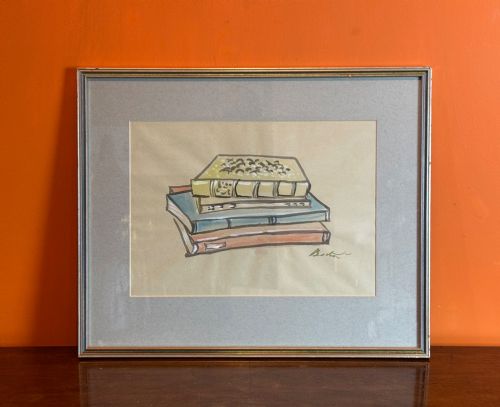
British landscapes dominate the selection, featuring northern dales, coastal harbours, rural cottages, and city street scenes. Artists also frequently recorded botanical studies, still lifes of flowers, and portrait sketches.
Regional views from Yorkshire, Lancashire, and the Lake District appear regularly alongside architectural and industrial studies from the period.
How do I identify a mid-century work from earlier periods?
Examine the stylistic cues, framing materials, and any artist signatures or dates recorded on the front or verso. Mid-century British art often employs looser brushwork and modernist compositional choices compared to Victorian precision.
Look at the paper type and framing style, as original period framing often provides helpful contextual clues regarding the creation date.
Can I find works by named regional British artists?
Many listings feature signed works by established regional painters, local academy members, and nationally recognised figures of the twentieth century. These pieces often include informative inscriptions or artist labels on the reverse.
Signatures and exhibition labels help verify the authorship and geographical context of the scene depicted.