



Metal Work Light
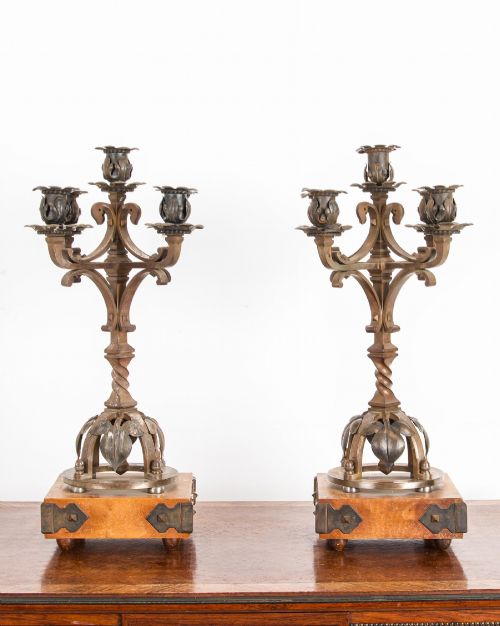
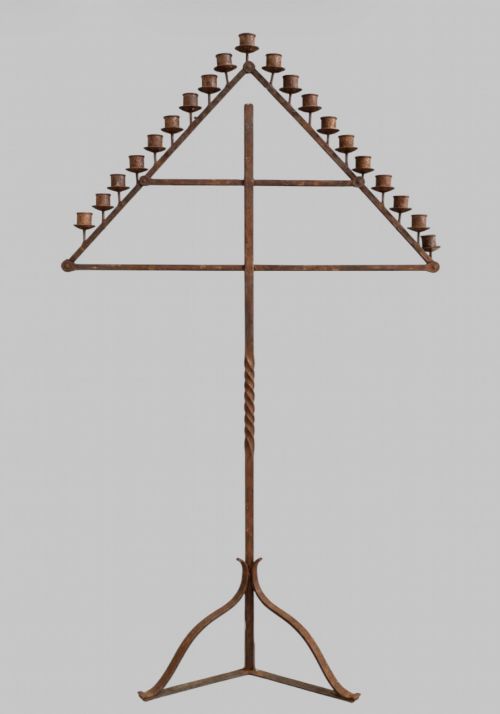
These metal work light pieces bring industrial strength and handcrafted character to a room, ranging from simple rushlight holders to large chandeliers.
Metal Work Light
A metal work light selection spans several centuries of domestic and architectural illumination, moving from early rushlight holders to electric floor lamps and chandeliers. Buyers seeking this phrase encounter utilitarian lighting alongside decorative fixtures designed for grand interiors.
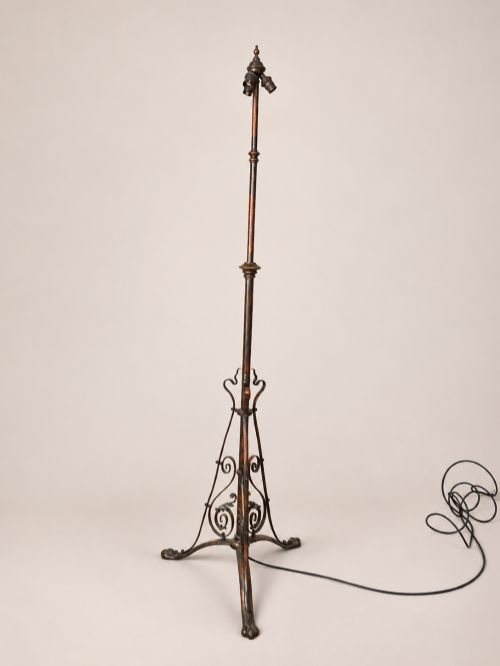
The most common forms on this page include floor lamps, wall sconces, chandeliers and candlesticks originating from periods such as the Victorian era, Edwardian period and the early twentieth century. Many items reflect distinct design movements like Gothic Revival, Arts and Crafts and Art Nouveau.
Materials and construction
Blacksmiths and metalworkers shaped these objects using wrought iron, cast iron, brass, copper and steel, often combining rigid metals with delicate glass or fabric shades. Techniques involved forging, casting and soldering to create both structural floor standards and intricate hanging lanterns.
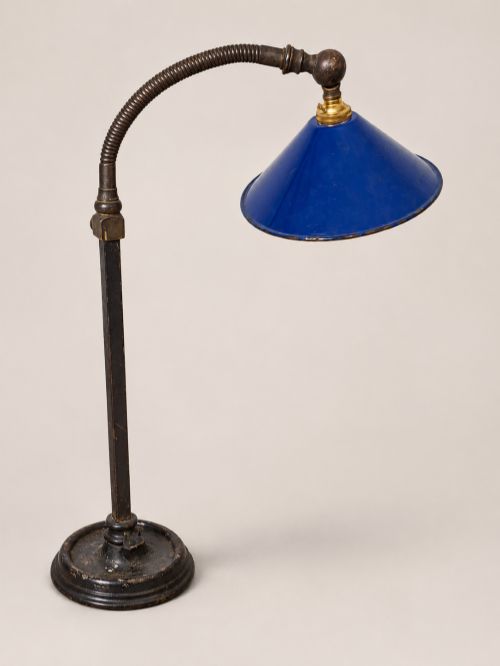
Surface treatments range from natural dark iron finishes to gilt metal, nickel plating and painted steel surfaces. Adjustable arms and telescopic stems demonstrate practical mechanical ingenuity built into heavy metal frames.
Metal Work Light Retail Price Guide 2026
Typical asking prices for metal work light among the pieces listed under this phrase on Sellingantiques today, from the lower quarter to the upper quarter. They describe what is for sale here now, not the wider market.
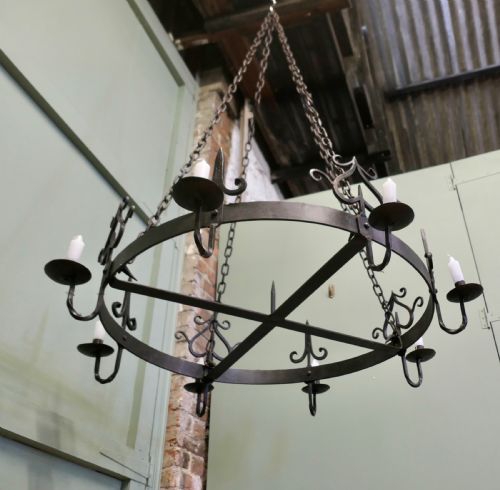
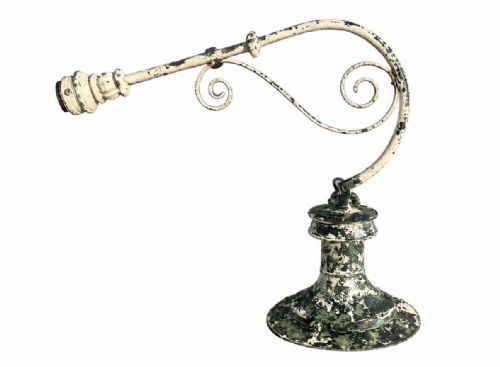
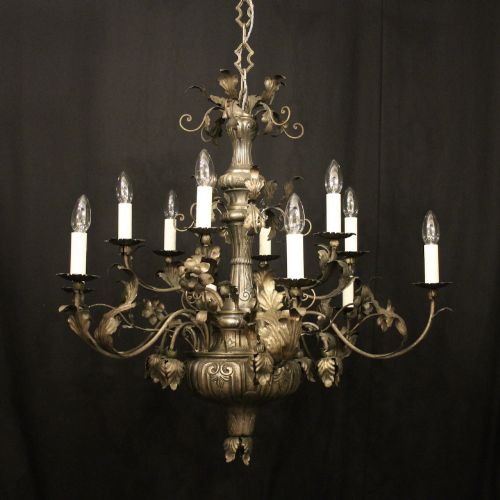
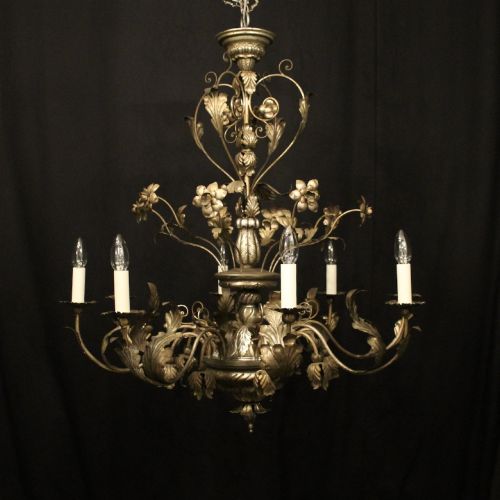
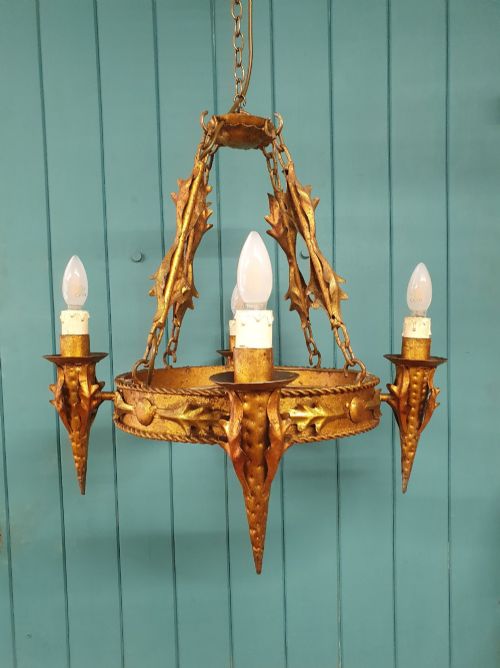
French Gothic and Italian Genoa chandeliers appear alongside Edwardian gooseneck desk lamps.
Assessing quality
Quality rests in the fluidity of the blacksmith's forge work, the crispness of cast ornamentation and the integrity of the original construction. Superior examples display thoughtful proportions and deliberate detailing rather than mass-produced uniformity.
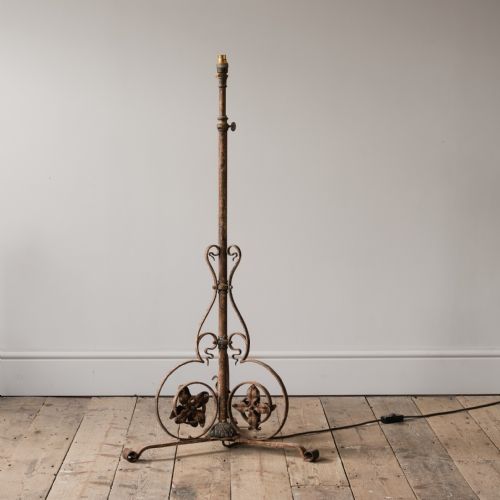
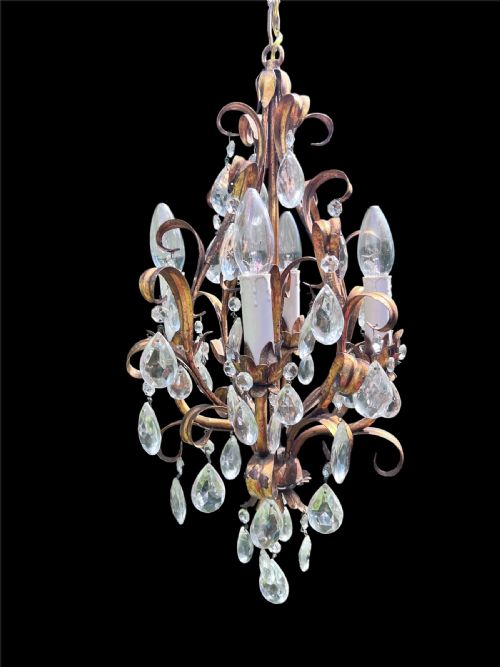
The distinction between ordinary and exceptional lies in the complexity of the design, such as multi-branch chandeliers with intact crystal elements or telescopic floor lamps with fully functioning adjustment mechanisms.
Veritas Lamp Works
The Metal Work Light Glossary
- Rushlight holder
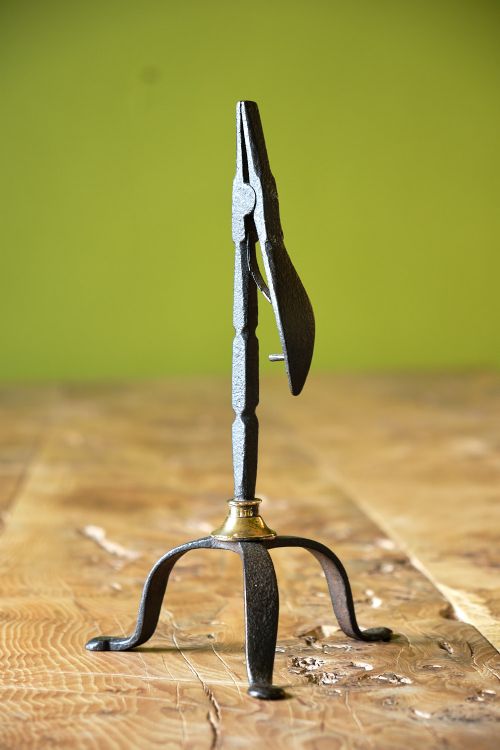
- A simple spring-clip device used to grip a dried rush dipped in animal fat for illumination. These domestic iron objects date back to the eighteenth century.
- Torchere
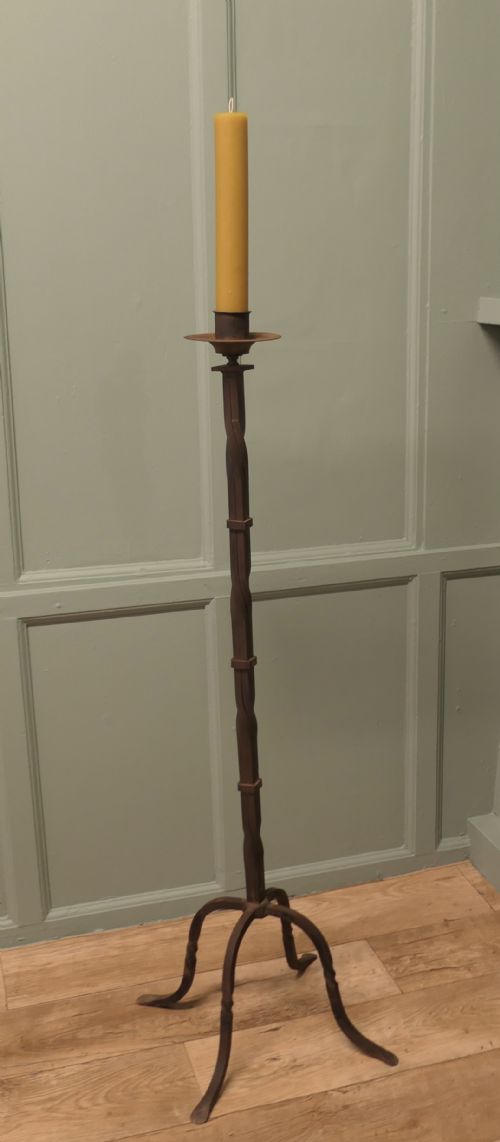
- A tall decorative stand or floor lamp originally intended to hold a torch or candle. These fixtures evolved to support electric lighting standards.
- Pricket candlestick
- A candle holder featuring an upright metal spike that pushes into the base of a wax candle. They frequently appear in pairs on church or formal domestic altars.
- Veritas Lamp Works
- A notable maker of nineteenth-century and early twentieth-century lighting equipment. Their portable reading lamps utilise metal construction for travel.
Metal Work Light: Frequently Asked Questions
What periods do these lights cover?
The selection spans from the eighteenth century through the Victorian and Edwardian eras into the early decades of the twentieth century. Examples include Georgian rushlight holders alongside later Art Nouveau and Art Deco designs.
Items range from eighteenth-century ironwork to 1930s chandeliers, reflecting changing domestic lighting technology across multiple centuries.
How were early metal lights used?
Early pieces functioned as portable or fixed illumination using rushes, candles or oil before the introduction of electricity. Floor standards, wall brackets and hanging lanterns provided light for specific tasks in domestic and architectural spaces.
Many adjustable floor lamps and telescopic stands allowed users to alter the height and angle of the light source for reading or working.
What materials are most common?
Wrought iron and brass dominate the earlier items, often paired with copper, steel and cast iron elements. Glass shades, gilt metal and painted steel appear frequently on later twentieth-century lighting fixtures.
Blacksmith-made ironwork provides structural strength for floor stands, while softer metals like brass and copper form decorative components on lamps and lanterns.
Are these lights electrified?
The inventory includes both un-electrified candle holders and oil lamps alongside modernised or period-converted electric lamps and chandeliers. Some structural floor lamps retain their original telescopic oil-burning mechanisms.
Buyers should examine individual listings to determine whether an item retains its original lighting method or has been adapted for modern electrical wiring.