


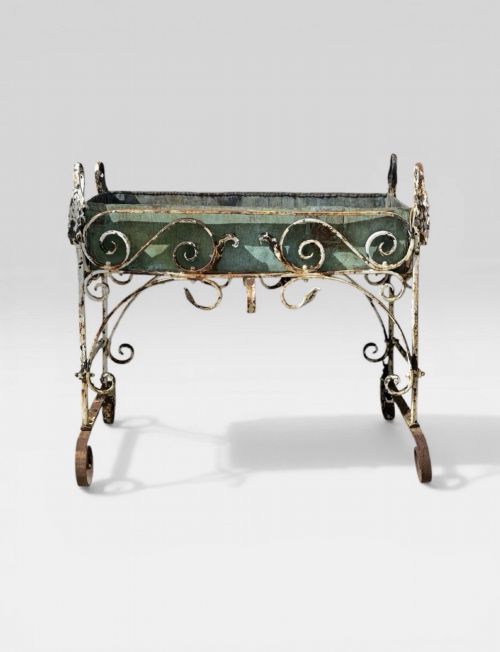
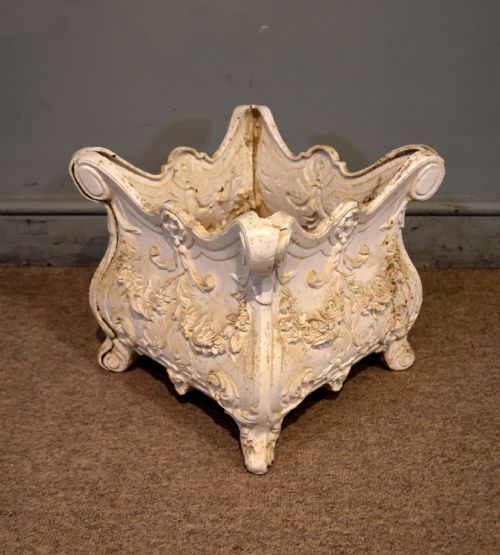
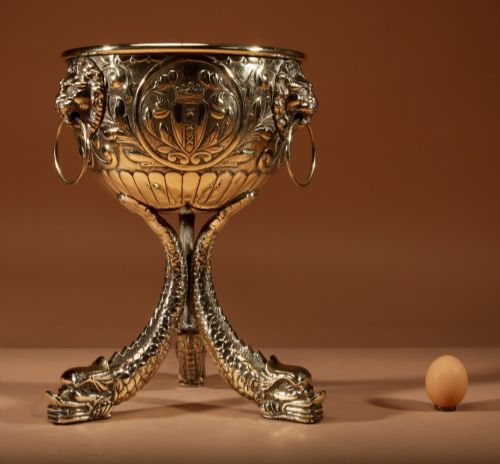
Metal Urn Planter
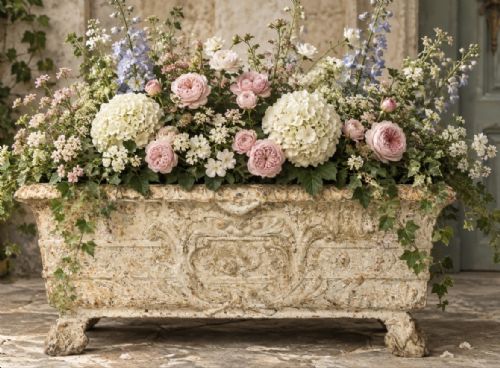
A metal urn planter brings classical gravitas to a garden or interior, combining robust construction with sculptural planting capacity.
Metal Urn Planter
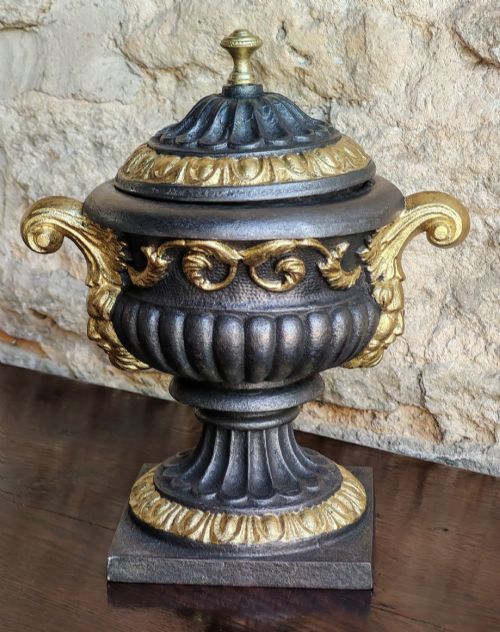
A metal urn planter serves as a vessel for botanical display, taking the form of a classical chalice or cachepot cast or hammered from enduring materials. When searching for a metal urn planter, buyers encounter heavy garden vessels alongside indoor jardiniere pots spanning multiple decades.
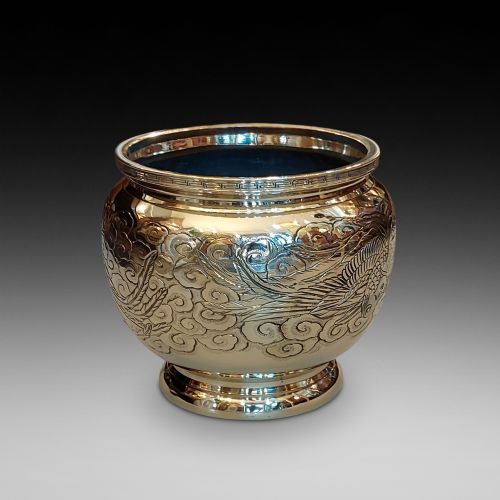
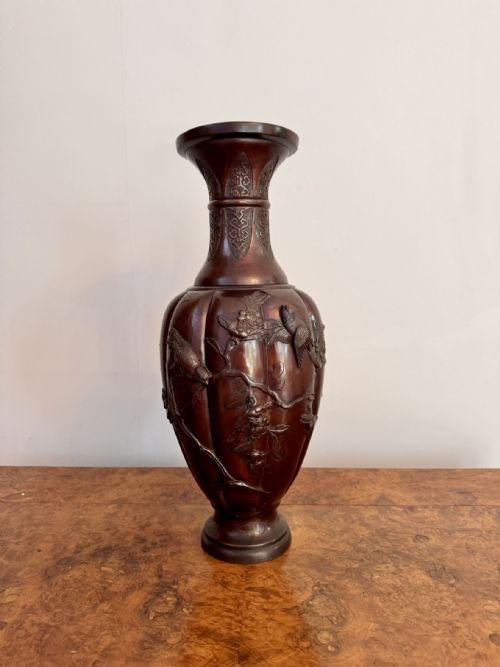
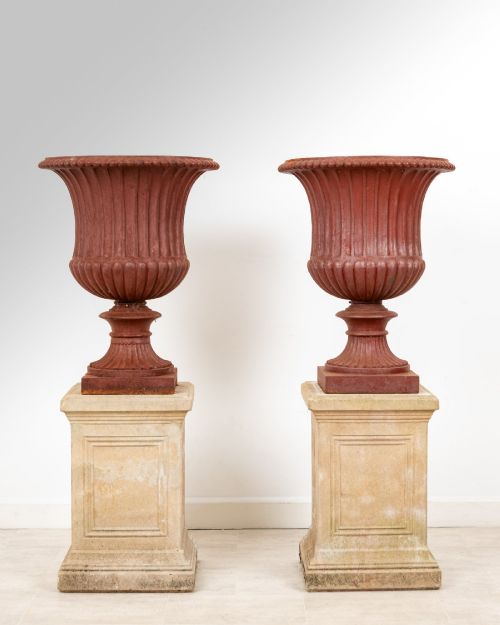
The selections range from robust 19th-century cast iron Campana garden urns on stone pedestals to refined Arts and Crafts copper vessels and intricate Japanese Meiji bronze vases. Pieces emerge from diverse origins including Victorian British foundries, French chateaux, and Chinese export workshops.
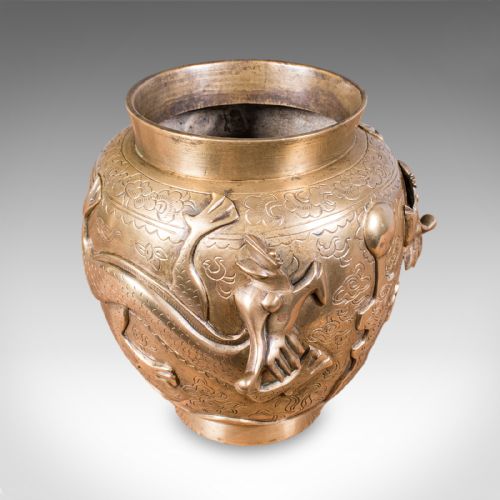
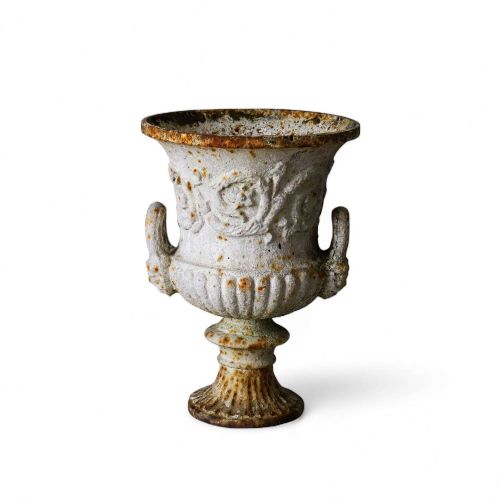
Buyers most frequently meet heavy cast iron iterations designed for landscape placement, alongside smaller brass and copper planters suited for interior tabletops. These objects combine utilitarian garden functions with decorative casting styles including Neoclassical motifs and Oriental dragon designs.
Materials and construction methods
Cast iron production utilises moulds to shape heavy garden urns and campana vessels, often finished with original painted surfaces or left to weather outdoors. Foundries such as Val d'Osne and Coalbrookdale utilised this technique to achieve crisp classical details and substantial structural weight.
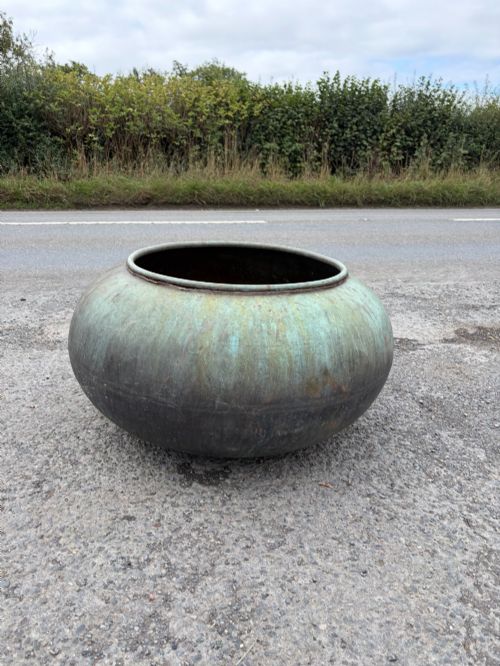
Copper and brass vessels rely on hammering, riveting, and embossing techniques, particularly evident in Arts and Crafts pieces and pressed brass planters on stands. Dinanderie work incorporates decorative metal alloys shaped into textured jardiniere bodies with twin handles.
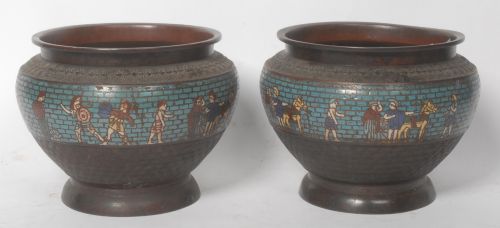
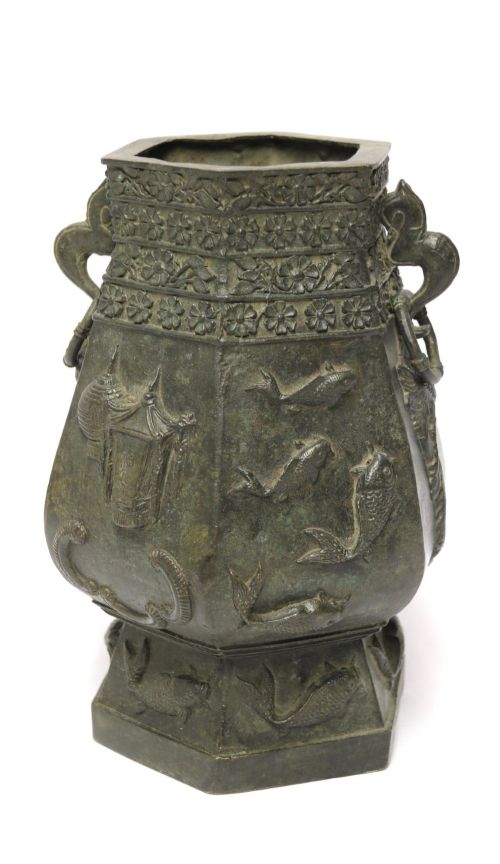
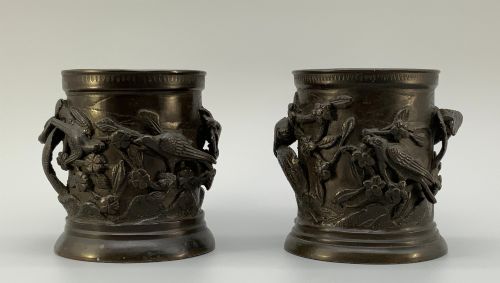
Bronze casting employs intricate lost-wax or sectional methods to produce detailed Chinese export vessels, Grand Tour Warwick vases, and Japanese Meiji period floral motifs. Artisans applied patination and champleve enamel work to enrich the metal surfaces.
Metal Urn Planter Retail Price Guide 2026
Typical asking prices for metal urn planter among the pieces listed under this phrase on Sellingantiques today, from the lower quarter to the upper quarter. They describe what is for sale here now, not the wider market.
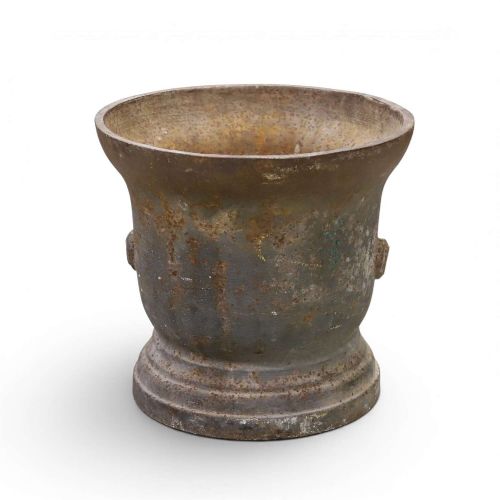
The inventory records regional items ranging from French chateau mortars and Japanese Meiji vases to Chinese export cachepots and British Arts and Crafts copper vessels.
Evaluating craftsmanship and integrity
The definition of the casting dictates the quality of an iron urn, where sharp acanthus leaves, crisp fluting, and clear foundry markings separate superior examples from softer reproductions. Thick wall sections and stable mounting points on stone pedestals indicate robust original utility.
Hand-finishing distinguishes finer copper and brass work, observable in the precision of riveted seams, the depth of embossed dinanderie patterns, and the weight of solid bronze vessels. Original surfaces, whether weathered paint on iron or aged patinated bronze, retain greater historical integrity than later interventions.
Andrew Handyside·Coalbrookdale·Val d'Osne Foundry·Keswick Arts And Crafts
The Metal Urn Planter Glossary
- Jardiniere
- An ornamental pot or stand designed to hold growing plants or flowers, typically manufactured in brass, copper, or ceramic. These vessels often sit on interior tables or dedicated plant stands.
- Cachepot
- A decorative container used to conceal an ordinary plant pot, preventing water damage to surfaces. The term translates from French as hiding pot.
- Dinanderie
- The medieval and later art of beaten and engraved brass, copper, or bronze, named after the Belgian town of Dinant. Pieces feature embossed surface designs and rich metallic patination.
- Grand Tour
- A cultural journey undertaken by wealthy Europeans to classical sites in Italy, inspiring the acquisition of miniature bronzes and decorative vases. These souvenir items emulate ancient sculpture and architectural urns.
Metal Urn Planter: Frequently Asked Questions
How do I care for a cast iron urn?
Cast iron garden vessels withstand external elements naturally, developing stable weathered patinas over decades of exposure. Periodic cleaning with mild water helps remove debris from classical fluting without harming the metal.
Protective coatings or wax applications prevent excessive oxidation if the planter resides in a sheltered interior setting. Ensuring proper drainage prevents standing water from exerting pressure during freezing conditions.
Where should I place a bronze jardiniere?
Bronze vessels suit prominent interior locations such as side tables, mantelpieces, or dedicated stands where intricate motifs remain visible. Their solid construction safely accommodates floral arrangements or displayed botanicals.
Avoid positioning delicate patinated surfaces in direct, harsh sunlight to preserve the original finish. Pairing these vessels with complementary plant varieties enhances their decorative impact.
How can I date an iron urn?
Nineteenth-century iron planters typically display characteristic casting seams, heavy proportions, and specific foundry attributions. Examining the mounting bolts, pedestal construction, and base wear provides clues to age.
Matching stylistic cues, such as Victorian classical revival details or specific Campana proportions, helps narrow the production era. Comparing foundry marks against historical records confirms the manufacturing origin.
Can copper planters hold soil directly?
Copper jardiniere vessels can house plants directly, though utilising an internal liner protects the metal from moisture and acidic soil. Arts and Crafts copper pieces benefit from gentle treatment to preserve hand-hammered textures.
Lining the interior prevents mineral deposits from accumulating on the inner walls. Regular inspection ensures the riveted or soldered seams remain sound over years of botanical display.