
Metal Umbrella Stand
A metal umbrella stand organises hallway clutter while bringing utilitarian weight and historical character to an entrance.
Metal Umbrella Stand
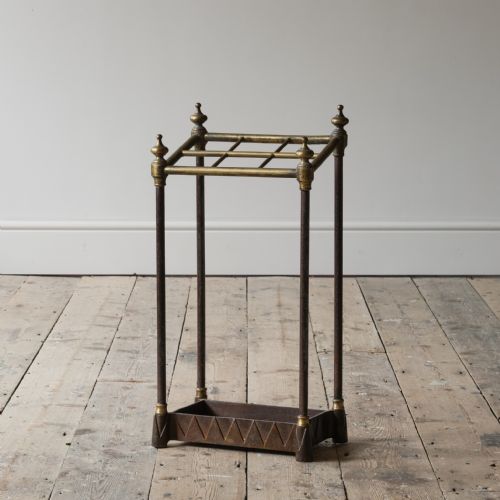
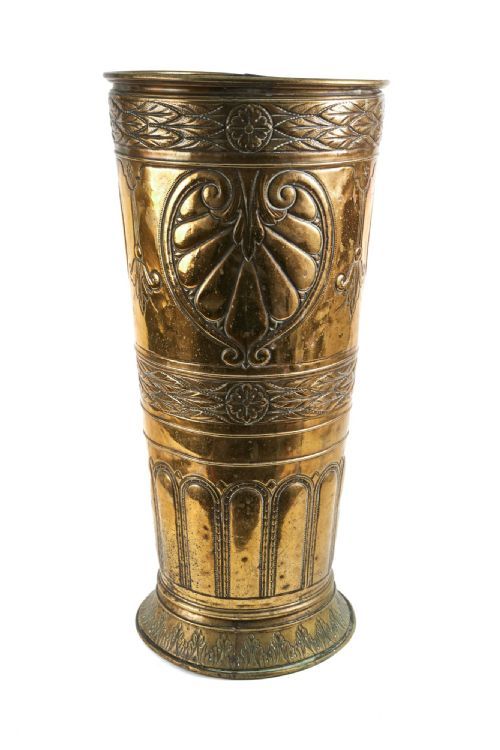
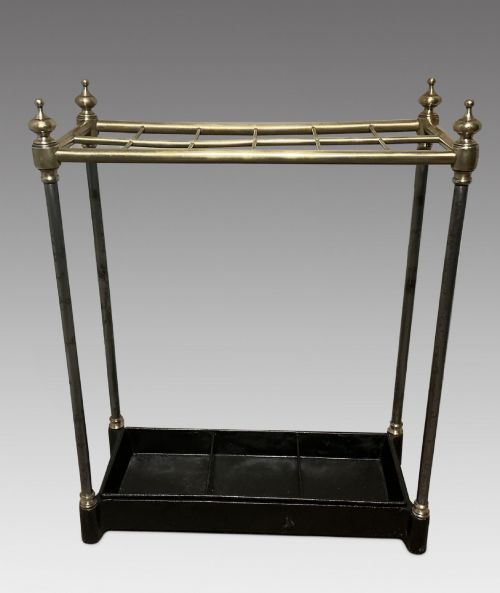
When you search for a metal umbrella stand, you encounter hall furniture designed to receive wet walking sticks and umbrellas in domestic interiors. The examples available span the nineteenth century into the 1930s, encompassing Victorian, Edwardian, Art Nouveau, and Art Deco periods.
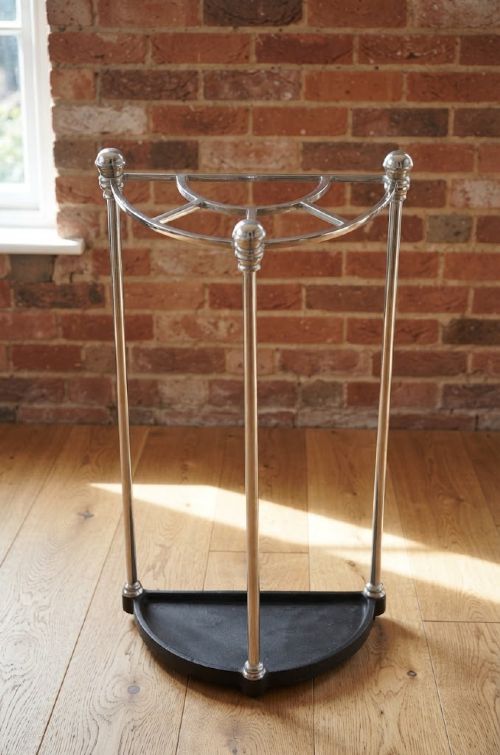
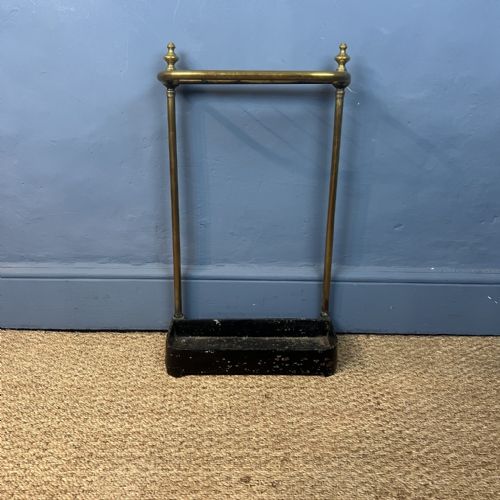
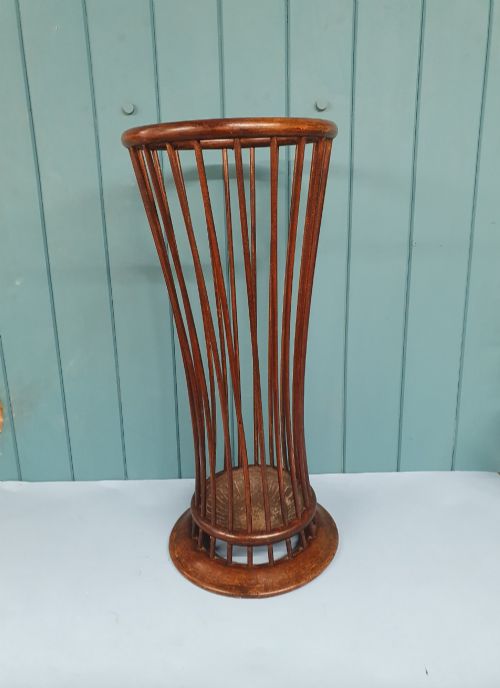
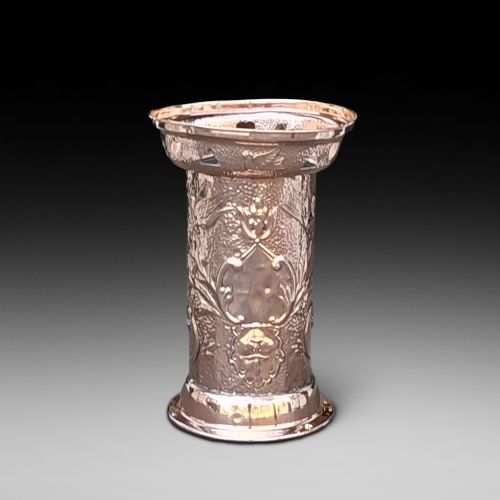
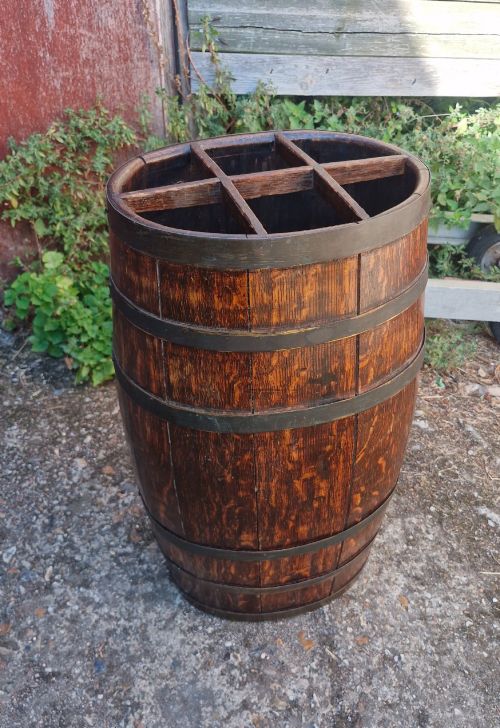
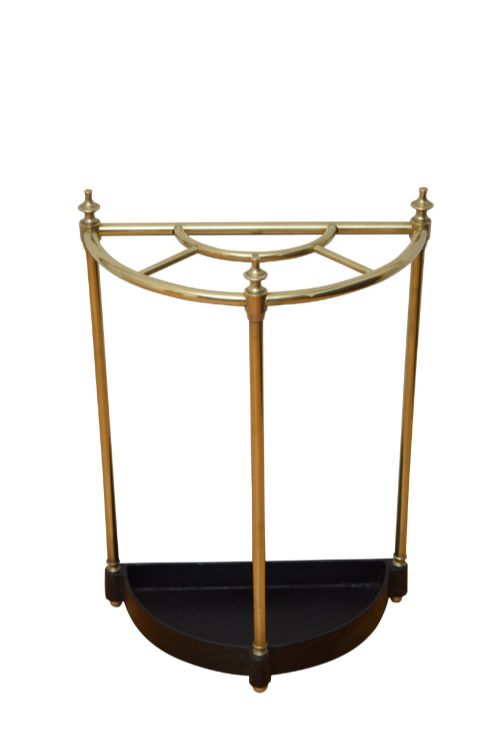
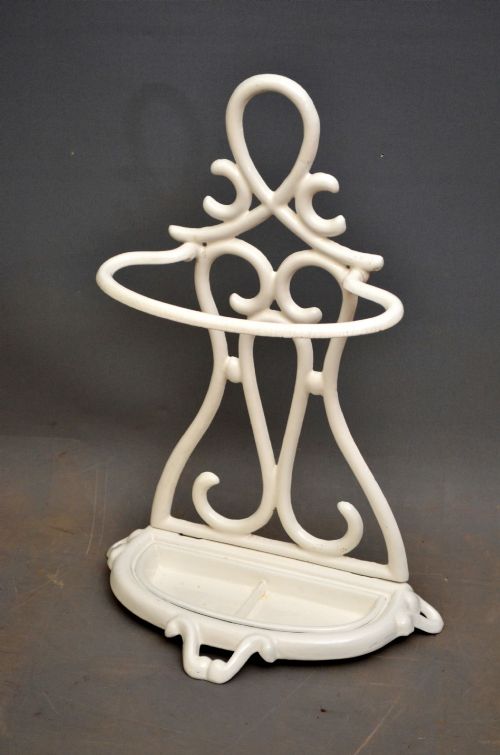
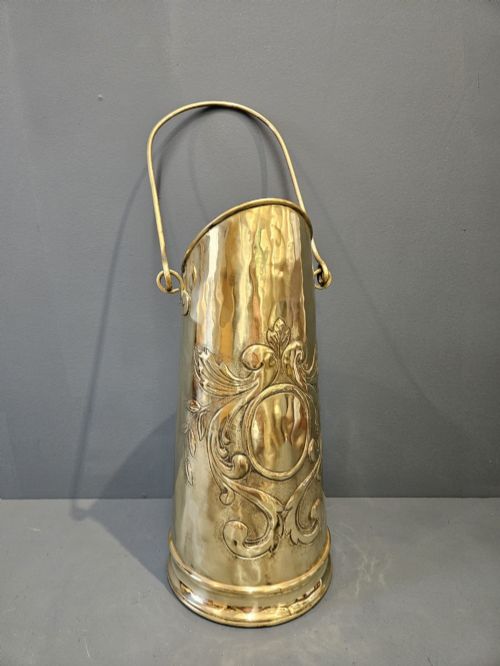
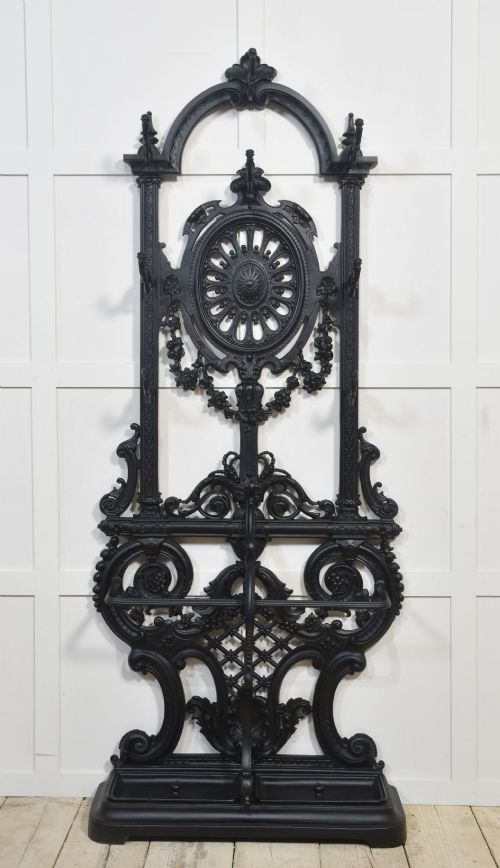
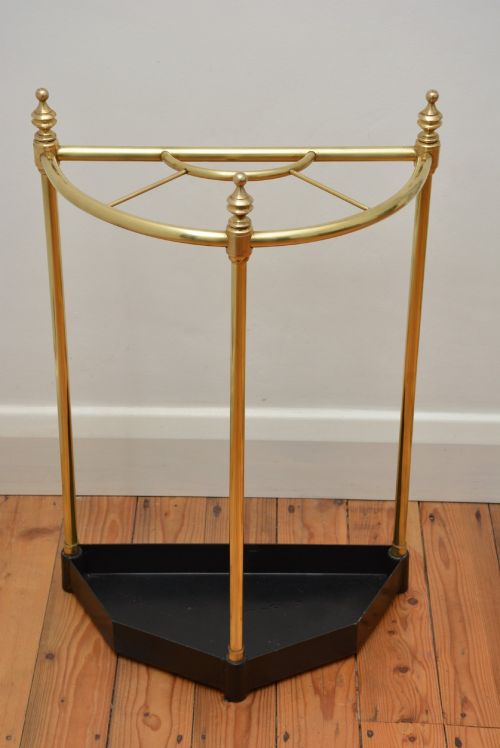
Cast iron and brass dominate the forms, frequently appearing in demi-lune shapes to sit flush against hallway walls. You also meet cylindrical vessels, barrel forms, and combined hall stands integrating hooks and mirrors alongside stick receptacles.
Maker output and regional designs range from British country house pieces to French country vessels and Swedish water barrels repurposed for domestic use. The objects serve a practical function while displaying the decorative metalwork idioms of their respective eras.
Materials and construction
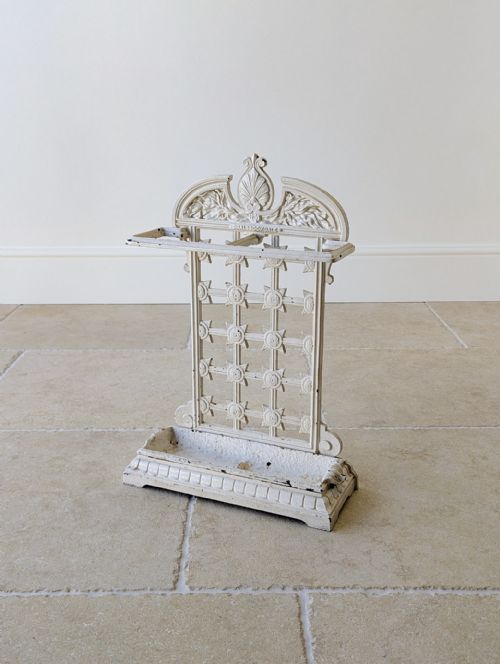
Foundry work defines the construction of cast iron stands, which utilise moulded patterns to produce pierced decorative panels and heavy bases capable of supporting wet timber shafts without tipping. Iron components often feature black or painted finishes, alongside white enamel interiors in certain continental pieces.
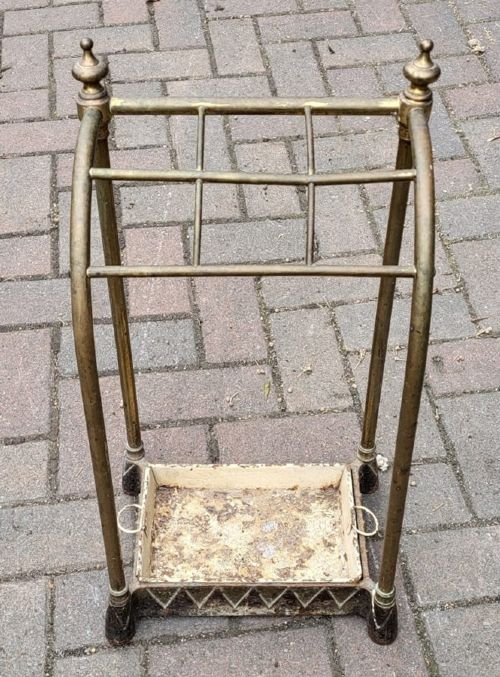
Brass and copper fabrication involves sheet metal manipulation, heavy casting, and riveting, frequently paired with iron frames or steel rods to add structural rigidity. Oak barrels and bodies incorporate metal binding hoops, securing wooden staves around internal containers and original metal drip trays.
Several stands double as French grape hottes or milk churns, proving that nineteenth-century agricultural vessels make surprisingly accommodating hosts for damp umbrellas.
Distinctions in craftsmanship and survival
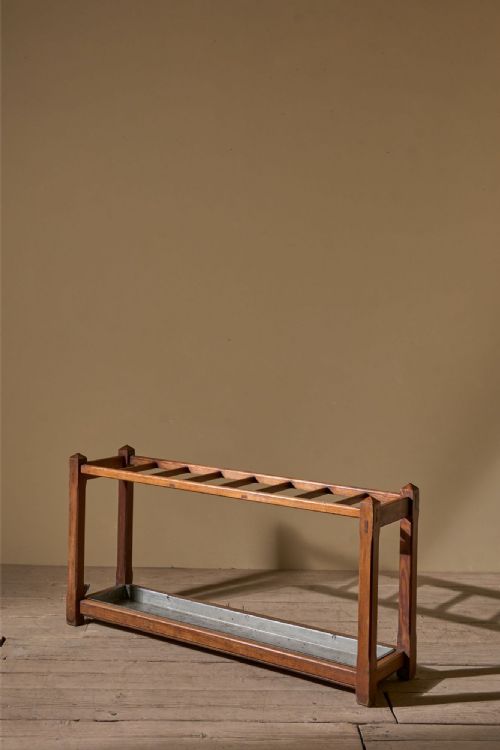
Quality reveals itself in the crispness of the casting detail on ironwork and the structural integrity of joints in mixed media pieces combining wood and metal. Stands retaining their original removable metal drip trays command greater completeness, as these components frequently went missing or rusted away through constant exposure to water.
The sophistication of the design dictates the visual impact, distinguishing utilitarian vessels from sculptural Art Nouveau copper work or registered Coalbrookdale foundry output. Surface patination, the survival of early paint finishes, and unaltered structural condition separate standard production items from finer studio or factory pieces.
Coalbrookdale·Falkirk Ironworks
The Metal Umbrella Stand Glossary
- Demi-lune
- A half-moon shape designed to stand flat against a wall, allowing the object to occupy minimal floor space in narrow hallways and corridors.
- Drip tray
- A removable metal basin seated at the base of the stand to catch water running off wet umbrellas and protect the flooring underneath.
- Cast iron
- An iron-carbon alloy poured into moulds while molten, utilised for heavy, rigid frames decorated with pierced or relief patterns.
- Art Nouveau
- A decorative style characterised by flowing, organic lines and plant-inspired motifs, prominent on copper and cast iron stands from around nineteen hundred.
- Coalbrookdale
- A renowned ironworks in Shropshire famous for producing decorative cast iron furniture and stick stands during the nineteenth century.
Metal Umbrella Stand: Frequently Asked Questions
How do I stop water damaging the floor?
Most traditional stands include an original metal drip tray positioned inside the base to catch runoff from wet umbrellas. Ensuring this tray is present protects underlying timber or stone flooring from moisture accumulation.
If a stand lacks its tray, placing a modern shallow dish or liner inside the base achieves the same protective function without altering the piece's exterior appearance.
Where should I place a heavy cast iron stand?
Cast iron stands suit high-traffic hallways and entrance passages where their substantial weight prevents tipping when loaded with heavy walking sticks. Their narrow profiles, particularly demi-lune shapes, allow placement against tight corridor walls.
Keep them clear of persistent damp areas outdoors to preserve historic painted surfaces and prevent active corrosion on unsealed iron components.
How do I date a metal stand?
Stylistic indicators such as flowing plant motifs point towards Art Nouveau pieces around nineteen hundred, while geometric lines suggest Art Deco objects from the nineteen thirties. Victorian examples often rely on heavy cast iron foliage or registry marks stamped into the metal.
Construction methods also help determine age, as nineteenth-century pieces frequently employ hand-finished castings and heavy brass fittings distinct from later twentieth-century production.
Can copper stands be polished?
Copper and brass surfaces can be cleaned with appropriate metal creams, though many collectors prefer to leave an aged patina intact. Polishing removes the darkened oxidation built up over decades of domestic use.
If you choose to polish, do so gently to avoid removing fine surface details on decorative castings or thinning plated finishes on nickel-coated pieces.