

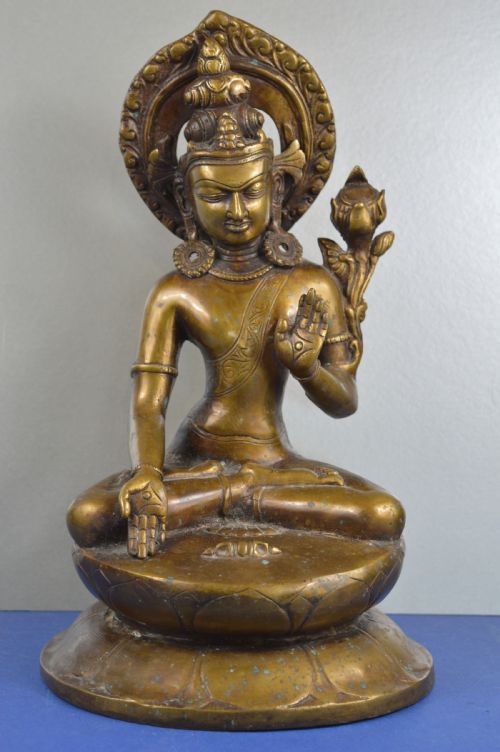
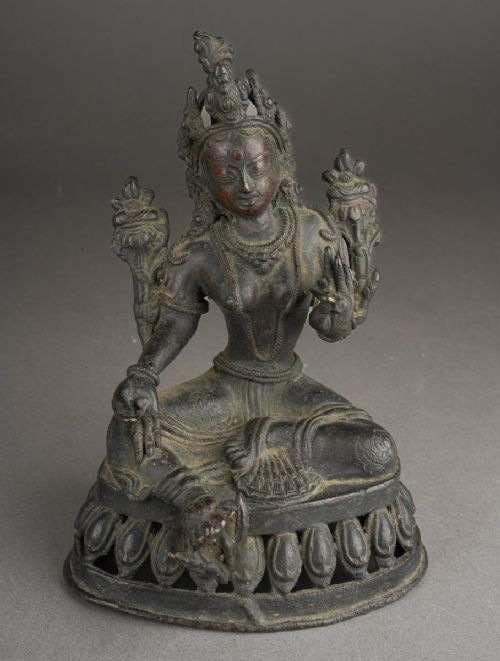
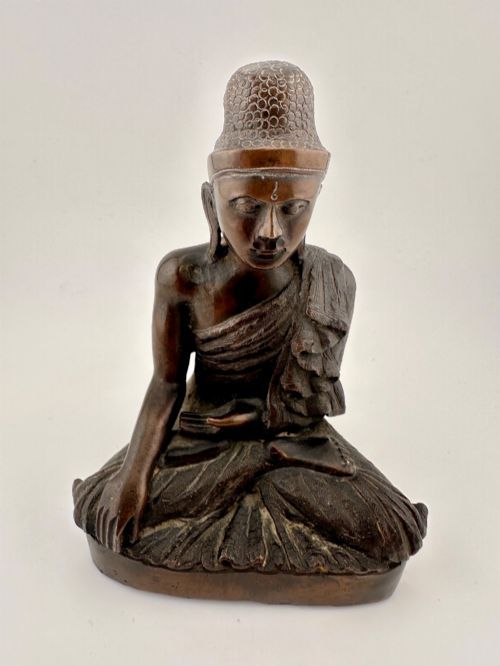


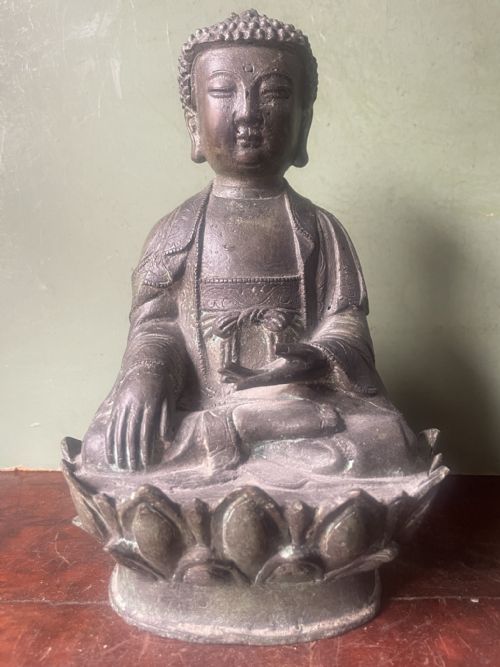


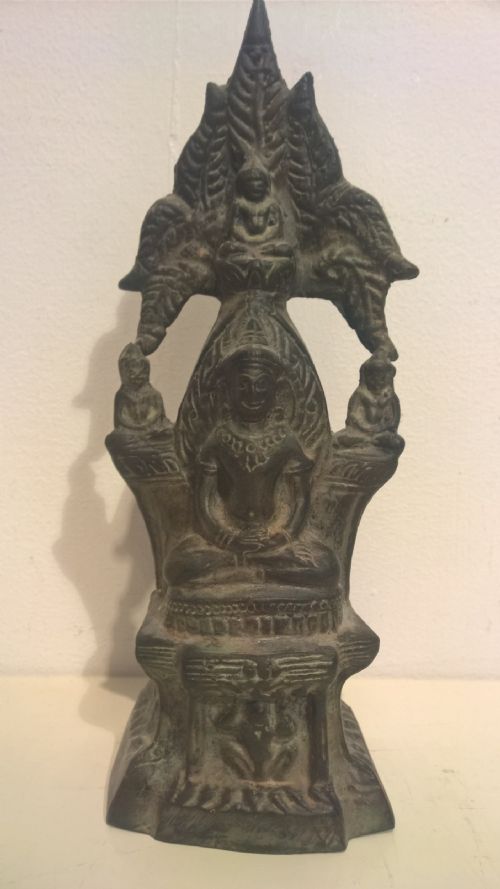


Metal Religious Figure
These metal religious figure examples span centuries and continents, offering devoted deities and saints cast in bronze, copper alloy, and brass for home display or collection.
Metal Religious Figure
A metal religious figure represents sacred icons, deities, and holy personages cast in enduring media across diverse global traditions. When you search for a metal religious figure, you encounter depictions ranging from South Asian Hindu and Buddhist deities to European Christian saints.
The selections on this page are most frequently cast in bronze or copper alloy, spanning periods from pre-sixteenth century Javanese examples to nineteenth century Indian statues and Victorian ecclesiastical sculptures. Forms vary from dancing manifestations of Shiva to serene Buddhas and devotional groups depicting the Virgin Mary.
How they were made
Foundry workers shaped these items primarily through metal casting techniques, utilising copper alloy, bronze, and brass to achieve enduring forms. Certain Asian and European pieces incorporate surface enhancements such as gilt or vermilion pigment to heighten their devotional presence.
Makers handled solid and alloyed metals with varying degrees of polishing and finishing, resulting in surfaces that range from bright metallic sheens to rich, oxidised patinas developed over centuries.
Metal Religious Figure Retail Price Guide 2026
Typical asking prices for metal religious figure among the pieces listed under this phrase on Sellingantiques today, from the lower quarter to the upper quarter. They describe what is for sale here now, not the wider market.
One determined deity carries a heavy four-kilogram weight, proving that spiritual presence has literal substance.
What varies in quality
Preservation of the original surface patina and any applied gilding or pigment significantly influences the visual authority of the piece. Greater depth in the modelling elevates items originating from traditional workshops above routine commercial output.
The Metal Religious Figure Glossary
- Bronze
- An alloy consisting primarily of copper, traditionally mixed with tin, used extensively for durable sculptural casting across numerous historical periods.
- Copper alloy
- A broad term for metals containing copper as their principal component, frequently utilised in historic Asian statues and ritual objects.
- Gilt bronze
- Metal sculpture coated with a thin layer of gold applied through fire-gilding or similar historical methods to impart a luminous finish.
- Spelter
- A zinc or lead-based alloy commonly employed as a substitute for bronze in nineteenth century and later decorative figures.
- Patina
- The surface coloration and texture developed on metal through age, handling, and environmental exposure over long periods.
Metal Religious Figure: Frequently Asked Questions
How old are these metal figures?
The pieces span a wide chronological range, including pre-sixteenth century Javanese works, seventeenth century Asian icons, and nineteenth century European and Indian statues.
Dating relies upon stylistic conventions, material composition, and the specific manufacturing techniques characteristic of each region and era.
What metals were used?
Foundries predominantly utilised bronze, copper alloy, and brass to cast these devotional objects, occasionally applying silver alloy, gilt metal, or spelter.
Surface treatments such as vermilion pigment or gilding frequently accompanied the base metal to enhance the sacred appearance of the deity or figure.
How should I clean them?
Metal figures require minimal intervention to preserve their historic surface patinas and any remaining traces of original pigment or gilding.
Dusting gently with a soft, dry cloth is generally sufficient; abrasive polishes must be avoided to prevent damage to the aged metal skin.