


Metal Plant Planters
Metal plant planters bring living greenery indoors and onto patios through centuries of wrought iron, brass, and copper vessel design.
Metal Plant Planters
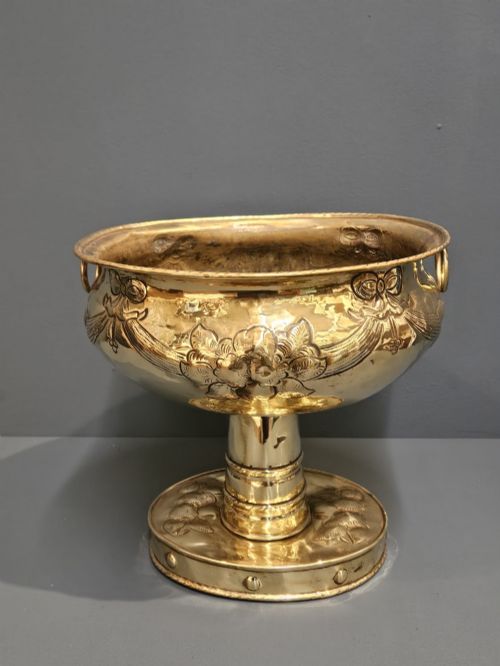
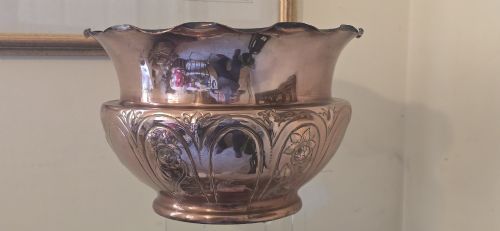
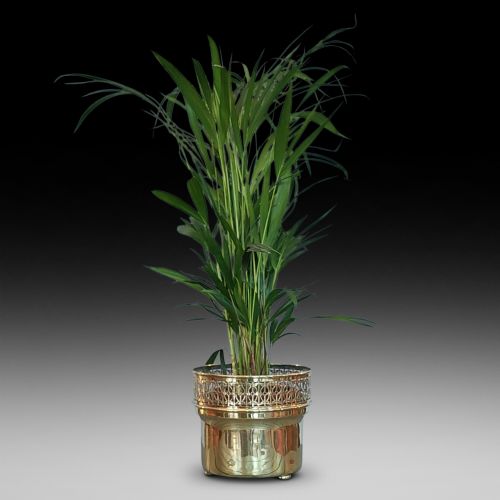
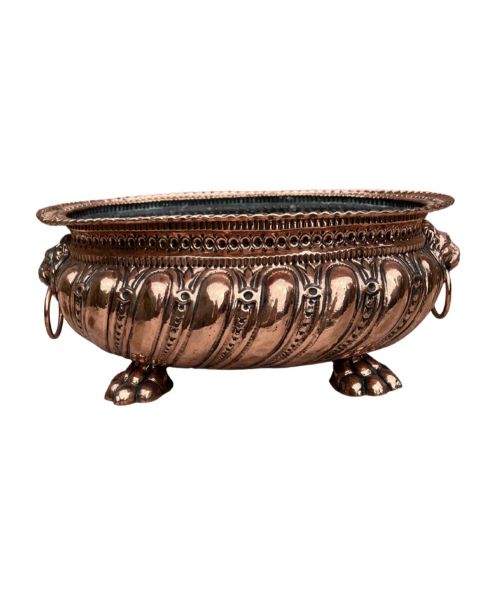
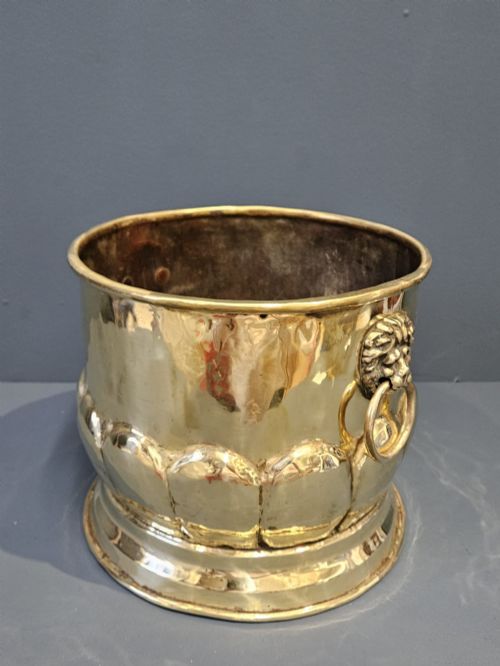
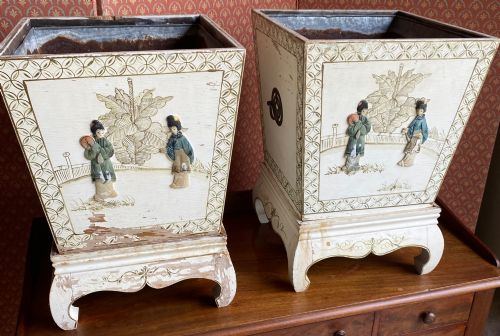
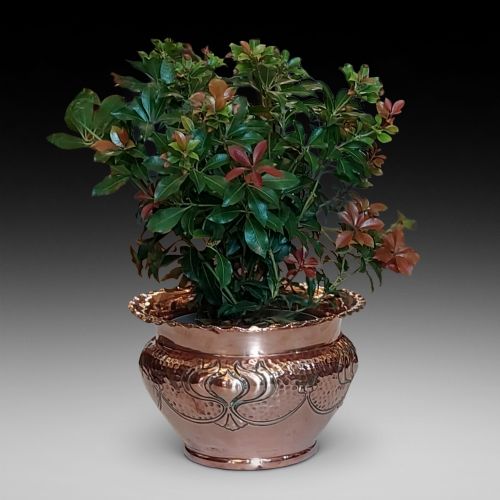
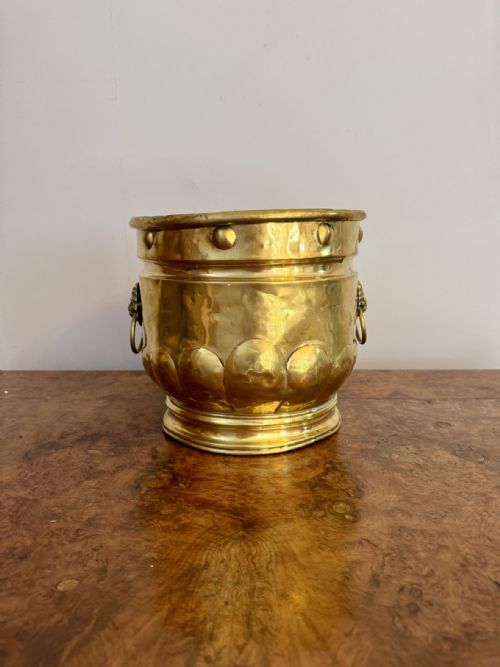
Metal plant planters span utilitarian garden vessels and ornate indoor jardinières designed to hold potted plants and floral displays. The selection on this page relies heavily on nineteenth-century brass, copper, and cast iron pieces.
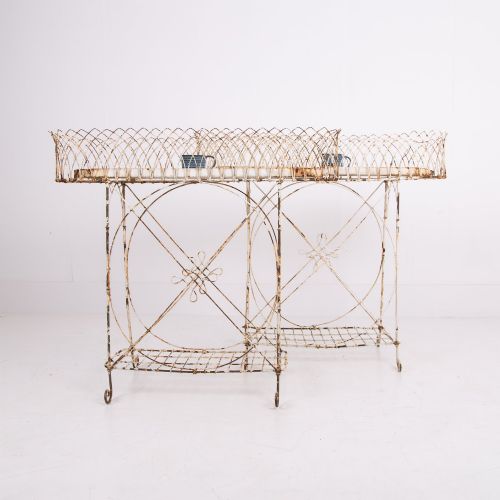
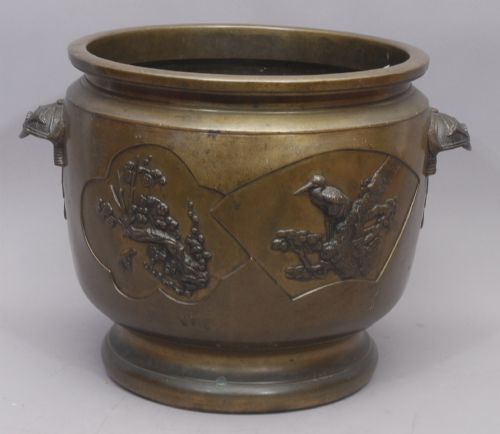
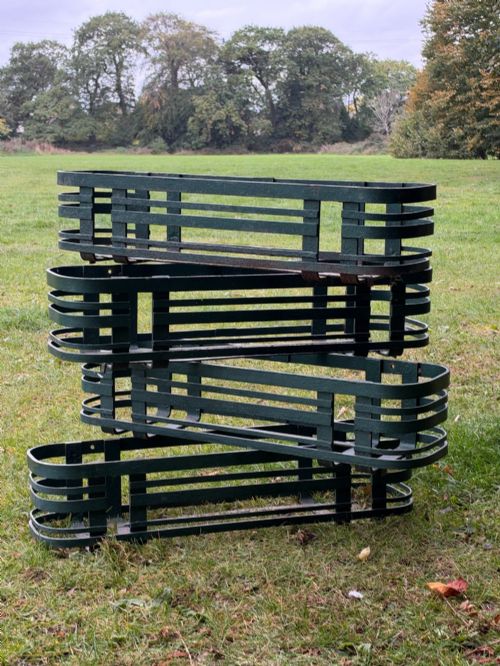
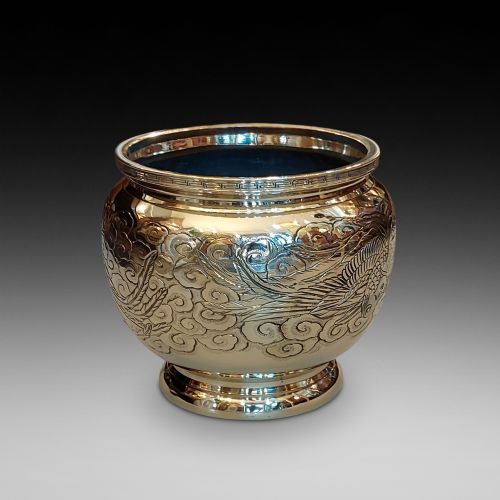
Buyers will encounter forms ranging from heavy garden urns and tiered plant stands to small cachepots and pierced brass vessels. French, Dutch, and English origins dominate the selection alongside pieces in Japanese and Chinese styles.
The objects serve primarily to elevate foliage within domestic rooms or structured gardens, drawing on Victorian, Edwardian, and Arts and Crafts aesthetics to frame natural forms.
Materials and Working Methods
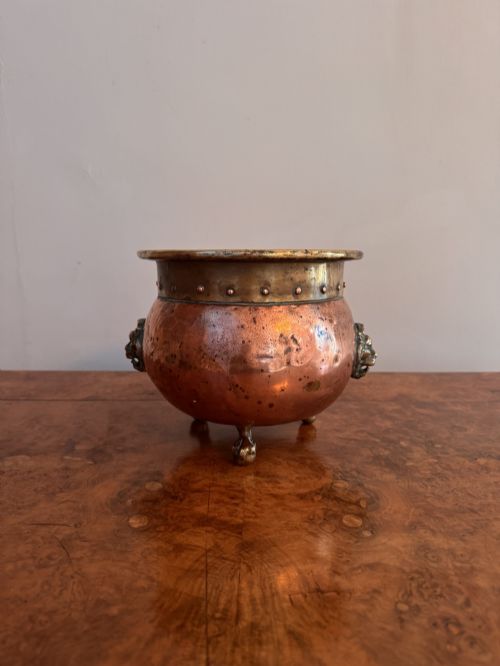
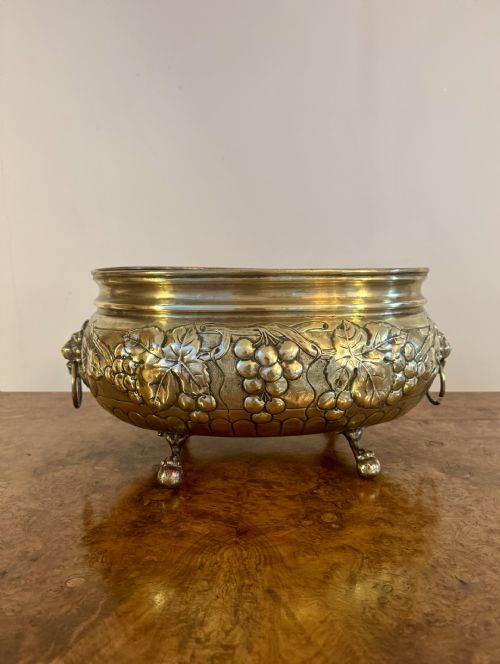
Metal plant planters utilise sheet copper and brass that workers shaped through hammering, piercing, and embossing. Many vessels combine these warmer metals with cast iron frames or wrought iron scrollwork.
Foundries produced heavier garden pieces through cast iron and lead moulding, while specialised workshops applied champlevé enamel or ormolu mounts to bronze and wood bodies.
Metal Plant Planters Retail Price Guide 2026
Typical asking prices for metal plant planters among the pieces listed under this phrase on Sellingantiques today, from the lower quarter to the upper quarter. They describe what is for sale here now, not the wider market.
Some nineteenth-century vessels double as decorative waste bins or coal buckets, proving our ancestors liked their rubbish housed stylishly.
Evaluating the Pieces
The standard of a metal plant planter depends on the crispness of its surface detail, such as hand-hammering, pierced fretwork, or cast relief ornament. Pieces with integrated stands, original liners, or complete matching pairs command greater attention.
Subtlety in proportions and the integration of diverse materials, like brass handles on copper bodies or porcelain plaques on timber stands, separate standard utilitarian vessels from finer decorative works.
The Metal Plant Planters Glossary
- Jardiniere
- An ornamental pot or stand for holding plants or flowers. These vessels form the bulk of the brass and copper items on this page.
- Cachepot
- An ornamental container used to conceal an ordinary flowerpot. These sit neatly on interior tables rather than garden terraces.
- Champleve
- An enamelling technique where troughs are sunk into a metal surface and filled with vitreous enamel. Examples appear on Chinese bronze vessels.
- Ormolu
- Gilded bronze mounts applied to furniture and decorative containers. They frequently accent nineteenth-century French walnut and ebonised planters.
- Wrought iron
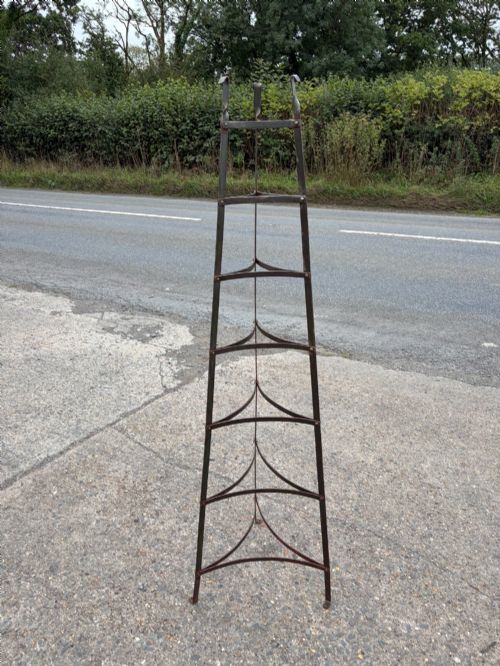
- Iron that is heated and hammered into shape by hand, resulting in visible forged details. Garden stands and plant racks often utilise this method.
Metal Plant Planters: Frequently Asked Questions
How do I clean an antique brass planter?
Antique brass vessels generally retain more character with their existing aged surface left intact. Avoid harsh chemical polishes that strip away historical patination.
Dust the piece gently with a soft dry cloth. If washing is necessary, use mild soap and warm water, then dry thoroughly to prevent spots.
Can I put soil directly into these planters?
Many historical metal planters lack drainage holes or feature delicate internal linings that direct contact with wet soil would damage. Placing a separate potted plant inside protects the antique metal.
If planting directly, check whether the vessel has an inner metal or ceramic liner. Ensure any stagnant water is emptied promptly to prevent corrosion.
Where were these metal planters made?
The selection includes pieces from across Europe and Asia, with strong representation from English, French, and Dutch workshops. Nineteenth-century examples often reflect regional preferences, such as heavy copper in France and pierced brass in Britain.
Asian export pieces also feature prominently, incorporating techniques like bronze champlevé enamel alongside European forms.