



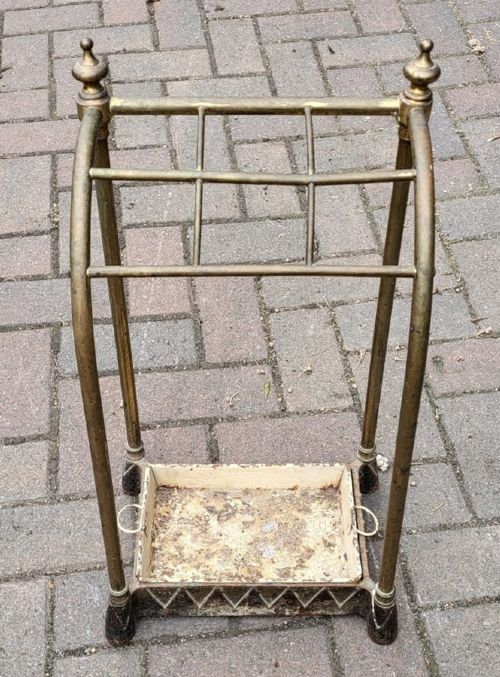
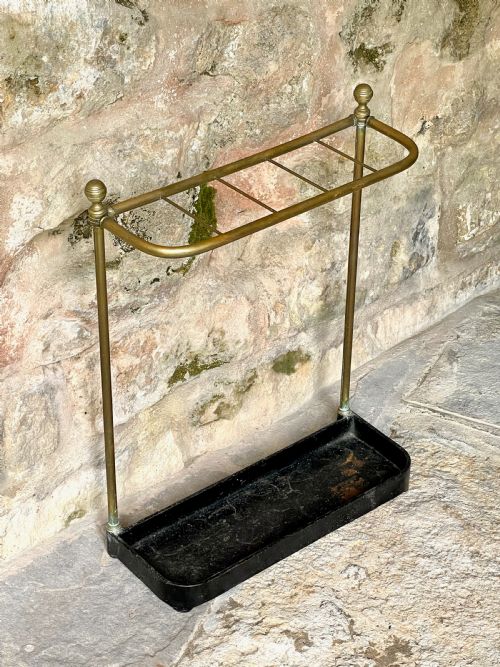
Metal Hallway Stick Rack
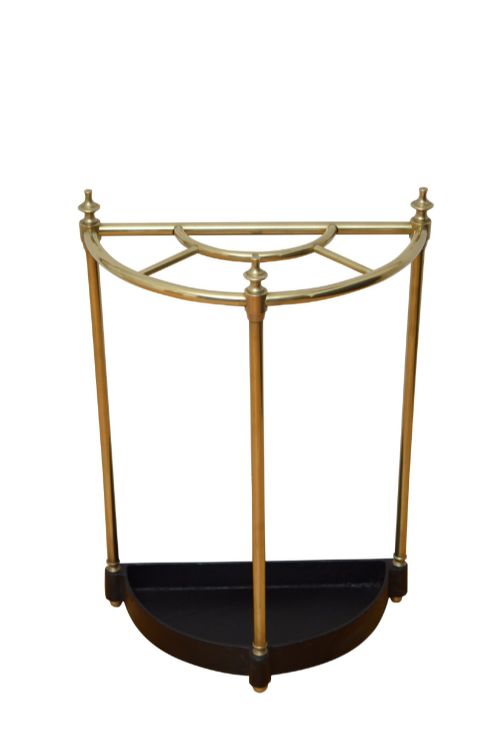
A metal hallway stick rack keeps the wet weather out of the house while bringing architectural weight to an entrance.
Metal Hallway Stick Rack
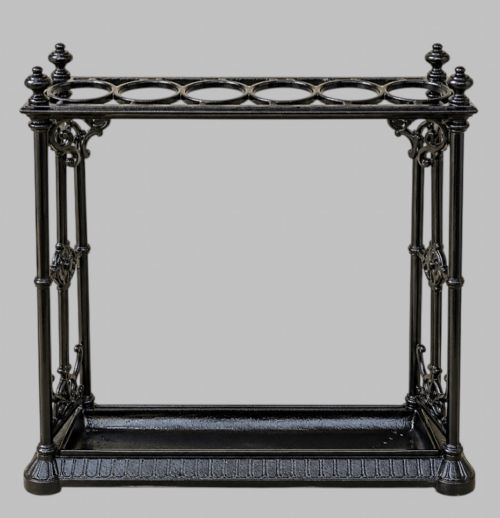
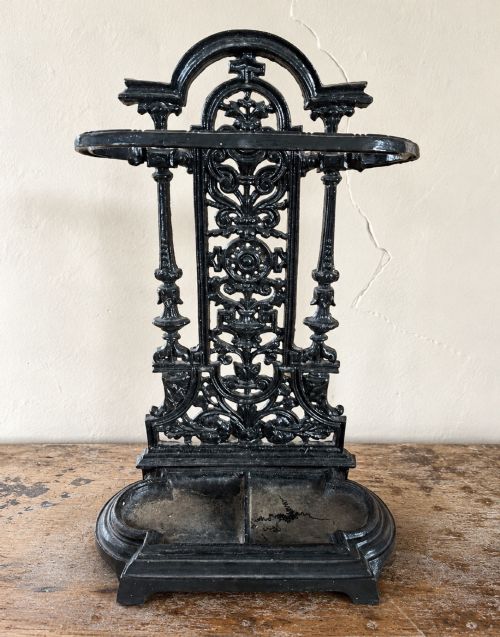
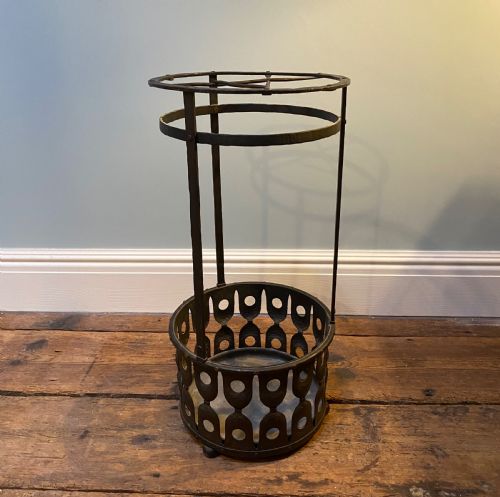
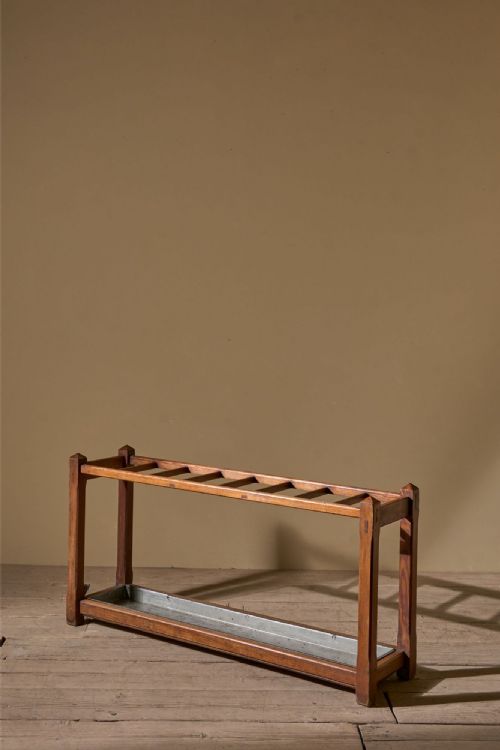
A metal hallway stick rack serves to hold walking sticks, canes and umbrellas within domestic spaces. Buyers seeking this phrase encounter practical heavy utility objects designed for the entrance hall, mudroom or corridor.
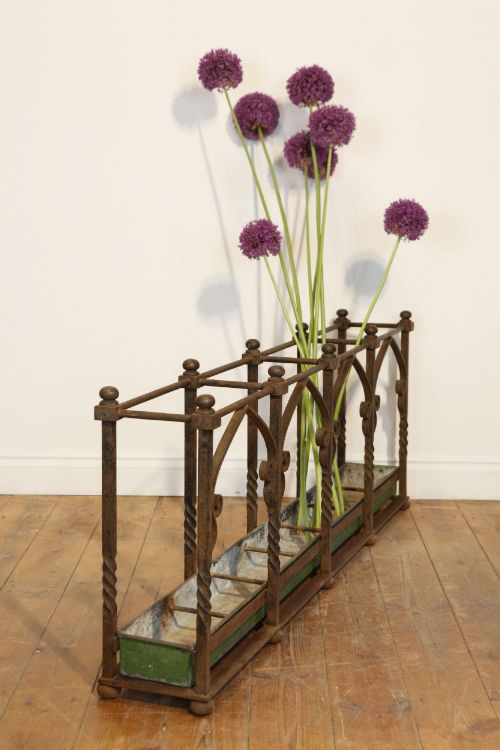
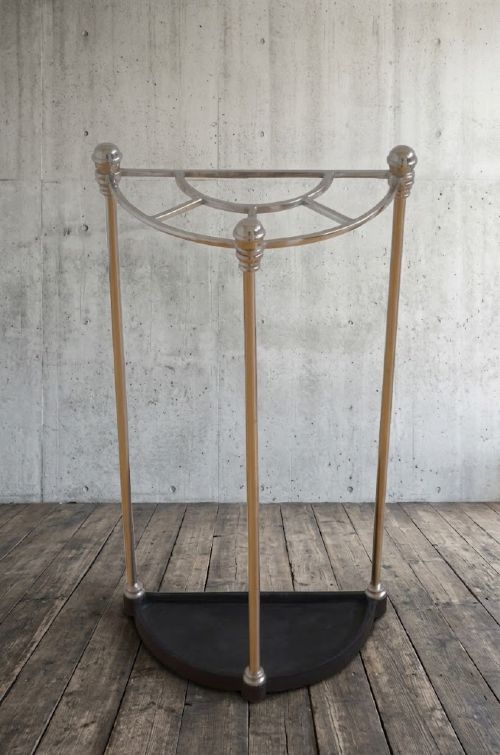
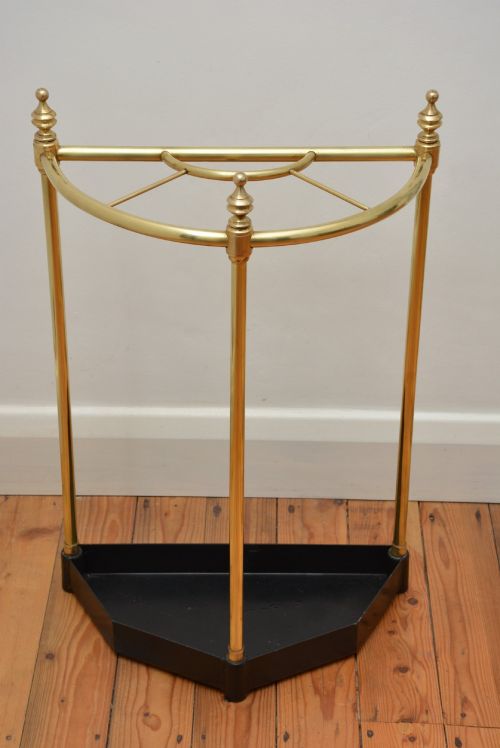
The selections span the nineteenth century, Victorian, Edwardian and Art Deco periods. Forms include semicircular demi-lune shapes, corner designs, oval configurations and large multi-ring holders.
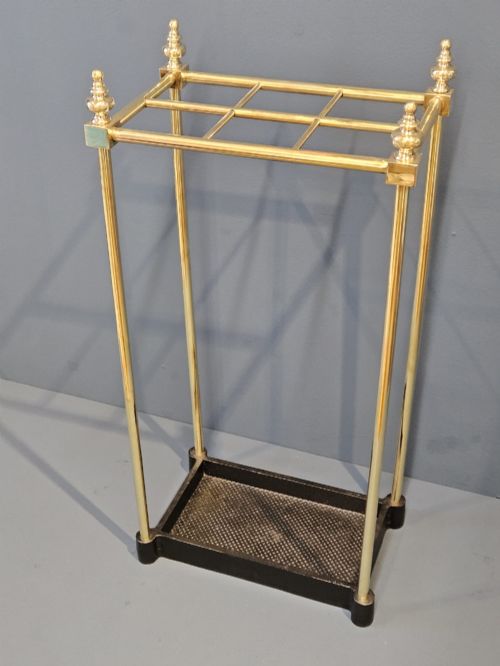
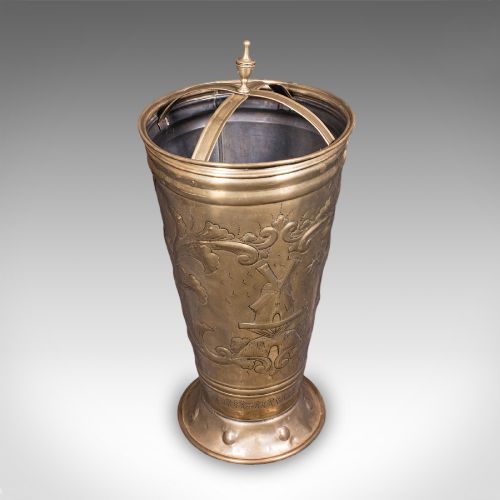
Common material pairings combine cast iron frames with brass rails, zinc trays and nickel plating. Many pieces incorporate umbrella loops and integrated drip pans to catch water from wet items.
Methods and Materials
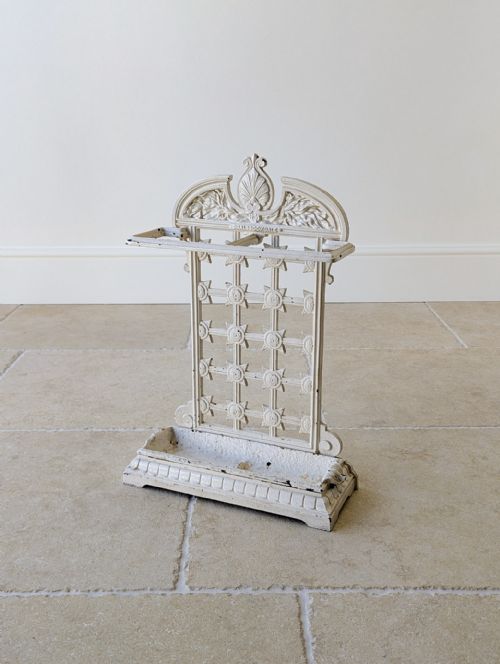
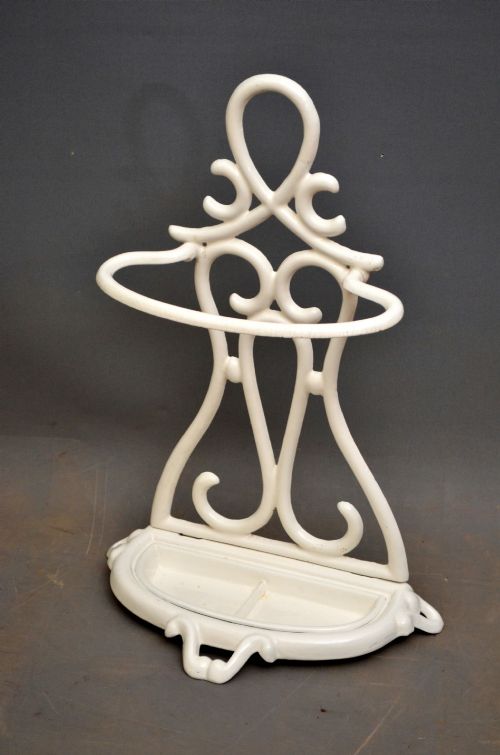
Makers utilised cast iron for heavy foundational bases and structural frames, employing sand-casting techniques to achieve intricate pierced patterns and gothic or floral motifs. This heavy metal provided the necessary ballast to prevent tipping when loaded with wet timber and steel shafts.
Bright metalwork relies on brass tubing, sheet brass and nickel plating shaped into frames, division rings and handle loops. Artisans fastened these assemblies using threaded bolts and screws, often pairing the metal with zinc liners to hold water.
Some examples combine metal frameworks with wooden elements such as oak, walnut or pine, merging turned wooden uprights with cast iron trays or brass partitions.
Metal Hallway Stick Rack Retail Price Guide 2026
Typical asking prices for metal hallway stick rack among the pieces listed under this phrase on Sellingantiques today, from the lower quarter to the upper quarter. They describe what is for sale here now, not the wider market.
Several stands feature twenty-four separate rings, ensuring an entire Victorian household could misplace their walking sticks simultaneously.
Evaluating the Pieces
Quality rests in the crispness of the casting detail and the architectural integrity of the frame. Foundational weight distinguishes robust commercial pieces from lighter domestic versions, while structural rigidity ensures the stand holds its shape under heavy use.
The treatment of secondary materials dictates overall refinement, from the thickness of the brass plating to the retention of original zinc drip pans. Clean joints, distinct foundry marks and unpolished casting textures indicate superior execution.
Coalbrookdale·Falkirk Ironworks
The Metal Hallway Stick Rack Glossary
- Demi-lune
- A half-moon shape used for stick stands designed to sit flat against a hallway wall. This configuration maximises floor space in narrow corridors.
- Drip pan
- A removable metal tray positioned at the base of the rack to catch moisture from wet umbrellas. These liners protect hallway floors from water damage.
- Cast iron
- An iron-carbon alloy poured into moulds to create rigid structural frames and decorative panels. It provides the heavy ballast required for tall umbrella stands.
- Nickel plating
- A thin protective layer of nickel applied to brass or steel surfaces to give a bright silver-coloured finish. This treatment resists tarnishing in damp environments.
- Umbrella loop
- A formed metal ring or divider that keeps individual walking sticks and brollies upright. These loops prevent items from tangling or sliding sideways.
Metal Hallway Stick Rack: Frequently Asked Questions
How do you stop rust on cast iron?
Cast iron stands require dry indoor conditions and regular dusting to prevent oxidation. Keeping the drip pan empty and dry stops moisture from attacking the base from within.
Applying a light coat of neutral wax protects the metal surface without altering its historic appearance.
Were these stands used for umbrellas?
These utility items accommodated both walking canes and wet rain umbrellas in nineteenth and twentieth-century hallways. The inclusion of internal rings and bottom pans specifically caught dripping rainwater.
Households utilised them in entrance spaces to keep wet gear from entering the main living rooms.
How do I date a metal stick rack?
Dating relies on stylistic clues such as Art Nouveau plant tendrils, Victorian gothic tracery or Edwardian brass framing. Manufacturing methods also shift from heavy sand-cast iron to lighter tubular metal by the nineteen-thirties.
Foundry marks or registration numbers stamped into the metal often provide precise production years.