


Metal Garden Troughs
Metal garden troughs bring enduring utility and planting space to outdoor schemes, spanning robust galvanised vessels to heavy nineteenth-century cast iron designs.
Metal Garden Troughs
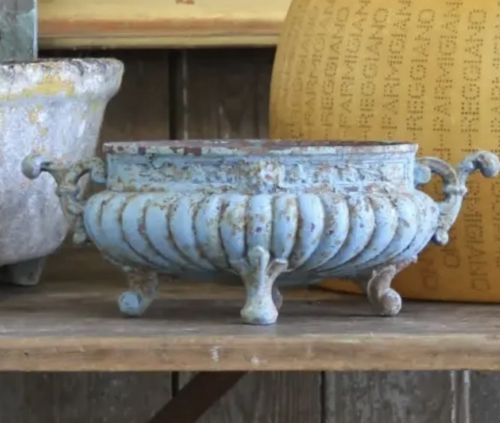
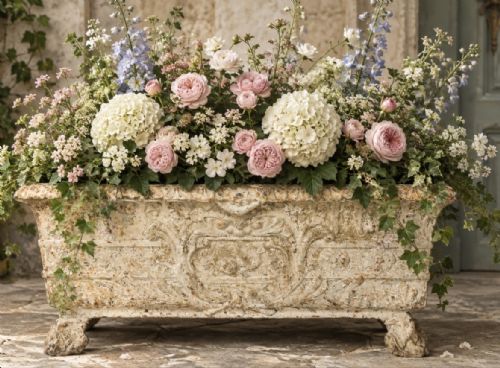
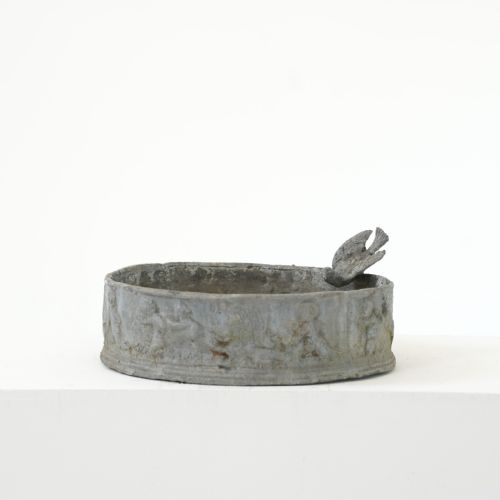
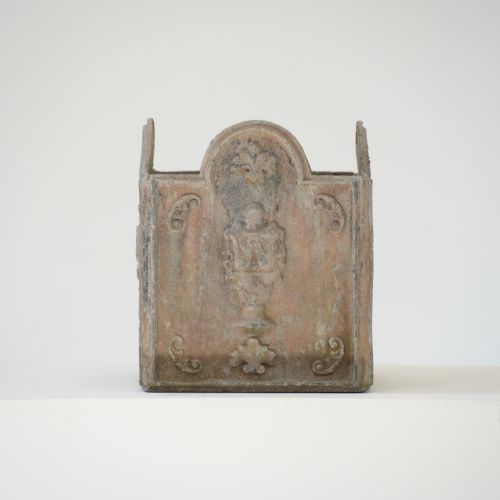
When buyers search for metal garden troughs, they encounter functional vessels designed for planting, ranging from nineteenth-century cast iron jardinieres to galvanised storage bins adapted for botanical use. The selection spans utilitarian containers like dolly tubs and tin baths alongside decorative French and English garden urns.
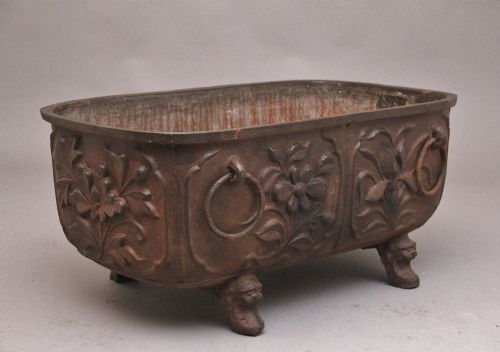
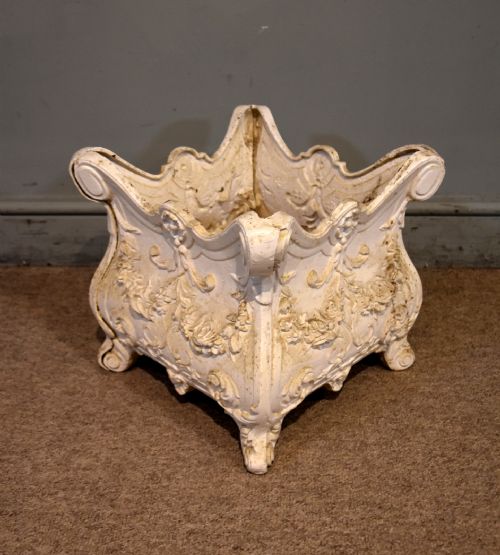
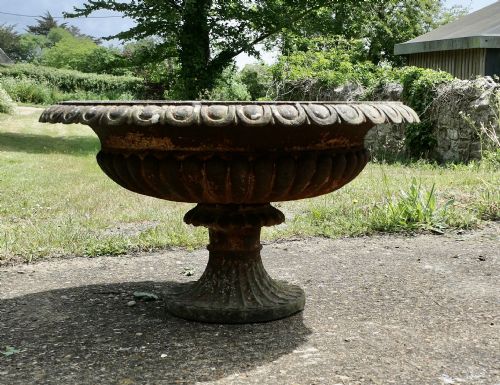
The most common examples on this page are nineteenth-century cast iron pieces, often featuring classical or Gothic ornament, alongside twentieth-century galvanised metal troughs and zinc planters. These utility vessels and ornamental urns serve as robust containers for large shrubs, trees, or structural planting schemes.
How they were made
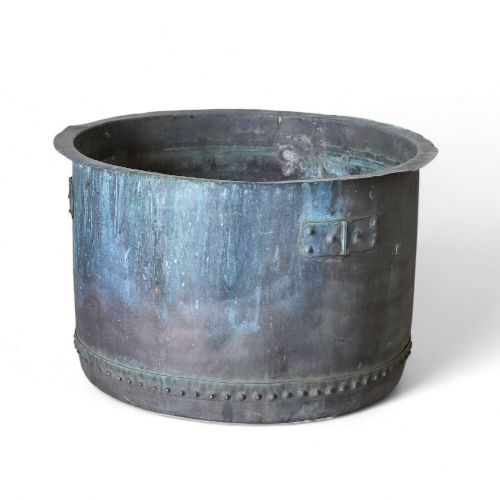
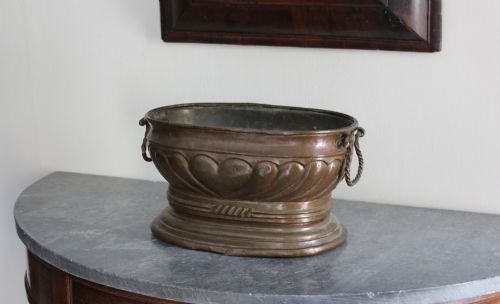
Makers shaped these troughs primarily from cast iron, wrought iron, zinc, lead, and copper, utilising casting, hand-riveting, and strapwork construction methods. Copper planters demonstrate hand-riveted seams, while cast iron pieces emerge from foundry moulds displaying crisp decorative relief.
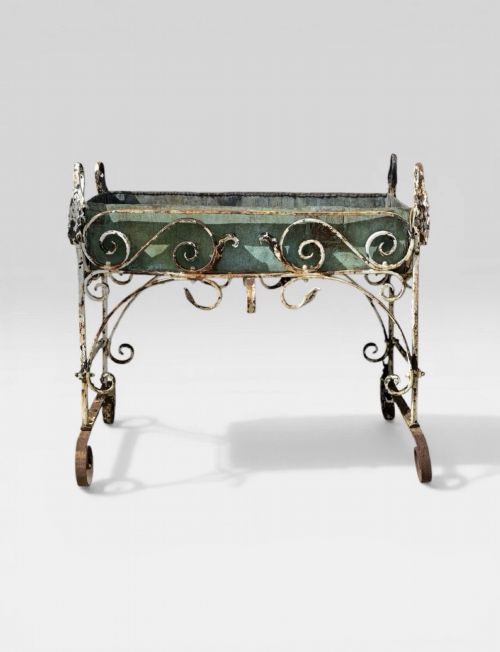
Galvanised metal and zinc protection methods emerged in later periods to prevent corrosion in utilitarian containers like dolly tubs and log baskets. Wrought iron strapwork examples rely on forged joints and bars shaped to form open or solid receptacles for conservatory and garden use.
Materials span cast iron, wrought iron, zinc, lead, copper, and galvanised metal across Georgian, Victorian, Edwardian, and twentieth-century periods.
What varies in quality
Quality in these pieces rests upon the integrity of the metalwork, the crispness of foundry casting, and the authenticity of surface oxidation. Heavy cast iron examples with deep relief ornament and substantial wall thickness stand apart from lighter or later commercial castings.
The method of assembly dictates character, as seen in hand-riveted copper seams versus simpler machine construction. Surviving original surface patination, whether natural verdigris on copper and lead or weathered paint on iron, defines the visual standing of each piece.
Coalbrookdale
The Metal Garden Troughs Glossary
- Jardiniere
- An ornamental pot or stand for flowers or plants. These ceramic or metal vessels often sit on interior floors or conservatory ledges.
- Verdigris
- A green patina formed naturally on copper, brass, or bronze through atmospheric oxidation. This surface layer develops over long periods outdoors.
- Strapwork
- A type of ornamentation consisting of flattened bands resembling leather or metal straps. Craftsmen apply this technique to wrought iron frames and plant supports.
- Galvanised metal
- Steel or iron coated with a protective layer of zinc to prevent rusting. This industrial process preserves outdoor containers against damp soil and weather.
- Dolly tub
- A tall cylindrical metal tub traditionally used for laundering clothes. Gardeners frequently repurpose these robust vessels as deep planters.
Metal Garden Troughs: Frequently Asked Questions
What plants suit metal troughs?
Large structural shrubs, cascading perennials, and architectural grasses thrive in deep metal containers.
Good drainage ensures these root systems remain healthy through seasonal weather changes.
How do I prevent rust?
Zinc and galvanised pieces resist corrosion naturally through their protective coatings. Cast iron vessels benefit from stable outdoor locations and periodic inspections of their painted surfaces.
Lining internal walls also protects the metal from direct damp soil contact.
Can they stay outside in winter?
Cast iron, lead, and galvanised metal containers withstand cold winter conditions outdoors. Ensuring adequate drainage holes prevents trapped water from freezing and cracking the metal.
Elevating troughs on feet or bricks aids water runoff during heavy rain.
How do I date an iron planter?
Nineteenth-century pieces often display heavier casting, hand-finished detailing, and specific registry marks or foundry stamps. Twentieth-century examples frequently utilise galvanised sheet steel or simpler welded construction.
Comparing surface patination and fastener types clarifies the period of manufacture.